
Galaxy Watch Ultra 2: The First Serious Answer to Android Wearable Frustration
The Galaxy Watch Ultra 2 is Samsung’s upcoming high-end Wear OS smartwatch that pairs an 800mAh battery with the Snapdragon Wear 8 chip to deliver faster performance, longer runtimes, and more capable health tracking than previous Galaxy watches, aiming to fix the battery and responsiveness issues that have held back Android smartwatches for years. With less than a week to go before Samsung’s next Unpacked event, leaks give a clear picture of where the company is steering its wearables: away from flashy redesigns and toward meaningful internal upgrades. This is the right call. Design tweaks and new colors may sell a few more units, but they do not change the lived reality of laggy apps and watches that die halfway through a weekend hike. By betting on a bigger battery and a more efficient chip, Samsung appears ready to address the frustrations that have defined Android smartwatch performance for too long.
Snapdragon Wear 8: The Performance Jump Android Watches Have Needed
Internal leaks suggest the Galaxy Watch Ultra 2 and Galaxy Watch 9 will ship with the Snapdragon Wear 8 chip, and that matters far more than a slimmer bezel or engraved numbers. This processor is claimed to deliver a 56% improvement in CPU efficiency and a 47% increase in GPU capabilities, leading to faster app launches, smoother animations, and better responsiveness across the interface. In other words, it directly targets the slow, hesitant feel that has made many Android smartwatches unpleasant to use. The broader promise is that Wear OS can finally run demanding health apps, maps, and offline music without feeling like a phone from a decade ago. If those performance claims hold up in real-world use, the Galaxy Watch Ultra 2 will mark a turning point: hardware that lets software breathe, instead of forcing it to limp along.
An 800mAh Battery Turns Wear OS From Sprinter to Distance Runner
The most transformative change is not visible on the wrist; it is inside the case. Reports indicate the Galaxy Watch Ultra 2 will move to a battery rated at 784mAh, likely branded as 800mAh, which is roughly a 30–35% jump over the current model’s 590mAh cell. That is enormous in wearable terms. The existing Ultra already lasts around two-and-a-half days in practice, and paired with the more efficient Snapdragon Wear platform, the new battery could push the watch towards three days or more with battery-saving features enabled. Longer runtimes unlock features users have been denied: always-on advanced health tracking that includes overnight monitoring for deeper recovery metrics, plus extended outdoor sessions without fear of the watch tapping out. According to one leak, this upgrade "ensures longer usage times, making it ideal for extended outdoor activities or travel"—and that is exactly the kind of reliability Android watches have been missing.
Design, Pricing, and the Trade-Offs Samsung Is Willing to Make
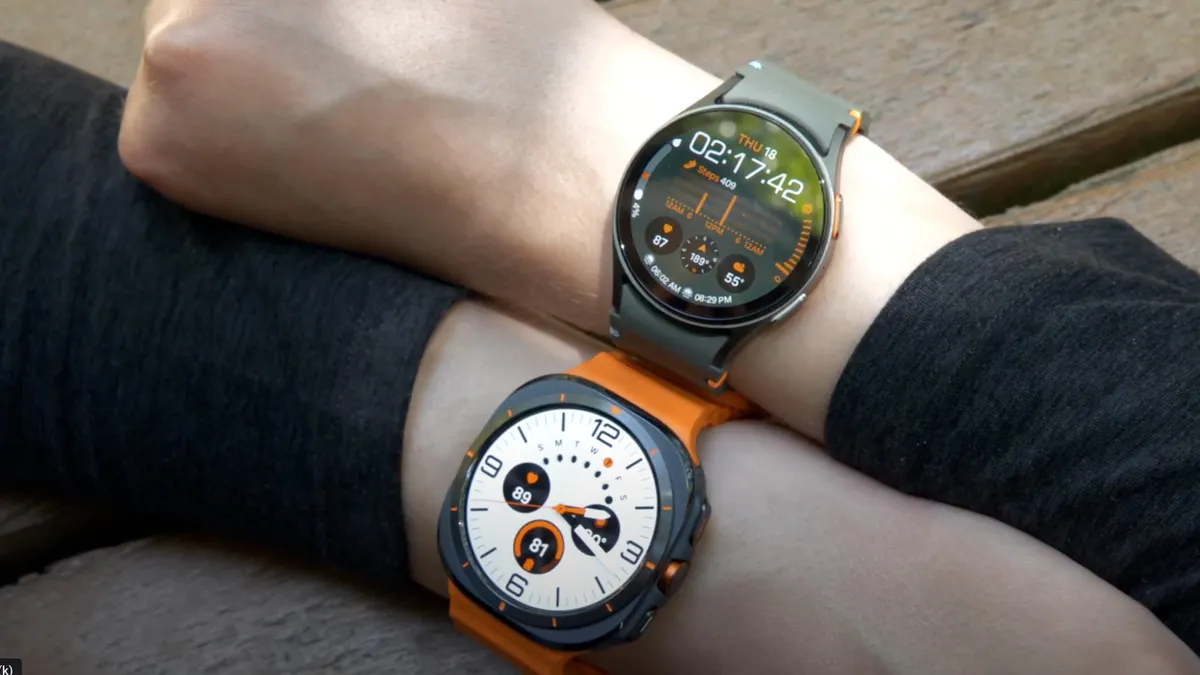
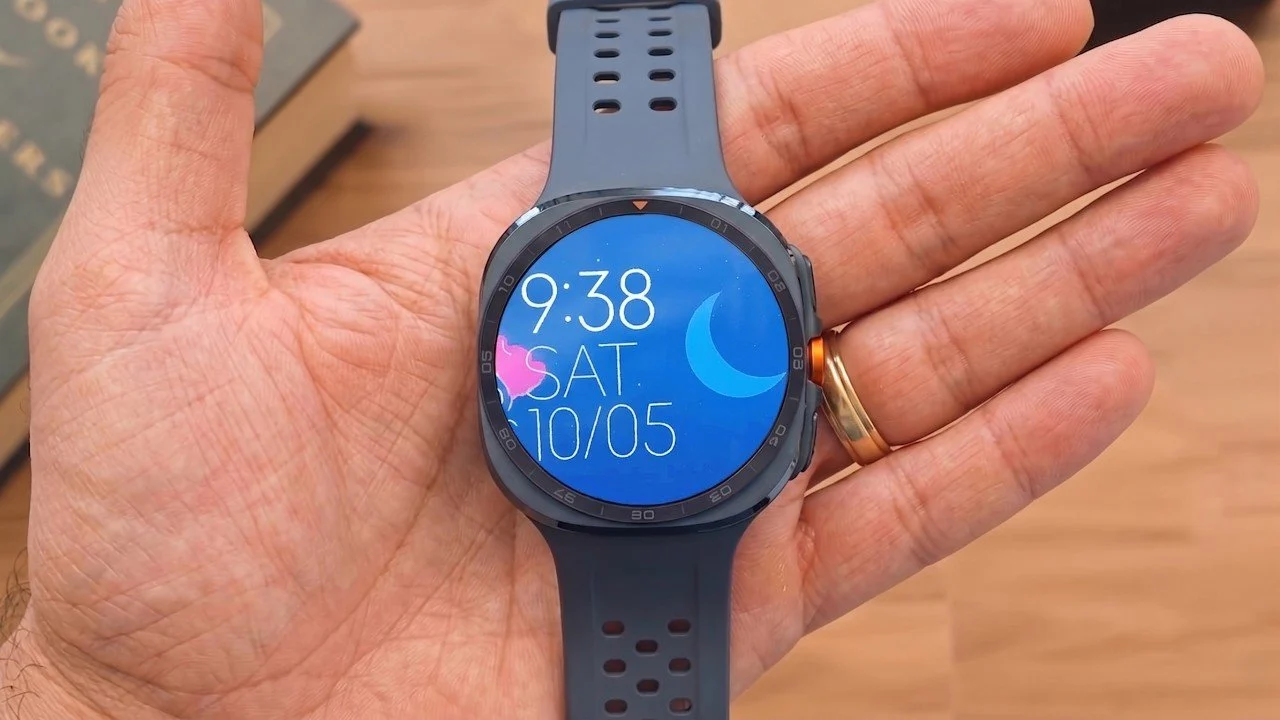
Externally, the Galaxy Watch Ultra 2 is more evolution than revolution: the rugged look remains, a slimmer bezel and refined buttons add polish, and a new green finish gives buyers another style option. Official-looking images place the Ultra 2 alongside the Galaxy Watch 9, both appearing to keep their familiar display shapes with only subtle design updates. This restraint is deliberate. Samsung seems willing to accept criticism for sticking with a chunky 47mm case in exchange for a larger battery and more capable internals. That hardware does come at a higher price; leaks put the Galaxy Watch Ultra 2 around USD 700 (approx. ₱39,200), a USD 50 (approx. ₱2,800) bump over the previous Ultra, while the Galaxy Watch 9 starts near USD 380 (approx. ₱21,300). Those figures suggest Samsung believes people will pay more when the watch stops feeling like a compromised accessory and starts acting like a dependable daily device.
Why These Leaks Matter for the Future of Android Smartwatches
These details are still based on leaks and early industry signals rather than official specifications, but the direction they point to is important. With less than a week before Unpacked, the emerging picture is of a Galaxy Watch lineup that cares more about battery life, performance, and health tracking than cosmetic reinvention. That shift is overdue, and it could set expectations for every other Android smartwatch maker. Multi-day endurance combined with rich health insights and smoother apps would make Wear OS devices feel less like second-choice alternatives and more like confident, standalone tools. All of this remains speculation for now, but it is encouraging to see the puzzle pieces pointing toward a watch that finally respects the user’s time—and their wrist. If Samsung delivers on these internal upgrades, the Galaxy Watch Ultra 2 will not just be another model; it will be proof that Android smartwatch performance problems are solvable when battery and silicon are taken seriously.