
RTX 50 Super Delay: A Launch Held Hostage by GDDR7
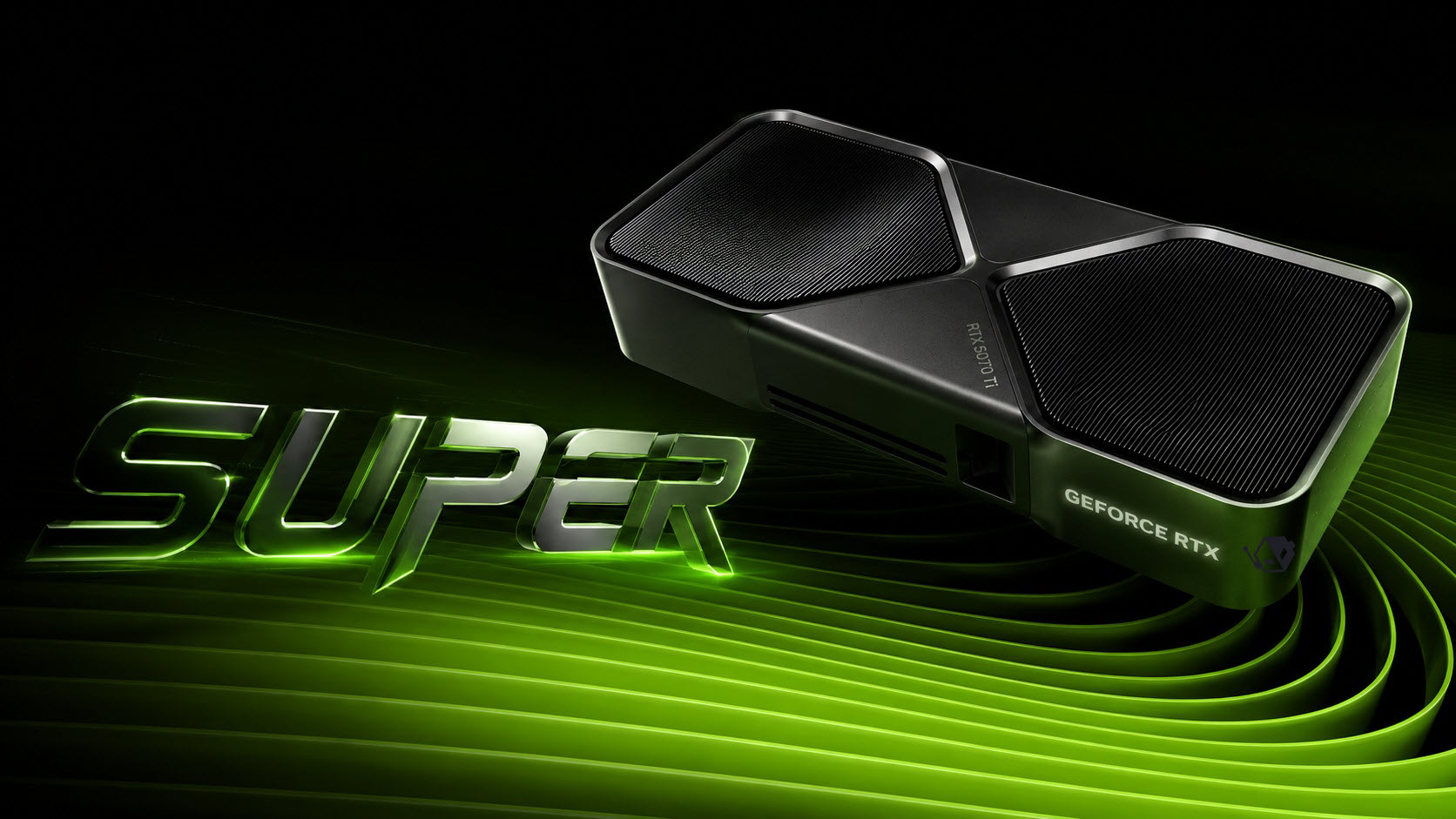
The RTX 50 Super delay refers to NVIDIA’s decision to pause the commercial launch of its ready-to-ship RTX 50 Super graphics cards because 3GB GDDR7 memory prices have surged to levels that undermine viable product pricing and stable graphics card availability across the market. Instead of a classic paper launch where specs are still fluid, this is a case of finished hardware being benched for economic reasons. At least one add‑in‑board partner has already received RTX 50 Super GPUs, yet has been instructed not to sell them, with production and release plans put on hold. The uncomfortable truth is that NVIDIA’s Blackwell‑based Super refresh is not blocked by engineering, yields, or drivers—it is blocked by memory vendors charging far more for capacity than the GPU business model can comfortably absorb.
GDDR7 Memory Prices: The Numbers That Break the Math
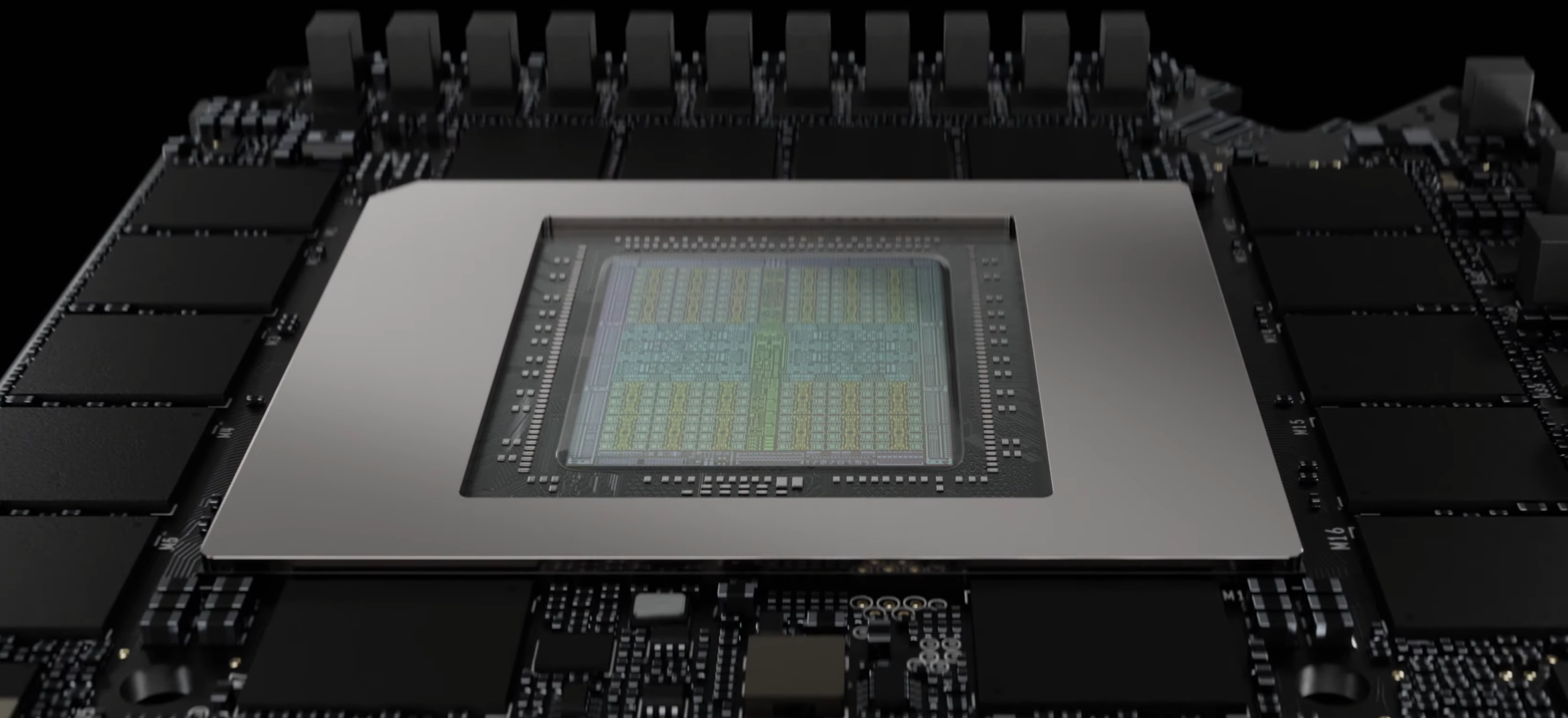
The core problem is brutally simple: 3GB GDDR7 memory chips cost between USD 60–70 (approx. ₱3,360–₱3,920) each, while 2GB GDDR7 chips sit around USD 20 (approx. ₱1,120). In other words, a 50% bump in capacity is coming in at roughly triple the price. On six‑ or eight‑chip boards, that translates into hundreds of extra dollars in memory cost alone, before any margin or channel markup is considered. For a Super refresh that is supposed to make existing Blackwell GPUs more attractive—not redefine the price ladder—those economics are upside down. One quotable takeaway from industry sources is that “each 3GB GDDR7 package currently costs between USD 60 and 70 (approx. ₱3,360–₱3,920), while previous 2GB devices were available for roughly USD 20 (approx. ₱1,120) each.” At that ratio, memory stops being an enabler and becomes a launch‑killing liability.
Hardware Is Ready, But GPU Launch Delays Are Now About Margin
What makes the RTX 50 Super delay so frustrating for enthusiasts is that the GPUs themselves are done. Industry reports say at least one board partner already holds production‑ready RTX 50 Super cards, with specifications and PCB designs locked in. NVIDIA has reportedly instructed these partners to postpone launch, and has not supplied a new schedule, turning confirmed hardware into ghost products with unknown release timing. Earlier expectations had pointed to a Q1 window before an AI‑driven memory crunch disrupted GDDR7 supply and pricing, but those plans have effectively been scrapped. Instead, NVIDIA is back‑filling the market by re‑shipping older Ampere‑based RTX 3060 12GB models to maintain some sense of graphics card availability without swallowing the current GDDR7 tax. This is not a technical delay; it is a conscious pause to avoid launching high‑end GPUs whose memory bills eat the profit before a single card ships.

Why NVIDIA Cannot Just Work Around 3GB GDDR7
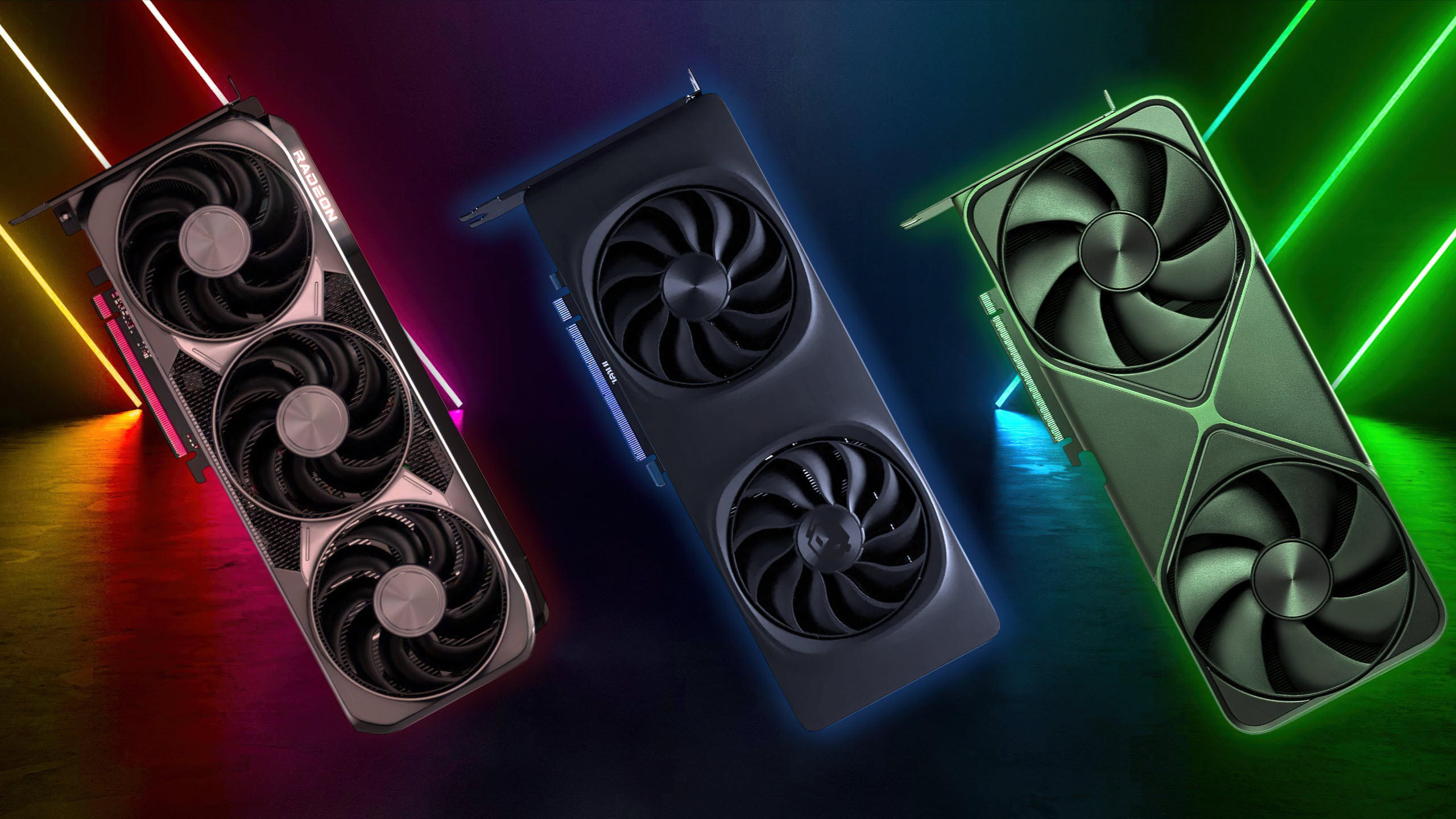
Super branding lives on the promise of a clear spec bump, and for RTX 50 Super the headline upgrade is more GDDR7 capacity and higher board power, not a wholesale increase in cores. The planned RTX 5080 Super and RTX 5070 Ti Super are expected to carry 24GB of GDDR7, while the RTX 5070 Super steps up to 18GB—achieved by swapping 2GB packages for 3GB ones on existing memory bus layouts. These higher‑density chips let NVIDIA raise VRAM without redesigning the PCB or adding more modules, which is elegant in theory but expensive in practice at present prices. The rumored RTX 5050 9GB, which would have relied on three of those costly 3GB packages, appears to have vanished from the roadmap, likely because memory costs are disproportionately high for an entry‑level product. Without affordable 3GB GDDR7, the defining feature of the Super refresh collapses into a marginal upgrade that is very hard to justify at any sane price tag.
Conclusion: Memory Economics Now Decide GPU Availability
The RTX 50 Super delay is a clear signal that the GPU market’s fate is now tied as much to DRAM pricing as to silicon innovation. NVIDIA has production‑ready RTX 50 Super cards sitting with AIB partners, yet refuses to pull the trigger while 3GB GDDR7 chips cost USD 60–70 (approx. ₱3,360–₱3,920) against USD 20 (approx. ₱1,120) for 2GB parts. Launching into that environment would either balloon MSRPs or crush margins, so RTX 50 Super hardware remains in limbo and older GPUs are re‑introduced to stabilize supply. The uncomfortable takeaway is that GPU launch delays are no longer about fabrication nodes or driver maturity—they are about whether memory vendors leave enough room for a viable product. Until GDDR7 prices fall into line with the value they add, buyers should expect more strategic pauses and fewer straightforward refresh cycles.