
Nova Lake-S: A Desktop Platform Defined by Its Release Plan
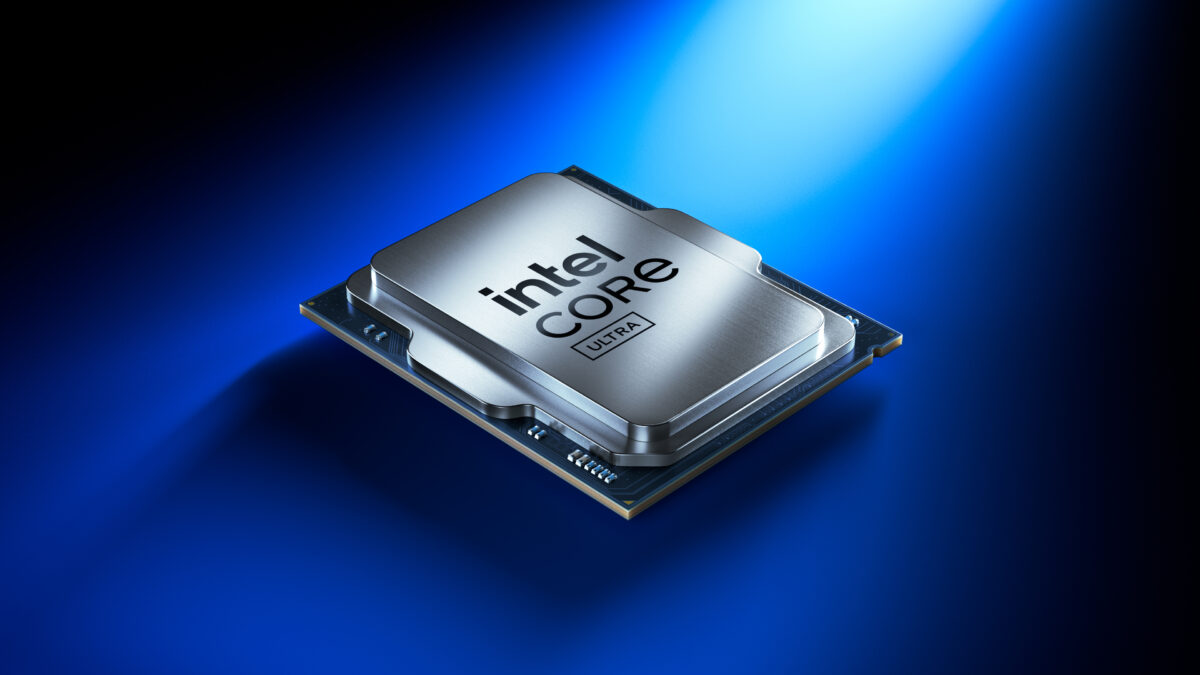
Intel Nova Lake-S desktop CPUs, branded as Core Ultra 400, are a new generation of high-core-count processors that introduce fresh P-core and E-core designs, a new desktop socket, and a four-wave launch roadmap that stretches across much of 2027, forcing PC builders to treat the release schedule as part of the platform itself rather than a footnote. The key takeaway is simple: planning a high-end Intel desktop build now means planning around dates as much as specs. Leaked internal documents confirm Nova Lake-S as Core Ultra Series 4 and map embargo windows from late January through September, with the 52-core flagship arriving last. That staggered timing divides buyers into early adopters of the 28-core entry configuration and latecomers willing to wait for the full-fat dual-tile monster. In other words, Intel’s rollout strategy is now a primary constraint on your upgrade path, not a background detail.
Four Waves, Two Tiles: How the 2027 CPU Release Schedule Splits the Market
The four-wave Core Ultra 400 launch is not marketing theater; it is a deliberate way of pacing silicon complexity into the desktop channel. Wave 1 brings 28-core Nova Lake-S DS packages between late January and March, using a single compute tile as the on-ramp into the new platform. Wave 2 follows in March–April with unlocked 28-core K-series parts aimed at overclockers and performance enthusiasts. Wave 3, stretching from late March to May, introduces 16-core and 8-core SKUs for mainstream buyers. Only Wave 4, from late May to as late as September, delivers the 52-core dual-tile DS flagship. That wide flagship window signals how hard it is to ship dual-tile silicon at scale and hints at Intel’s need to ramp its 18A node and stockpile compute dies before feeding the top end. In practice, Intel is segmenting not only performance tiers but also time: early adopters get simpler single-tile parts, while the most ambitious builds wait months for the heavy artillery.
High-Core-Count Processors With High Demands: 52 Cores and 474W PL2
On paper, the flagship Intel Nova Lake desktop CPU reads like a workstation-grade experiment dropped into the consumer socket. The top Nova Lake-S SKU combines sixteen Coyote Cove P-cores, thirty-two Arctic Wolf E-cores, and four low-power E-cores across two compute tiles for a total of 52 cores—territory previously reserved for Xeon-class hardware on specialized platforms. Each tile carries 144 MB of last-level cache for 288 MB total on the dual-tile flagship, while the 28-core K-series sits at 144 MB and mid-range single-tile configurations between 108 MB and 132 MB. Reliable leak data pins the dual-tile configuration’s short-duration turbo limit (PL2) at 474W, a figure that alone will redraw expectations for desktop cooling and power delivery. This is not a casual upgrade CPU; it is a part that demands builder intent. If you want 52 cores, you must be ready to spec oversized cooling, a serious PSU, and a case airflow plan built around continuous heavy loads, not occasional spikes.
Platform Costs, Sockets, and Timelines: What Builders Must Decide Now
The Nova Lake-S platform is a hard break, not a soft refresh. Any current Intel LGA 1851 motherboard, including Z890 and Z790, cannot be upgraded to Nova Lake; the new CPUs require a fresh LGA 1954 socket. That means the full cost of switching early includes a new Intel Nova Lake desktop CPU, a new motherboard—Z990 for high-end and overclocking, Z970 for mainstream—and DDR5 memory. For builders, the question is not only which CPU to buy but when to buy into the platform at all. "For anyone deciding whether to build, upgrade, or wait, this roadmap is the most specific public evidence yet of when and in what order Intel's most ambitious desktop platform arrives." Locking in an early 28-core build offers faster access to Nova Lake, but risks buyer’s remorse if your workloads would benefit from 52 cores. Waiting for Wave 4 keeps options open but pushes your entire workstation refresh deeper into the year.
How the Staggered Core Ultra 400 Launch Changes Builder Strategy
Intel’s Core Ultra 400 launch proves that release timing is now a first-class design choice, not a logistics afterthought. By shipping single-tile 28-core parts first and the dual-tile 52-core flagship last, Intel is smoothing its 18A ramp, de-risking platform stability, and turning the 2027 CPU release schedule into an extended negotiation with enthusiasts over patience and priorities. Builders who treat Nova Lake-S as a drop-in upgrade will be caught off guard by the socket change and platform cost; those who read the roadmap closely can align their component cycles with the wave that matches their core needs. The best strategy is explicit: decide now whether your next system is a high-end single-tile Nova Lake desktop CPU or a late-year, high-core-count workstation built around the 52-core part, and then time your build, budget, and component compatibility planning to that wave. Intel has shown its hand; it is up to builders to respond with equally deliberate timing.