
Intel’s Foundry Pivot: From Lagging Giant to Sought-After Partner
Intel’s manufacturing comeback is the rapid improvement of its advanced chip nodes and packaging yields that has turned Intel foundry services from a struggling internal asset into a competitive alternative for leading AI and computing companies seeking cutting‑edge semiconductor manufacturing capacity across 18A, 18A-P, 14A, and advanced packaging like EMIB. The headline development is not another consumer processor launch; it is that AMD, NVIDIA, Microsoft, Micron, Marvell and OpenAI are now rumored to be booking designs on Intel’s 18A and 14A nodes. These are the very companies that had previously relied almost entirely on a single external partner for their most advanced chips. That shift signals something important: leading fabless players believe Intel’s process technology yields and roadmaps are strong enough to entrust their next-generation designs to a once‑written‑off rival.
Yields, EMIB, and Nova Lake: Intel Proves It Can Manufacture Again
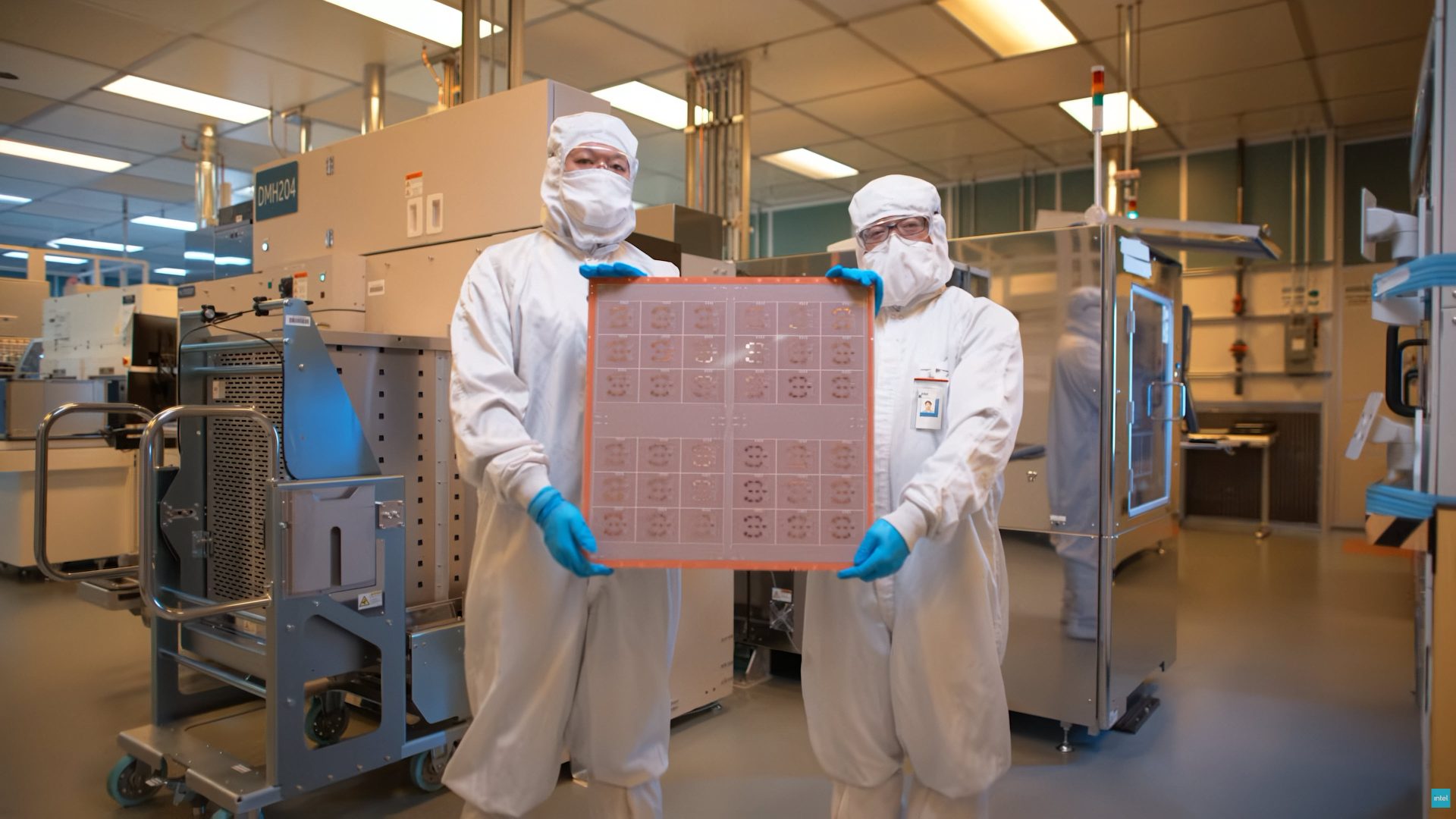
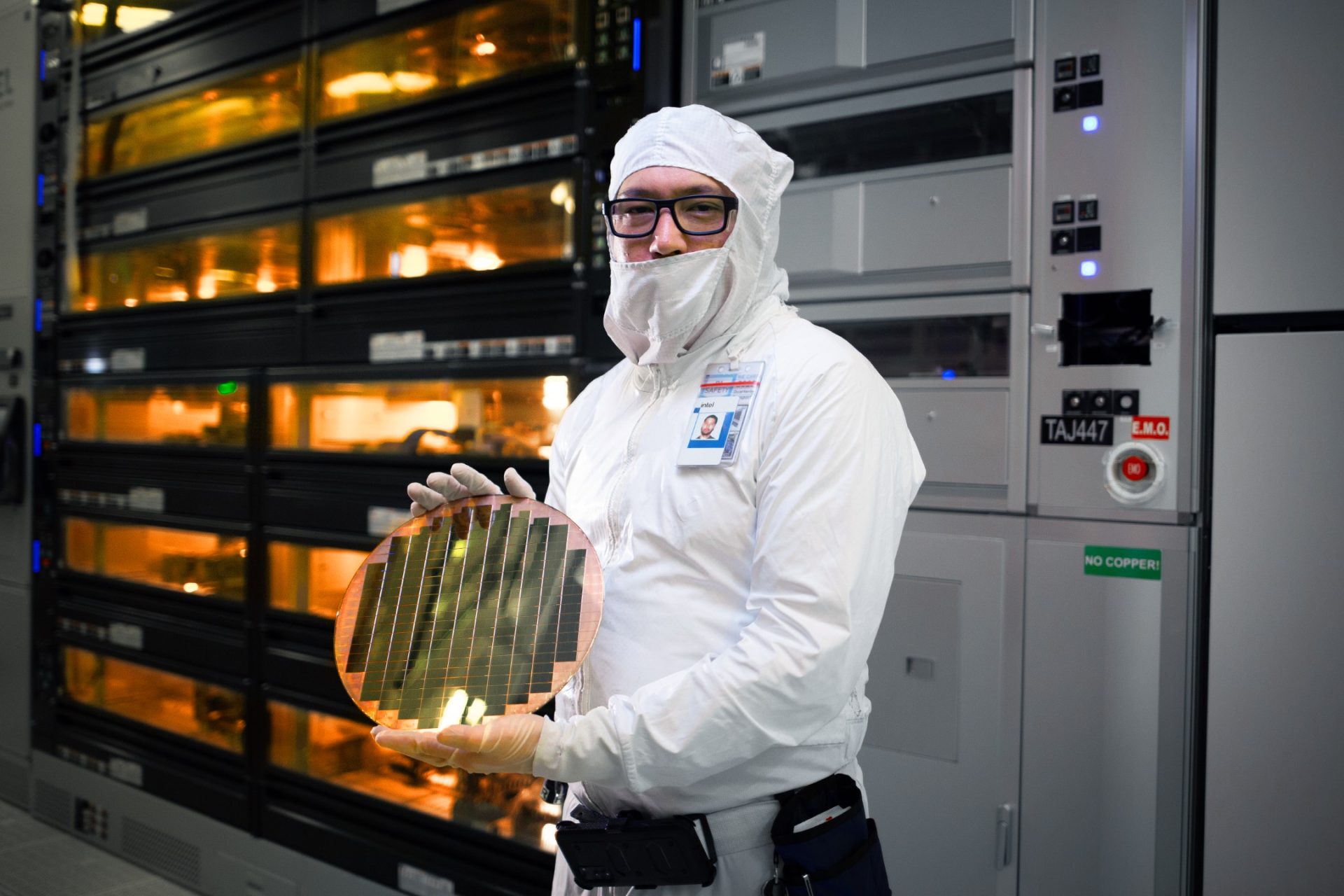
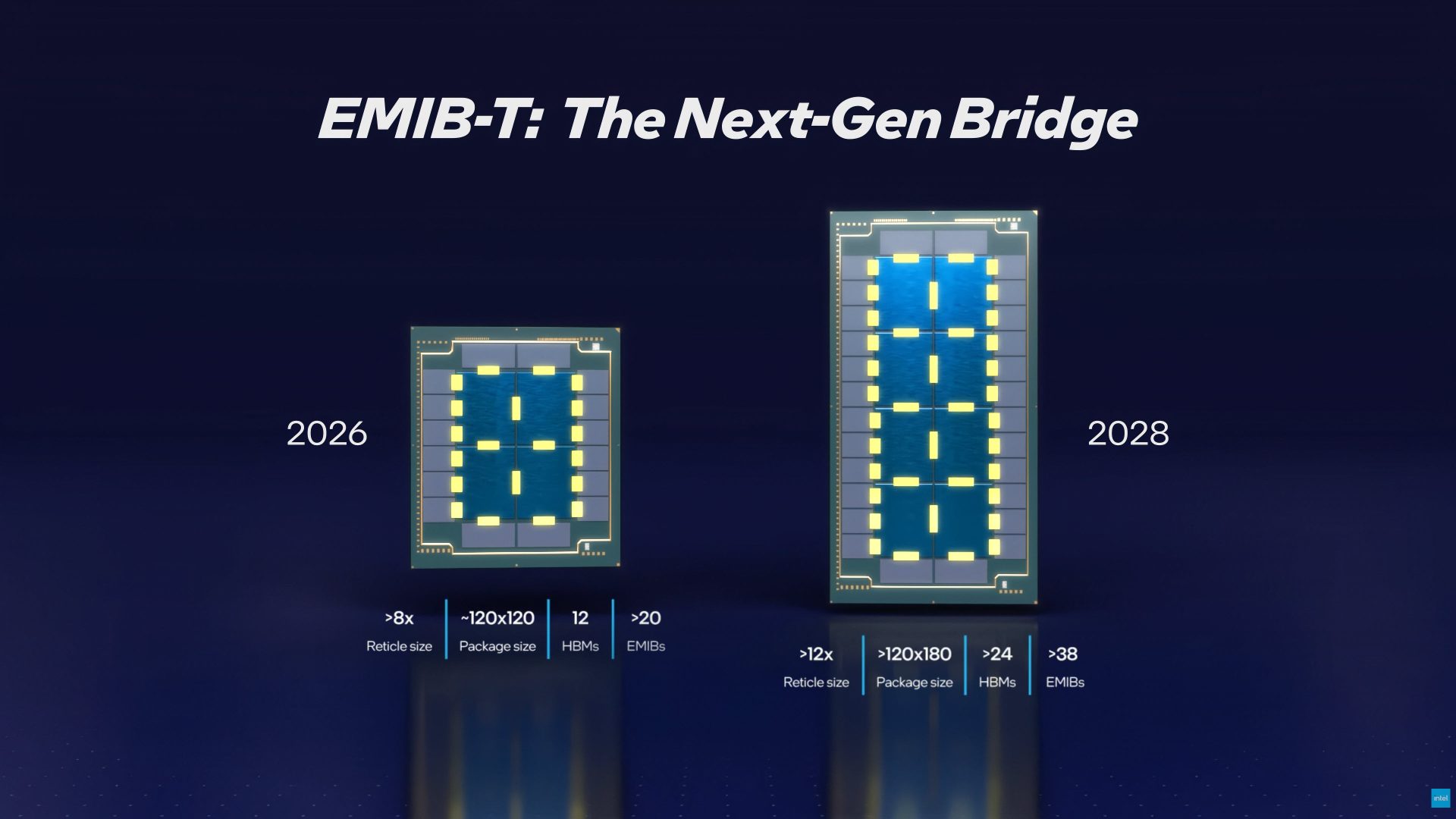
The core of Intel’s comeback is numbers, not marketing. 18A yields have climbed to about 85%, up from 65% a quarter earlier, putting Intel close to TSMC’s reported 90% on its N2 process and far ahead of Samsung’s SF2 yields at 50–60%. That kind of process technology yield improvement is why Intel now feels bold enough to insource 80–90% of Nova Lake tiles and expand capacity on 18A and Intel 3 for data center demand. On top of that, EMIB-T packaging has reportedly hit 98% yield, up from 90% only three months ago. According to KeyBanc Capital Markets, such yields are what fabless companies need to see before trusting Intel with complex multi‑die AI designs. When packaging reliability approaches the “gold standard” 98–99% range, every percentage point translates into real production readiness, lower risk, and more predictable launch schedules for customers.
Panther Lake and High-NA EUV: Buying a Ticket to the Next Node Race
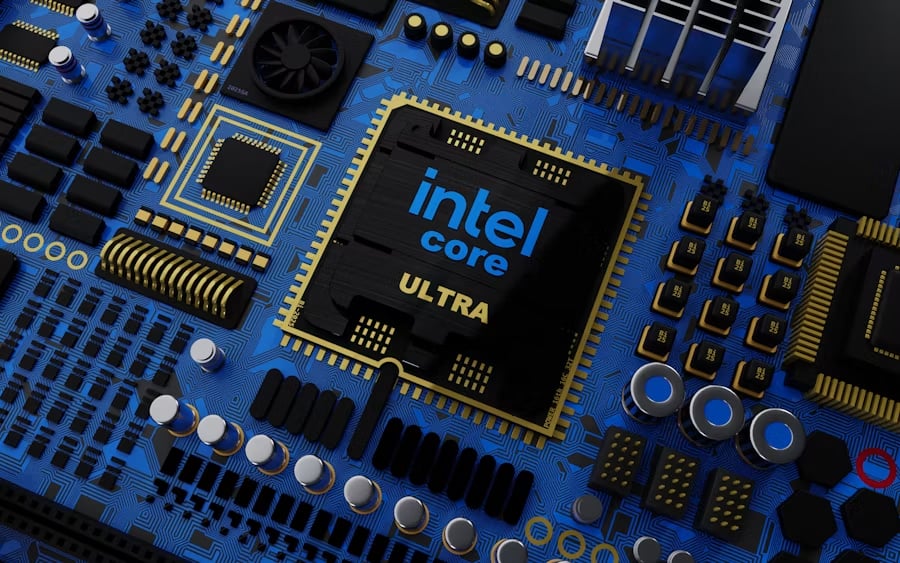
Intel is not only catching up on current advanced chip nodes; it is paying to be first in line for the next wave. The company has become the first chipmaker to use ASML’s High Numerical Aperture EUV system in commercial processor production, applying it to selected layers of Panther Lake laptop processors after two years of testing. Each High-NA EUV machine costs roughly USD 400 million (approx. ₱23,200,000,000), about twice the price of current EUV systems, which underlines how serious Intel is about regaining technology leadership. High-NA EUV allows finer features and could reduce manufacturing complexity and improve yields over time, which matters directly for the 14A node ramp planned for mass production in the second half of 2028. By mixing High-NA with conventional EUV, Intel gains real production experience without tearing up its entire flow—a pragmatic move that could give it a practical lead when the industry has to shrink features toward the atomic scale.
What This Means for AI Leaders—and Ordinary Users
The impact of Intel’s manufacturing revival will be felt first by AI leaders, then by everyday users. For NVIDIA, Google, Amazon and others already named as EMIB packaging customers, a second reliable high‑yield supplier means less exposure to a single foundry’s bottlenecks. For AMD, Microsoft, Meta, OpenAI and potentially Apple, spreading advanced designs between Intel foundry services and their traditional partner is a straightforward hedge against shortages and geopolitical risk. For ordinary users, the benefits look simpler: more competition should mean faster arrival of on‑device AI features and more choice of machines that can run heavy models locally. Panther Lake devices, which combine CPU, GPU and a neural processing unit to keep AI workloads on the laptop, promise snappier, lower‑power experiences without shipping as much data to remote servers. If Intel keeps improving yields, those AI PCs will not be rare halo products—they will become mainstream.
A Real Challenge to TSMC’s Grip on Cutting-Edge Manufacturing
The real story is strategic: Intel is finally threatening TSMC’s lock on leading‑edge capacity. TSMC’s inability to meet demand for every AI player created an opening, but only a manufacturer that could match yields and packaging sophistication could step through it. With EMIB-T approaching 98% yield, Intel now stands on par with TSMC’s advanced packaging, breaking through the hardest part of the yield curve. Combined with credible 18A yields and a clear 14A timeline, that has turned Intel from a backup option into a genuine second pillar for cutting‑edge semiconductor manufacturing. The rumored design wins from AMD, NVIDIA, OpenAI and others are not cosmetic—they signal a deliberate effort by the ecosystem to reduce reliance on one dominant foundry. If Intel executes on its process roadmaps, the next decade of AI silicon will be defined by a two‑foundry world, with Intel no longer the underdog but a central player again.