
PC Build Planning Tools vs Traditional Methods: The Bottom Line
PC build planning tools are online platforms that centralize component price comparison, gaming performance estimates, and compatibility checks to help users design complete systems that meet specific budgets and performance goals more efficiently than manual research. For most builders, a gaming PC builder platform like DropReference is now the faster and safer way to balance cost and performance, especially when prices for memory and other parts are climbing and overspending adds up quickly. Traditional methods—reading deal roundups, visiting multiple stores, and cross-checking benchmarks—still suit hands-on enthusiasts who enjoy fine-tuning every choice and do not mind spending hours hunting individual bargains. The smart move is to pick the approach that matches your experience level and how much time you want to spend: DropReference for guided, data-backed decisions, traditional research if you prefer full manual control.
| Spec | DropReference platform | Traditional deal hunting |
|---|---|---|
| Component price comparison | Centralized offers from multiple retailers on one product page, grouped by exact model | Manual checking of several retailers and deal articles; higher risk of mixing variants |
| Hardware performance estimates | FPS estimates across 125+ games and GPU comparison with benchmarks and price-to-performance metrics | Separate benchmark research; must interpret performance data and pair CPU/GPU yourself |
| Build-planning workflow | Community, Guided, and Expert Modes with compatibility checks, live pricing, and budget tracking | Spreadsheet-style planning, spec sheets, and individual product pages; no automatic compatibility or budget tracking |
| Budget control & overpaying risk | Total build cost visible, price history to spot real discounts and avoid overpaying | Easy to overspend on parts that don’t meaningfully improve gaming performance or reliability |
| Typical user fit | Beginners and experienced builders who want a structured, data-backed path to a balanced system | Enthusiasts who enjoy manual tuning, reading detailed deal breakdowns and making every decision themselves |
DropReference: Centralized Prices and Performance Estimates
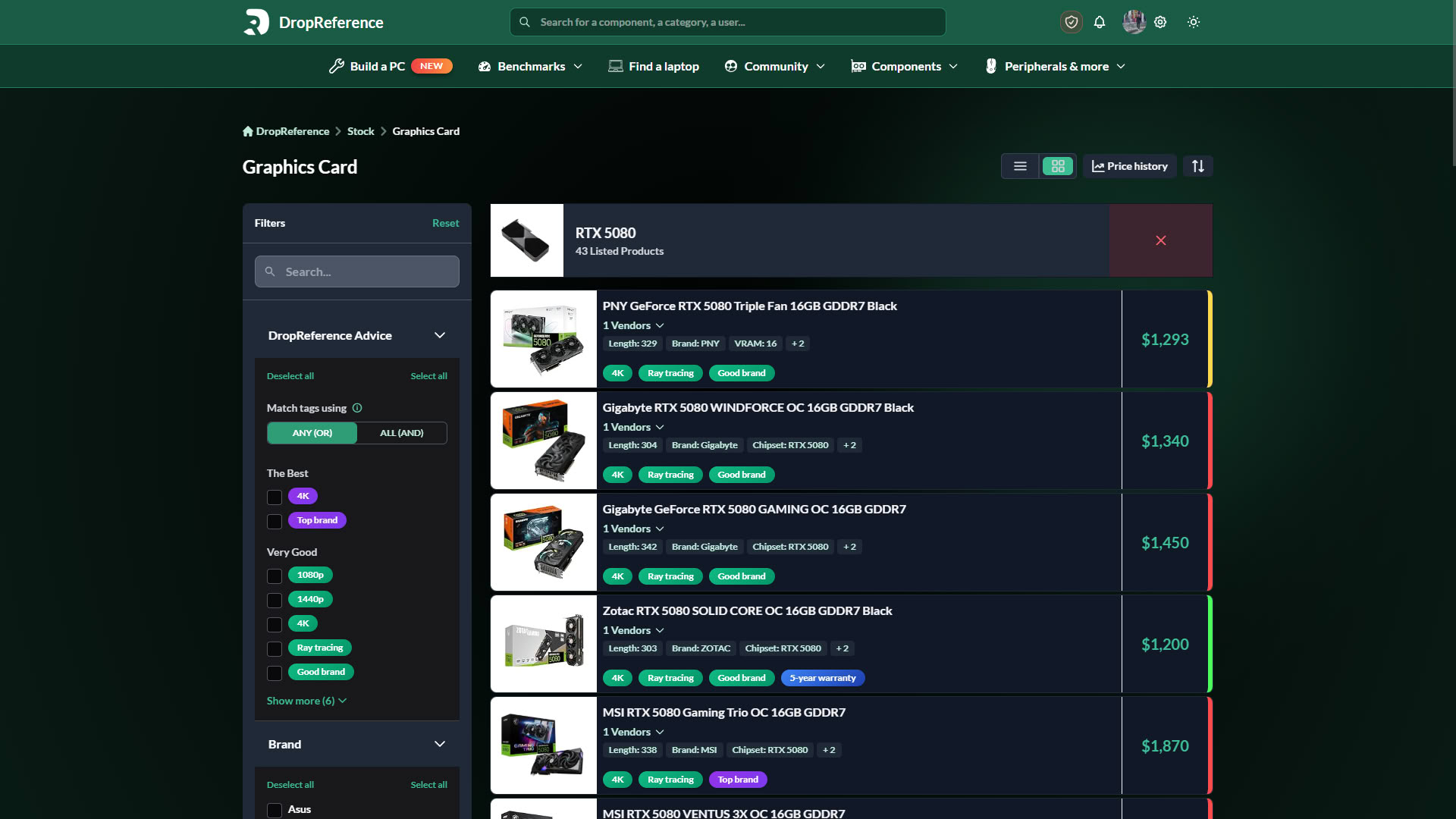
DropReference is a PC build planning tool and gaming PC builder platform that attracts more than 200,000 unique visitors every month and is expanding into new markets. It focuses on component price comparison and hardware performance estimates, pulling offers from multiple retailers into a single product page so you see grouped listings for the exact GPU, CPU, or SSD you want instead of scattered variants. That approach helps avoid mixing different memory capacities or board revisions when comparing prices. The platform covers all major categories—graphics cards, CPUs, motherboards, RAM, SSDs and hard drives, power supplies, cases, cooling, monitors, peripherals, gaming laptops, and prebuilt gaming PCs. Users can check historical price data to judge whether a discount is genuine or only a return to regular pricing, which is important in a market where prices on parts like RAM are volatile and often described as the "ugliest" segment.
How DropReference Guides Real-World Gaming Builds
Beyond pricing, DropReference is built to guide complete gaming PC configurations from idea to purchase. It offers three ways to build: Community Mode to describe your budget, games, and expectations and get tailored configurations from experienced users; Guided Mode for step-by-step help while keeping control over each component choice; and Expert Mode for advanced builders who want full manual selection. Regardless of mode, you can see total system cost, save your build, and share it via a public link. One of its main strengths is integrated hardware performance estimates: DropReference can estimate expected gaming performance for a chosen configuration, providing FPS figures across more than 125 games at different resolutions and settings. Its GPU comparison tool adds 130+ game benchmarks, 1% lows, specifications, current prices, and price-to-performance metrics with a clear verdict. This makes CPU/GPU pairing decisions more informed than relying on scattered benchmarks.
Traditional Deal Hunting: Control, Effort, and Hidden Traps
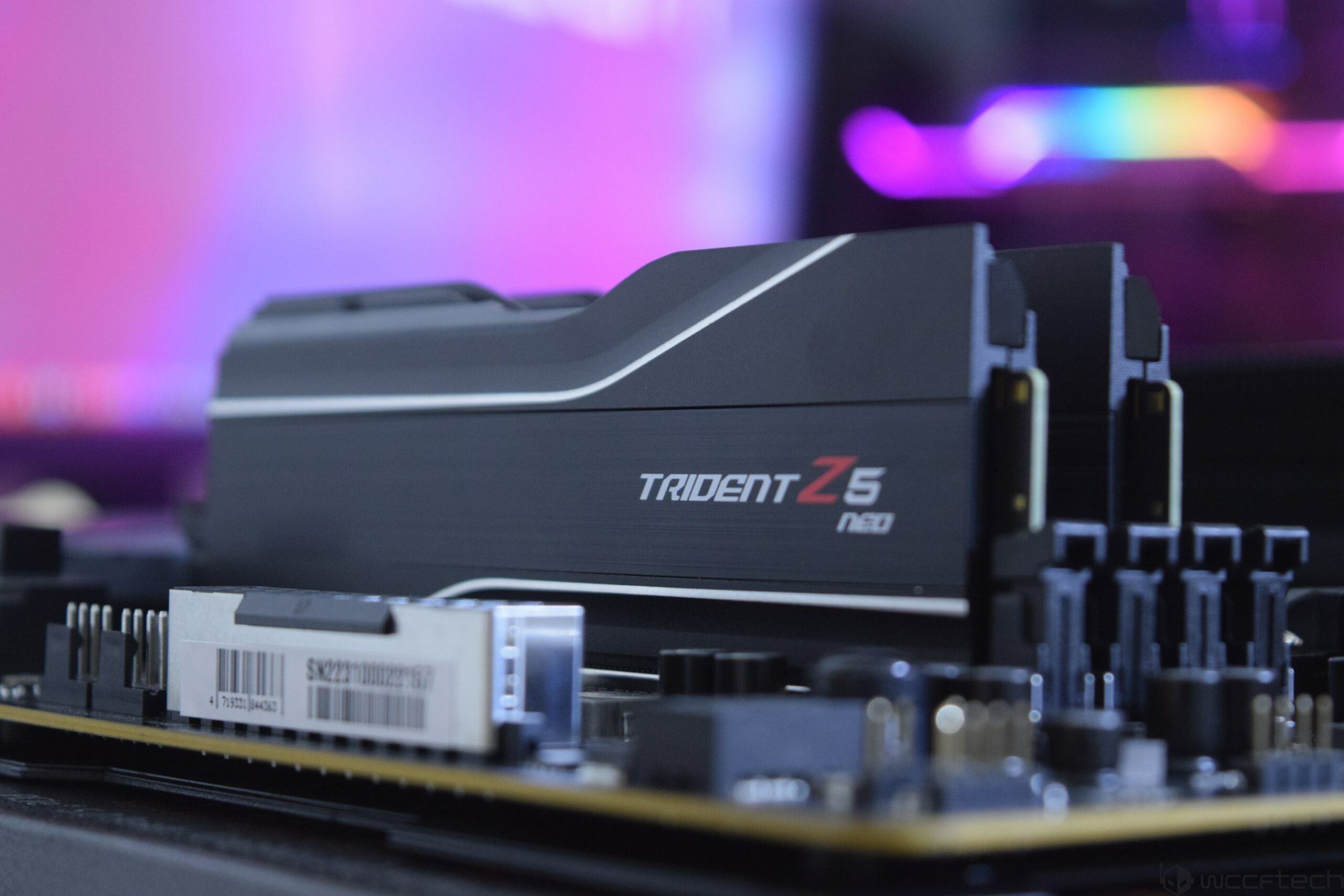
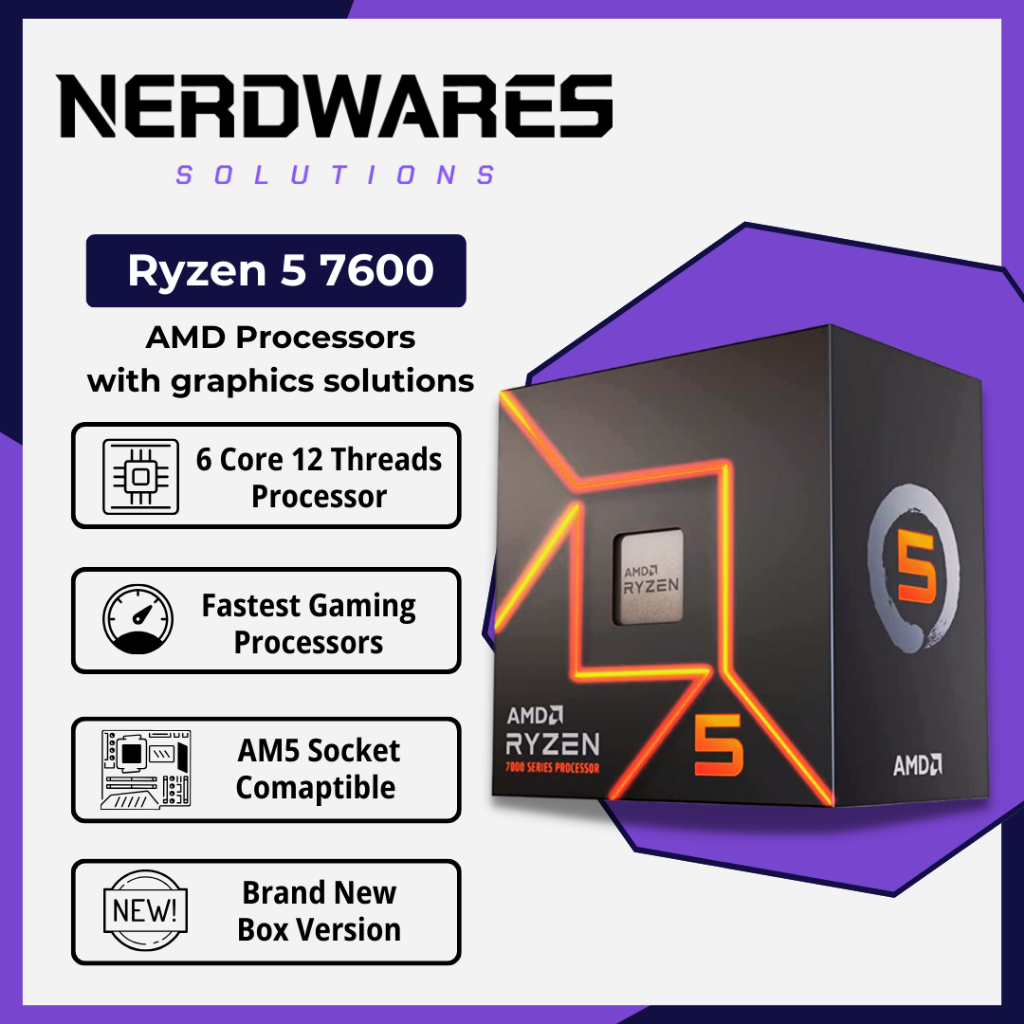
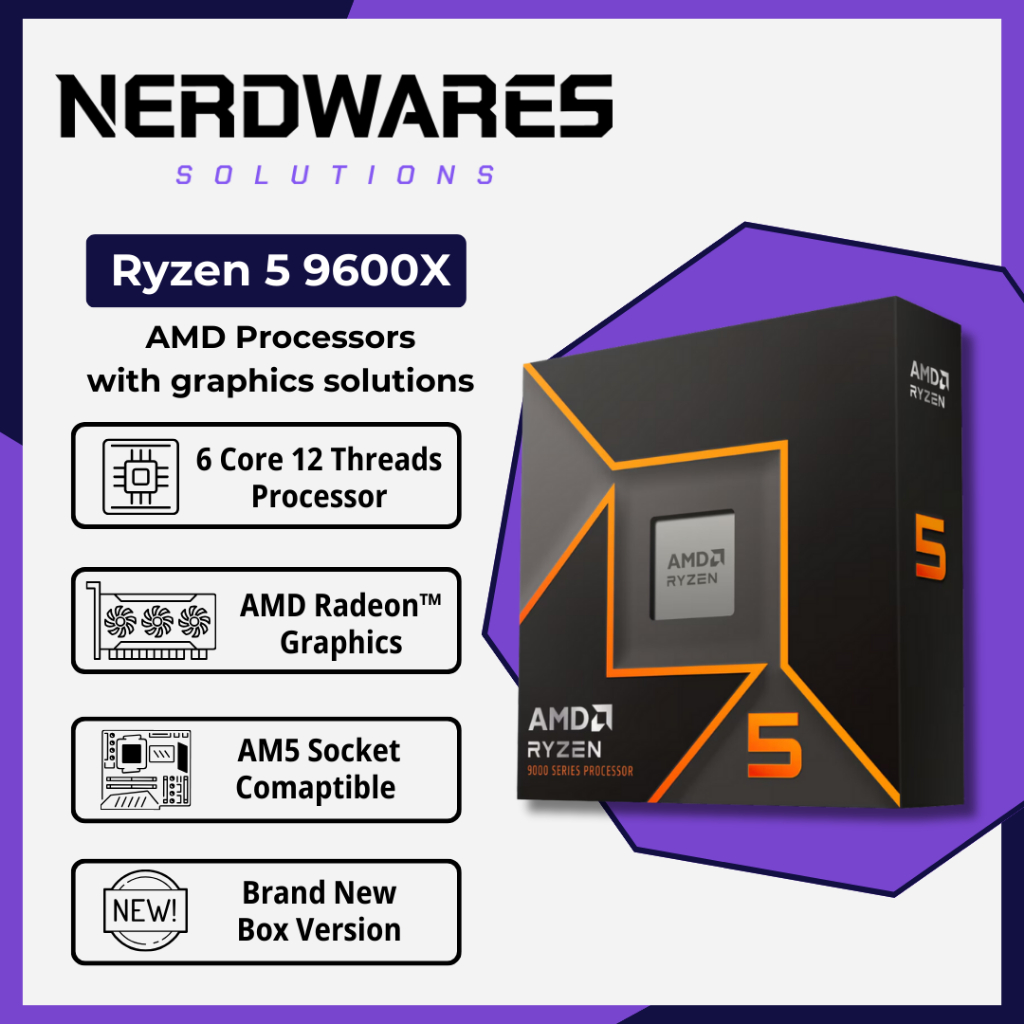
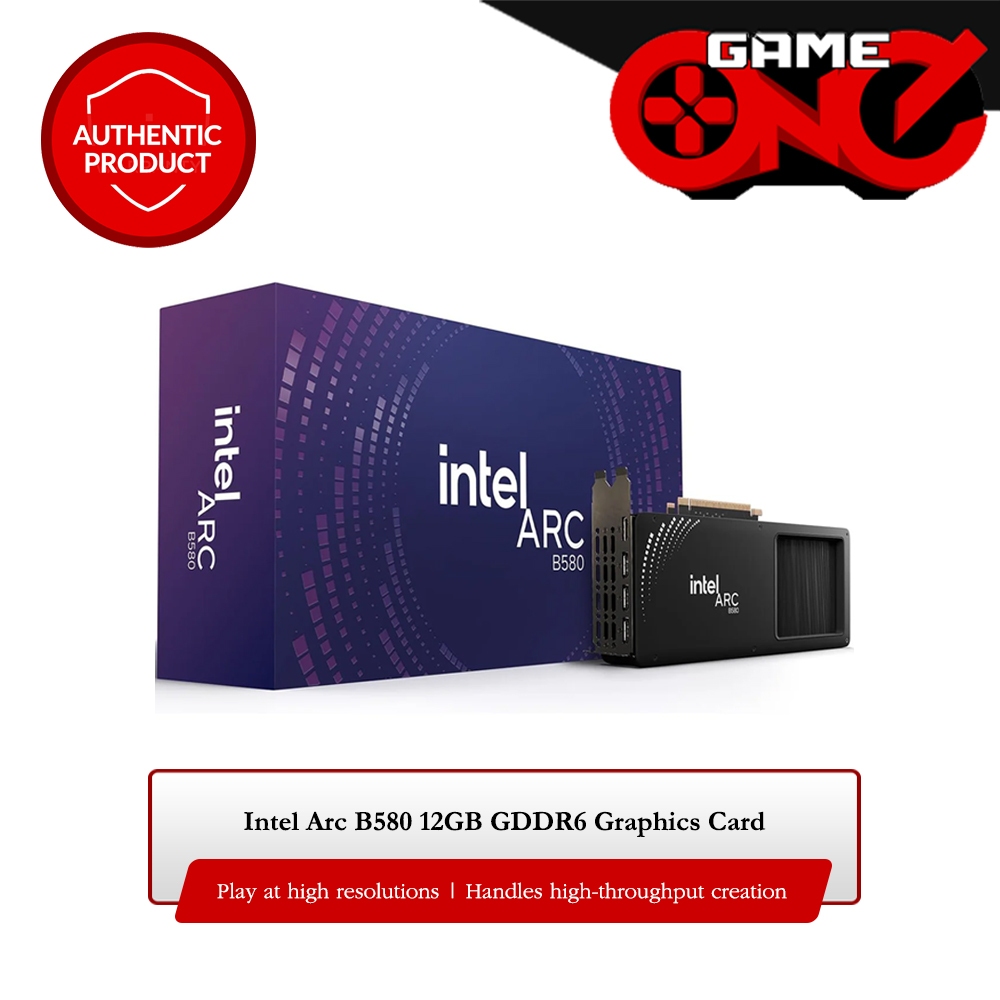
Traditional PC build planning depends on reading individual deal roundups, visiting retailer sites, and manually stitching together a parts list. This gives enthusiasts complete control but demands time and attention to avoid traps. For example, current deal coverage shows how quickly prices change: all listed prices were checked on July 11, 2026, and availability, promo codes, and seller information can change without warning. Builders must also guard against overspending on parts that do not meaningfully improve gaming performance, quality, or reliability beyond a certain point. With DRAM and NAND shortages, memory is the "ugliest" part of the market, forcing tough trade-offs on capacity and speed. You might find a tempting CPU like the AMD Ryzen 5 7600X at USD 168.00 (approx. ₱9,400), the Ryzen 5 9600X at USD 179.67 (approx. ₱10,000), or the Intel Arc B580 12GB at USD 309.99 (approx. ₱17,300), but deciding whether these fit your budget and target performance still requires separate benchmark and compatibility research.
Who Each Approach Suits in a Rising-Price Market
When a decent new gaming PC now starts around USD 1,000 (approx. ₱56,000) and compromises are unavoidable, the planning method matters almost as much as the parts themselves. A tool-based strategy with DropReference is ideal if you want clear budget limits, component price comparison in one place, and hardware performance estimates to avoid paying for gains you will not see on your monitor. Beginners benefit from structured modes and community advice, while experienced builders still get value from automated compatibility checks, live pricing, and price-to-performance data. Traditional research works best for enthusiasts who enjoy reading detailed CPU and GPU deal lists, interpreting notes about upgrade paths and core counts, and who are comfortable watching prices over time without built-in tracking. In practice, many builders will use DropReference to shortlist balanced, price-efficient parts and then lean on manual deal hunting to seize short-lived discounts once they know which specific models they want.
- Buy the DropReference platform if you want centralized PC build planning tools with component price comparison and hardware performance estimates for clear, data-backed decisions.
- Skip the DropReference platform if you prefer to research every part manually and enjoy comparing retailer listings and benchmarks on your own.
- Buy the DropReference platform if you need help pairing CPUs and GPUs using FPS estimates across more than 125 games and price-to-performance metrics.
- Skip the DropReference platform if you already track your own price history and do not need a gaming PC builder platform to summarize offers from multiple retailers.
- Buy the DropReference platform if rising memory and storage prices worry you and you want a structured way to plan builds within strict budget constraints.
- Skip the DropReference platform if you build infrequently, are comfortable spending extra for premium parts, and do not mind the risk of overspending for small performance gains.