

The Red Line Was Lying: What the BIOS Bug Really Meant
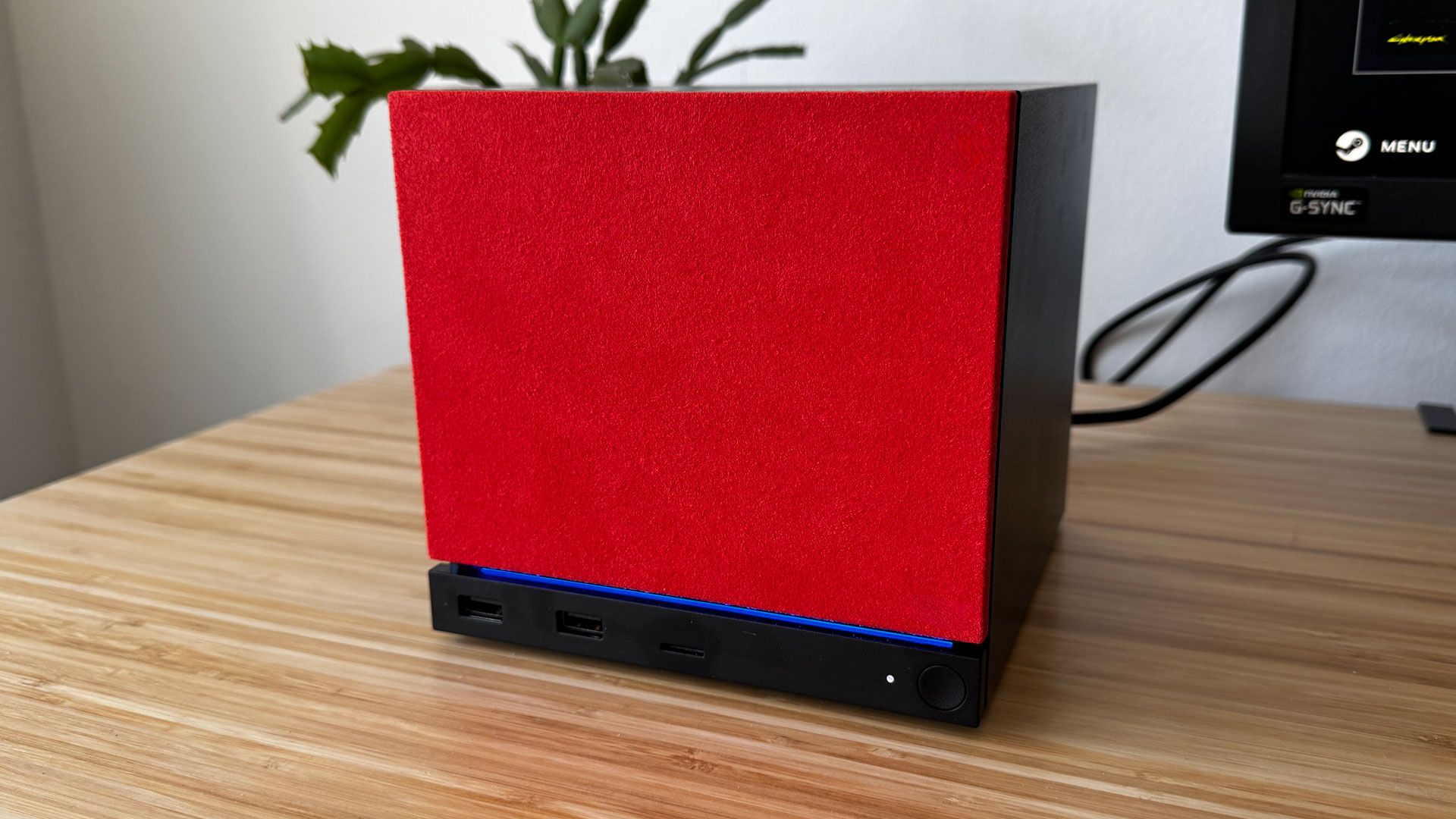
The Steam Machine thermal warning bug occurred because a BIOS glitch made the red overheating LED trigger far earlier than the hardware’s safe operating limits, causing users to misread normal temperatures as critical failures and fear that their devices were dying when they were actually running within design specifications. That is the uncomfortable truth behind the so‑called Red Line of Death: it was a firmware problem, not a mass hardware catastrophe. Valve has confirmed a known issue in the current BIOS that makes the integrated light bar display red much earlier than intended, even while CPU and GPU readings stay inside normal ranges. One user saw the warning kick in with monitoring tools reporting around 81°C on the CPU and 71°C on the GPU, well below the supposed trigger points. The result was predictable—owners assumed failing cooling or defective chips when the system was, in fact, behaving as designed.
Why 95°C Was the Wrong Scare Point for the Steam Machine
The most important part of this story is that the original thresholds were conservative to the point of being misleading. Earlier reports showed the Steam Machine’s red overheating light appearing when the CPU hit 95°C and the GPU 90°C, even though the silicon is built to tolerate more heat. According to reporting on Valve’s custom AMD processor, its expected TJMax is 105°C, the temperature at which the machine will automatically shut down to prevent permanent damage. In other words, the so‑called overheating light was screaming long before the hardware was in real danger. That jump scare turned a design safety net into a trust problem: if your warning system cries wolf, you start doubting everything, from the cooler to the thermal design. The community’s “Red Line of Death” nickname captured that anxiety, but it also baked in the false belief that red meant imminent failure.
Inside Valve’s Steam Machine BIOS Fix: Raising the Bar to 100°C
Valve’s response is straightforward: fix the firmware and align the visual warning with real thermal risk. A BIOS update is in development that changes how the Steam Machine’s LED strip handles overheating alerts, making the red indicator trigger only once the CPU or GPU hits 100°C. Steam Support confirmed that a BIOS fix is on the way to raise the red light and throttling thresholds from 95/90°C to 100/100°C for CPU and GPU. After this Valve Steam Machine update, the system will start throttling performance at 100°C and shut down to protect itself if temperatures continue to climb toward 105°C. This is the overheating light fix users have been waiting for: it turns the LED into a meaningful last warning instead of an overprotective nag. Given the compact, high‑power design of these machines, letting them stretch to their safe thermal envelope without spamming false alarms is the sensible choice.
What This Thermal Warning Bug Means for Owners Today
For current owners, the key message is reassuring: the Steam Machine BIOS fix is about the LED logic, not about rescuing failing hardware. Support staff have explicitly stated that the issue lies with when the lights are set to come on, while confirming from user screenshots that CPU and GPU temperatures are within normal operating ranges. That means most red flashes you have seen were false positives, not proof your rig was cooking itself to death. However, the fix does not magically make thermals irrelevant. Valve notes that restricted placement and high ambient temperatures can still lead to genuine overheating, regardless of firmware. Owners should treat this change as a confidence boost, not a license to pile cables over vents or bake their Steam Machine in an enclosed shelf. Good airflow still matters; now the light bar will complain at the right time, not while everything is fine.
Trust, Transparency, and the End of the Red Line of Death
This thermal warning bug is a reminder that in small gaming PCs, perception is as important as raw engineering. The “Red Line of Death” stories framed the Steam Machine as fragile, when in reality its protection mechanisms and CMOS reset procedure could revive seemingly doomed units. When the indicator LED panics early, owners panic too—they cancel sessions, question the product, and spread tales of failing hardware. By admitting the BIOS problem and promising a Steam Machine BIOS fix “soon,” Valve is doing the right thing: owning the glitch and tuning the signals to match reality. Once the update lands, the blue bar will again stand for normal operation, and red will be reserved for genuine thermal emergencies. The broader lesson is clear: if you want users to trust your hardware, your warning lights must earn that trust by being accurate, not alarmist.