
What the RTX 5090 SE Rumor Says — and Why It’s Already Wobbly
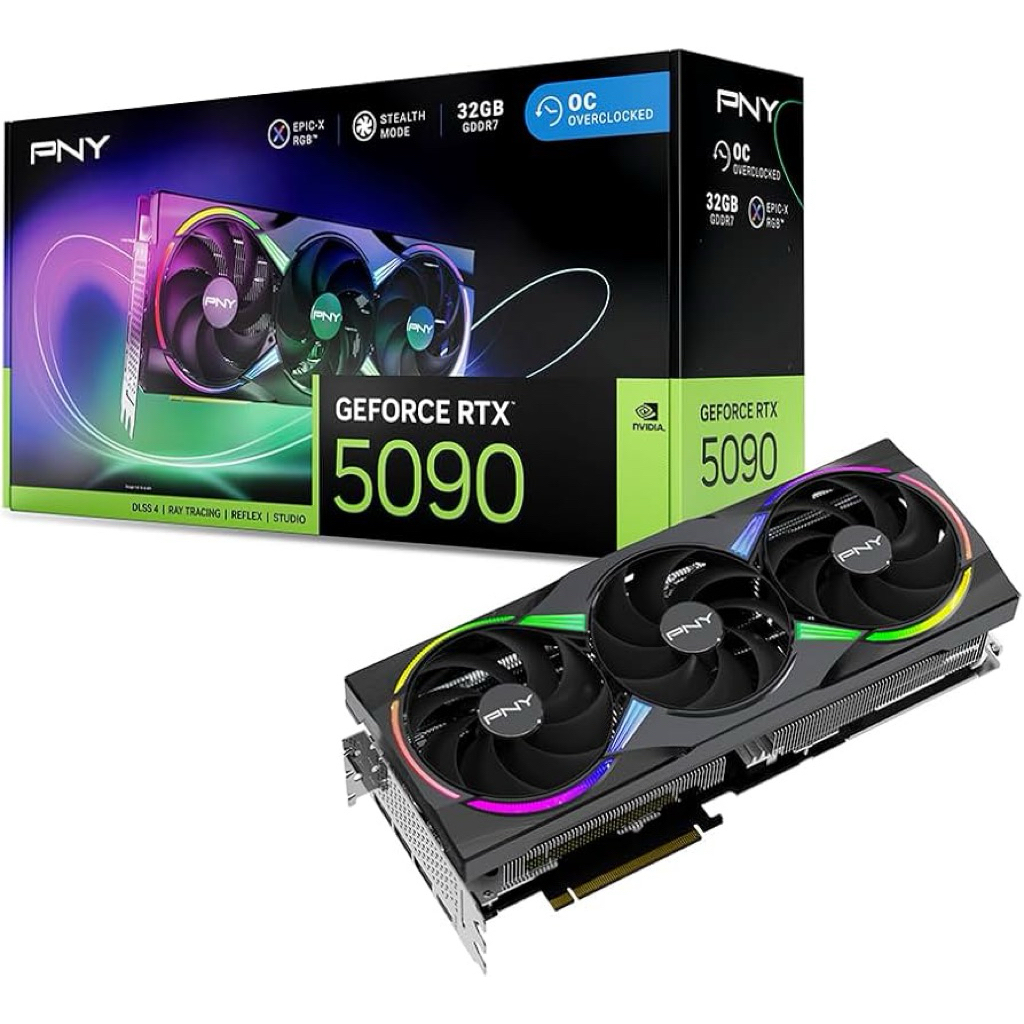
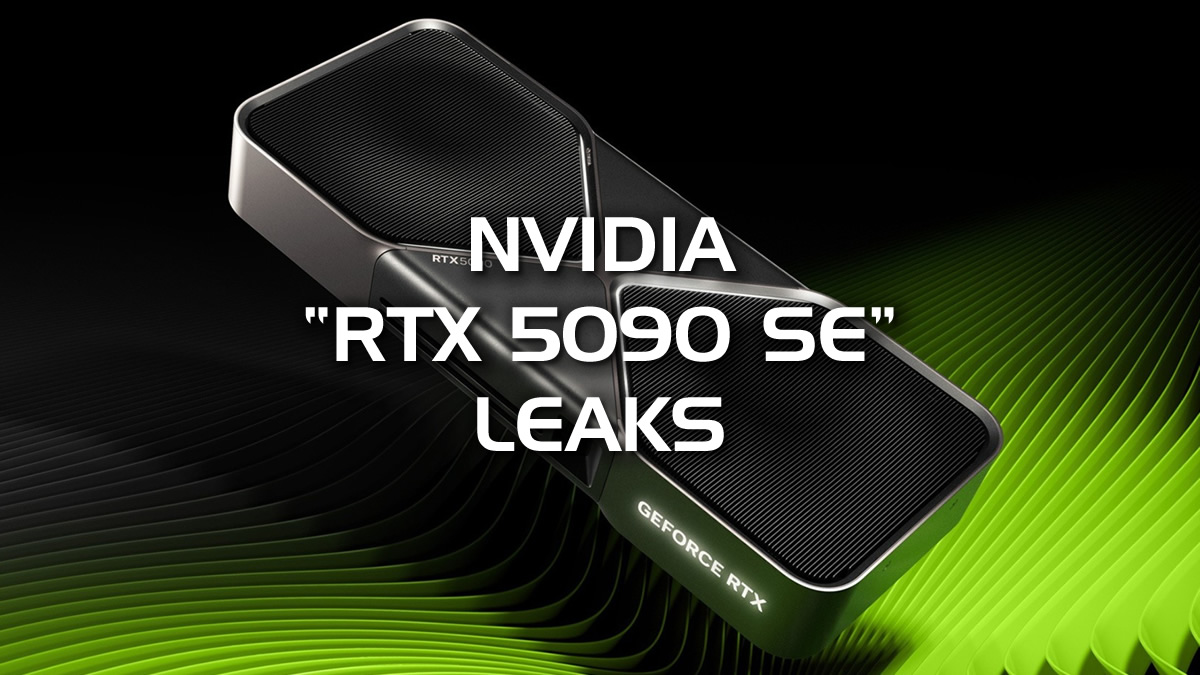
The rumored NVIDIA GeForce RTX 5090 SE is described as a mid-tier Blackwell graphics card based on cut-down GB202 silicon, intended to sit between the RTX 5080 and RTX 5090 with 14,080 CUDA cores, a 384-bit bus, and a huge 32GB GDDR7 framebuffer at around 500W TGP for roughly USD 1,500 (approx. ₱84,000), but its leaked specifications conflict with standard memory configurations and naming logic used in NVIDIA’s past lineups. Recent reports claim NVIDIA “may be preparing another addition to its Blackwell desktop graphics lineup” in the form of this RTX 5090 SE, using the same GB202 chip as the flagship but enabling only 110 of 192 SMs. On paper, a card between RTX 5080 and RTX 5090 makes commercial sense, since there is a big performance and pricing gap the SE is supposed to occupy. The problem: once you look at the memory and branding details, the story stops lining up.
The Specs Problem: 32GB on 384-bit Doesn’t Fit NVIDIA’s Playbook
The headline RTX 5090 SE specs are clear: 110 SMs and 14,080 CUDA cores, 32GB of memory on a 384‑bit bus, and a 500W TGP for around USD 1,500 (approx. ₱84,000).GAMEGPU’s leaked table places it neatly between the RTX 5080 (84 SMs, 10,752 cores, 16GB, 256‑bit, 360W) and RTX 5090 (170 SMs, 21,760 cores, 32GB, 512‑bit, 575W). However, the memory numbers are where the credibility of these GPU rumors starts to collapse. With GDDR7, a 384‑bit interface and uniform module densities, you get 24GB using 2GB devices or 36GB using 3GB devices; there is no clean path to 32GB. Mixing 24Gb and 16Gb GDDR7 devices, as one report suggests, would break NVIDIA’s long-standing preference for symmetrical memory layouts on its top gaming cards and invite uneven performance. That would be a surprising design risk for a halo-adjacent product.
Naming, Segmentation, and the RTX 5080 vs 5090 Gap
Even if the hardware puzzle could be forced together, the branding still looks wrong. The leak calls this card “RTX 5090 SE”, a label that clashes with NVIDIA’s usual product segmentation. The company has a long history of xx80 Ti and SUPER refreshes and has “never created a lower-end RTX xx90 series variant”, which raises the question: why undermine the RTX 5090 name with a cut‑down sibling instead of a straightforward RTX 5080 Ti? According to the leaked lineup, the RTX 5090 SE would use GB202 like the flagship while the RTX 5080 sticks to lower specs at 10,752 CUDA cores and a 256‑bit, 16GB GDDR7 configuration. Yet NVIDIA is also “reportedly building RTX 50 SUPER series GPUs” and preparing an RTX 5080 SUPER with 24GB on a 256‑bit bus. A Ti or SUPER‑branded RTX 5080 variant slots naturally into this structure; a 5090 SE does not.
If the RTX 5090 SE Were Real: Who Would It Actually Serve?
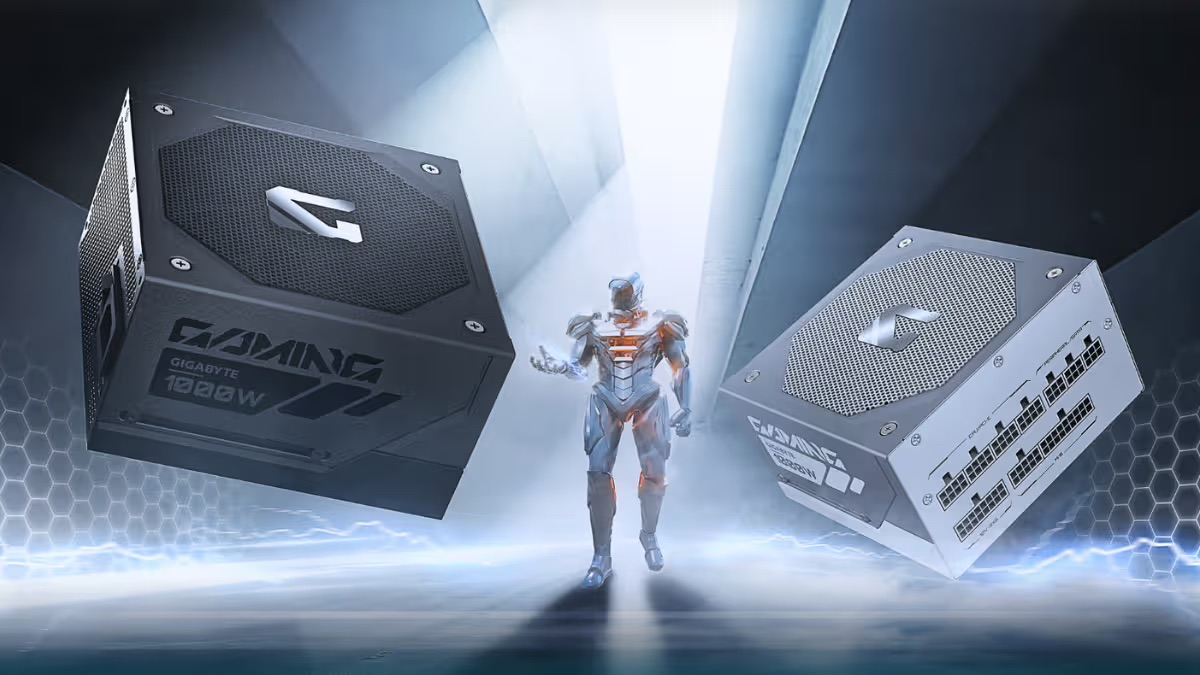
Assuming for a moment the RTX 5090 SE does launch in the form described, it would be a card tailored for a narrow, high-spend slice of the market. It is rumored to start around USD 1,500 (approx. ₱84,000), placing it clearly above the RTX 5080 and below the RTX 5090, “occupying the sizeable performance and pricing gap” between those two Blackwell flagships. With an estimated 500W TGP, buyers would be looking at builds that “require a quality 1000W power supply, particularly when paired with modern high-end desktop processors”. That is enthusiast territory bordering on workstation budgets. For mid-range gamers, such a card would not improve value; it would just add another expensive rung. For high-end buyers, it could become the compromise choice: more sensible than a 575W RTX 5090, but offering less of the no‑compromises feel that the xx90 badge traditionally signals.
What These GPU Rumors Tell Us About NVIDIA’s Real Strategy
When the leaked RTX 5090 SE specs and naming are weighed against NVIDIA’s history, the rumor looks more like a misread of the Blackwell roadmap than a credible product. Both the odd 32GB-on-384-bit memory claim and the SE label “throw this entire rumour into question”, particularly given NVIDIA’s pattern of xx80 Ti and SUPER refreshes that could “fill a big gap in NVIDIA’s lineup” without touching the RTX 5090 brand. The more believable story is that NVIDIA shapes the upper Blackwell stack with a 5080 SUPER and perhaps a Ti-class card, keeping the xx90 tier reserved for one unequivocal flagship. For buyers, the takeaway is clear: treat mid-cycle GPU rumors with skepticism, especially when they contradict established segmentation logic and technical constraints. Until NVIDIA speaks, the RTX 5090 SE is less a leaked product and more a cautionary example of how GPU rumors can stray from reality.