
Bottom Line: Buy the Ryzen 7 7800X3D First
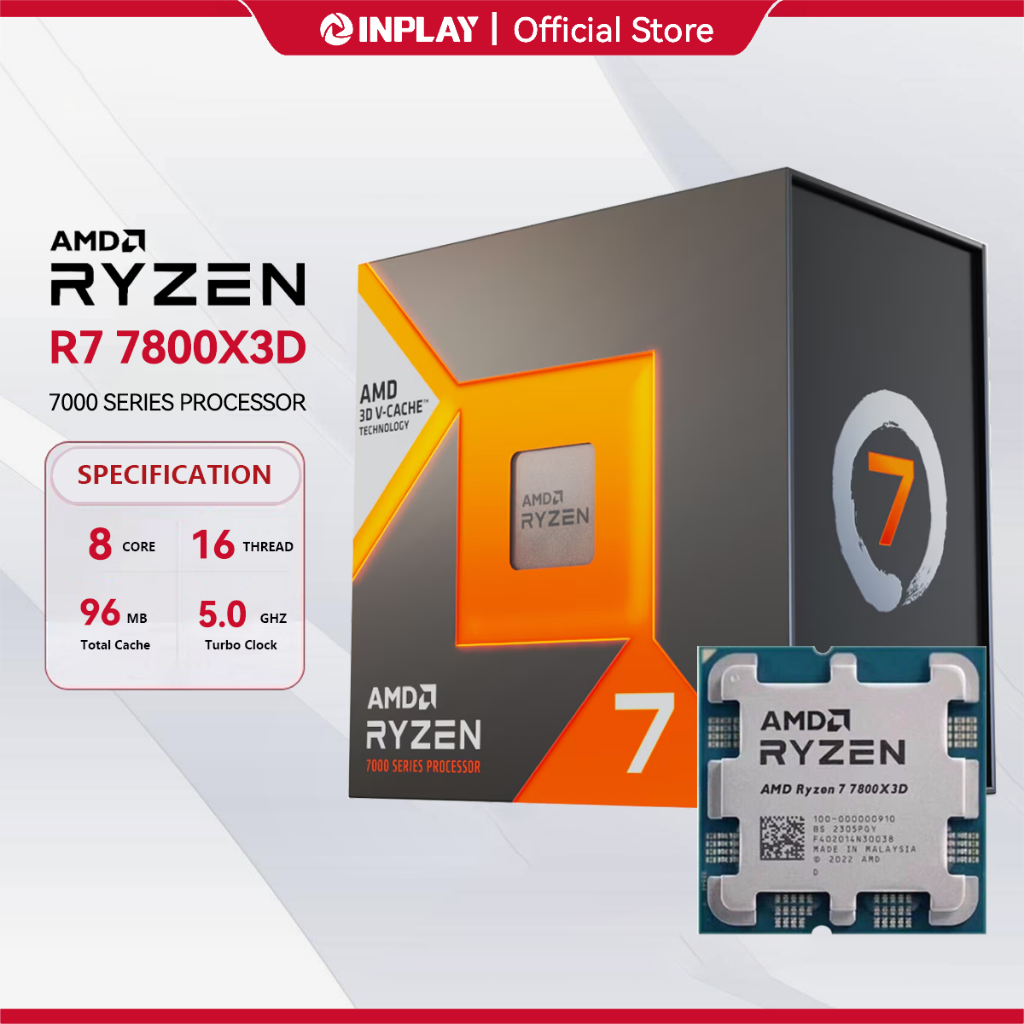
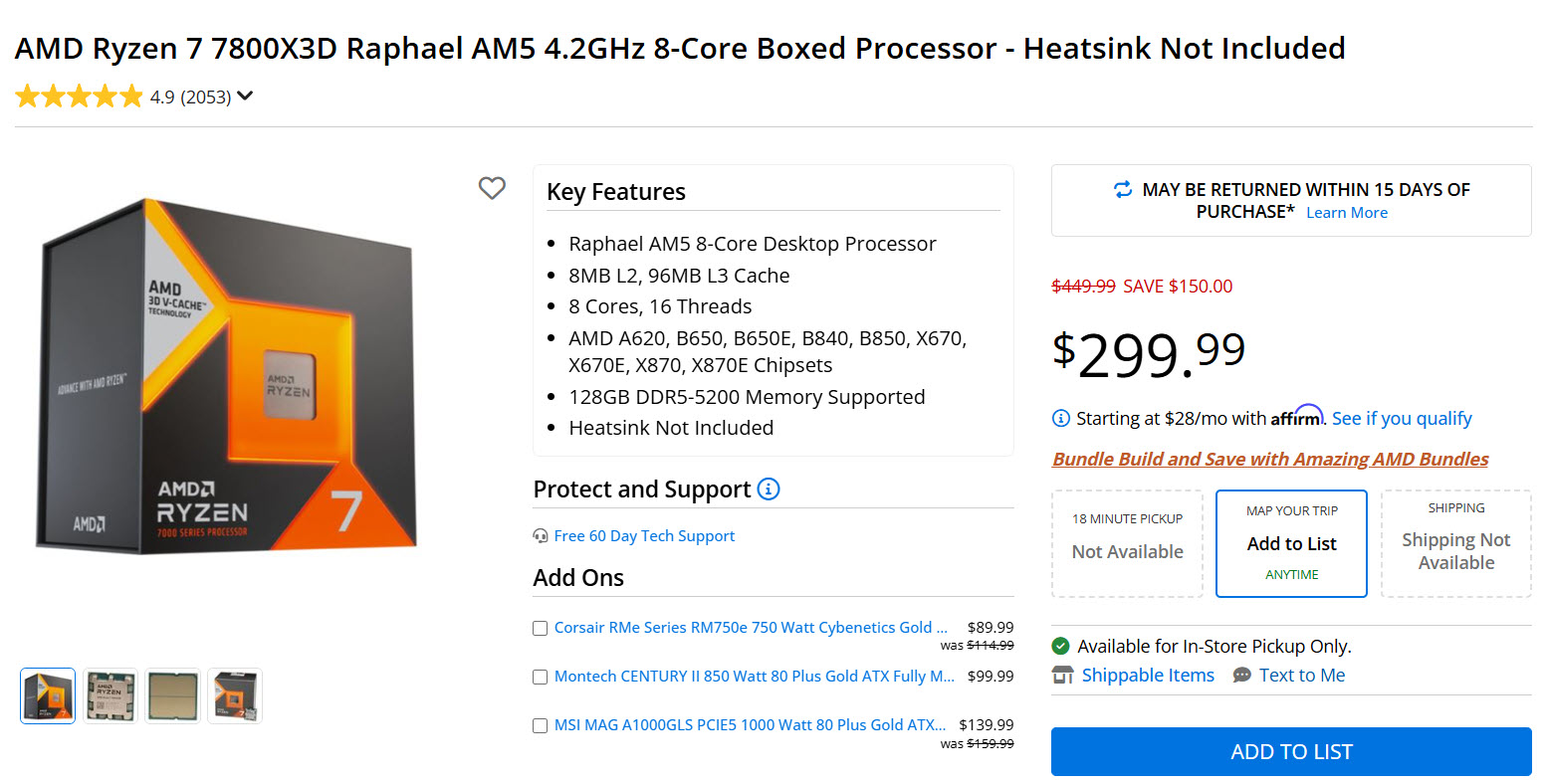
The Ryzen 7 7700X3D and Ryzen 7 7800X3D are eight-core AM5 gaming CPUs that use AMD’s 3D V-Cache technology to stack a 64MB SRAM die on top of a Zen 4 compute chiplet, creating a 96MB L3 cache that delivers higher frame rates by keeping game data close to the cores. With today’s pricing, the right choice for most PC builders is straightforward: buy the Ryzen 7 7800X3D. It is now available at USD 299 (approx. ₱16,700), which undercuts the newly launched Ryzen 7 7700X3D at USD 329 (approx. ₱18,400) while offering higher boost clocks and the more advanced second‑generation 3D V‑Cache design. Both chips deliver outstanding gaming performance, but the cheaper and faster 7800X3D is the best X3D CPU value on the AM5 socket right now.
Specs and Architecture: 7800X3D vs 7700X3D
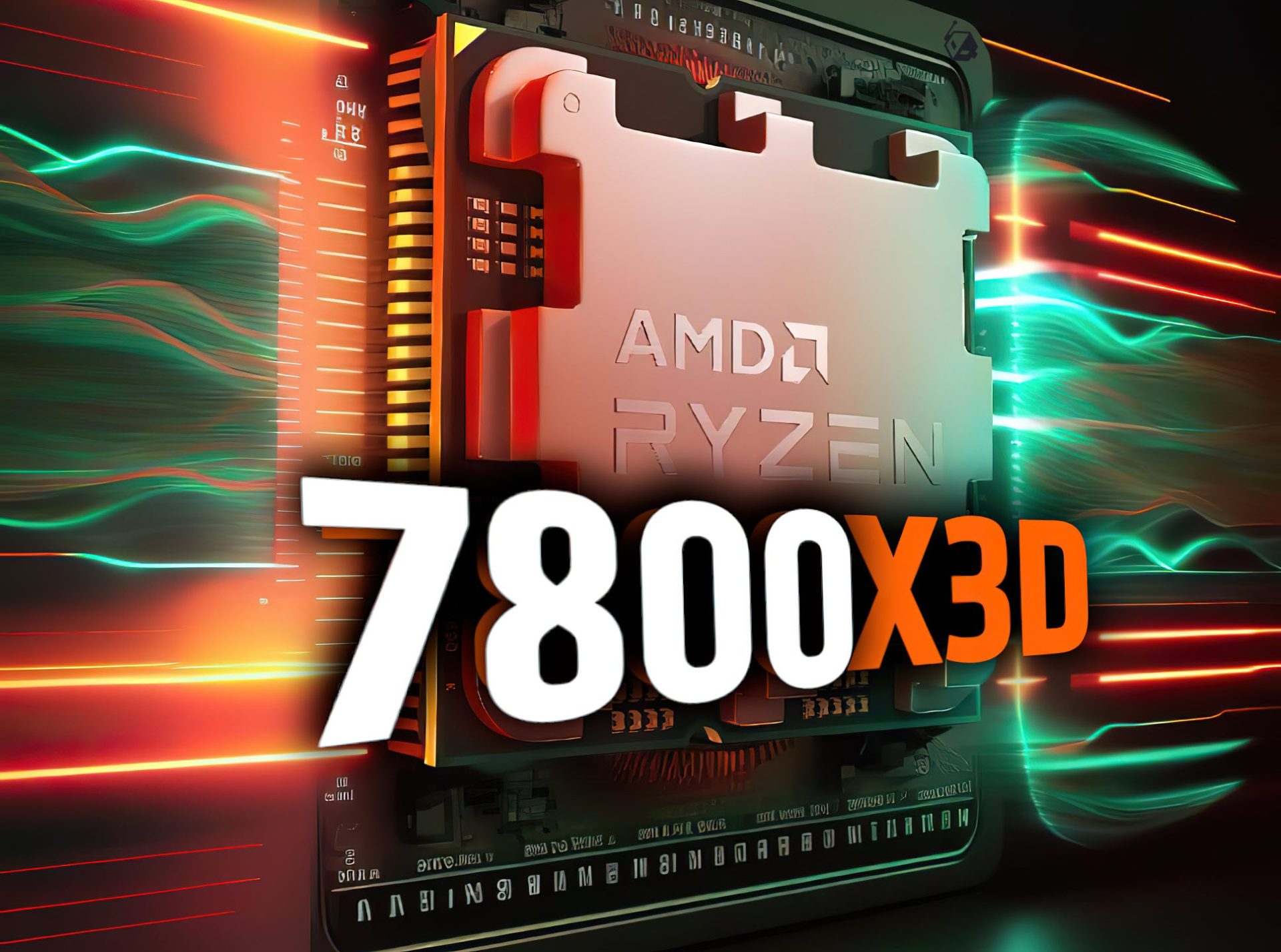
On paper, the 7800X3D and 7700X3D look nearly identical: both are eight‑core, 16‑thread Zen 4 processors for Socket AM5 with a 120W TDP and a total of 96MB of stacked L3 cache (104MB including L2). The difference lies in binning and V‑Cache generation. The 7800X3D uses second‑generation 3D V‑Cache, the same design found in newer Ryzen 9000X3D chips, and runs at 4.2 GHz base and 5.0 GHz boost. The 7700X3D is a lower‑binned sibling: it shares the same cache capacity but is limited to 4.0 GHz base and 4.5 GHz boost by first‑generation stacking thermals. Analysts expect that 500 MHz boost gap to translate into roughly a 5% average gaming difference in favor of the 7800X3D, while both still outperform higher‑clocked non‑X3D CPUs because cache hit rate matters more than raw frequency in modern games.
| Spec | Ryzen 7 7700X3D | Ryzen 7 7800X3D |
|---|---|---|
| Architecture | Zen 4 | Zen 4 with 2nd Gen 3D V-Cache |
| Cores / Threads | 8 / 16 | 8 / 16 |
| Base / Boost Clock | 4.0 / 4.5 GHz | 4.2 / 5.0 GHz |
| Total L3 Cache | 96MB stacked (104MB incl. L2) | 96MB L3 + 8MB L2 |
| TDP | 120W | 120W |
| Current Price | USD 329 (approx. ₱18,400) | USD 299 (approx. ₱16,700) |
Gaming Performance and X3D CPU Value
3D V‑Cache is the main reason these AM5 gaming CPUs are so attractive. AMD stacks an extra 64MB SRAM die on each compute chiplet using a copper‑to‑copper hybrid bonding process, merging it with the existing 32MB L3 to form a single 96MB cache pool. This on‑die L3 sits at roughly 49 cycles of latency, compared to about 354 cycles for DDR5 memory, so when a game’s working set fits inside that cache, the CPU avoids slow trips to system RAM. Third‑party tests consistently show X3D chips 15–25% ahead of comparable Intel processors in gaming frame rates, with up to a 30% lead in large simulation and strategy titles. That makes today’s Ryzen 7 7800X3D price a standout: it was already considered one of the best X3D CPU values around USD 349 (approx. ₱19,500), and dropping to USD 299 (approx. ₱16,700) pushes its price‑to‑performance ratio even higher.
Platform Costs and Who Each CPU Is For
AM5 brings long‑term platform support and plenty of affordable boards, with options ranging from sub‑USD 100 (approx. ₱5,600) B650s to sub‑USD 200 (approx. ₱11,200) X870 models. However, DDR5 is the real budget constraint: a 32GB DDR5‑6000 kit that was under USD 100 (approx. ₱5,600) in early 2025 now sells for around USD 390–440 (approx. ₱21,800–24,600), and AMD expects high prices to persist because AI data centers are pulling capacity away from consumer DRAM. The good news is that X3D chips are far less sensitive to memory speed; builders do not need ultra‑high‑frequency DDR5 to reach gaming potential, which saves money in practice. For new mid‑range AM5 systems, the 7800X3D is the obvious choice: it is faster and cheaper. For existing AM5 users on non‑X3D Ryzen 7000, a USD 299 (approx. ₱16,700) 7800X3D drop‑in upgrade is a strong way to unlock top‑tier gaming without changing boards or RAM.
Buy if / Skip if
- Buy the Ryzen 7 7800X3D if you want the best X3D CPU value on AM5, with higher boost clocks at the lower USD 299 (approx. ₱16,700) price.
- Skip the Ryzen 7 7800X3D if your workloads are mostly heavy productivity or content creation, where non‑X3D or competing CPUs with higher application throughput may suit you better.
- Buy the Ryzen 7 7700X3D if you find it discounted close to or below the 7800X3D price and still want eight‑core X3D gaming performance with the same 96MB L3 cache.
- Skip the Ryzen 7 7700X3D if the 7800X3D remains cheaper in your area, because you would be paying more for a slightly slower first‑generation V‑Cache chip.
- Buy the Ryzen 7 7800X3D if you already own an AM5 board and DDR5 memory, and want a drop‑in upgrade that can outperform higher‑clocked non‑X3D parts in games.
- Skip the Ryzen 7 7700X3D if you plan to push clocks or overclock, since first‑generation X3D designs lock multipliers and top out at 4.5 GHz boost.