
CXMT DDR5 Compatibility: BIOS, Not Silicon, Is the Real Breakthrough
CXMT DDR5 compatibility now refers to motherboard BIOSes that are specially tuned to recognize CXMT DRAM characteristics, train memory correctly, and hold stable overclocks beyond 8000 MT/s on both Intel 800-series and AMD 600/800-series platforms. In practice, this means dedicated firmware updates, verified timing tables, and stress‑tested profiles that turn what used to be fragile high‑frequency experiments into repeatable configurations for everyday users and overclockers. The headline story is blunt: CXMT DDR5 performance stopped being a silicon problem and became a firmware success. MSI’s Intel 800‑series boards are “fully optimized” for CXMT DDR5 after targeted memory training and timing work, with Z890 motherboards now delivering stable DDR5‑8000+ operation across 2‑DIMM overclocking designs and mainstream 4‑DIMM layouts. On the AMD side, several 600 and 800 series boards from another major vendor have received a new Beta BIOS that explicitly promises “enhanced memory performance, system stability, and compatibility with CXMT memory chips” on X670 and X870 models. If you care about memory overclocking stability, firmware has become the gatekeeper, not the brand printed on your DIMMs.
Intel 800-Series: MSI Turns CXMT into a Real 8000+ MT/s Option
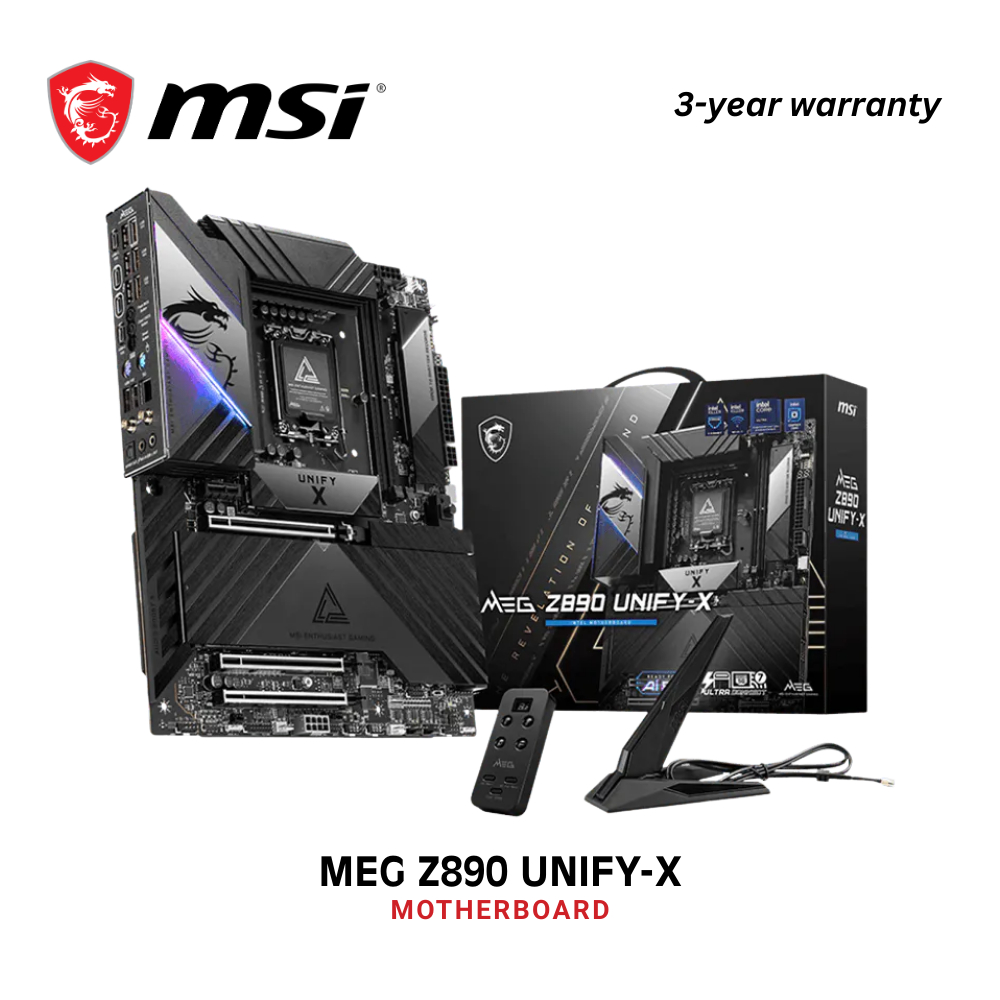
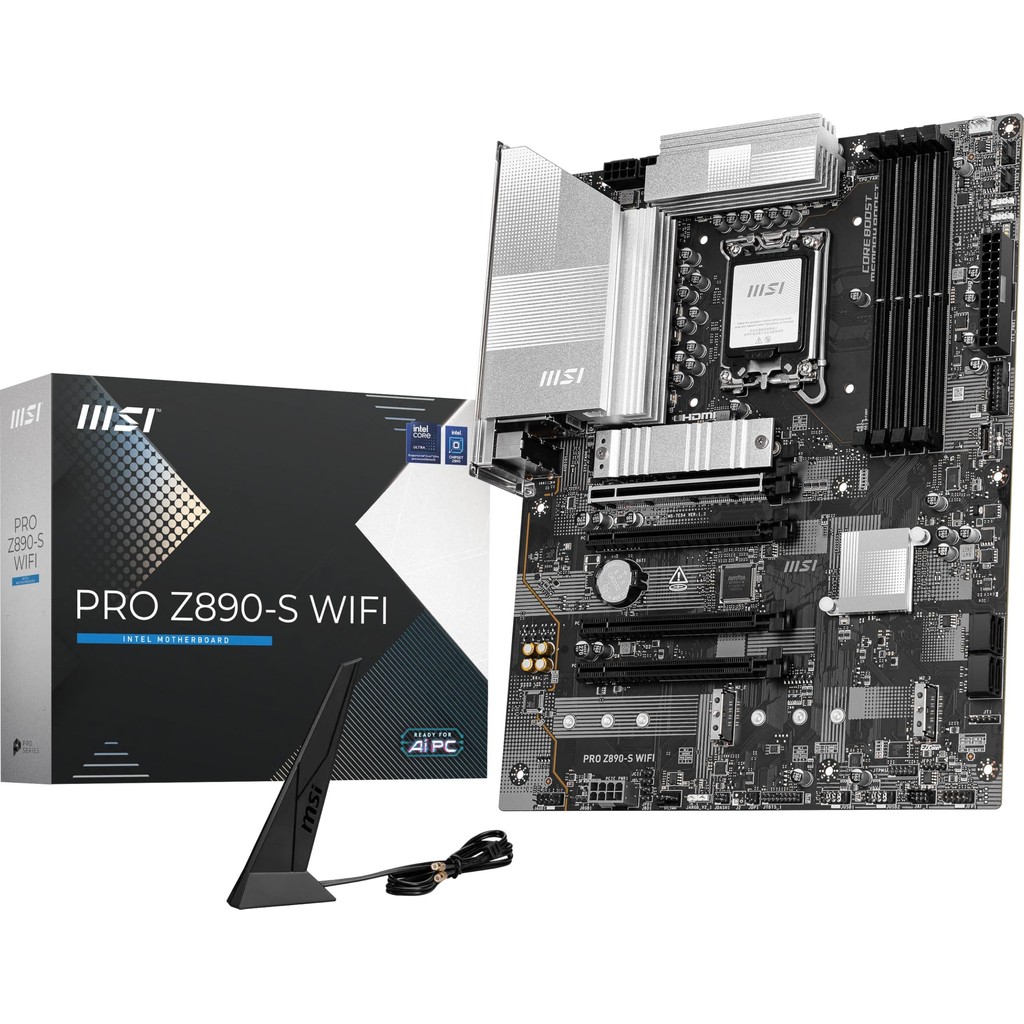
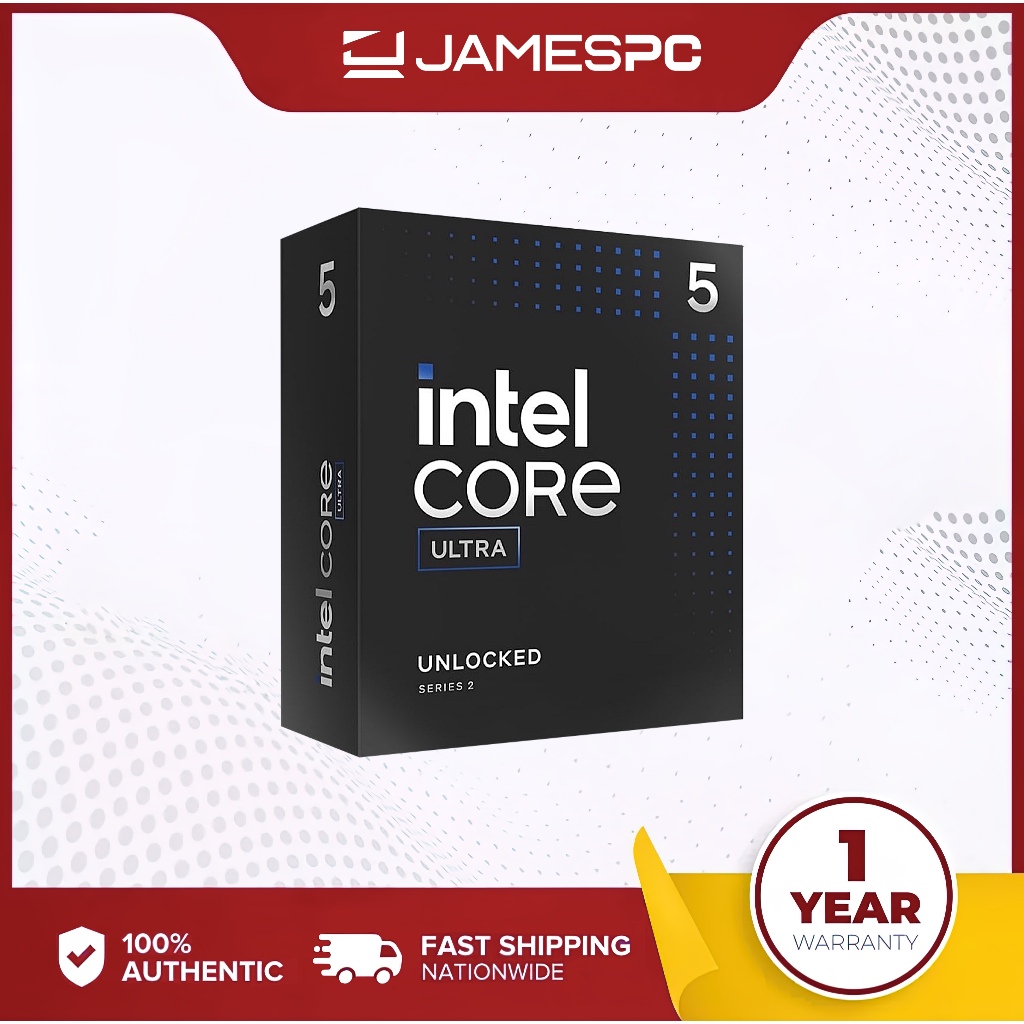
On Intel’s 800‑series platform, MSI has forced a turning point: CXMT DDR5 is no longer a second‑class citizen for high‑frequency builds. The company states that its Intel 800‑series motherboards are now fully optimized for CXMT DRAM, following dedicated BIOS memory tuning. That tuning is not marketing fluff—it is visible in concrete, verified configurations. The MEG Z890 UNIFY‑X (a 2‑DIMM design) pushed a 48 GB CXMT-based setup to DDR5‑8600 with 46‑56‑56‑134 timings on an Intel Core Ultra 5 245K, passing MemTest beyond 100% coverage with continued stable operation. The more demanding PRO Z890‑S WIFI 4‑DIMM board still held DDR5‑8200 at 44‑56‑56‑132 using dual 16 GB modules, again exceeding 100% MemTest coverage. Those are not cherry‑picked lab screenshots; they show that DDR5 8000 MT/s support with CXMT is achievable on mainstream layouts when BIOS understands how to train these ICs. Folding these optimizations into MSI’s “MEMORY TRY IT” one‑click profiles means regular users can now approach 8000+ MT/s without manually juggling subtimings or voltages.
AMD 600/800: Beta BIOS Pushes CXMT Beyond the Old 6000 MT/s Wall
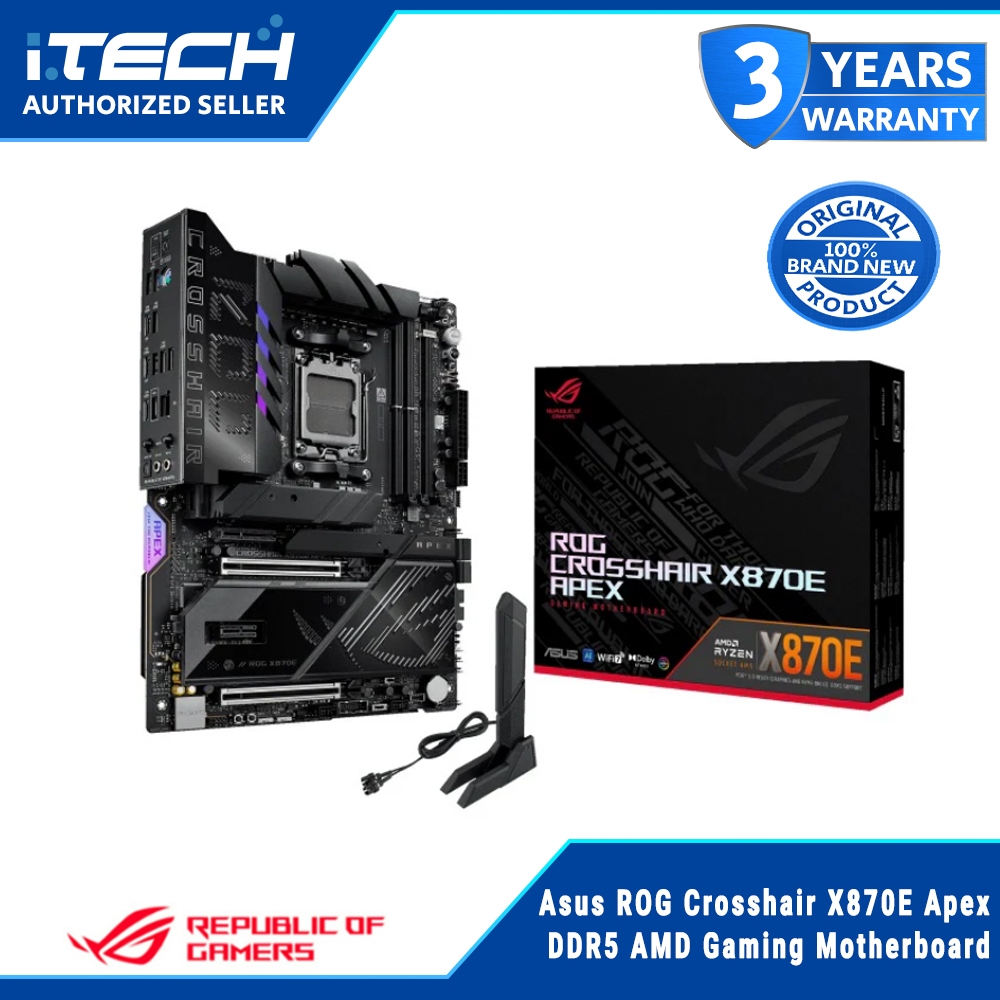
If Intel’s story is about polishing CXMT support, AMD’s is about breaking a long‑standing ceiling. CXMT‑based DDR5 used to be effectively capped around 6000 MT/s on many AMD boards; now several vendors are demonstrably pushing these modules well beyond 8000 MT/s. One vendor has already shown CXMT DDR5 hitting 8400 MT/s on a B850 motherboard, a clear indication that the memory controller and DIMMs were never the whole problem. The most meaningful change is the rollout of a global Beta BIOS for multiple AMD 600 and 800‑series motherboards. For X670 and X870 models, update notes explicitly call out “enhanced memory performance, system stability, and compatibility with CXMT memory chips”. A separate beta release—BIOS 2402 for an ROG Crosshair X870E Apex—goes further, targeting improved CXMT compatibility, memory performance, and stability for high‑frequency testing. According to one overclocker’s verification shared through a hardware outlet, a 48 GB KingBank kit using CXMT’s 24 Gb dies reached roughly 8619 MT/s (DDR5‑8600 class) with 44‑56‑56‑126 timings and completed RunMemtestPro with an average coverage of 110.19% in about 58 minutes. That suggests that, once BIOS support matures, CXMT DDR5 is entirely capable of living in the 8000+ MT/s class on AMD as well.

Batch Variance: Why One 8600 MT/s Result Doesn’t Guarantee Your Kit Will Match It
The uncomfortable truth is that CXMT DDR5’s headline clocks hide a messy reality: batch‑to‑batch variance is significant enough that you cannot assume your kit will mirror an overclocker’s screenshots. SafeDisk, who shared the 8600 MT/s AMD result, explicitly assessed silicon variance between lots as “significant,” noting that gains become harder even as voltage rises and that tightening timings is difficult. In other words, the path from 6000 to 8600 MT/s is neither smooth nor universal. One report warns that “even if a single kit reaches 8600 MT/s for record purposes, that doesn’t mean a user who buys the same model number will be able to use the same settings”, and that this is not yet the stage to buy a DDR5‑6000 CL36 kit expecting it can be pushed to 8600 MT/s. If the right settings vary widely per lot and scaling stalls despite more voltage, module vendors will be forced either to bin more aggressively or publish more conservative profiles. For real‑world buyers, that means trusting EXPO/XMP and the motherboard’s QVL first, then treating any frequency beyond the printed profile as a bonus, not a promise.
From Records to Reality: How Firmware Updates Turn CXMT into a Viable Alternative
CXMT DDR5 is still catching up to the big three DRAM suppliers in latency and consistency, but motherboard makers are narrowing that gap with steady firmware work instead of waiting on new silicon. CXMT itself notes that its DDR5 line includes 16 Gb and 24 Gb variants and that the maximum data rate of its chips exceeds 8000 Mbps. On top of that raw capability, multiple vendors have layered BIOS adjustments that focus on memory training, timing tables, and stability under stress. That is why we are now seeing repeatable DDR5‑8000+ CXMT results on Intel 800‑series, validated across both 2‑DIMM and 4‑DIMM boards, and why AMD boards are moving beyond the old 6000 MT/s limit with beta firmware. What users can rely on today are the EXPO or XMP profiles printed on the product and the QVL published by motherboard vendors. Everything above that is tiered: first, vendor‑tested profiles like MSI’s MEMORY TRY IT; second, community‑proven settings; last, personal experimentation. The payoff matters beyond benchmarks: if more PC‑oriented DRAM suppliers reach usable maturity, dependence on the big three manufacturers can be reduced. CXMT DDR5 doesn’t win every latency chart yet, but thanks to careful BIOS updates it has crossed the line from curiosity to credible choice for high‑frequency builds—provided you respect the limits of your particular batch.