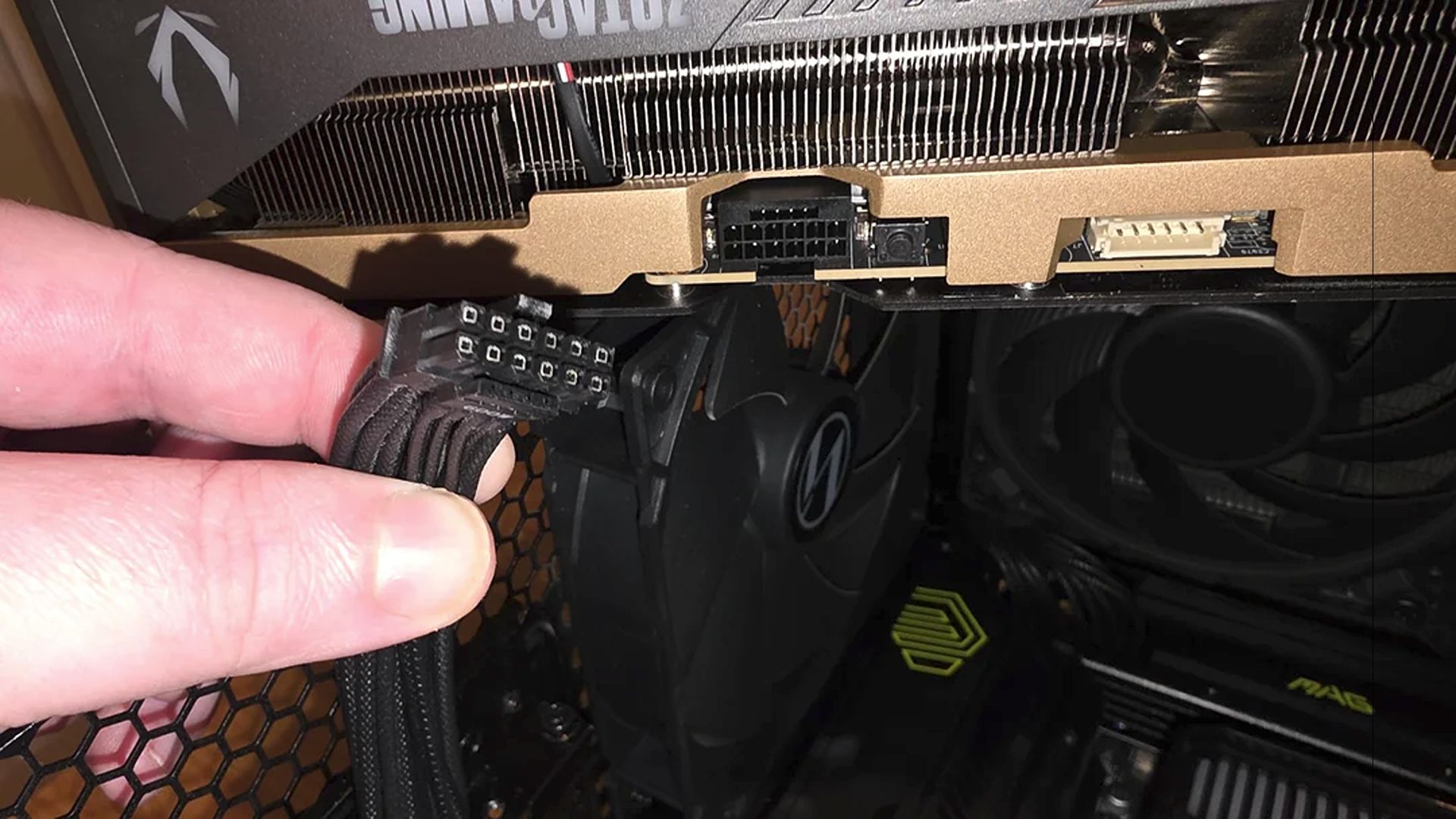

GPU Power Connector Safety: From Melting Nightmares to Managed Risk
GPU power connector safety refers to the design, monitoring, and handling practices that prevent overheating, melting, and electrical failure in modern graphics card power cables and sockets, especially with high-wattage cards using compact multi-pin connectors that push enormous current through a small physical interface.
The key takeaway is blunt: the era of ignoring the power supply is over. Expensive GPUs and fragile high-current connectors mean power delivery is now as critical as the graphics card itself. Ever since boards moved to the 12VHPWR (12V-2×6) standard, stories of connectors melting and killing GPUs have become a recurring horror for enthusiasts. This is not a freak edge case; it is a systemic weak point of modern PC design. The good news is that power supplies are finally catching up, baking intelligence and connector-aware safeguards directly into the unit. If you still treat the PSU as an afterthought, you are gambling with your entire build rather than managing a known, solvable risk.
Why 12VHPWR Cable Overheating Forced a Rethink
12VHPWR cable overheating was not a one-off defect; it exposed how fragile high-density power delivery can be when users, cables, and connectors are all pushed to their limits. The 12V-2×6 design promised cleaner cabling and more power in a smaller footprint, but in practice it produced a pattern of melting incidents that rattled the community. Loose connections, partial insertion, and high load turned a neat engineering solution into a literal failure point at the heart of the system.
Connector redesigns and color-coded plugs are welcome, but they are band-aids if the system still relies on blind faith that everything is seated perfectly. Manufacturers have responded with visual cues that help confirm a fully plugged-in 12V-2×6 lead, including color-coded connectors to guarantee they are fully inserted before the system is powered on. Quote-worthy or not, the uncomfortable truth is that the connector standard itself demands near-perfect user behavior under high current. Without smarter detection and intervention, every build becomes a silent stress test of whether that standard was a good idea in the first place.
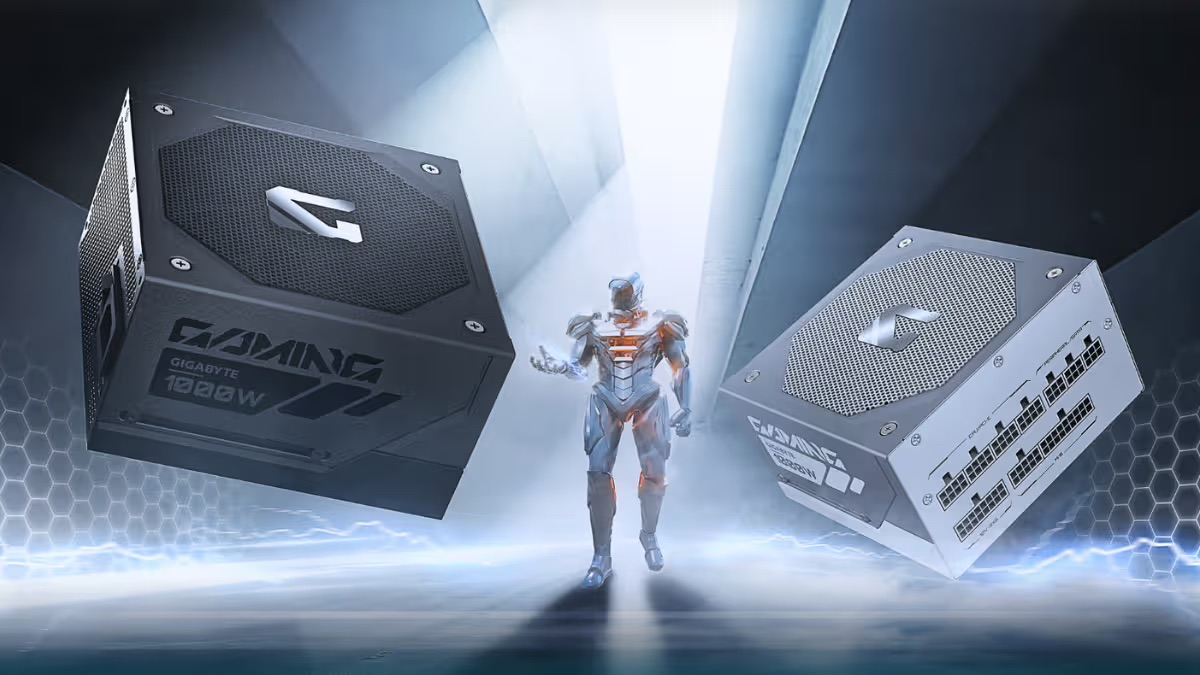
PSU T-Guard Technology and Intelligent Power Delivery
The most encouraging change is that modern PSUs are no longer passive bricks; they are watchdogs for graphics card power delivery. GIGABYTE’s T-Guard technology is a clear example: it actively monitors the temperature of the GPU power connector with built-in sensors and steps in before overheating can turn into melting. Instead of sitting idly until failure, the unit constantly checks for abnormal heat caused by loose cables or excessive electrical load and immediately begins protecting the hardware when it sees trouble.
This matters because it shifts the system from post-mortem to prevention. Rather than cutting power to the entire PC, the PSU intelligently reduces power only to the graphics card so the rest of the system keeps running and the user can save work before shutting down. Combined with real-time temperature monitoring, automatic GPU power limiting, and the ability to keep the machine alive long enough to respond, T-Guard offers three layers of protection against connector failures. And it is not alone: power supply brands now provide layers of protection via digital monitoring, while cooling specialists offer tools to track voltage and temperatures directly at the plug. The new baseline should be simple: if your PSU has no awareness of what your GPU connector is doing, it is behind the times.
The RTX 5090 Incident: When Safety Isn’t Only About Cables
If you need a reminder that power disasters are not theoretical, look at the recent RTX 5090 incident. A high-end card ran fine for about a year before the PC suddenly shut down mid-game with a loud pop and a cloud of smoke. The owner immediately checked the notorious 16-pin connector, only to find it pristine. The damage was instead concentrated around the PCIe interface, with burn marks on the gold finger tail hinting at a short circuit near capacitor arrays and possible PCB cracking.
That failure underlines a harsh point: even if GPU power connector safety improves, the surrounding hardware can still be the fuse. Heavy flagship cards impose constant mechanical stress on the PCIe slot, and over time, GPU sag can help create microscopic cracks that later fail under high current. Proper anti-sag support, careful seating, and good case handling are therefore part of graphics card power delivery safety, not optional cosmetics. As one report concludes, keeping your power cables secure is only half the battle; ensuring the card is supported, maintained, and cooled is just as critical. Safety is an ecosystem problem, and every weak link—from connector to PCB—can be the one that goes up in smoke.
What PC Builders Should Do Differently Now
The practical message for PC enthusiasts is clear: stop treating power delivery as invisible infrastructure and start treating it as a primary design decision. Investing in a quality PSU with active safety monitoring is no longer a luxury; it is a sensible way to mitigate risks tied to 12VHPWR cable overheating and connector fragility. Look for features like real-time connector temperature monitoring, digital alerts, and GPU-specific power limiting, rather than focusing only on wattage or aesthetics.
At the same time, your build habits must catch up with the hardware. Use color-coded or clearly marked 12V-2×6 cables and confirm they are fully inserted before powering on. Route cables to avoid strain on the connector, add anti-sag brackets to heavy cards, and treat the PCIe slot as a fragile high-current interface, not a rigid anchor. And remember: graphics card power delivery safety extends beyond the cable. Ensuring the GPU is supported, cooled, and inspected after transport is part of protecting your investment. The conclusion is straightforward—if you respect power delivery as much as frame rates, new PSU technology and smarter connectors can turn a risky standard into a manageable reality.