
Old CPUs Are Still Good — And Often the Smarter Choice
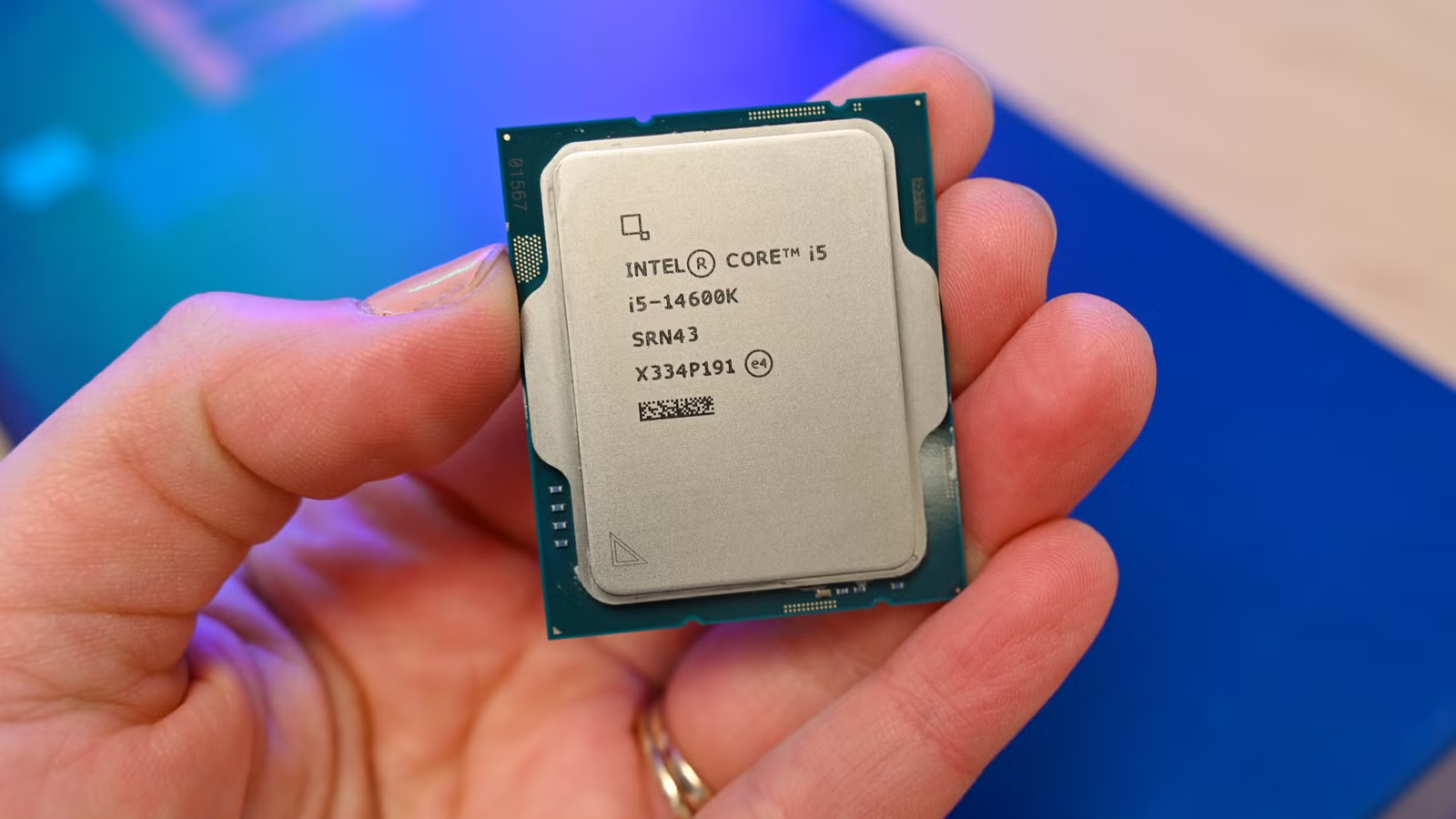
Old CPUs are still good when their core counts, single-core speed, and platform features match modern gaming and work demands, delivering strong CPU value in 2026 without forcing users onto expensive, unnecessary upgrades that barely change real-world performance for typical 1080p and 1440p workloads. Many desktop processors are written off as obsolete long before they stop being useful, even though they continue to handle mainstream gaming and productivity tasks well. Buying an old CPU for work or gaming can make a lot of sense if you are on a tight budget, as long as you understand its limits and accept that raw performance is not the only metric that matters. The hard truth: most people chasing a brand‑new flagship chip are paying for extra frames and benchmark scores they will never notice in daily use.
Gaming CPU Performance: Aging Chips Still Deliver High FPS
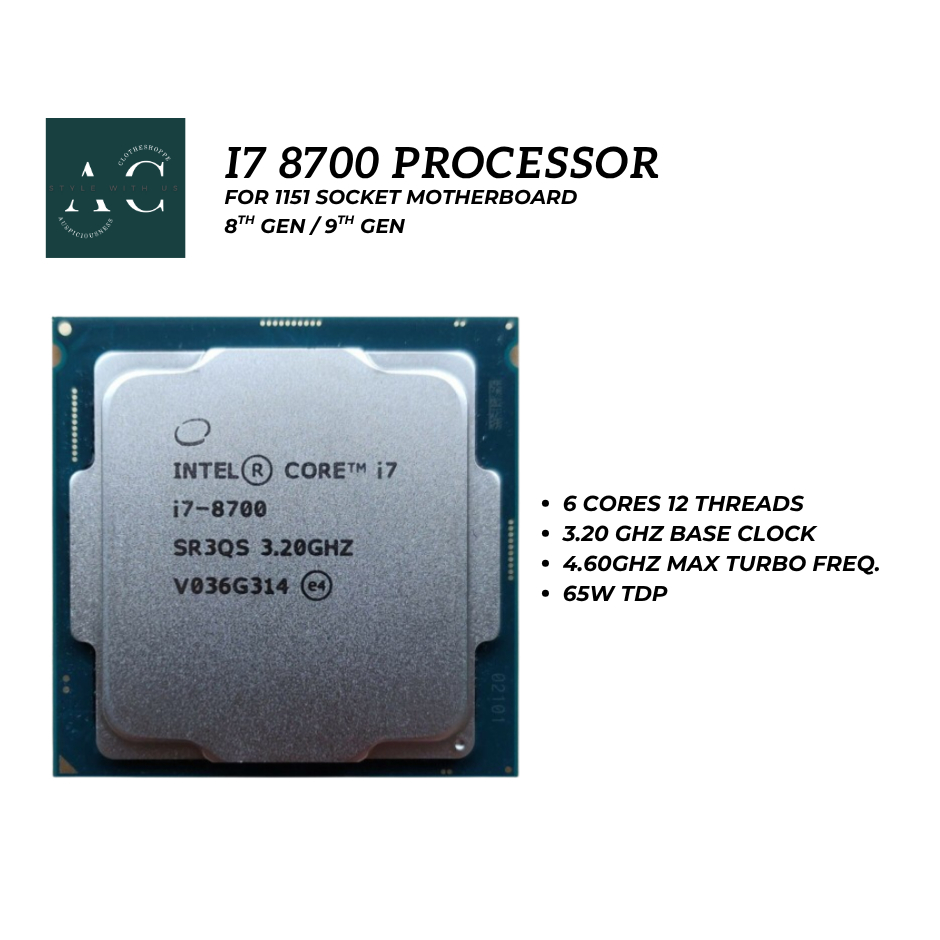
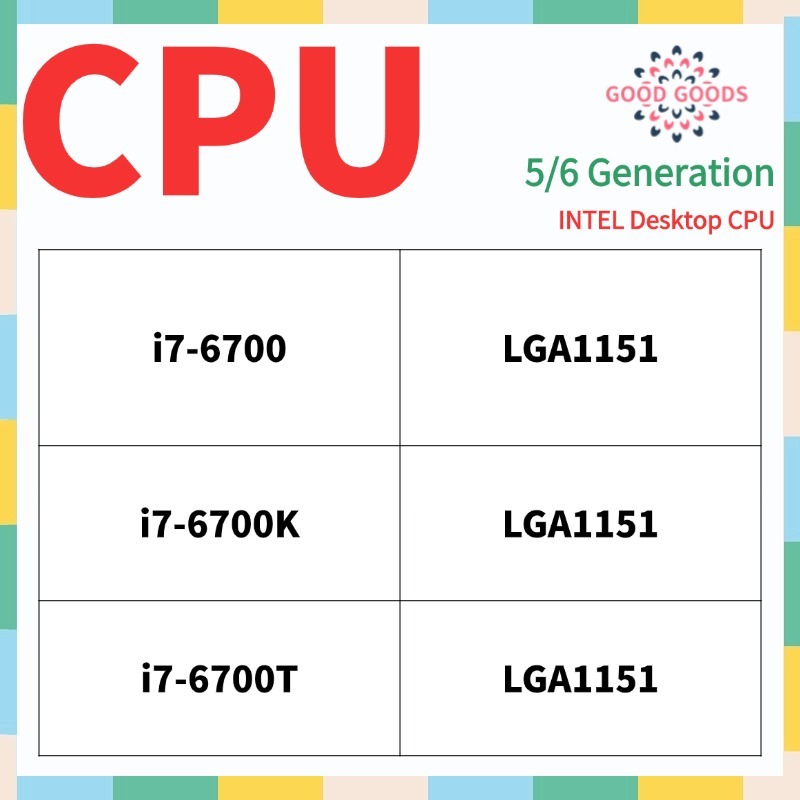
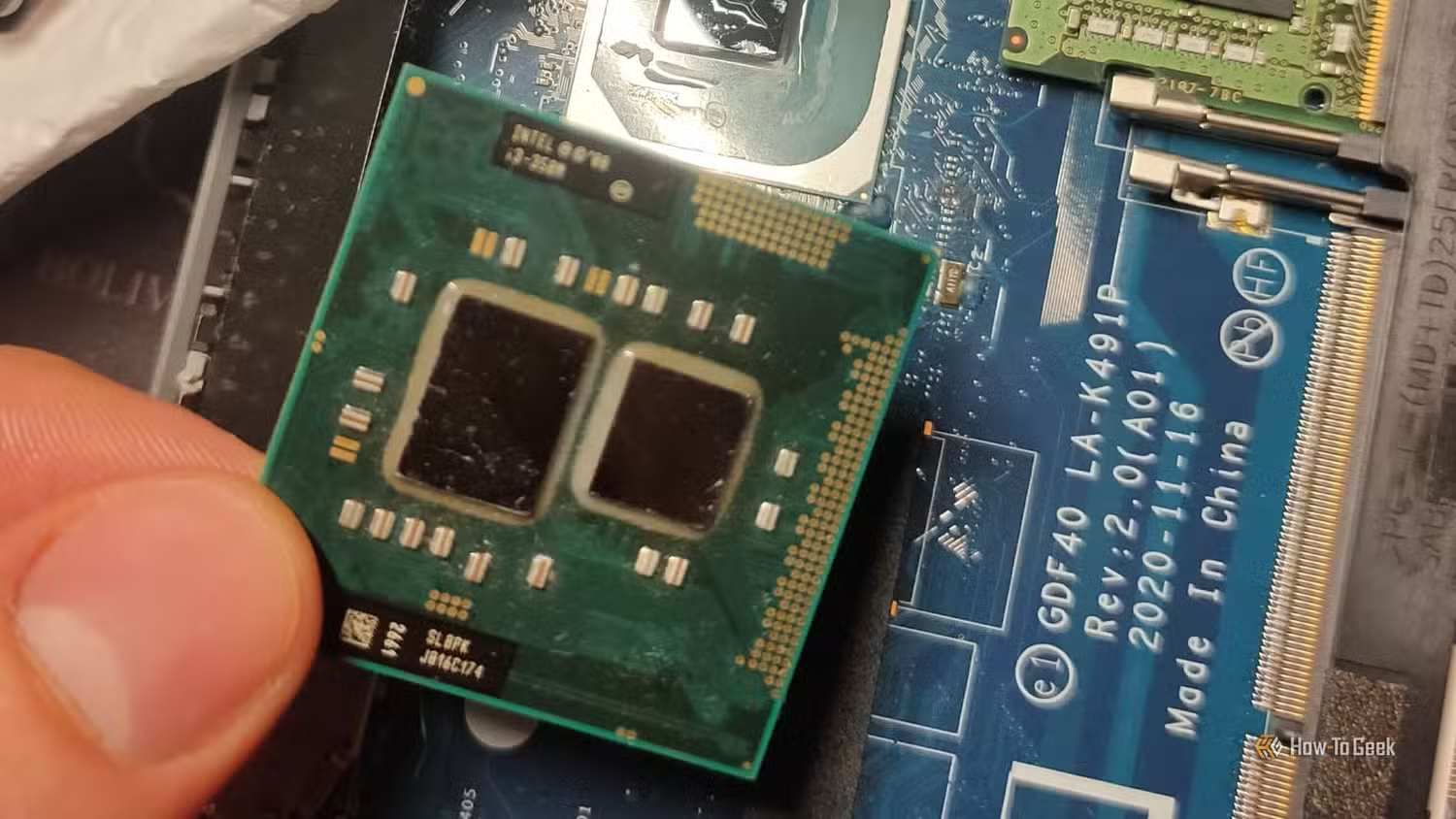
If you care about gaming CPU performance, older chips are far better than their reputation suggests. A Coffee Lake i7-8700K paired with an RTX 4090 at 1080p can average 63 FPS in Dragon's Dogma 2, 88 FPS in Starfield, and 69 FPS in Baldur's Gate 3, while hitting 239 FPS in F1 24 and 393 FPS in Rainbow Six Siege. That is not "barely playable"; that is high-refresh performance in popular titles on an eight‑year‑old architecture. Even older parts like the i7-6700K reach 299 FPS in Valorant at 1440p max settings and 211 FPS in Counter-Strike 2 at 1440p low, plus 58 FPS in Starfield and 98 FPS in Cyberpunk 2077 at 1080p medium. In plain terms, you are not locked out of current games by staying on last‑gen silicon; you are often well within the sweet spot for smooth play.
Budget CPU Picks and the Reality of CPU Value in 2026
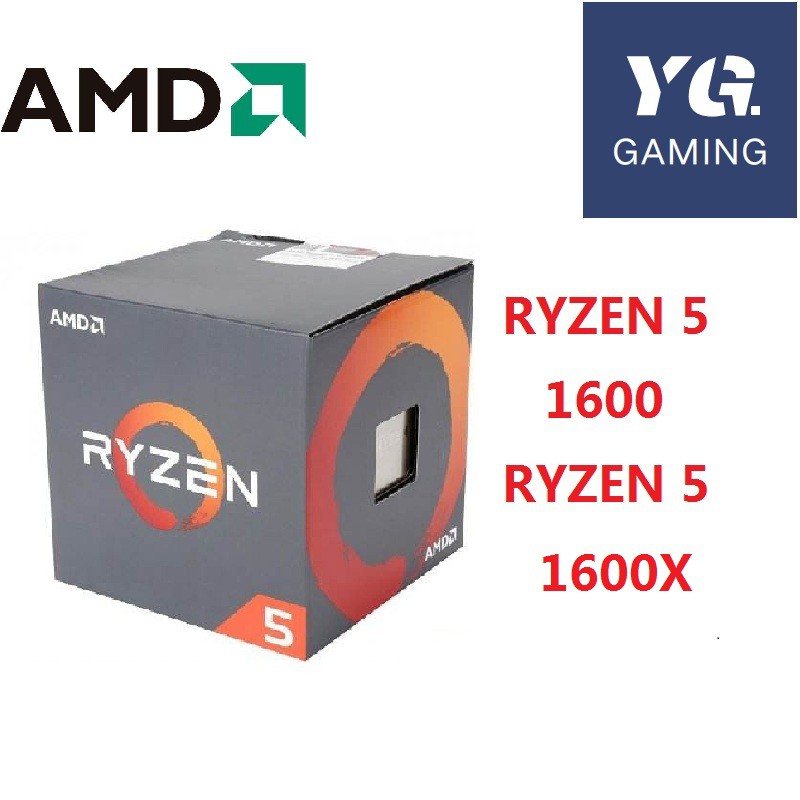
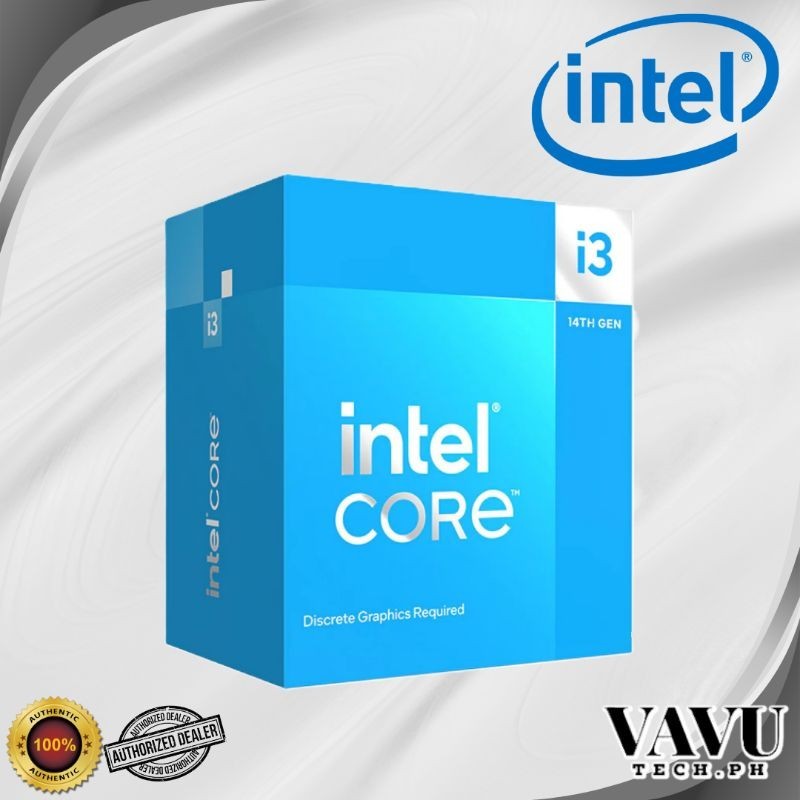
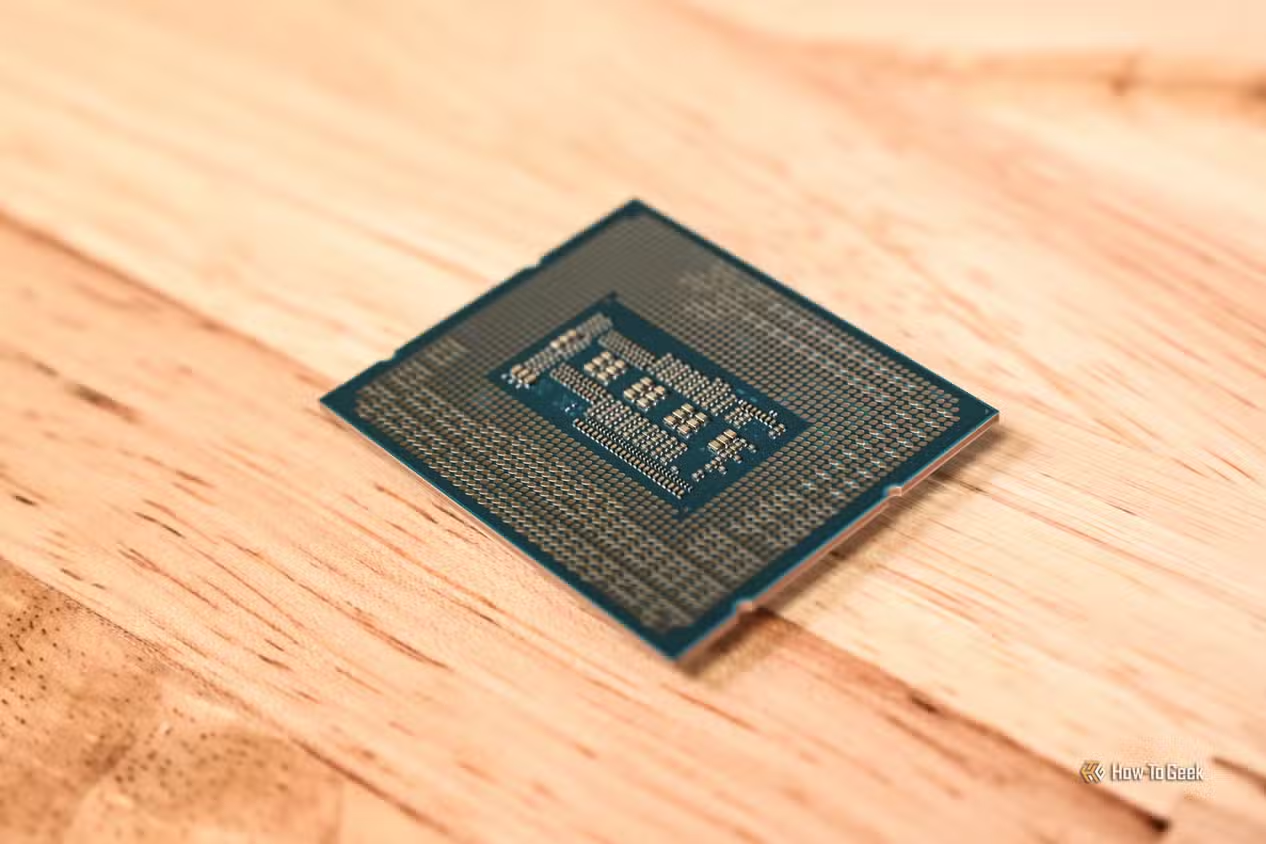
The used market proves CPU value in 2026 is about matching needs, not chasing specs. There are processors that cost less than a fast‑food meal yet still offer playable performance. One example is a Ryzen 5 1600, now about nine years old and described as "practically worthless" on the used market, with listings between USD 20 (approx. ₱1,120) and USD 25 (approx. ₱1,400) depending on the bundle. So, what does a CPU that costs less than a fast-food meal for two get you? Surprisingly, quite a lot. Another chip can be found for around USD 50 (approx. ₱2,800) or less, making it an excellent entry point into PC gaming when paired with reasonable components. Meanwhile, a modern Core i3-14100F with 4 cores and 8 threads is described as handling most everyday work and gaming tasks with ease and as a worthwhile upgrade for older systems. Those realities make budget CPU picks far more compelling than overpaying for flagship bragging rights.
Diminishing Returns: When a CPU Upgrade Is (and Is Not) Worth It
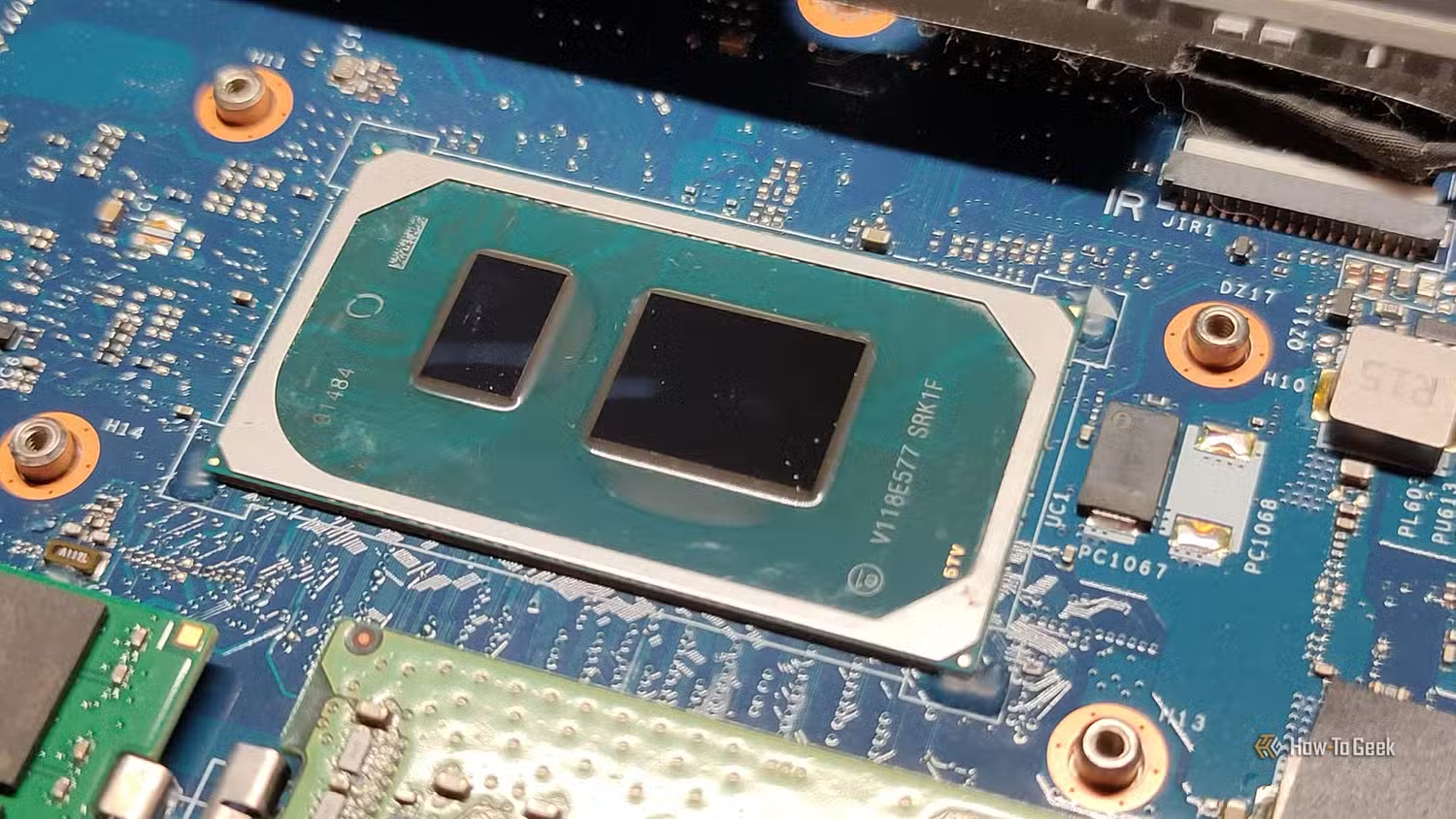
The longer you look at benchmarks, the clearer the curve of diminishing returns becomes. Buying an old CPU for work or gaming can make a lot of sense if you are on a tight budget, but raw performance is far from the only thing that matters. Once a processor can hold acceptable frame rates and keep everyday tasks responsive, extra speed adds vanity more than value for most users. The sources note that these allegedly outdated chips "are still worth buying today, but temper your expectations"—a warning against expecting miracles, not a verdict of uselessness. If you know what to expect from older hardware and can get a good deal on a working used model, one of these chips could end up serving you well for years to come. In other words, a CPU upgrade is worth it only when your current chip is actively limiting what you do, not because a new generation exists.
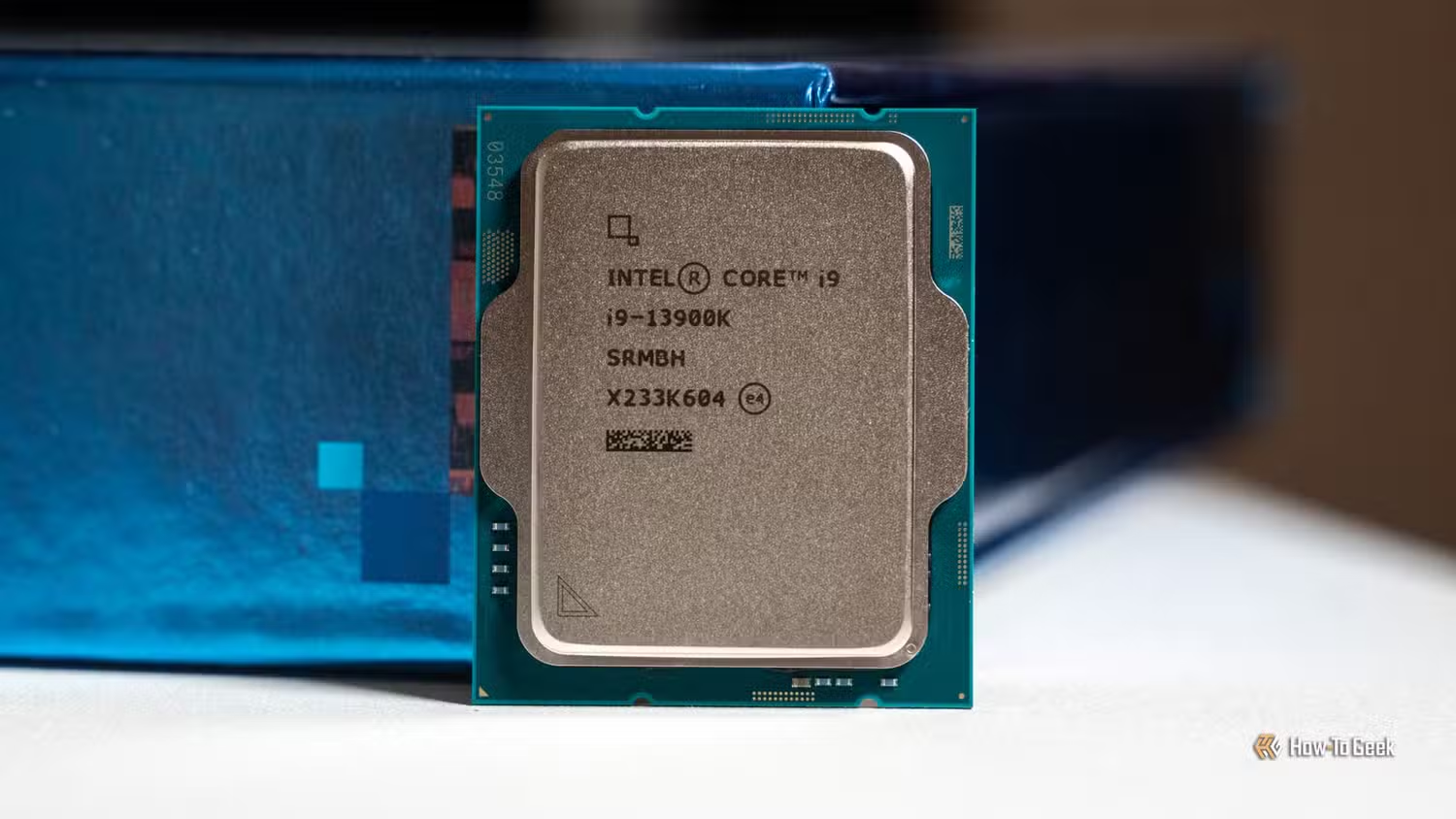
Platform Longevity and Smarter Upgrade Paths
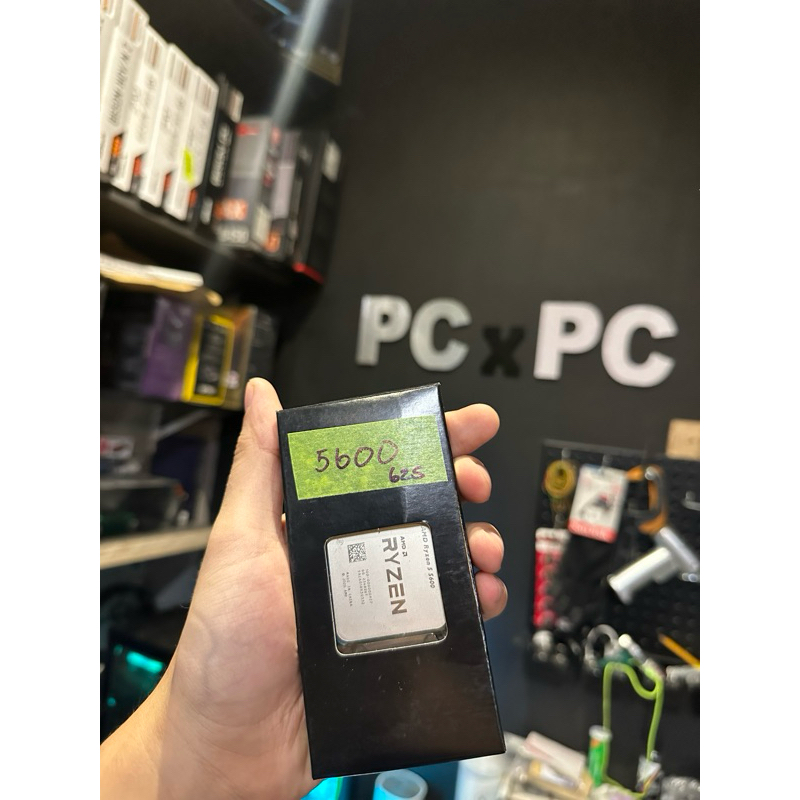
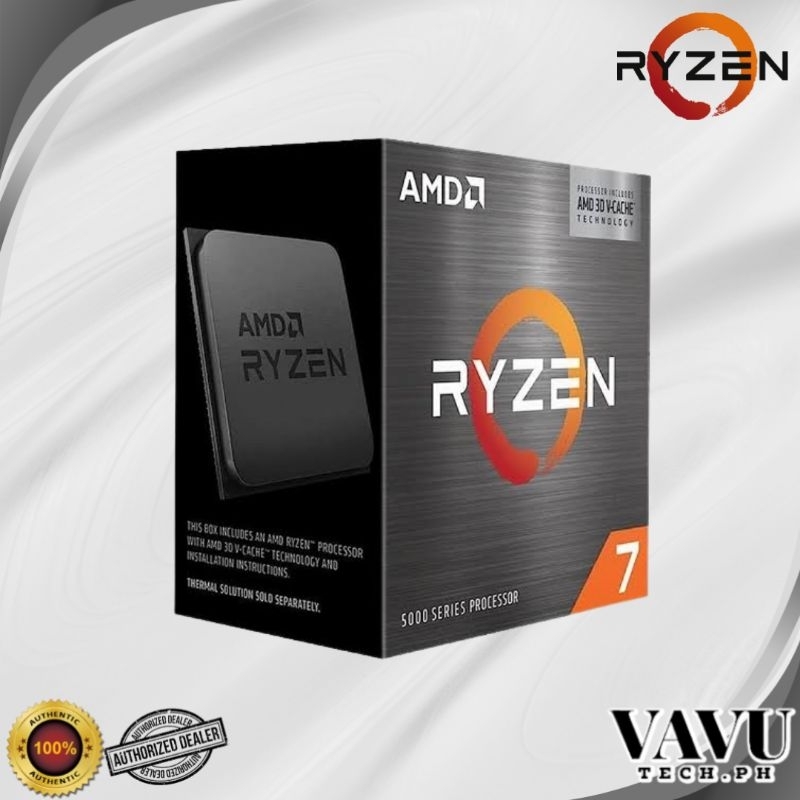
The biggest argument for staying on older CPUs is platform longevity. A first‑generation Ryzen like the 1600 sits on the AM4 socket, and choosing a compatible motherboard such as a B450 board gives an excellent upgrade path to stronger AM4 chips like a Ryzen 5 5600X or Ryzen 7 5700X3D as prices fall. That means you can enter the ecosystem cheaply now and step up later without replacing your whole system. By contrast, some platforms offer almost no meaningful future upgrade options once you reach their top chips, which makes dumping money into that socket a dead end. When an older CPU lives on a platform with clear, affordable upgrade paths, it is a smarter investment than jumping to every new release. You keep your board, keep your memory, and upgrade only when the performance gain changes what you can do—not when marketing tells you to.