
A Clever Camera Backpack Interior With Complicated Origins
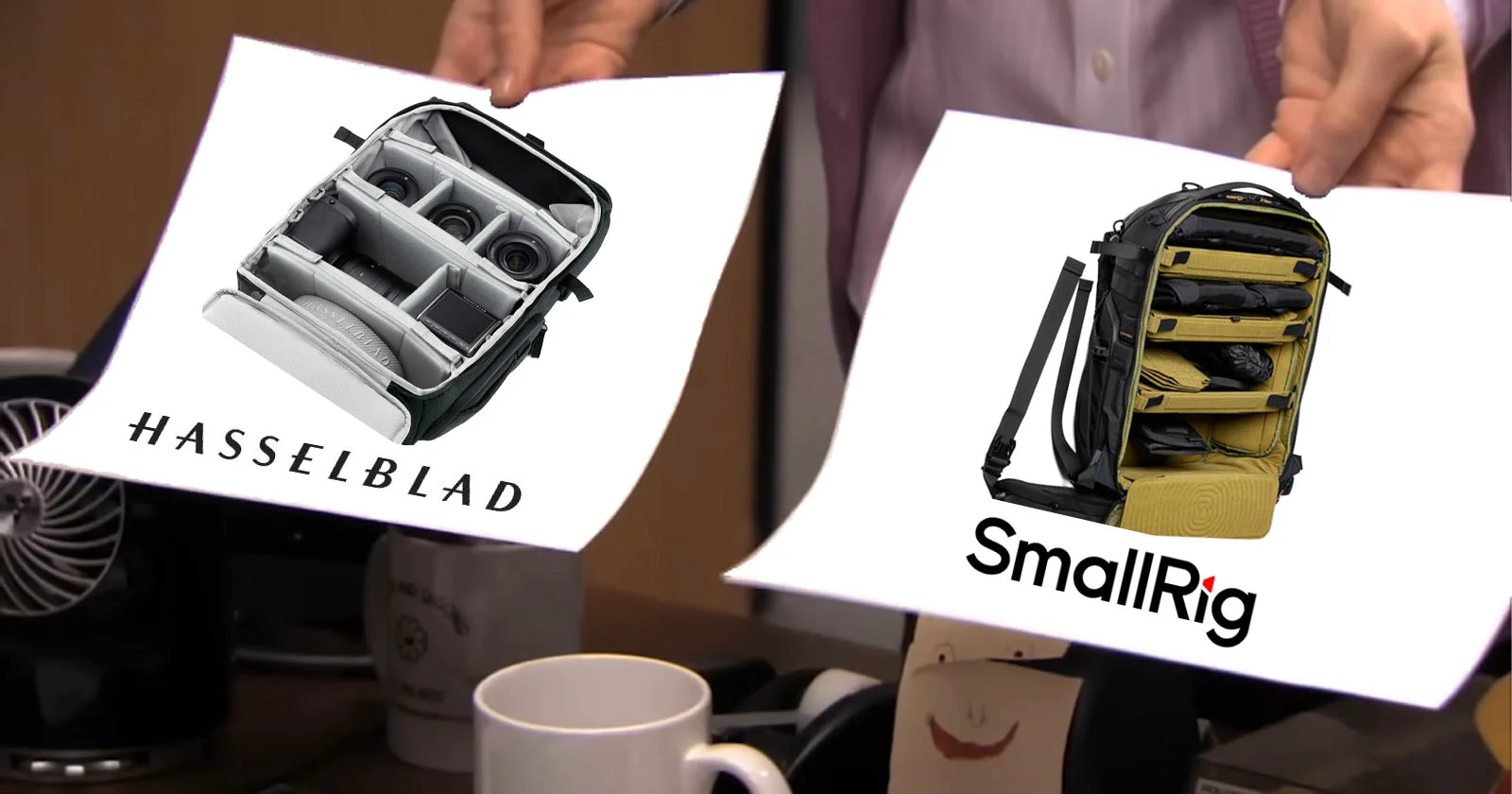
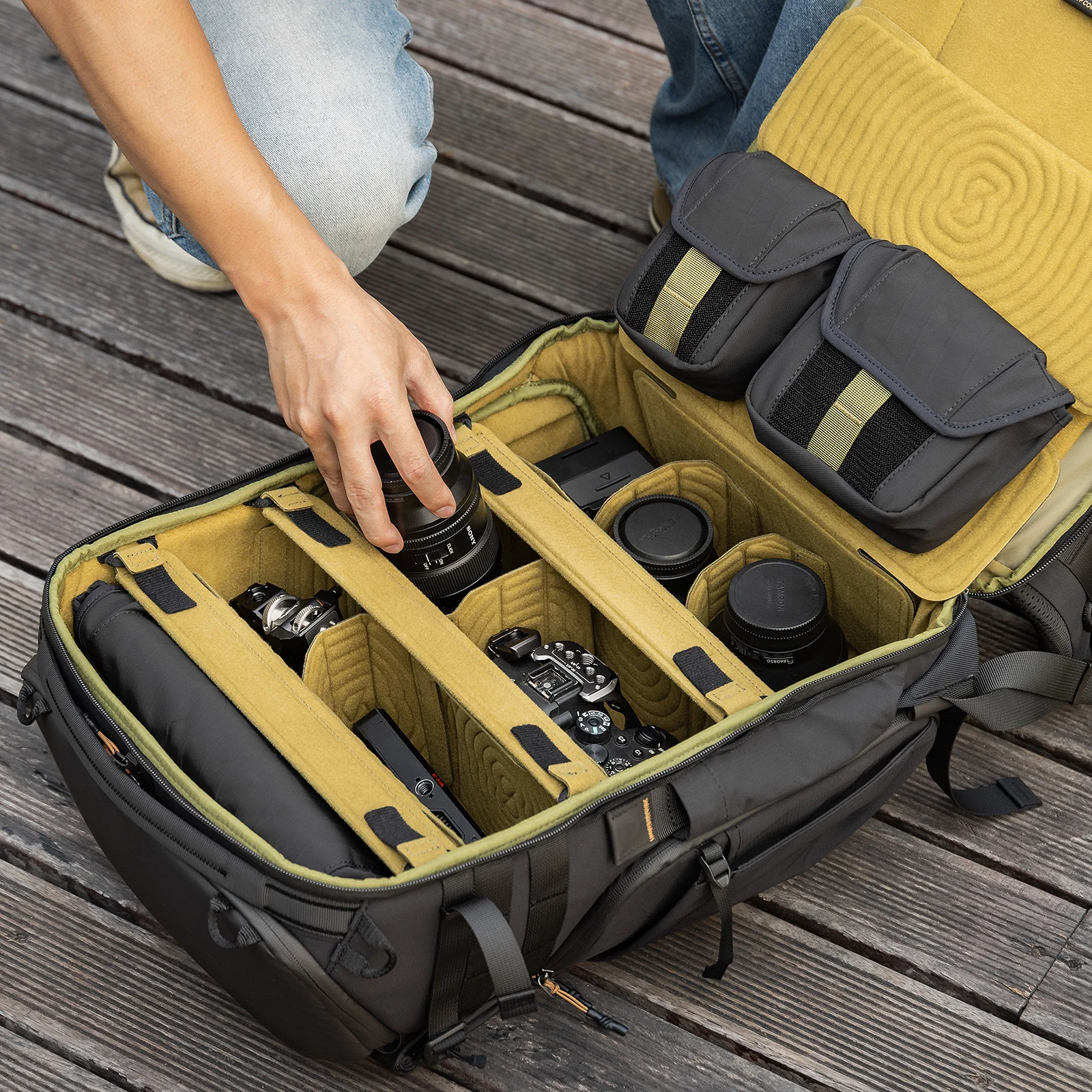
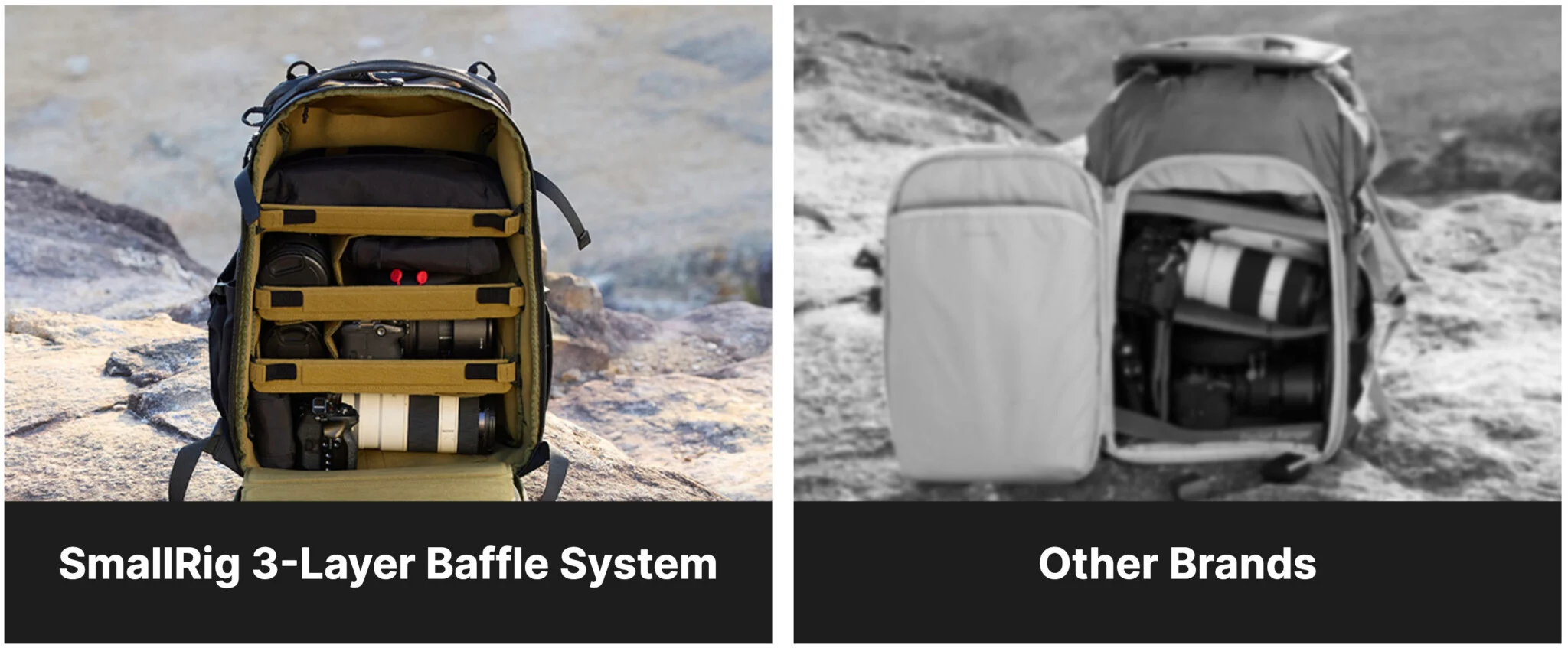
SmallRig’s Professional Outdoor Backpack (25L) 6521 is a camera backpack that uses a modular anti-drop divider system with fold-over baffle flaps and hook-and-loop camera backpack dividers to keep expensive gear from shifting or falling when the bag is opened or tilted, combining protective gear storage with customizable layouts for photographers, filmmakers, and solo content creators. This seemingly straightforward product launch has sparked a louder conversation than most bags do, because the brand is not only selling a smart interior; it is also selling the story that the system is “innovative.” The real debate is whether this is a fresh idea or a smart copy of Hasselblad’s earlier work on the Vandra backpack, whose interior design was praised for solving divider sag and gear instability. SmallRig’s backpack is good news for users—but it is awkward news for design ethics.
What SmallRig Gets Right for Working Photographers
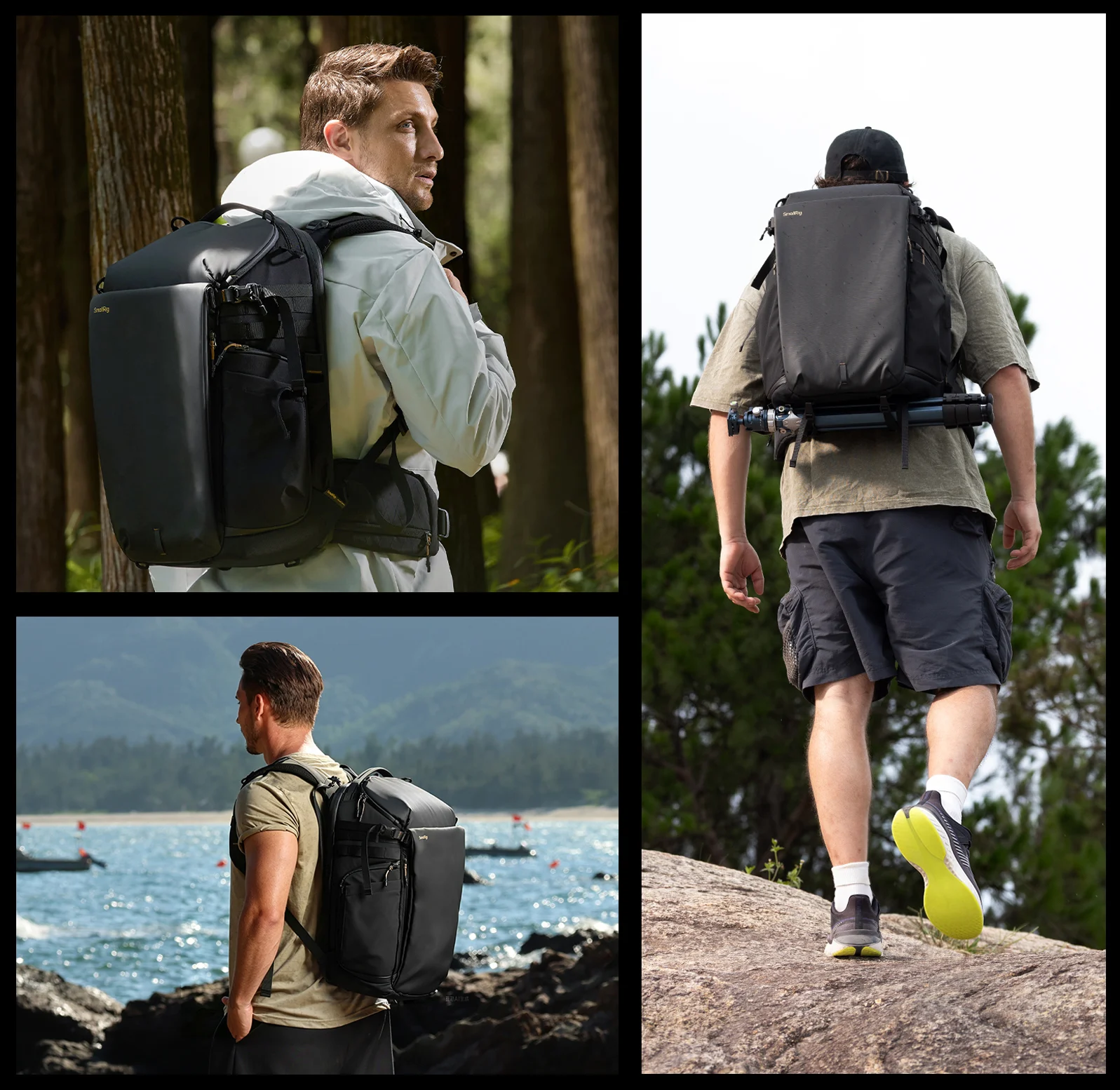
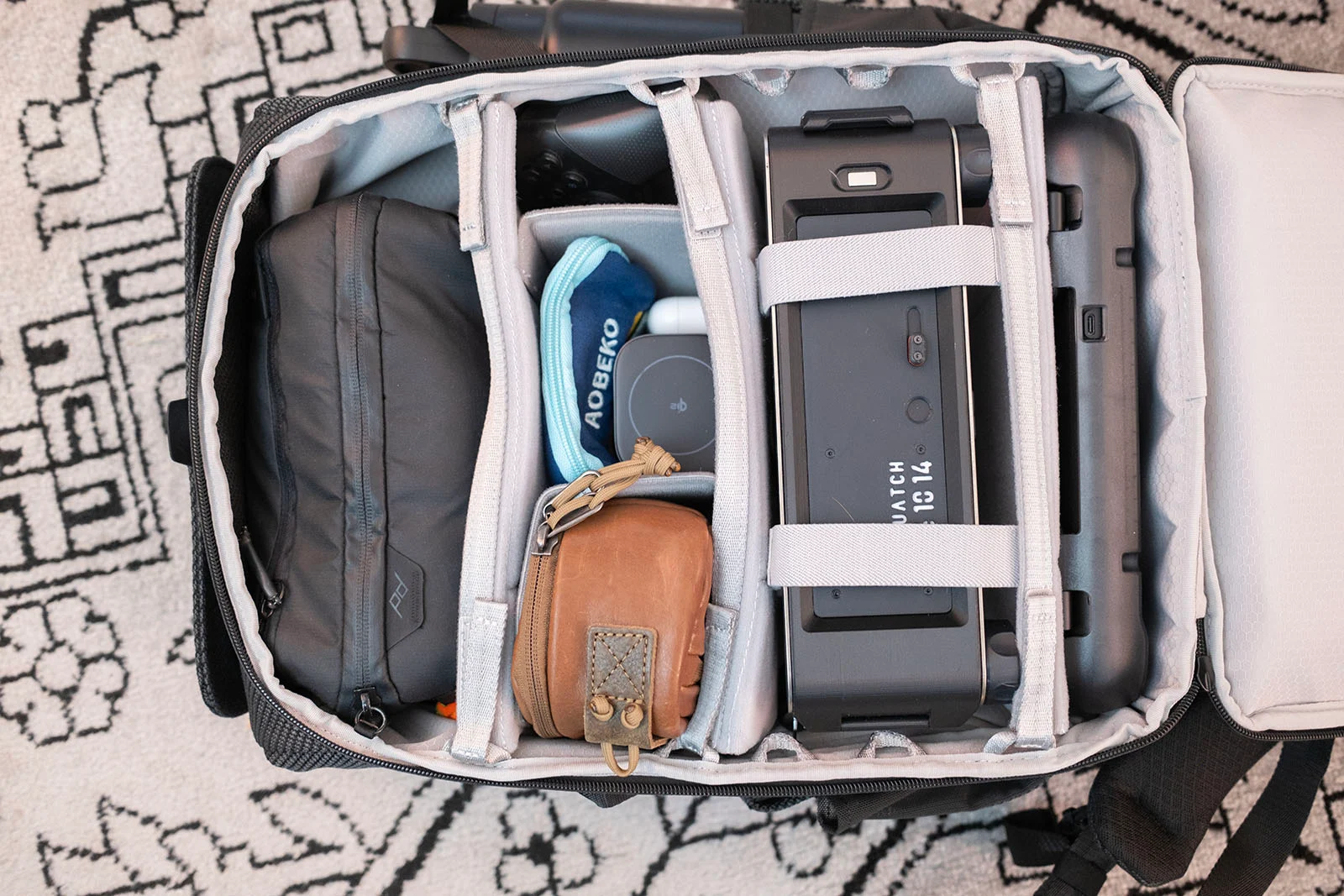
Judged as a tool, the SmallRig backpack is easy to like. The 25-liter shell is built around customizable hook-and-loop dividers and anti-drop baffle flaps, so cameras, lenses, drones, and accessories stay put even when the bag is opened on uneven ground or tilted during a hike. That matters for photographers carrying pricey mirrorless bodies and long lenses, where a single slip from a sagging divider can mean catastrophic damage. The interior can be reconfigured for different kits and assignments, which makes it far more adaptable than fixed grids. Beyond the main compartment, three removable accessory pouches and a padded laptop sleeve up to 16 inches provide structured, protective gear storage for the rest of a modern workflow. Add weather-resistant polyester and nylon, water-resistant zippers, a rain cover, and thoughtful travel touches like a trolley sleeve and hidden tracker pocket, and you have a mirrorless camera bag tailored for long, rough days outside.
Practical strengths
- Anti-drop dividers reduce gear movement when the bag is opened or tilted
- Modular interior and accessory pouches support varied camera setups and assignments
- Weather-resistant materials and included rain cover improve outdoor reliability
Immediate drawbacks
- Design language is closely tied to an earlier Hasselblad concept
- Marketing emphasis on “innovation” clashes with visible similarities to the Vandra
The Shadow of the Hasselblad Vandra: Innovation or Iteration?
The controversy is not whether anti-drop dividers are useful—they are—but who deserves credit for the idea. Earlier this year, the Hasselblad industrial design team described how the Vandra emerged from the challenge of fitting a wide variety of camera sizes with one flexible interior; the hook-and-loop style system was their answer to sagging horizontal dividers, and it was praised for securing gear without adding much weight. According to that design team, existing solutions like swapping entire liners were too slow for photographers who need to change layouts outdoors. Against that backdrop, SmallRig’s interior “looks straight-up lifted from Hasselblad’s design book,” with a near-identical divider concept now advertised as SmallRig’s own innovation. The blunt reality is that SmallRig is iterating on a good idea that someone else brought to market first—and doing so so quickly that it feels less like normal industry evolution and more like design appropriation.
This would be less uncomfortable if SmallRig openly framed its system as an improvement on a proven concept. Instead, the brand leans on language like “innovative” and “drop-proof,” suggesting a unique leap rather than a polished derivative. That disconnect between marketing and origin is what rubs many gear nerds the wrong way: the company is not just borrowing an idea; it is claiming it. In a niche where trust and reputation matter, downplaying the Vandra’s role in advancing camera backpack engineering risks undermining SmallRig’s credibility more than any technical shortcoming could.
Comfort, Access, and the Price Argument
Where SmallRig earns genuine praise is in how it refines the carrying experience. The backpack adds a breathable harness with 3D raised ventilation channels, contoured lumbar support, and a removable waist belt that shifts weight to the hips and provides mounting points for pouches, a tripod, or a gimbal. Side access to the main compartment speeds up shooting, while a magnetically closed front area swallows gimbals or a jacket without fuss. External points for tripods, gimbals, and selfie sticks round out an ecosystem designed around multi-camera setups in the field. This is where SmallRig goes beyond the Vandra, adding more handles, better top access, optional removable pockets for the extra depth, and a cleaner exterior that avoids the Vandra’s hair-attracting material. The most aggressive improvement, though, is price: the Hasselblad Vandra costs USD 469 (approx. ₱26,300), while SmallRig’s backpack is USD 200 (approx. ₱11,200), less than half as much and a direct answer to earlier price criticisms.
| Spec | Hasselblad Vandra | SmallRig 25L Backpack |
|---|---|---|
| Interior concept | Hook-and-loop anti-sag dividers with deeper body | Similar hook-and-loop dividers with anti-drop baffle flaps |
| Comfort features | Basic shoulder straps and latch-style top access | Ventilated harness, lumbar support, removable waist belt, improved top access |
| Approximate price | USD 469 (approx. ₱26,300) | USD 200 (approx. ₱11,200) |
A Better Bag With a Worse Story
Here is the uncomfortable conclusion: the SmallRig Professional Outdoor Backpack (25L) 6521 is, for most photographers, a better buy than the Hasselblad Vandra, while being built on Hasselblad’s intellectual groundwork. The anti-drop divider system solves a real pain point by locking camera backpack dividers in place and protecting mirrorless camera gear from unintended movement in the field. The comfort tweaks, extra pockets, modular pouches, and lower price make it a more practical mirrorless camera bag for long days outside, especially for those who need flexible protective gear storage across several bodies, lenses, and accessories. But the brand’s insistence on calling the divider concept “innovative” reads as tone-deaf when the lineage is so clear. Photographers will, quite reasonably, choose the bag that best serves their work; design-conscious buyers may feel uneasy rewarding a company that downplays its inspiration. In the end, SmallRig has proven that iteration can outperform innovation—yet the industry would be healthier if it acknowledged whose innovation it is improving upon.