
A New Hope for Escape Velocity Fans
C-Beams is a solo spaceship RPG that blends Escape Velocity-style open-ended space trading and combat with modern physics-driven handling and progression systems to resurrect a forgotten niche of indie space games for today’s PC audience. This is not a vague homage but an explicit attempt to bottle the feel of classic top-down space sims while refusing to freeze them in amber. The forthcoming space action-RPG C-Beams, developed by Distant Light Games and published by Hooded Horse, is openly described as taking heavy inspiration from Ambrosia Software’s Escape Velocity, and its HUD, perspective, and overall vibe are designed to feel immediately familiar to veterans of that series. In other words, it is staking out the role of Escape Velocity spiritual successor at a time when that throne has been conspicuously empty.
Hooded Horse’s involvement matters. This publisher has been gathering a catalogue of strategy and space titles that appeal to players tired of safe, AAA design and looking for complex, systems-heavy experiences outside the big-budget pipeline. One of its new additions has critics openly reminiscing about the days of old, and C-Beams is the project triggering that reaction. For Escape Velocity fans who have spent years bouncing between half-measures and nostalgia mods, the key takeaway is blunt: the kind of solo spaceship RPG they grew up with is coming back, with a publisher that has a track record of backing demanding games instead of sanded-down crowd-pleasers.
How C-Beams Modernizes the Escape Velocity Formula
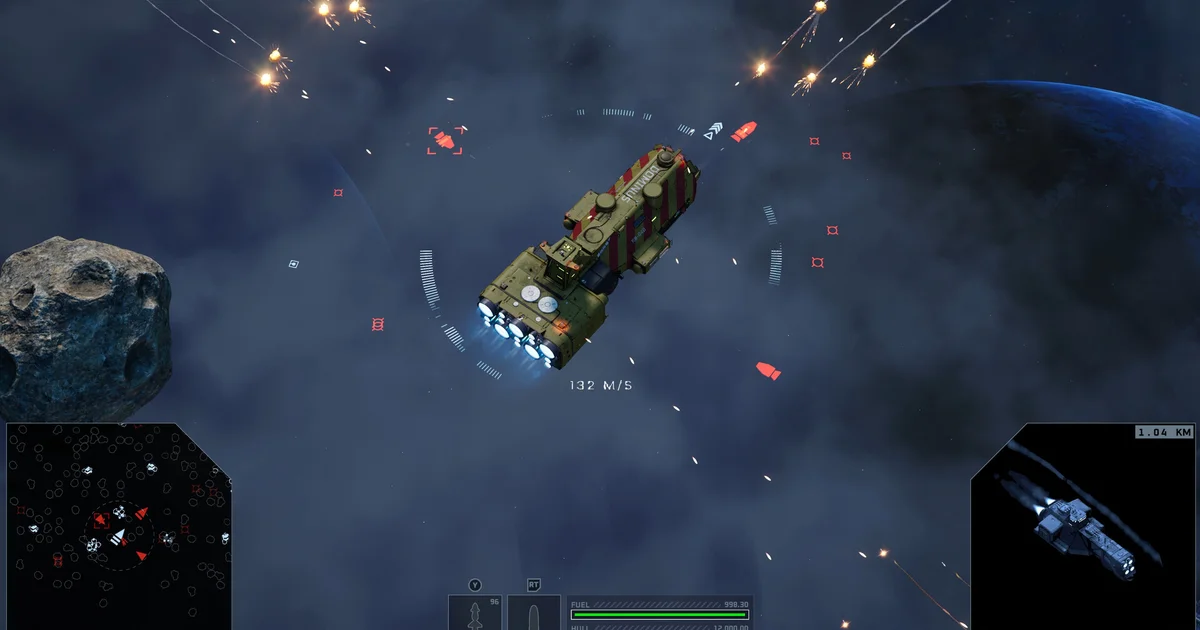
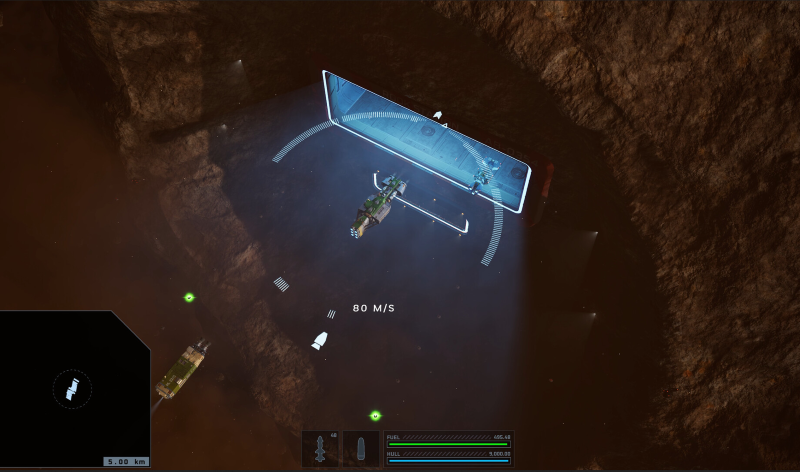
The heart of C-Beams is familiar: you are a budding ship captain exploring a web of jump points that connect settled planets, stations held by different factions, and uncharted regions littered with danger and opportunity. That core loop could have been lifted from an Escape Velocity design document, and that is the point. Where C-Beams pushes forward is in the feel and texture of space itself. This is a 2.5D game set in a black hole system full of asteroids and anomalies, with lush expanses of space rock below the navigable plane creating verticality and tactical cover you simply did not have in those earlier sims.
Modernization continues in the ship layer. You are not locked into a single vessel; you can use a hangar to swap between ships, and skills are available to unlock, layering progression onto the sandbox. That matters because the genre’s old-school charm often came bundled with clunkiness—opaque upgrade paths, rigid ship choices, and UIs that fought you. C-Beams keeps the old perspective and HUD but grafts contemporary expectations onto them. The result aims to be a solo spaceship RPG where you can still grind ore runs in a heavy hauler—accepting its slower, clumsier handling when loaded with precious cargo—but you can also quickly pivot to a lean dogfighter without feeling like you are fighting the interface as much as enemy ships.
A Publisher Built on Complex Indie Space Games
C-Beams is not an isolated experiment; it sits inside a deliberate ecosystem of indie space games. Hooded Horse has already made a name for itself by championing strategy and simulation titles outside the AAA mainstream, including fantasy series and city builders as well as more niche strategy projects. In the space and tactics corner of its catalogue, the publisher backs insanely complex titles like Nebulous Fleet Command and Capital Command, along with the equally demanding Terra Invicta that teaches players about Delta-v and specific impulse through its systems-driven campaign. According to one technology outlet, this growing collection is drawing in players disillusioned with big-budget releases or standing in solidarity with laid-off developers by seeking out alternatives.
C-Beams benefits from that context. When a publisher is comfortable pushing intricate mechanics and steep learning curves, a solo spaceship RPG with highly realistic handling characteristics feels less like a side bet and more like a natural extension. Newtonian physics are a harsh mistress in this game, demanding retro burns for deceleration, careful management of boost fuel, and awareness of how your mass and cargo load compromise agility. That level of simulation can scare off casual players, but it is catnip to the enthusiast audience who once spent late nights fine-tuning trade routes and combat builds in Escape Velocity. C-Beams is being pitched directly to them, not watered down for everyone.
Why This Solo Spaceship RPG Matters Now
So why does C-Beams matter beyond nostalgia? Because it speaks to a broader revival of forgotten game archetypes tailored for enthusiasts instead of mass-market focus groups. If you have been hunting for games that are not part of the AAA developer crowd, whether out of frustration with recent releases or a desire to support different development cultures, you have likely crossed paths with Hooded Horse’s catalogue. C-Beams extends that collection and has commentators reminiscing about their favourite childhood space sims, a clear signal that the project is tapping into long-dormant demand rather than chasing a trendy genre.
On a practical level, the impact is straightforward. Escape Velocity fans now have a fresh solo spaceship RPG to watch instead of endlessly replaying old shareware or turning to stand-ins like Endless Sky and 3030 Deathwar. The game offers highly realistic handling, combat that ranges from up-close recoilless weapons to long-range guided missiles and railguns, and the chance to mine rare elements among asteroids while using them as cover in dogfights. For ordinary players, this means a modern space sim that respects their time by giving them deep systems to learn and master rather than shallow content to consume once and abandon.
Looking Ahead: The Return of the Escape Velocity Spiritual Successor
The timeline for C-Beams is still deliberately vague: its trailer is available to watch, but the release date is listed only as "soon". That open-ended promise can be frustrating, yet it also reflects a reality of indie development where shipping when ready beats hitting arbitrary marketing windows. What matters is that the project is far enough along to show its direction, and that direction is clear. You pilot ships through a cosmos of jump points, swap vessels in a hangar, unlock skills, and choose how to fight—whether by shredding enemies up close or pounding them from afar—within a framework that keeps Escape Velocity’s spirit alive while embracing modern expectations.
The broader takeaway is optimistic: solo spaceship RPGs are not relics, they are being actively reimagined. By treating C-Beams as an Escape Velocity spiritual successor, Hooded Horse and Distant Light Games are making a bet that there is still room in today’s landscape for complex, physics-heavy space sims that focus on a single captain’s journey rather than a grand strategy map or live-service grind. If that bet pays off, it could encourage more developers to revive other neglected archetypes with the same mix of respect and reinvention. For now, enthusiasts have one clear action item—keep an eye on C-Beams, because the lost art of the solo spaceship RPG may finally be coming back into view.