
Compact Cameras Street Photography: Why Old Beats New
Compact cameras for street photography are small fixed‑lens or zoom cameras whose discreet handling, fast operation, and proven reliability let photographers react quickly to everyday scenes while staying visually unobtrusive in public spaces, often delivering image quality and creative discipline that rival or surpass newer interchangeable‑lens systems. Today’s street photography gear market is full of modern bodies, but the bottom line is clear: the Ricoh GR II is best for minimalist shooters who want a pocketable APS‑C prime; the Canon G1X Mark II suits deliberate photographers who like a flexible zoom and DSLR‑style ergonomics; and the Leica XE appeals to newcomers chasing optical quality and brand heritage at a lower cost than current luxury models.
Ricoh GR II: Minimalist Legend with 30 Years of Design Behind It
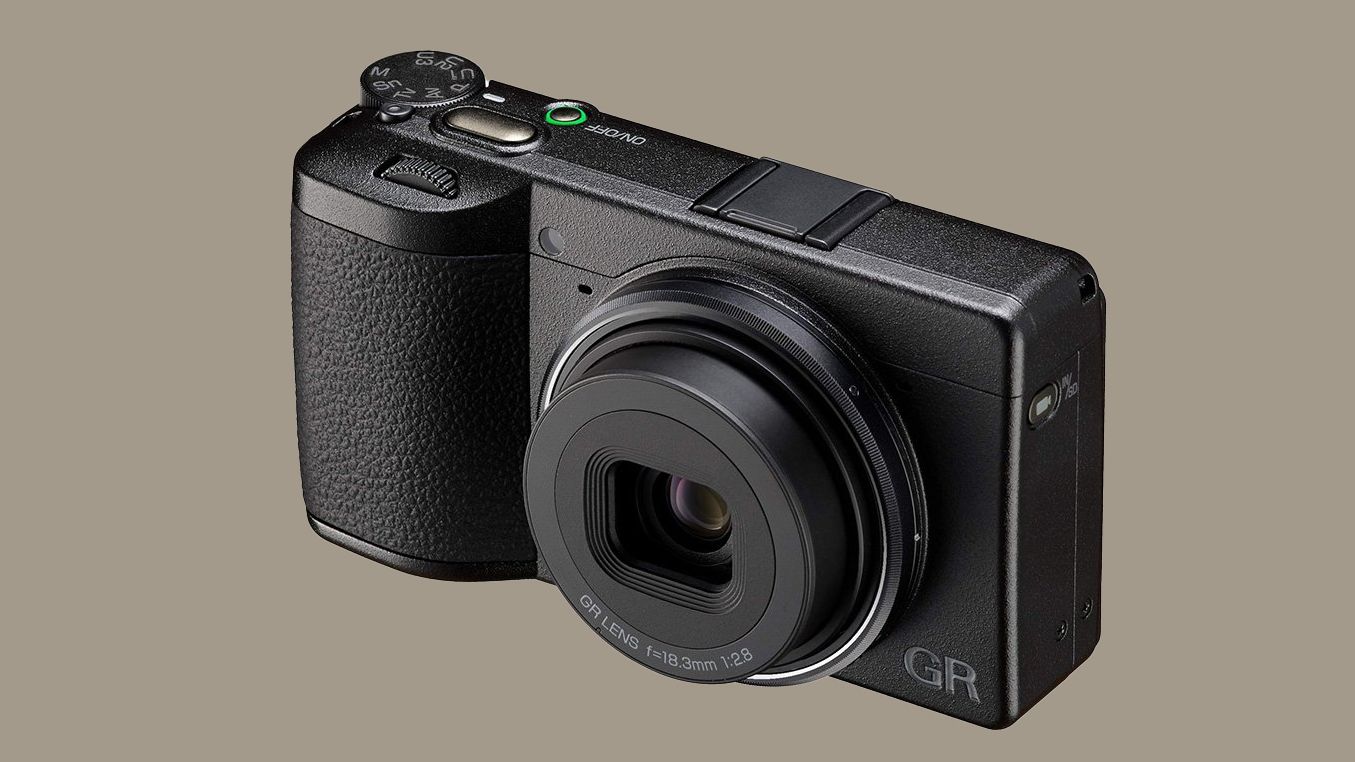
The Ricoh GR series has stayed loyal to a minimalist black slab design for almost thirty years, changing surprisingly little from the film GR1 to the current APS‑C digitals. That continuity matters: the Ricoh GR II hides a 16MP APS‑C sensor behind a compact body, paired with a fixed 28mm lens, built‑in flash, a 3‑inch LCD and ISO up to 25,600. It weighs only 251g, slips into a pocket, and its understated look helps you blend into a crowd—ideal for candid compact cameras street photography. Autofocus is fast in daylight and versatile in macro mode, though it slows in low light, a reminder that this is a decade‑old camera. Despite that, the GR II delivers sharp bokeh, versatile RAW files, and JPEG color many photographers consider better than Fujifilm or Olympus. At USD 900–1,200 (approx. ₱50,400–₱67,200), it is somewhat expensive but still reasonable for an APS‑C compact.
| Spec | Ricoh GR II | Canon G1X Mark II |
|---|---|---|
| Sensor resolution | 16MP APS‑C | 12MP 1.5‑inch CMOS |
| Lens | Fixed 28mm prime | 24–120mm f2–3.9 zoom |
| ISO range (max) | Up to 25,600 | High ISO output at par with Micro Four Thirds |
| Screen | 3‑inch LCD | Tilting screen |
| Weight | 251g | Not stated |
| Weather sealing | Not weather‑sealed | Not weather‑sealed |
| Typical price | USD 900–1,200 (approx. ₱50,400–₱67,200) | Price favourable for serious enthusiasts |
Canon G1X Mark II: Abandoned Line, Ideal Street Zoom
Canon moved on to larger interchangeable‑lens models, but street photographers keep coming back to the compact G1X Mark II because it feels like a shrunken DSLR with a travel‑friendly footprint. Its 1.5‑inch 12MP sensor is paired with a sharp 24–120mm f2–3.9 zoom, giving far more framing flexibility than the Ricoh’s fixed prime. You get plenty of physical controls on the top, back and around the lens, with a simple menu and a lens ring that clicks to set aperture—exactly the kind of tactile ergonomics many shooters miss in newer touch‑heavy bodies. Autofocus is slower than modern cameras but consistent enough if you learn to time your shots, which can improve your patience and anticipation on the street. Image quality is vivid and saturated, with RAW files that offer lots of latitude and high‑ISO output comparable to Micro Four Thirds sensors. Given its price today, the G1X Mark II is the right choice for many serious enthusiasts, and some argue Canon should revive this compact design with updated internals.
Leica XE: Heritage Entry Point and the Appeal of Used Compacts
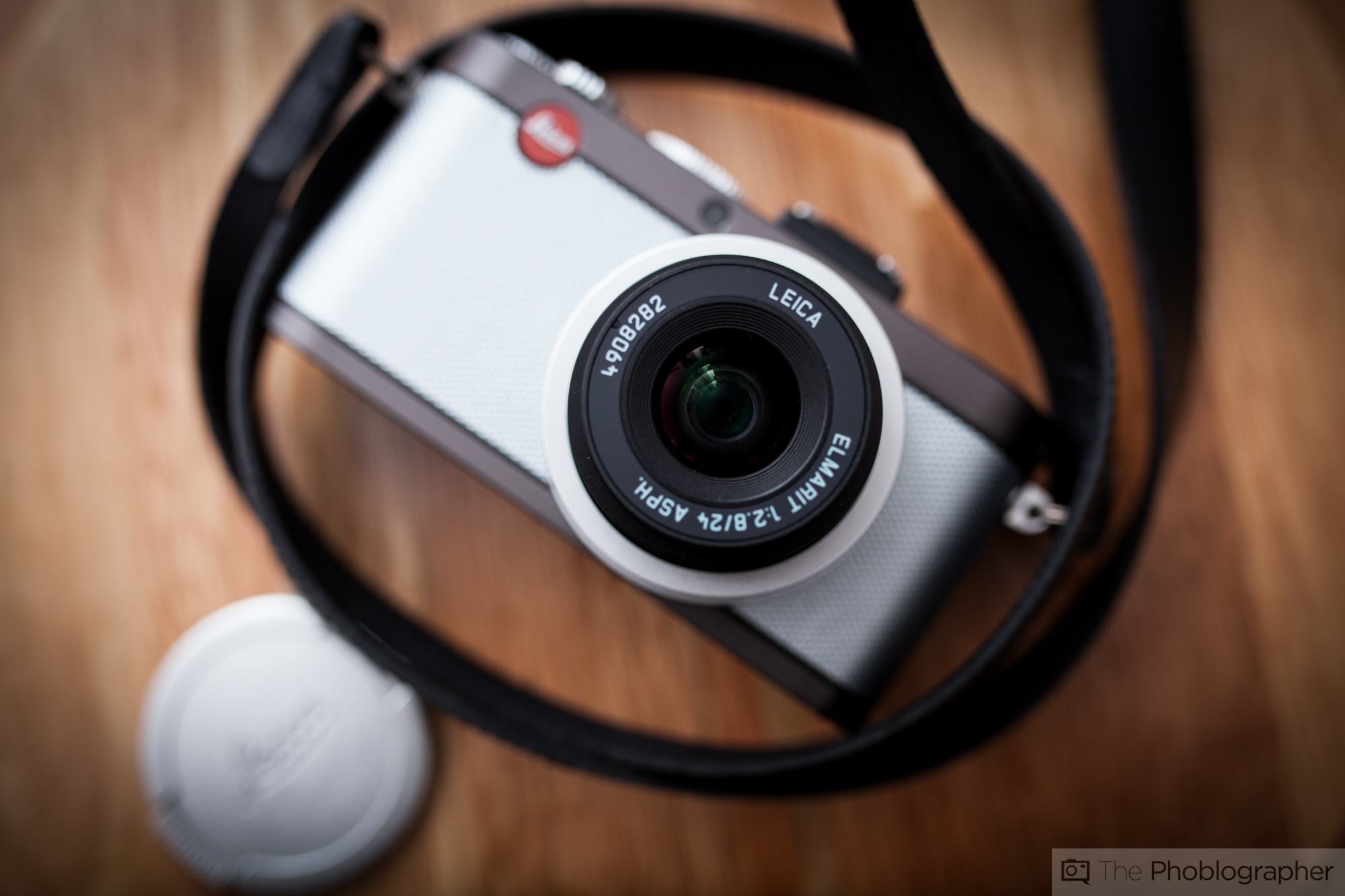
Leica’s compact models continue to attract new street photographers because they combine optical quality with the brand’s heritage at a lower cost than its flagship bodies. The Leica XE uses a 16MP APS‑C sensor sourced from Sony, paired with a 24mm f2.8 lens, 11 autofocus points, a 230K‑dot TFT LCD and ISO up to 12,500. Ergonomically it evokes old rangefinders, with top and rear controls plus a focusing dial on the back that makes manual or zone focusing natural for street work. Autofocus modes include single‑point, 11‑point, face detection, spot and manual, with single‑point focus performing quickly for a camera of its era. According to one review, “you’ll also really enjoy turning ISO 12,500 images into black and whites since the fairly low noise grain looks very nice and very film‑like.” At USD 1,100–1,500 (approx. ₱61,600–₱84,000), the XE costs a fraction of current Leica offerings while still feeling like a solid, stylish tool for young photographers starting with street photography gear.
Why Used Compact Cameras Still Make Street‑Photography Sense
Taken together, the Ricoh GR II, Canon G1X Mark II and Leica XE explain why older compact cameras offer exceptional value and reliability compared with many modern alternatives. The GR II is described as perhaps the best option for budget‑minded shooters, yet it delivers high‑end APS‑C files and a design that has proved itself over three decades. The G1X Mark II line may be abandoned, but its ergonomics, zoom range and strong lens quality make it a “no brainer” companion for travelers and street photographers who want one body to do a bit of everything. The Leica XE, meanwhile, gives newcomers a credible way into the Leica ecosystem without paying current flagship prices. All three share a few weaknesses: long menus in the case of the XE, plus a lack of weather sealing that makes rain shooting risky on both the Ricoh and Canon compacts. For many shooters, those trade‑offs are minor compared with the handling, character and proven track record these used cameras provide.
- Buy the Ricoh GR II if you want a discreet, pocketable APS‑C prime that encourages fast, minimalist street shooting.
- Skip the Ricoh GR II if you often work in bad weather or depend on fast low‑light autofocus and require weather sealing.
- Buy the Canon G1X Mark II if you value zoom flexibility, DSLR‑style controls and a travel‑friendly compact for street and general use.
- Skip the Canon G1X Mark II if you need the fastest autofocus and rugged sealing rather than learning to time slower focus.
- Buy the Leica XE if you are a young photographer who wants Leica optical quality and heritage at a fraction of modern Leica prices.
- Skip the Leica XE if you dislike long menu systems or prefer higher‑resolution screens and the latest autofocus technology.