
An "old" CPU that keeps winning the cart war
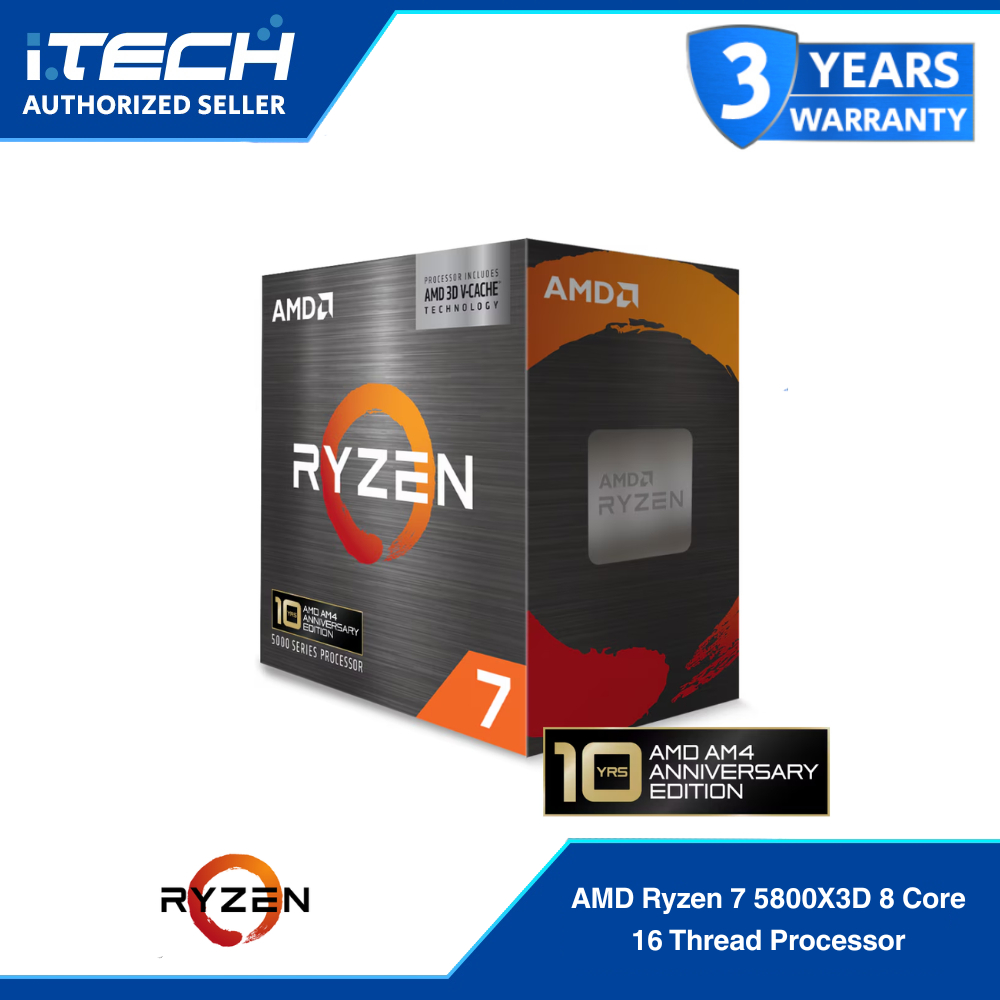
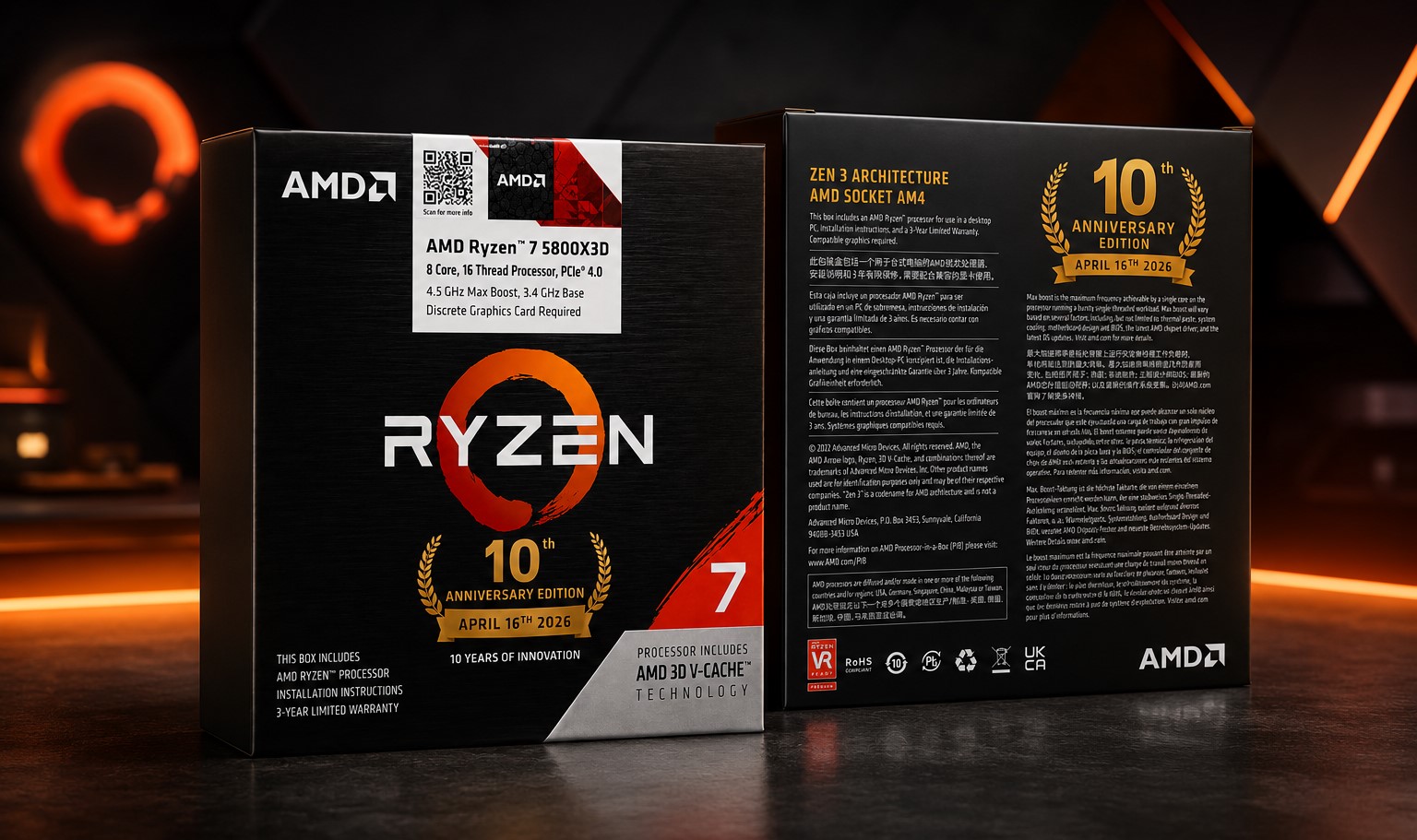
The Ryzen 7 5800X3D is a desktop processor based on AMD’s Zen 3 architecture that targets gamers on the AM4 platform who want high performance without replacing their entire system, and it has become a standout case where an older-generation chip continues to outsell newer alternatives at nearly the same price by offering better overall platform value rather than the absolute fastest raw performance.
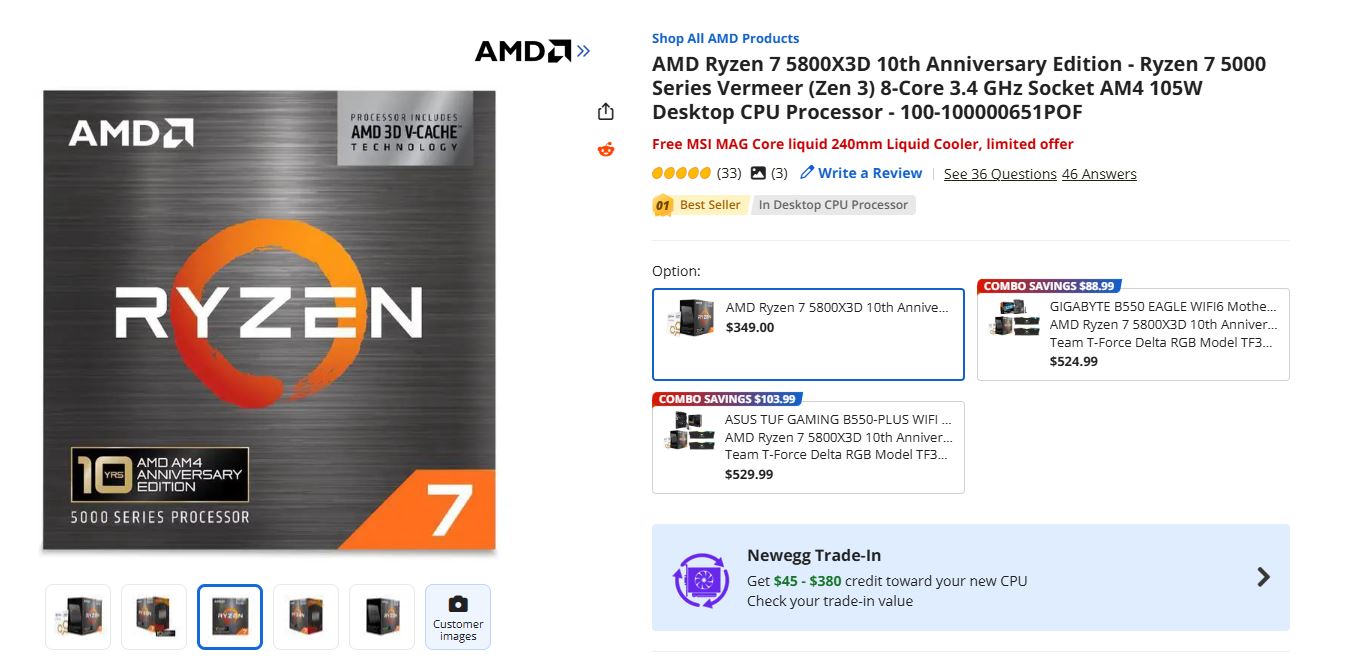
The headline story is simple: sales, not specs, are calling the winner. The 10th Anniversary Ryzen 7 5800X3D sits fourth on a major retailer’s best-selling CPU list, with around 3,000 units sold in about a month, while the newer Ryzen 7 7800X3D holds fifth place with roughly 2,000 units moved, even though both sell for nearly USD 349 (approx. ₱19,500). That is not a rounding error; it is a market signal. Builders are looking at the Ryzen 5800X3D price in context of the full platform bill, and voting for the chip that fits into their existing rigs instead of the one that demands a new motherboard and memory.
Price tags match, but platform costs do not
On paper, a pure CPU value comparison should favor the newer part. The 5800X3D’s MSRP is USD 349 (approx. ₱19,500), and it is an older Zen 3 design, while better-performing CPUs sit in the same price band. One report points out that the Ryzen 7 7800X3D for the AM5 platform can be found "for under $400" (approx. ₱22,400), making the 5800X3D “feel a bit pricier” at first glance.
But shoppers do not build with price tags in isolation. They build whole systems. Millions of gamers are still on AM4 boards and compatible DDR4 memory, and they are upgrading from older Ryzen chips to the best drop-in option their boards can handle. Switching to AM5 often means new motherboard plus DDR5 during a time when memory prices have pushed many builders back to AM4, described as a transition “due to the current RAMpocalypse.” When you weigh the total bill, the “weaker” CPU becomes the smarter purchase, and that is why the Ryzen 5800X3D price continues to look attractive where it matters: the checkout total, not the spec sheet.
Bundle deals turn a strong chip into a budget hero
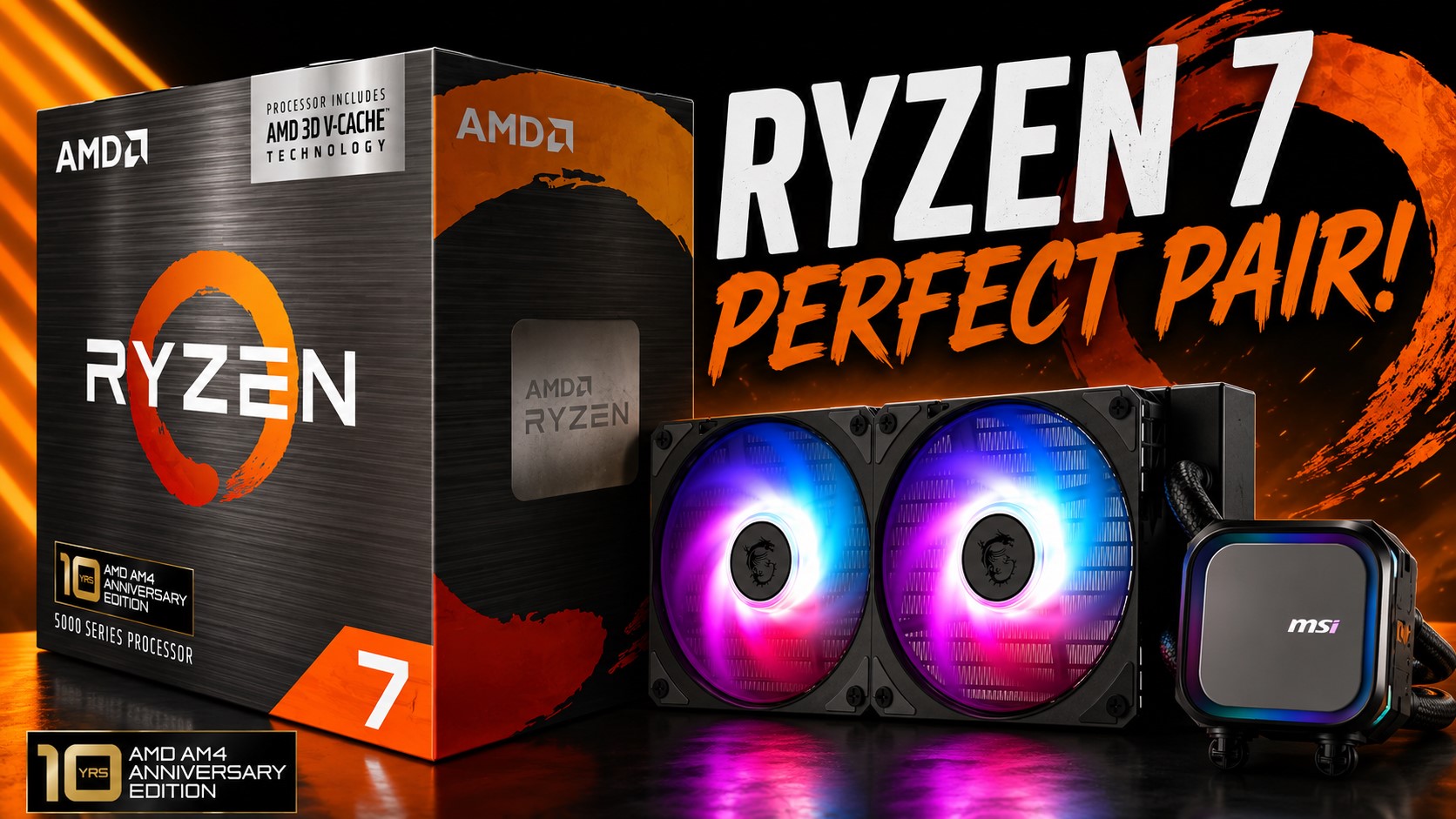
The real twist is how processor bundle deals rewrite the value story. One major retailer is selling the Ryzen 7 5800X3D 10th Anniversary edition at USD 349 (approx. ₱19,500) but includes an MSI MAG Core Liquid 240mm AIO cooler valued at USD 69.99 (approx. ₱3,900) for free. As that report puts it, “you are essentially paying less than $300 for the processor if you combine the cost of both components.”
In practical terms, that pushes the effective Ryzen 5800X3D price below USD 300 (approx. ₱16,800) in a builder’s mind, a huge psychological win for anyone hunting a budget gaming processor without gutting their rig. For an AM4 owner, dropping this chip into an existing system and getting a capable 240mm AIO on top is a far more compelling CPU value comparison than a bare 7800X3D that also demands a new motherboard and new RAM. It is no surprise that one retailer notes this bundle makes buying the 5800X3D "much more sensible" than the alternatives at the same sticker price.

Why the 5800X3D’s age matters less than you think
If you only read spec tables, the 5800X3D loses. It is older, based on Zen 3, and newer chips can pull ahead in benchmarks. But the sales data tells another story: buyers are not in a rush to abandon AM4, they are in a rush to finish their builds. One report describes how Ryzen 5000 series demand rose because many builders moved to the previous-generation AM4 platform during the so‑called RAMpocalypse.
Those users do not need a radical platform overhaul; they need the best AM4 gaming upgrade available at a sane price. With the 5800X3D delivering high-end gaming performance on hardware millions already own, the "older generation" label becomes irrelevant to their decision. They care that they can buy one part, drop it in, and play. In that context, the 5800X3D is not the compromise choice, it is the endgame chip for a mature platform.
The lesson: value is a platform, not a product
The Ryzen 7 5800X3D’s sales win is not an accident, it is a verdict on how people upgrade. At roughly the same sticker price as the Ryzen 7 7800X3D, the older chip holds fourth place on a key best-seller list with around 3,000 units sold, while the newer model in fifth place trails at about 2,000 units. That gap is wide enough that enthusiasts should stop asking why the weaker chip sells more and start asking why platform costs are still treated as an afterthought in CPU discussions.
For ordinary builders, the answer is clear. Processor bundle deals that push effective pricing below USD 300 (approx. ₱16,800), the ability to reuse AM4 boards and DDR4 in the middle of a RAMpocalypse, and a meaningful gaming uplift over older Ryzen parts make the 5800X3D the obvious upgrade. Newer platforms will win long term, but right now, value lives where most gamers already are. The 5800X3D is winning not in spite of its age, but because it unlocks the maximum performance-per-dollar from a saturated, affordable ecosystem.