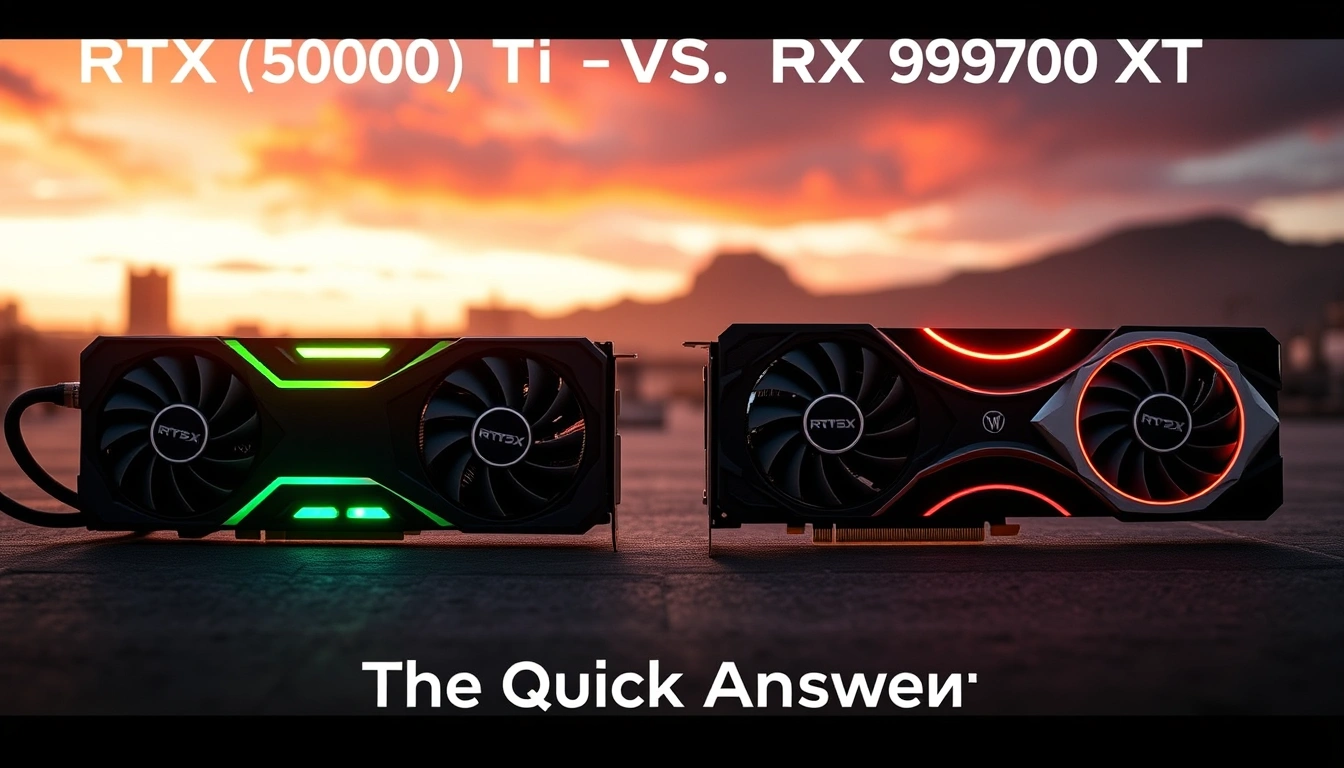

RTX 5070 Ti vs RX 9070 XT: The Value Question Up Front
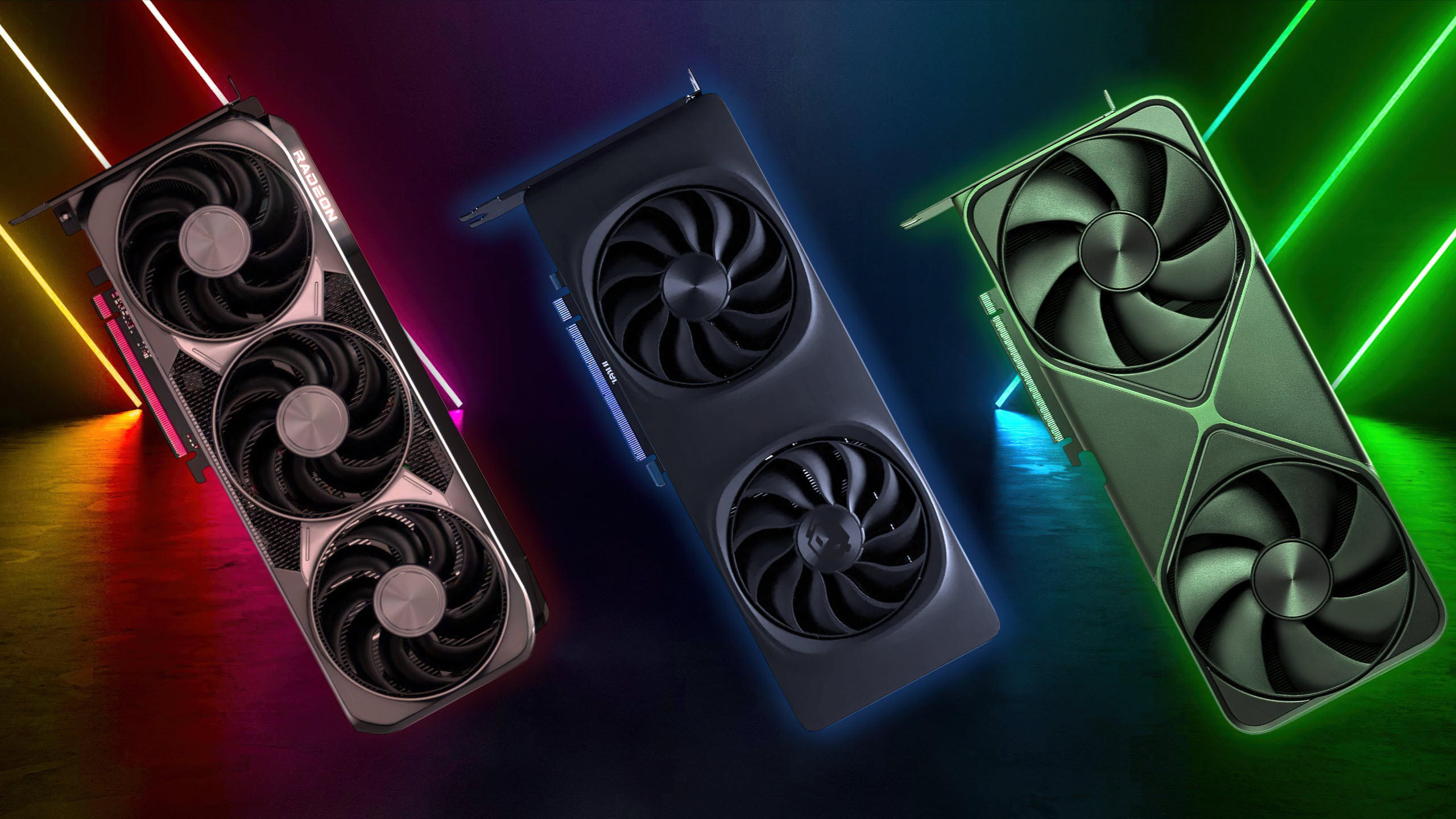
The RTX 5070 Ti vs RX 9070 XT comparison is a mid-range GPU value debate between NVIDIA’s Blackwell-based card and AMD’s RDNA4-based card, both aimed at 1440p-to-4K gaming and AI workloads but priced and architected so differently that buyers must weigh ray tracing quality, software ecosystem, and performance-per-dollar rather than raw frame rates alone. In straightforward terms, the RX 9070 XT is now the price-to-performance favorite for most 1440p players, while the RTX 5070 Ti is the premium choice for ray tracing, upscaling quality, and broader creator and AI tool support. If you care more about every dollar spent than every ray traced reflection, AMD’s card is the smarter buy; if you want the most polished experience in modern effects-heavy games and AI workflows, NVIDIA’s card still has an edge.

Core Specs and Architecture: Where Each Card Pulls Ahead
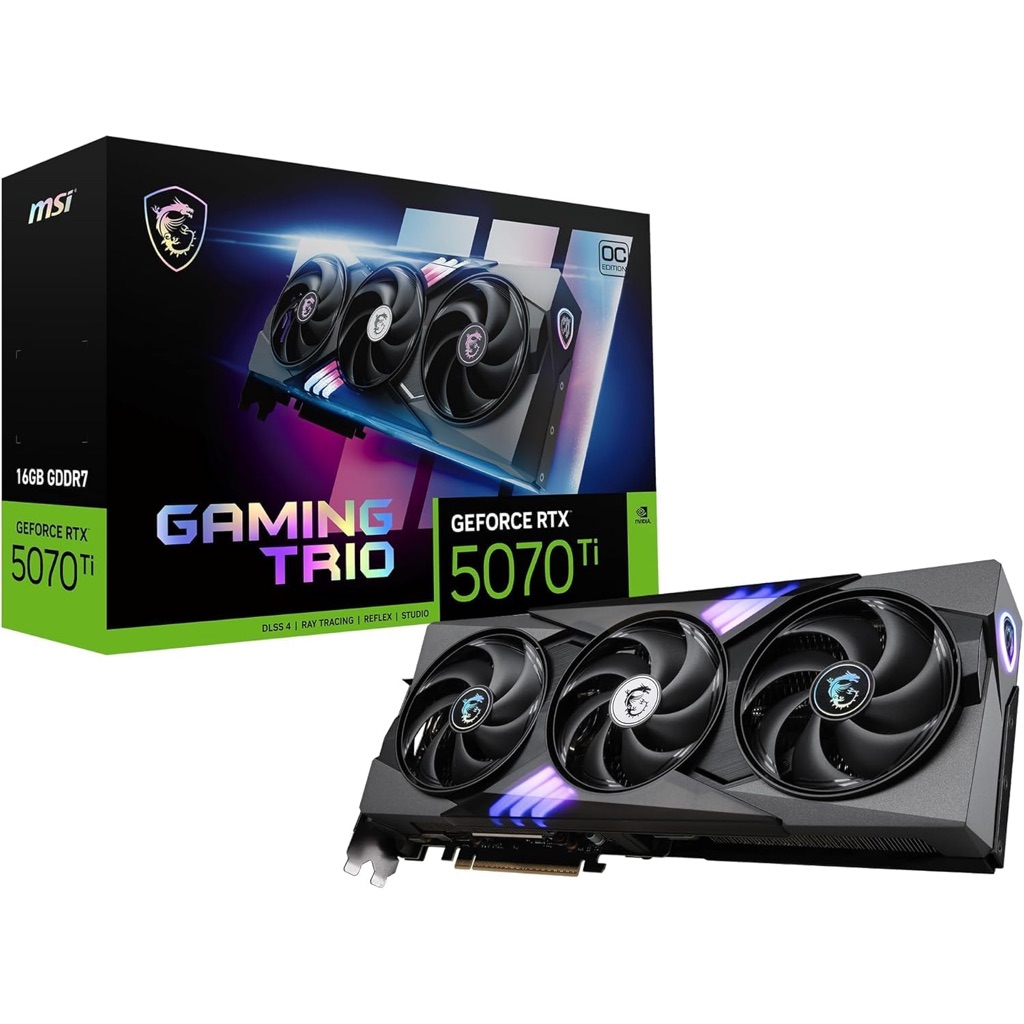
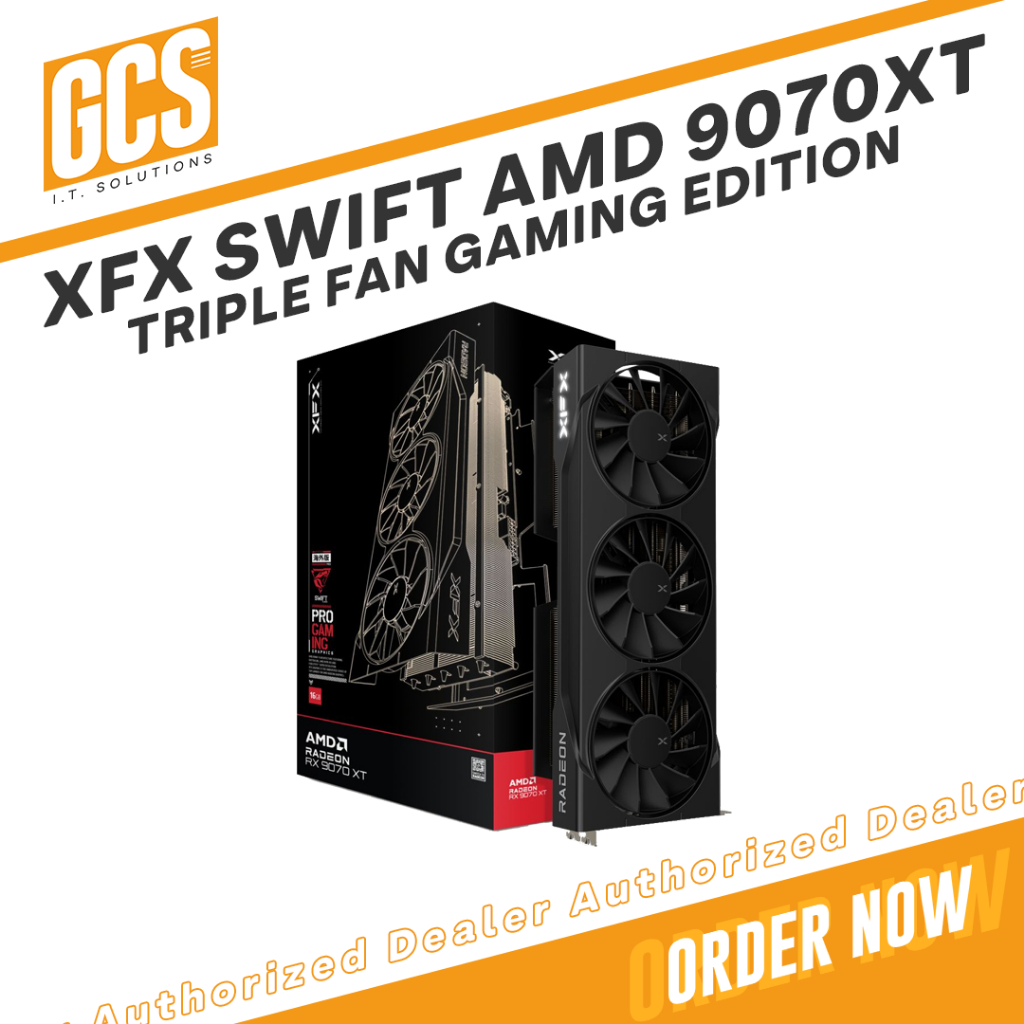
Both GPUs share a 256-bit memory bus and 16GB of VRAM, but they reach that target in different ways. The RTX 5070 Ti uses a Blackwell GB203 die with 8,960 CUDA cores, GDDR7 memory at 28 Gbps, and a huge 896 GB/s of bandwidth, while the RX 9070 XT relies on RDNA4 Navi 48 XTX, 4,096 stream processors, and GDDR6 at 20 Gbps for 640 GB/s. AMD counters NVIDIA’s faster memory with a higher boost clock of 2,970 MHz versus about 2,572 MHz on typical RTX 5070 Ti models, and a very similar total graphics power target around 300W on both cards. This is why both comfortably target “1440p ultra” while still having enough headroom to push many titles into playable 4K territory. The architectural split defines their strengths: NVIDIA’s design shines in memory-intensive and ray-traced workloads, while AMD’s simpler, higher-clocked approach delivers strong traditional raster performance at a lower cost.
| Spec | RTX 5070 Ti | RX 9070 XT |
|---|---|---|
| Architecture | Blackwell (GB203 die) | RDNA4 (Navi 48 XTX) |
| Cores | 8,960 CUDA cores | 4,096 stream processors |
| VRAM capacity | 16GB | 16GB |
| VRAM type | GDDR7 | GDDR6 |
| Memory bus | 256-bit | 256-bit |
| Memory speed | 28 Gbps | 20 Gbps |
| Memory bandwidth | 896 GB/s | 640 GB/s |
| Boost clock | Up to ~2,572 MHz (varies by AIB) | 2,970 MHz |
| Total graphics power | 300W | ~304W (AMD-stated) |
| Upscaling / frame gen | DLSS 4 with Multi Frame Generation | FSR4 |
| Launch MSRP | USD 749 (approx. ₱41,900) | USD 599 (approx. ₱33,500) |
Pricing Wars and Performance-Per-Dollar
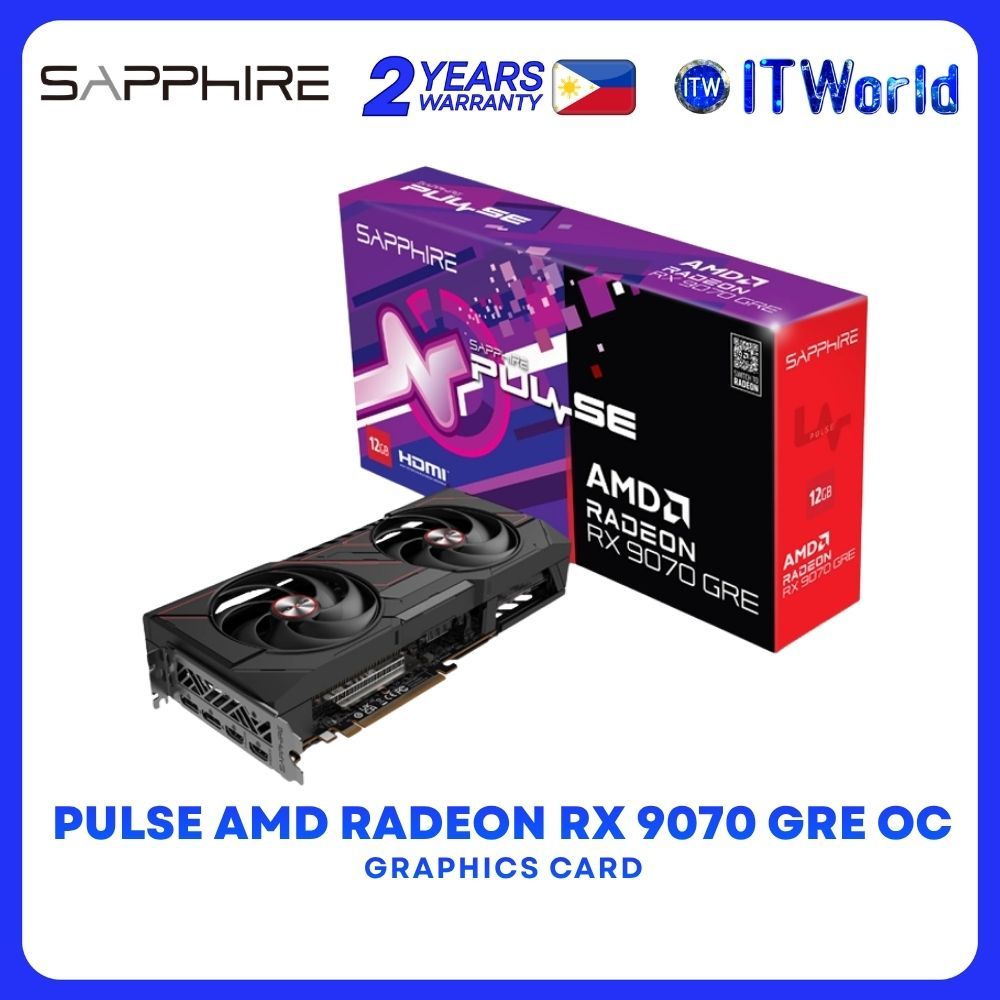
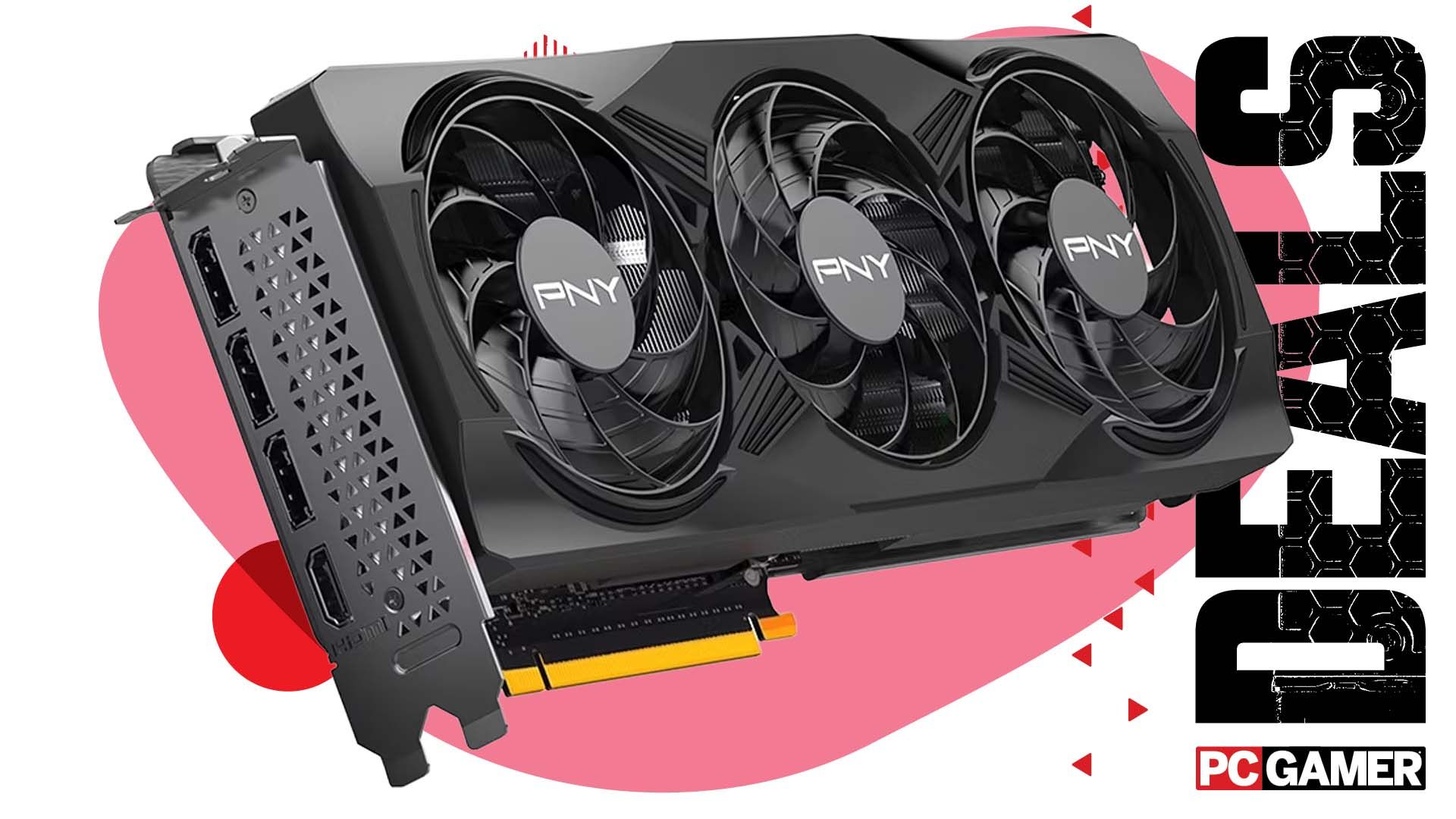
GPU pricing wars are now centered on mid-range GPU value, with both cards selling well above their original launch prices as component costs climb. The RTX 5070 Ti launched at USD 749 (approx. ₱41,900), while the RX 9070 XT started at USD 599 (approx. ₱33,500), and current street pricing widens that gap further, increasing the effective premium you pay for NVIDIA’s features. According to one detailed pricing analysis, both cards have seen price inflation, but the RTX 5070 Ti’s increase is larger in percentage and absolute terms. That matters because the RX 9070 XT doesn’t trail far behind in many real games once ray tracing is off, so its better price-to-performance ratio now favors buyers who play mostly rasterized titles. In the same crowded mid-range band, AMD has also pushed cards like the RX 9070 GRE down to USD 499 (approx. ₱27,900), undercutting several NVIDIA options and signaling how aggressive this segment has become.
Real-World Gaming and AI Workloads
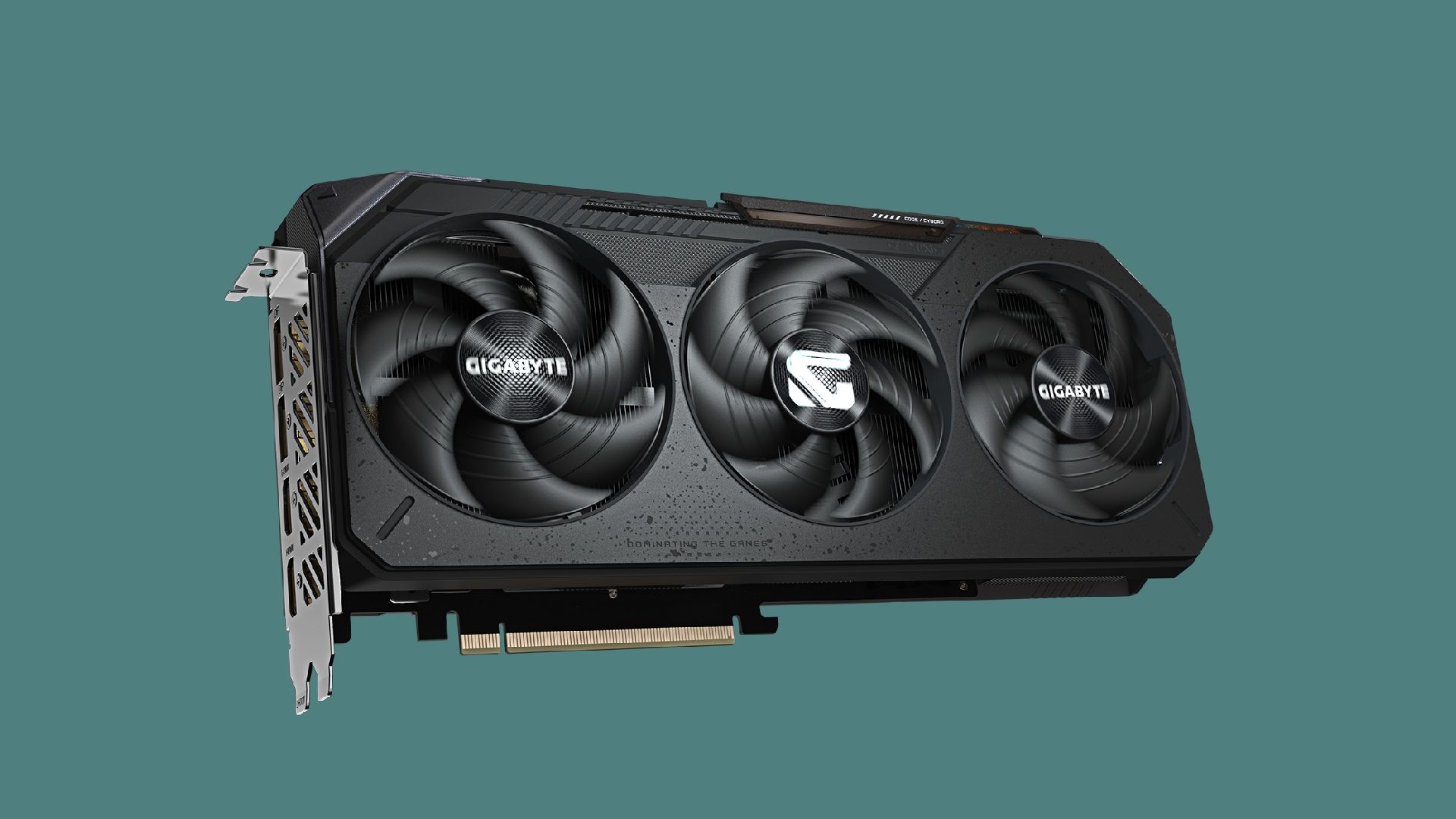
In traditional, non-ray-traced gaming, the RX 9070 XT often keeps pace with or beats the RTX 5070 Ti in specific titles, especially at 1440p and 4K. Benchmarks show it edging ahead in Cyberpunk 2077 at 4K (53 fps vs 50 fps) and beating NVIDIA by wide margins in some Call of Duty and Assassin’s Creed scenarios once ray tracing is off. Turn on ray tracing, however, and the RTX 5070 Ti’s architectural advantages and DLSS 4 support widen the gap: in demanding games like Black Myth Wukong at 4K with ray tracing, it can deliver more than double the frame rate of AMD’s card. Both target the same 1440p-to-4K gamer and AI user, but NVIDIA’s ecosystem, including DLSS 4 with Multi Frame Generation, remains stronger for advanced upscaling, creator pipelines, and AI acceleration. Both also share a downside: elevated prices compared with launch and no clear signal that costs will drop soon.
Buy if / Skip if
- Buy the RTX 5070 Ti if you prioritize ray tracing performance, DLSS 4 quality, and NVIDIA’s wider creator and AI software ecosystem over raw value per dollar.
- Skip the RTX 5070 Ti if you mainly play rasterized games at 1440p and want the best performance-per-dollar rather than the best ray tracing graphs.
- Buy the RX 9070 XT if you want strong 1440p and 4K raster performance, lower pricing, and are willing to accept weaker ray tracing to save money.
- Skip the RX 9070 XT if your favorite games lean heavily on ray tracing and you care more about those effects than about mid-range GPU value.
- Buy the RTX 5070 Ti if you rely on DLSS 4 with Multi Frame Generation and NVIDIA-focused AI tools for work or streaming as much as for gaming.
- Skip the RTX 5070 Ti if elevated street prices make its premium over the RX 9070 XT hard to justify within your total build budget.
- Buy the RX 9070 XT if you see the current GPU pricing wars as a chance to grab AMD’s better performance-per-dollar while NVIDIA charges more for ecosystem advantages.
- Skip the RX 9070 XT if you prefer staying inside NVIDIA’s driver model and feature set and value that consistency higher than saving on the card itself.