
Filters Stop Being Hardware, Start Being Workflow
Modular filter systems are professional video filters built around interchangeable, snap-on or drop-in optics and, increasingly, electronic ND filters, allowing crews to switch exposure, polarization, and diffusion options quickly across different cameras and lenses without re-rigging matte boxes or dismantling setups mid‑shot. The headline shift is that filters are no longer passive accessories; they are active workflow tools that let operators protect continuity and move faster between lighting conditions and creative looks. This matters because, in fast-paced production environments, every delay in swapping glass increases the chance of missing moments and compromising shot quality. Instead of treating filtration as an afterthought, these new systems argue that speed and repeatability are as important as image science, and that the physical design of a filter is now a core part of cinematography.
Snap-On Split Filters Turn Pocket Cameras Into Fast, Modular Rigs
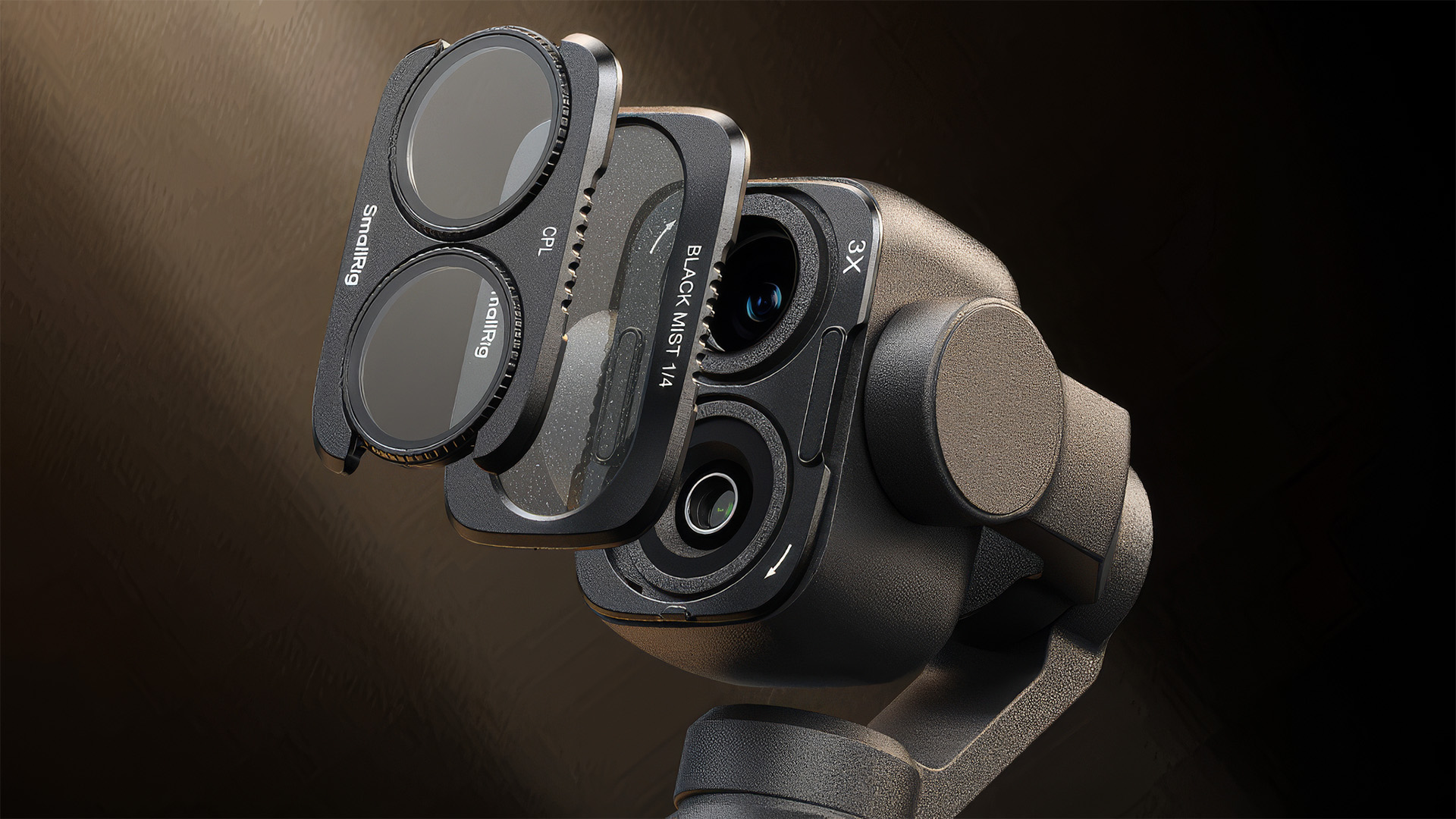
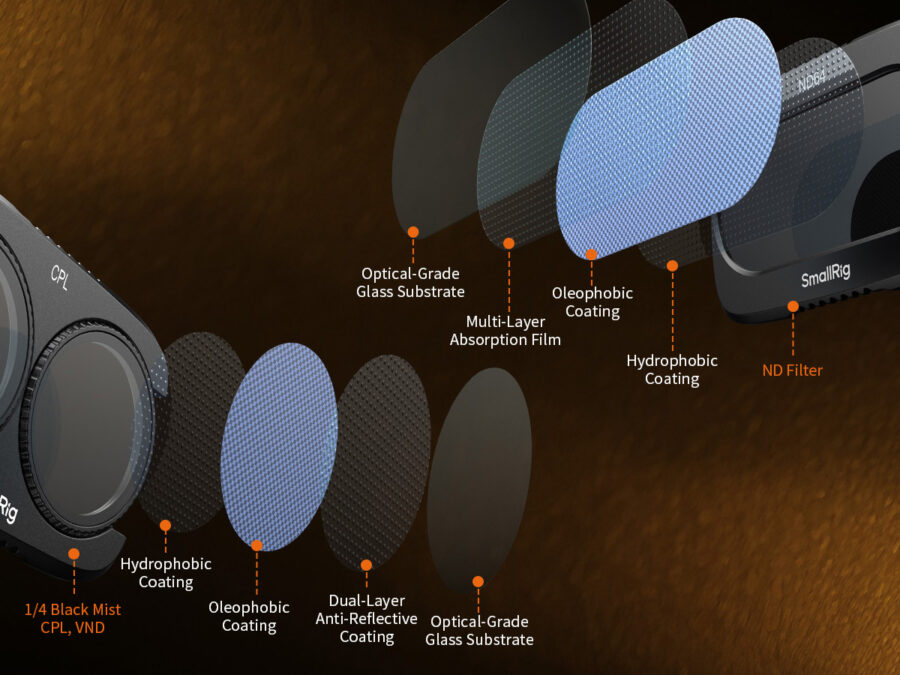
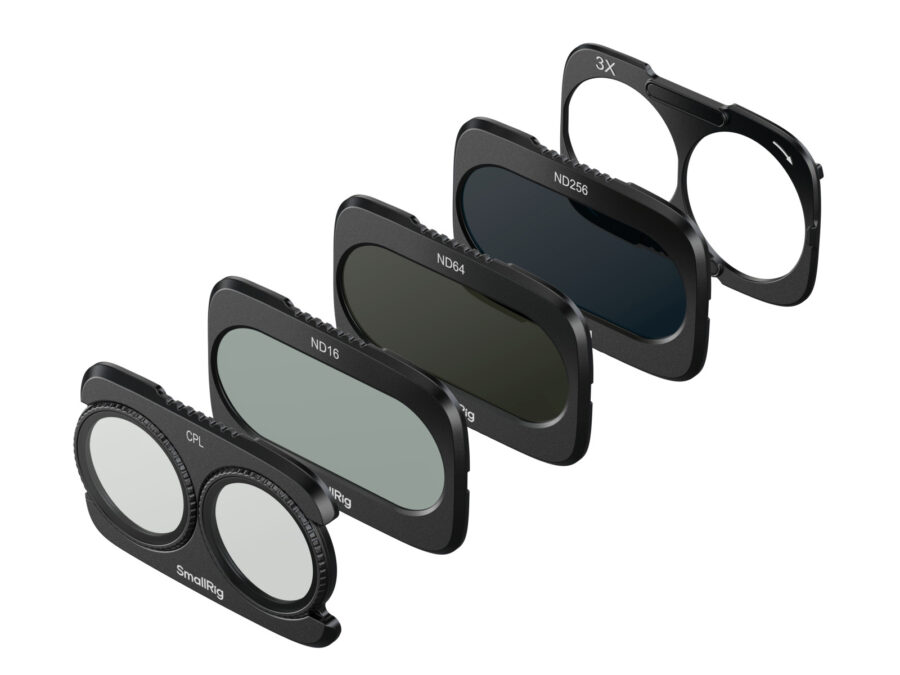
Small cameras used to mean slow, fiddly filter changes; SmallRig’s snap-on filter design for the DJI Osmo Pocket 4P is a pointed rebuttal to that old reality. Built as a dual-aperture, magnetic unit that covers both the 1-inch wide and 3x telephoto lenses in a single piece, it installs in seconds and keeps the gimbal free to move. The system comes in three Split Filter Kits—from fixed ND plus CPL to a bundle that adds an adjustable 1–5 stop VND and 1/4 Black Diffusion—priced between USD 45.99 (approx. ₱2,600) and USD 49.99 (approx. ₱2,800). The ability to stack up to two filters at once means operators can treat combinations like ND+CPL or ND+diffusion as presets instead of rebuilds, snapping them on via the magnetic base without threading anything. There is a minor caveat: crews are advised to power the camera on and off with only one filter mounted, which is a procedural detail but not a deal-breaker for fast shooting routines.
Electronic ND Filters Make Exposure a Remote-Control Decision
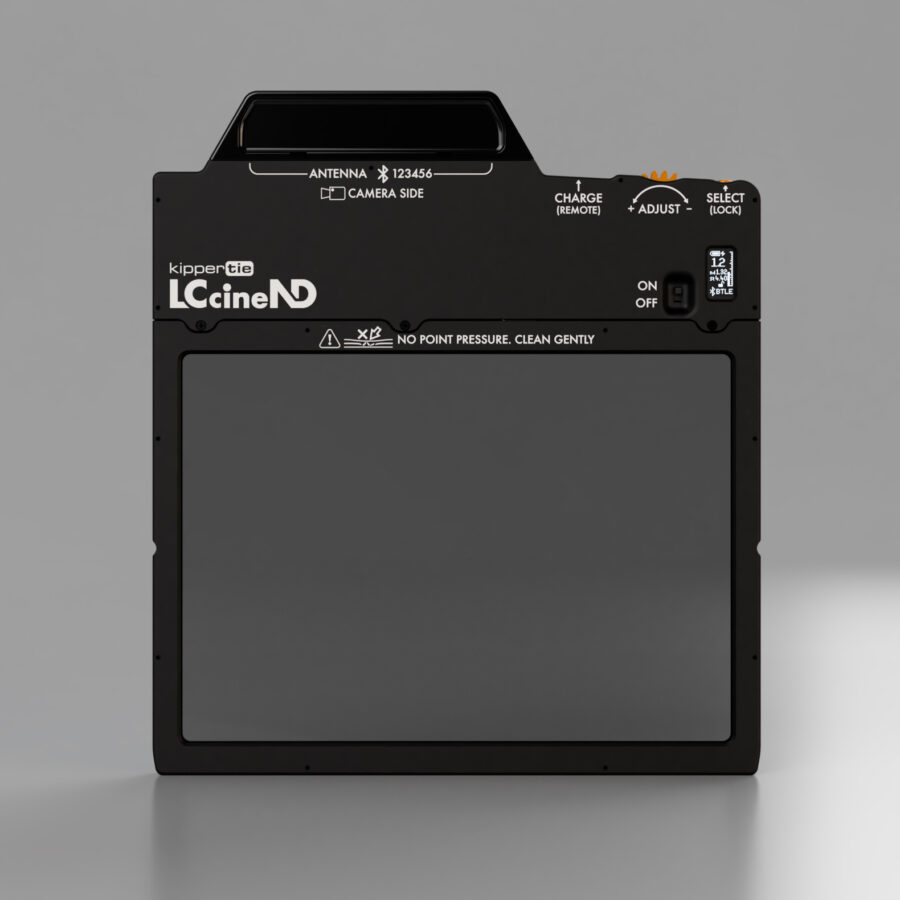
Electronic ND filters are the most radical part of this modular shift because they turn exposure control into a dial and an app, not a physical swap. The KipperTie LCcineND is a non-polarising electronic ND that drops into a single 4×5.65" matte box tray and covers a 1.5 to 5 stop range with fine, incremental control. According to the manufacturer, "LCcineND offers excellent color accuracy and consistency across all ND strengths" with only minimal magenta variation compared to no filter. A built-in control wheel with a MOD 0.8 gear profile lets assistants ride ND like focus—by hand or via follow focus motor—while Bluetooth ties it into a dedicated iOS app for remote adjustment. Priced at £1,750 (roughly USD 2,340 / approx. ₱131,000), it costs more than typical glass NDs but pays off in saved time whenever a director asks for a half-stop tweak mid-take and no one has to touch the lens or matte box.
Drop-In Modular Mounts Keep Lens Ecosystems Flexible
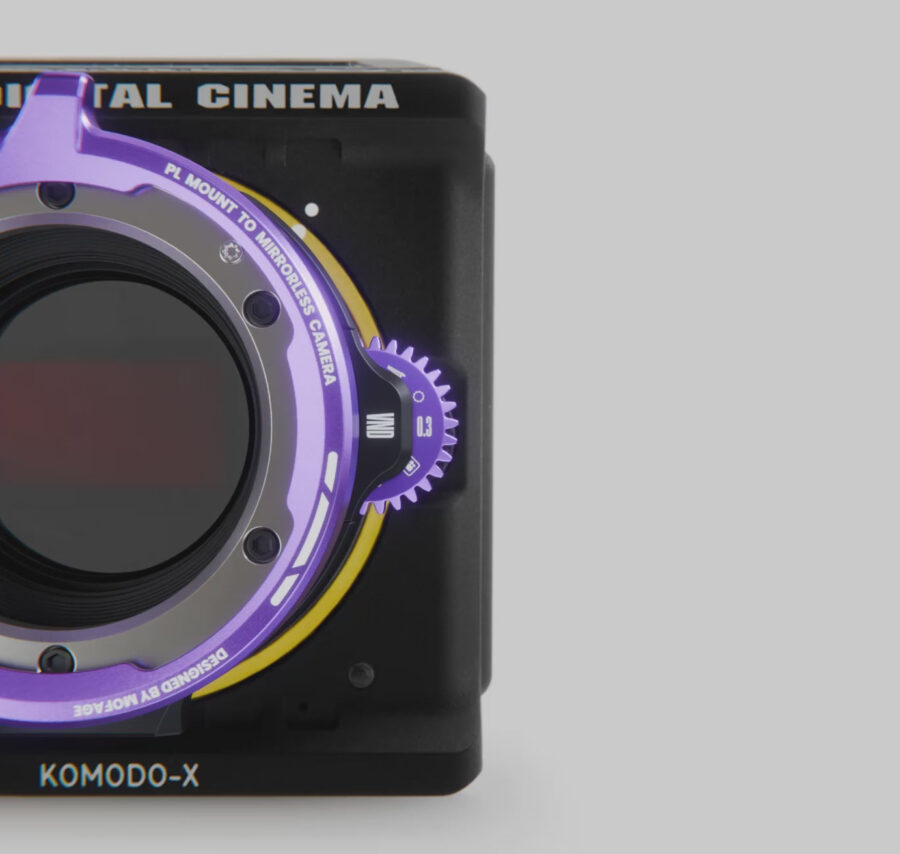
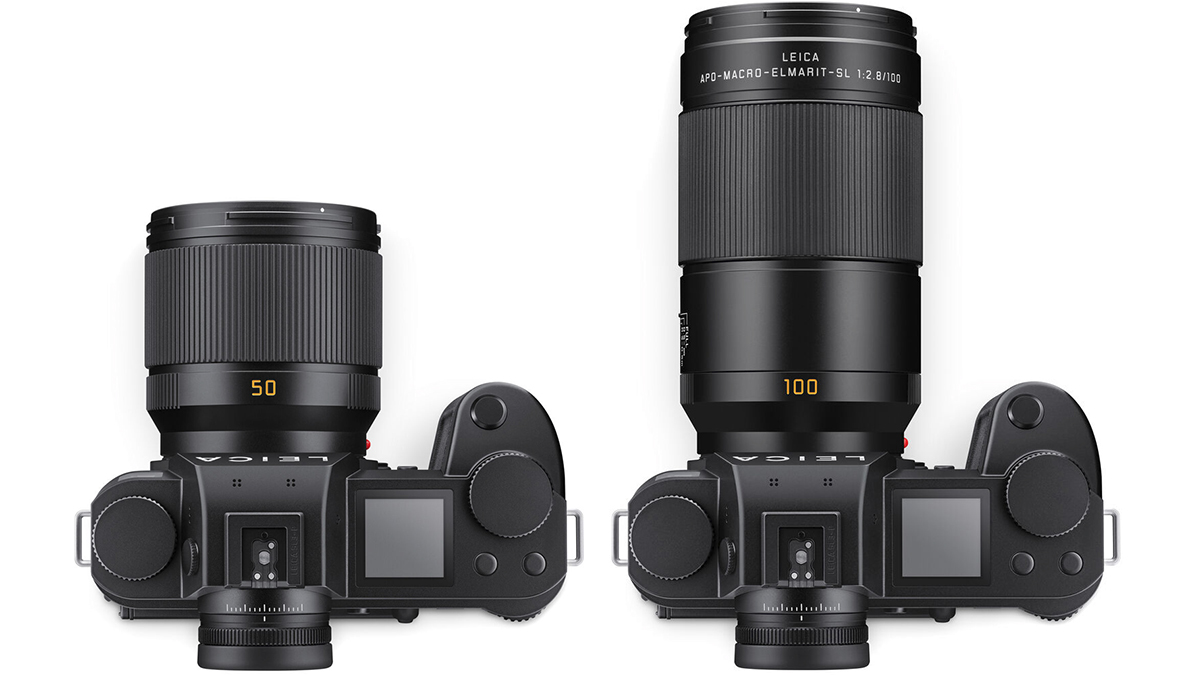
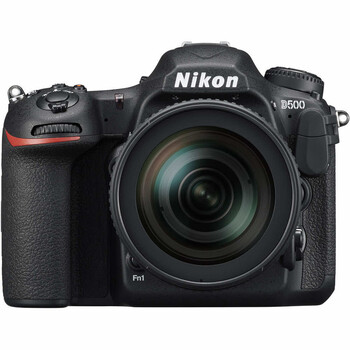
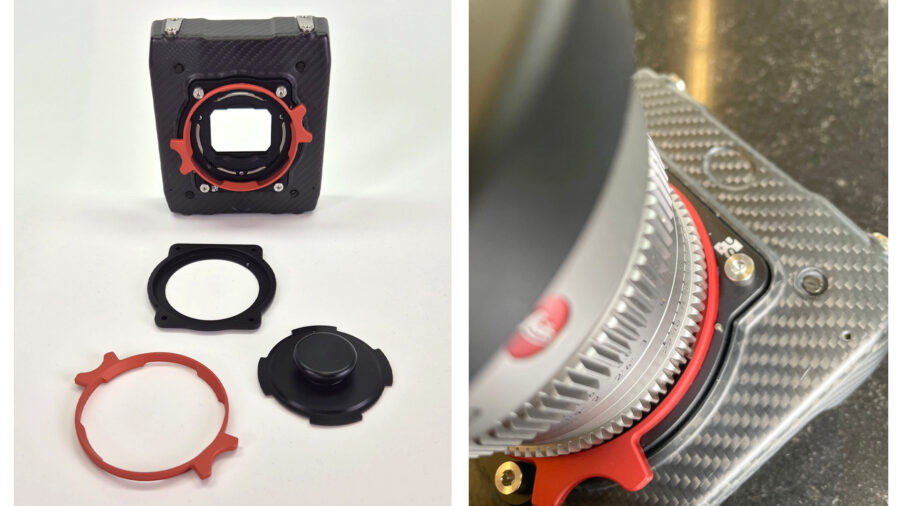
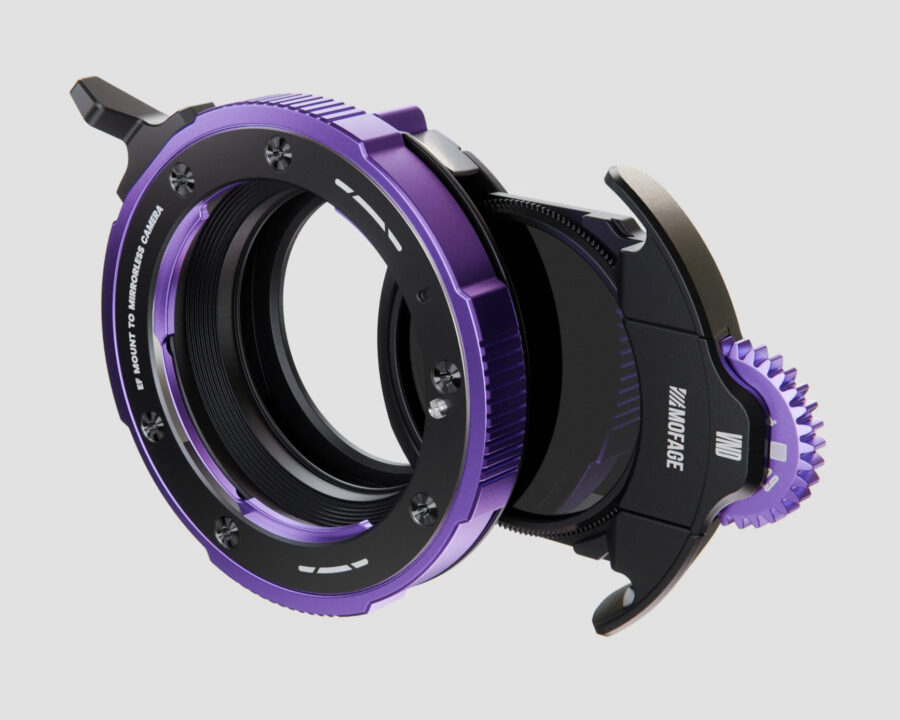
At the lens-mount level, modular filter systems are solving a long-standing headache: mixing lens standards without sacrificing internal ND or stacking more hardware on the front. The MOFAGE POCO II drop-in filter mount leans into this by using a modular design with interchangeable camera-side mounts—covering Sony E, Canon RF, Leica L, Nikon Z, FUJIFILM X, and KineMOUNT—and now adding a swappable front mount between ARRI PL and Canon EF. It preserves compatibility with first-generation POCO components, so earlier camera mounts and drop-in filters stay useful within the new ecosystem. This matters because the original POCO was already a compelling alternative to bulky matte boxes but struggled with certain PL lenses; POCO II increases clearance and introduces a second-generation VND module (still 1–8 stops) plus Clear, CPL, and effects filters to handle more rear-protruding optics. The PL variant retails at USD 439 (approx. ₱24,600) and the EF version at USD 339 (approx. ₱19,000), and both are due to ship by the end of July.
Why These Accessories Matter Now—and What Comes Next
Taken together, these tools show a clear trend: modern filtration is about workflow as much as image quality. Magnetic, snap-on filter design for compact dual-lens gimbals, remote-controllable electronic ND filters slotted into matte boxes, and modular drop-in mounts that bridge multiple lens standards are all aimed at the same pain point—time lost on set. The DJI Osmo Pocket 4P’s two-camera layout forced accessory makers to rethink how filters attach and stack, while the success and limits of the first POCO pushed MOFAGE toward a more flexible, lens-agnostic mount architecture. Meanwhile, bringing electronic ND into standard 4×5.65" trays makes a technology once tied to specific camera bodies available across different systems, with orders for LCcineND expected to ship in the first half of September. The new POCO II is already open for pre-order and should ship by the end of July, while SmallRig’s kits are on sale now, signaling that the filter drawer is becoming a modular, integrated part of every professional video workflow rather than a side accessory.