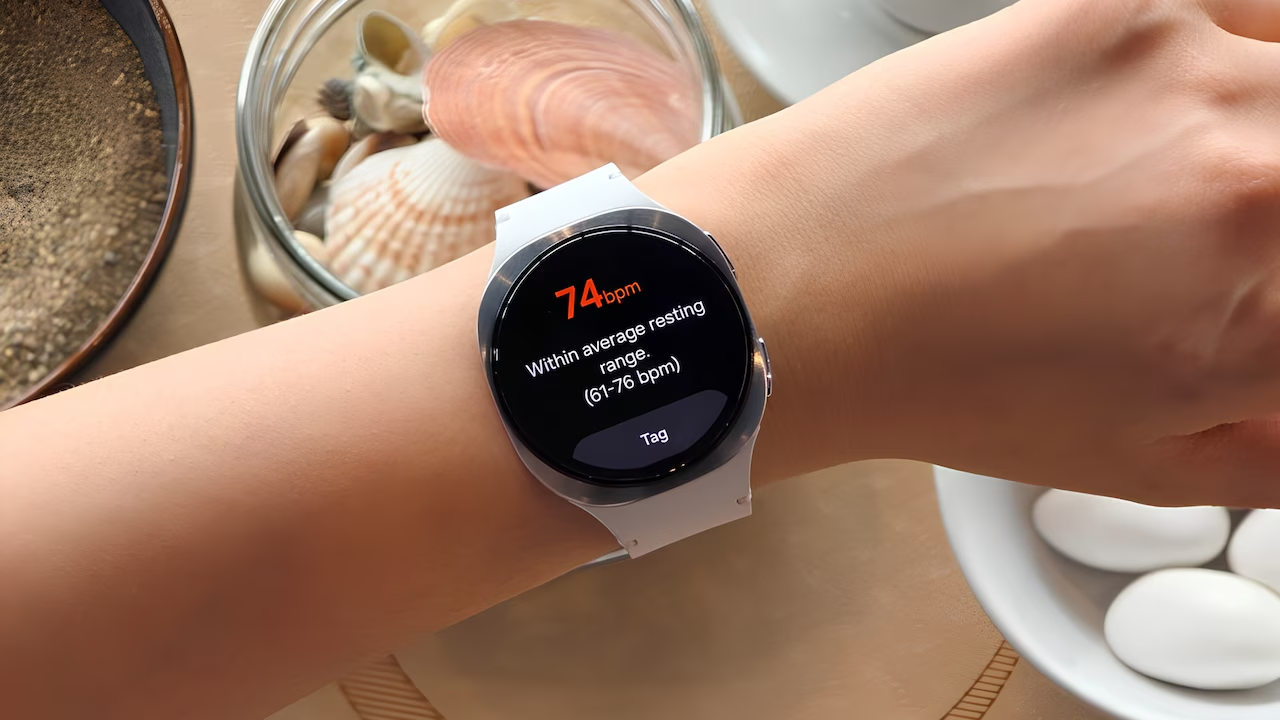

Samsung’s AI Health Bet: A Watch That Interprets Your Body
Samsung’s next Galaxy Watch is a health‑first smartwatch that uses AI, new internal components, and longer battery life to transform raw biometric tracking into proactive, personalized health monitoring that runs quietly in the background all day.
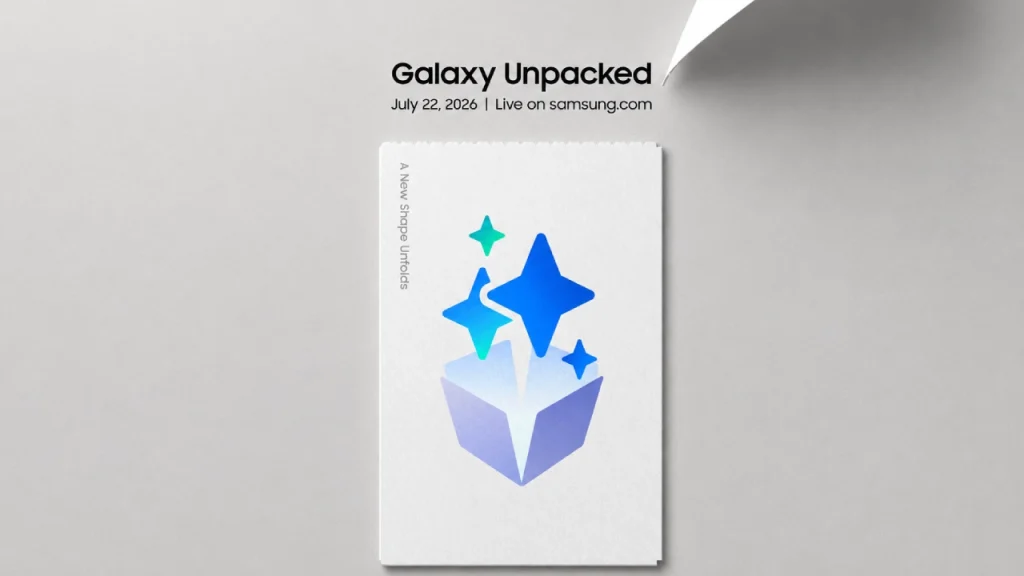
Samsung is not pitching another minor refresh; it is calling this the “next evolution” of Galaxy Watch and an “AI health companion” rather than a simple tracker. The company has confirmed that the upcoming model is built as a “health-first, always-on gateway for advanced, personalized AI,” with continuous background monitoring of how users rest, move, and sleep. This matters because most wearables drown people in charts instead of clear guidance. Samsung is signaling a shift from logging steps to interpreting patterns and nudging action in real time. With the next Galaxy Watch release locked in for Galaxy Unpacked on July 22 at 2 PM BST, Samsung is staking its wearable future on the promise that smarter AI, not more sensors, is what makes health tech useful.
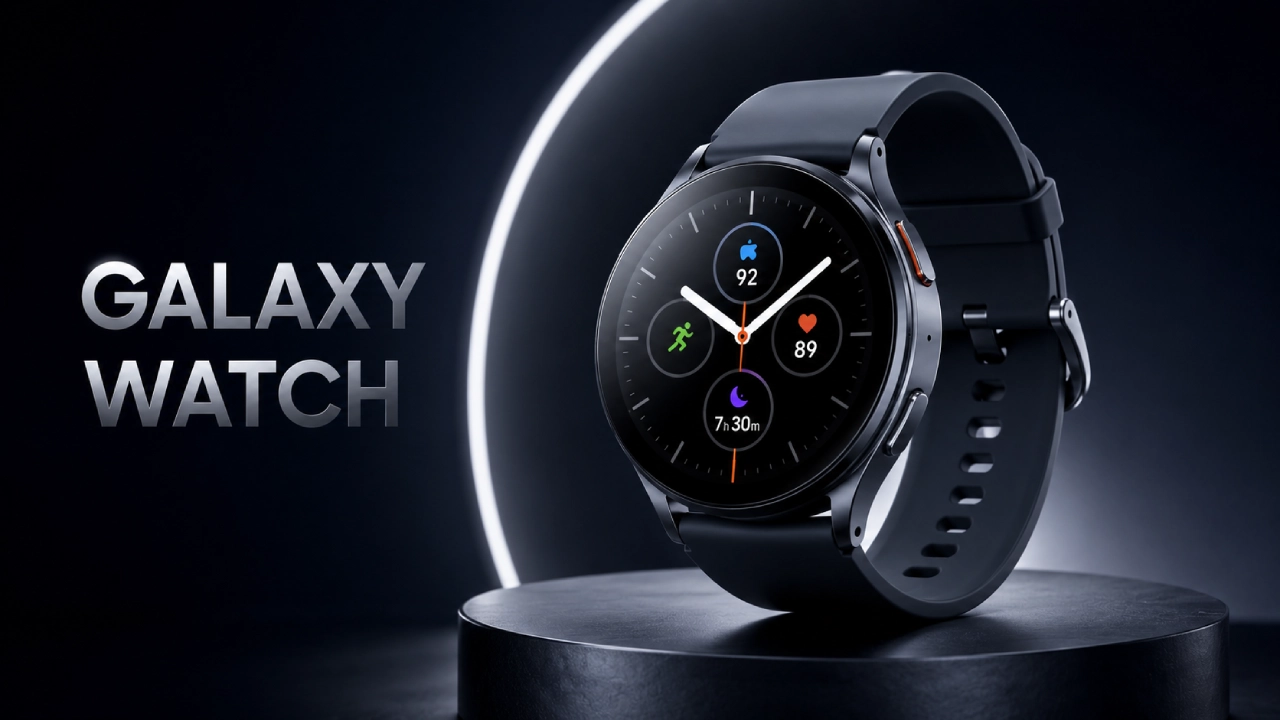
New Internals and Bigger Batteries: Fixing the Old Smartwatch Trade-Offs
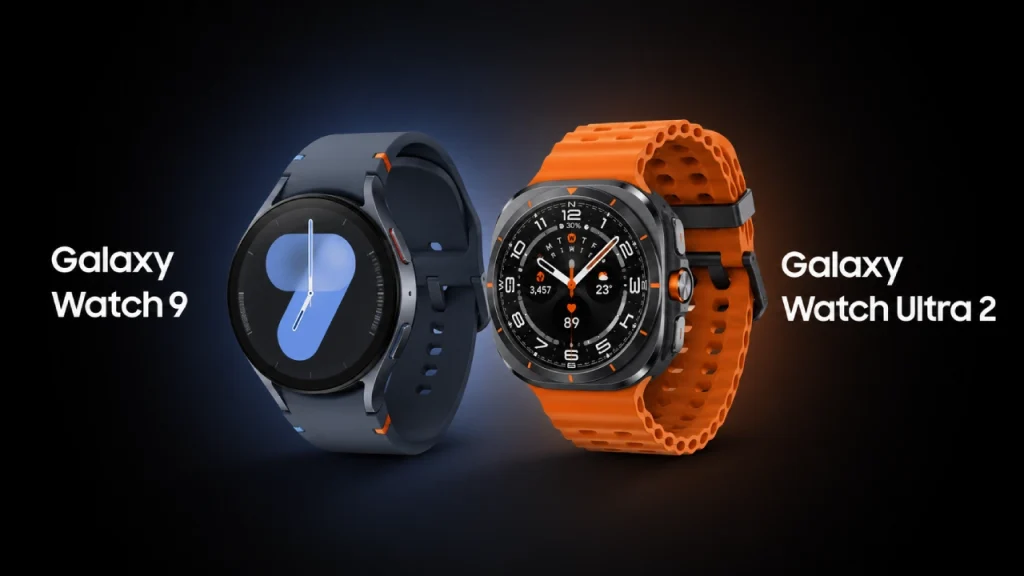
The most important hardware news is not another sensor; it is that Samsung says the watch is built on “all-new internal components” with “enhanced battery life.” That is a direct response to years of complaints that Galaxy Watches promise health monitoring but struggle to last beyond a day of real use. According to reports, the Galaxy Watch 9 will come in 40mm and 44mm sizes, with 438-by-438 and 480-by-480 displays respectively, while the Watch Ultra 2 is expected to pack a large 800mAh battery in a titanium case with a screen that can hit 5,000 nits of brightness.
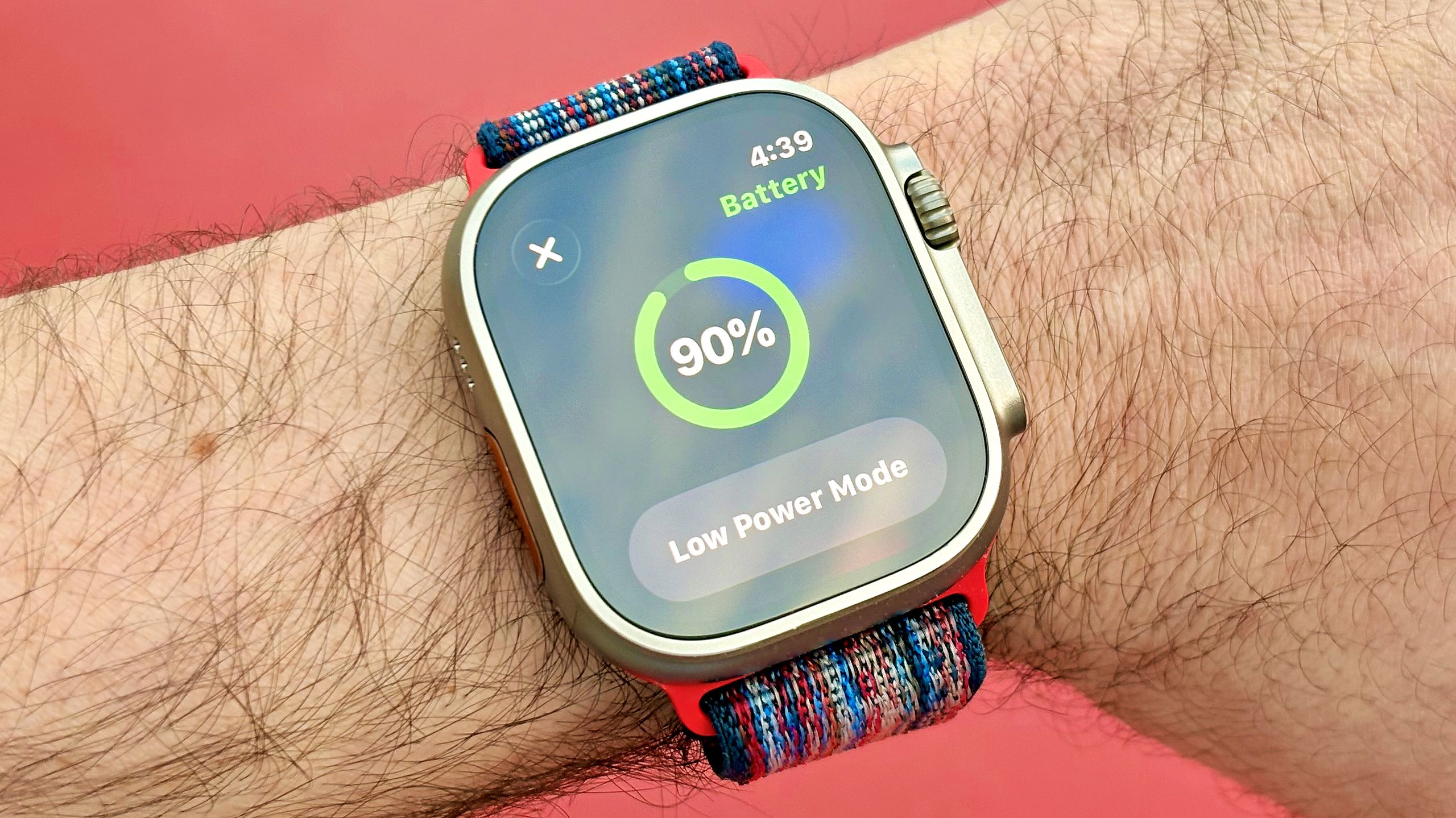
Those numbers are not about spec bragging; they are about whether AI smartwatch health monitoring can run continuously without users rationing features. Samsung’s language about an “always-on gateway” and “a whole new level of effortless wellness” depends on a watch that survives sleep tracking, workouts, and all‑day notifications without constant charger anxiety. If the new internals and larger batteries deliver, the next Galaxy Watch AI experience might finally feel like a background service instead of a power-hungry hobby.
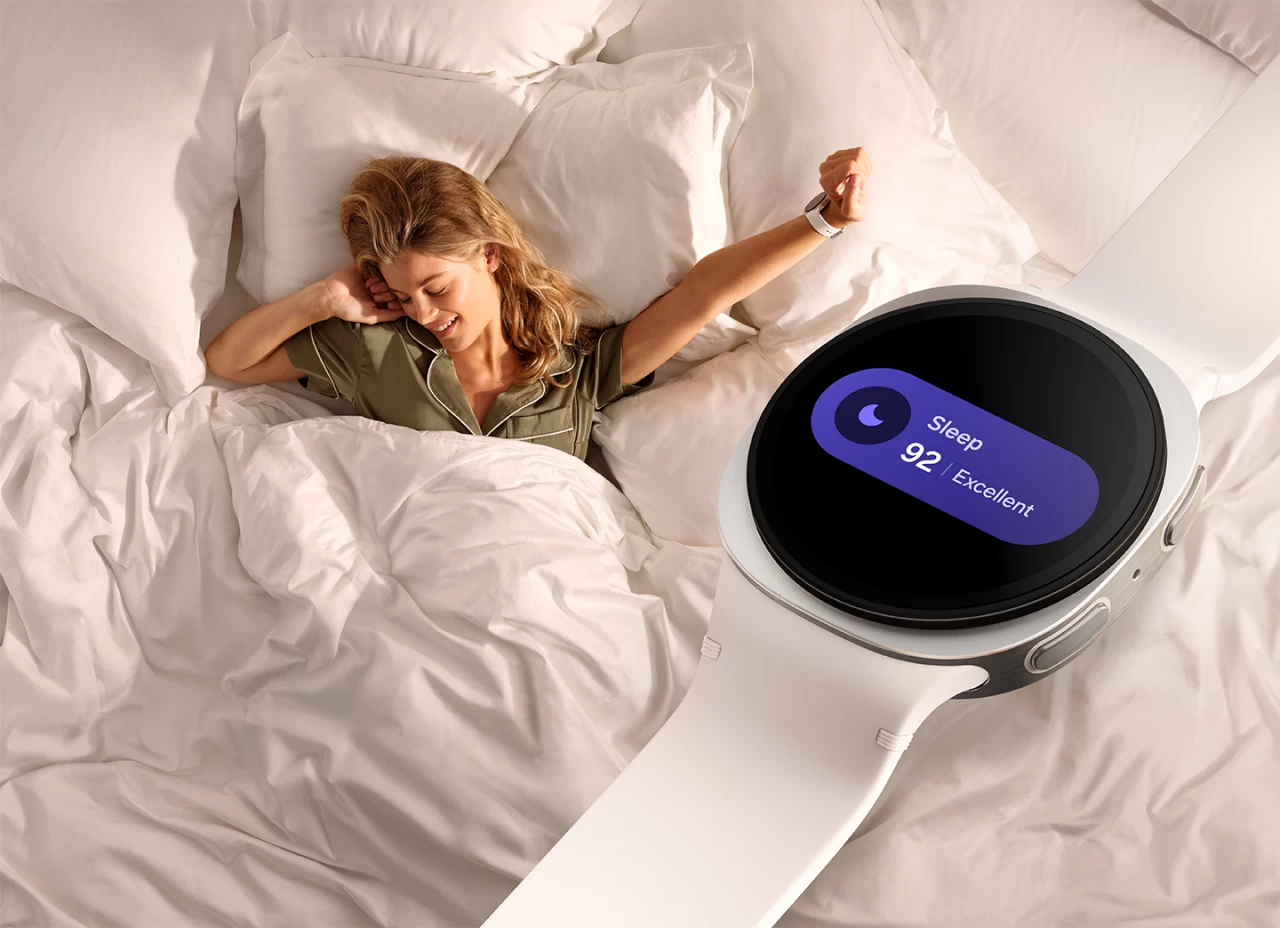
From Data Logs to an AI Health Companion
Samsung’s most ambitious claim is that the next Galaxy Watch is an AI health companion that “does not just collect data about you, but actively participates in making sense of it.” The company says the watch will “continuously monitor health metrics in the background” and evolve from tracking how we rest, move, and sleep to helping us “better understand and proactively manage our health in real time.” This is the heart of the Samsung Galaxy Watch AI pitch: translating subtle trends into timely, digestible insights instead of dashboards.
Current Galaxy Watch health features already include AI-powered wellness tools such as Energy Score, sleep coaching, and advanced health tracking, but those have still leaned on users to interpret graphs and scores. By centering the watch as a health-first, always-on AI gateway, Samsung is promising more context and fewer homework assignments. If the company delivers on proactive alerts, pattern recognition, and personalized recommendations, this next Galaxy Watch release will push the category toward watches that behave less like fitness logbooks and more like health partners.
Why Samsung Is Confident: A Growing Research Backbone
This shift toward AI smartwatch health monitoring is not happening in a vacuum. Samsung has been building a clinical story around Galaxy Watch all year. In May, it launched a joint study with Massachusetts General Hospital to see whether Galaxy Watch can help monitor GLP‑1 weight‑loss treatment effectiveness in patients, tying consumer wearables to one of the most talked‑about drug categories in modern healthcare. Earlier the same month, Samsung announced a world‑first breakthrough in fainting prediction, showing the watch can detect signals of vasovagal syncope before an episode and give users advance warning.
These studies give weight to Samsung’s promise that AI‑driven insights can help users “proactively manage their health in real time.” Rather than leaning only on marketing, Samsung is using research to justify its AI health companion narrative. That matters for trust: if a watch claims it can see fainting risks coming, users will ask what evidence backs it. By tying Galaxy Watch health features to named clinical partners and specific use cases, Samsung is trying to make its AI look less like a black box and more like an informed second opinion.
What to Watch for at Unpacked: Promise vs. Daily Reality
On July 22, Samsung will finally remove the mystery layer around its next Galaxy Watch release, confirming full specs, pricing, and availability details at Galaxy Unpacked. Leaks point to a 40mm Wi‑Fi Watch 9 at €409, a 44mm Wi‑Fi model at €439, and an Ultra 2 at €749, which is €100 higher than the original Ultra model. Between now and the event, expect more teasers highlighting specific Galaxy Watch health features and design elements as Samsung builds momentum.
The real test will come after launch: does the Samsung Galaxy Watch AI experience stay useful when the novelty fades? Continuous monitoring means nothing if notifications are noisy or vague. Enhanced battery life only matters if people can wear the watch through nights and workouts without thinking about chargers. And an “AI health companion” is only credible if its insights are clear enough that users change habits because of them. If Samsung can make the watch feel like an unobtrusive, always‑there guide rather than another screen to babysit, this Galaxy Watch generation will deserve the “next evolution” label it is already claiming.