
Verdict first: a light, capable tracker with clear accuracy limits
Fitbit Air accuracy refers to how closely the device’s wrist-based sensors and algorithms match clinical-grade tools when measuring everyday metrics like heart rate, calories burned, sleep, and activity, revealing the gap between consumer health tracker reliability and gold-standard monitoring systems. After three weeks of testing, my verdict is that the Fitbit Air is a very comfortable, capable everyday tracker with heart rate data that’s good enough for casual training, but its calorie estimates and occasional tracking misses make it a poor choice if you need precise numbers for nutrition planning or serious performance work. It shines as a lightweight, screenless wearable for general health trends at USD 99 (approx. ₱5,600), especially when paired with the Google Health subscription, but it should sit firmly in the “insightful guide” category, not the “clinical truth” one.
Pros
- Extremely light at 12g and easy to wear day and night
- Battery life often exceeds eight days per charge with regular workouts and sleep tracking
- Heart rate data closely tracks a chest strap overall, with under 2.5% error in tested sessions
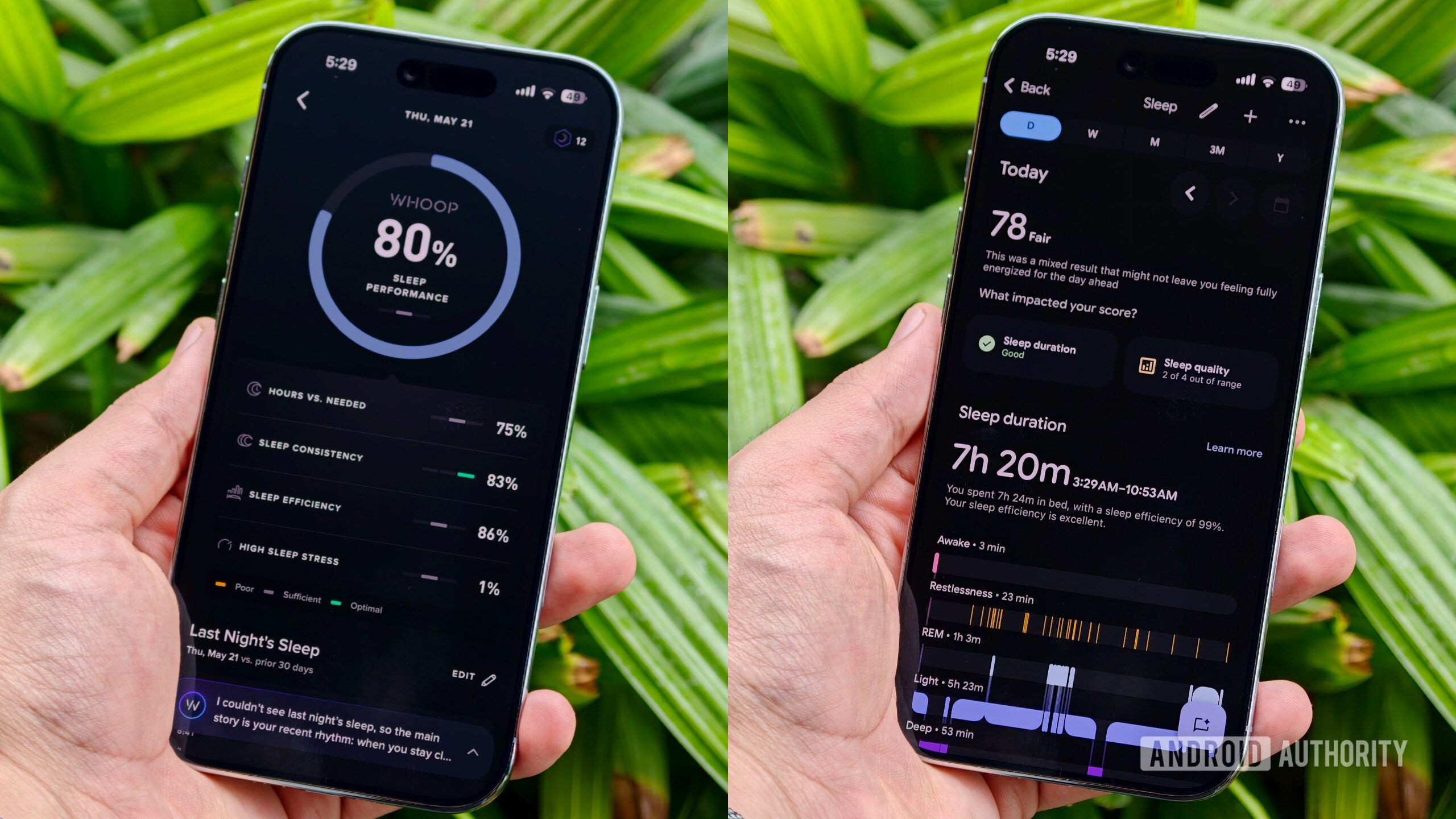
- Google Health app presents a clear daily summary and AI context for health metrics
Cons
- First-week experience showed missed sleep sessions and unreliable workout tracking
- Calories burned estimates were off by about 12% on the treadmill and up to 30.9% in strength training
- Can miss short, intense heart rate spikes and momentary changes during variable-intensity exercise
- Requires an ongoing Google Health subscription for the full set of insights
Design, comfort, and battery: the reasons you’ll keep wearing it
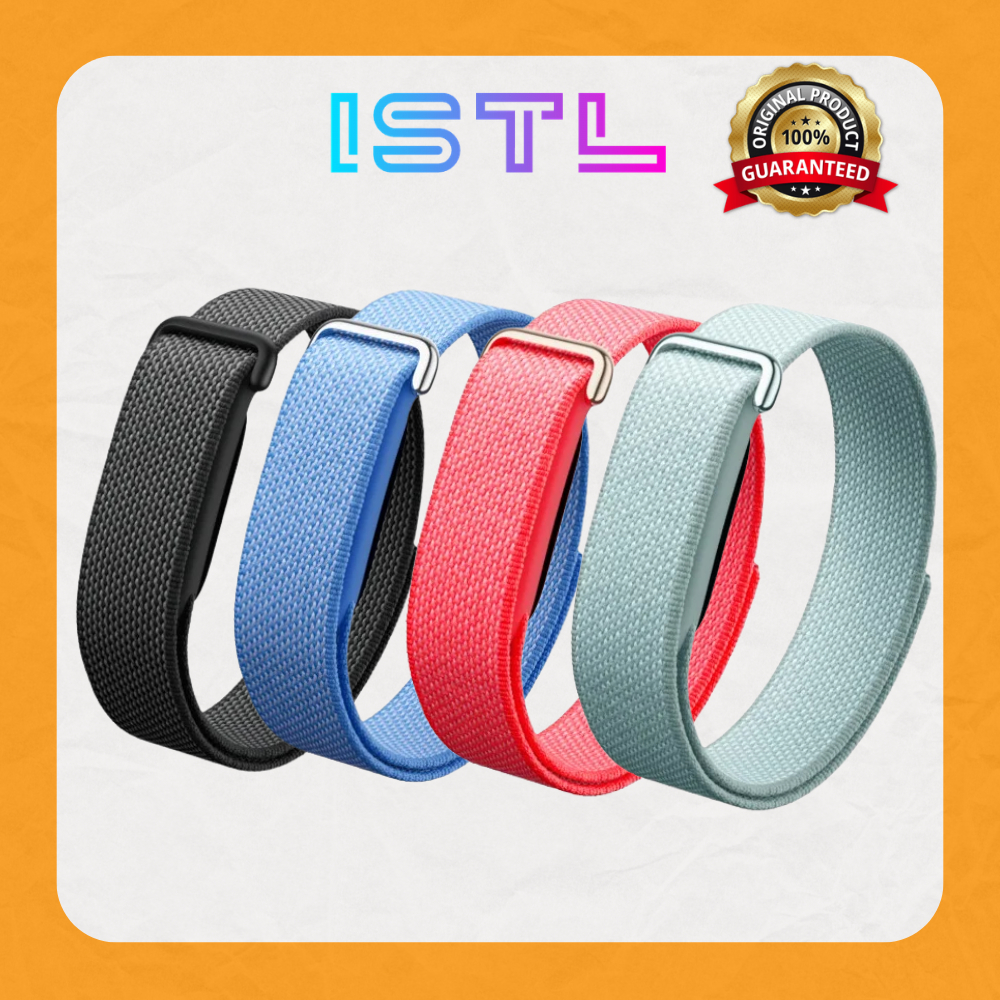
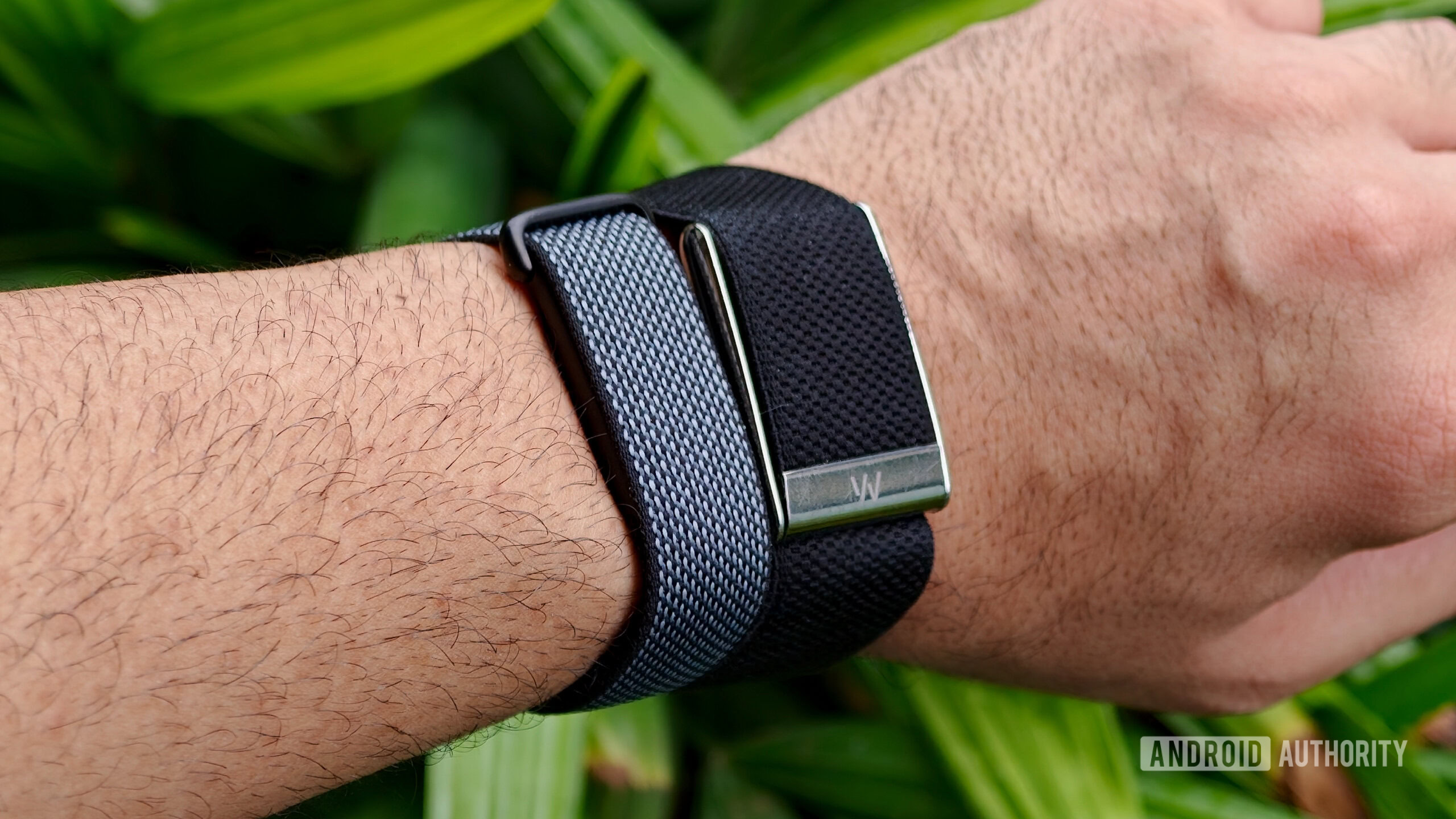
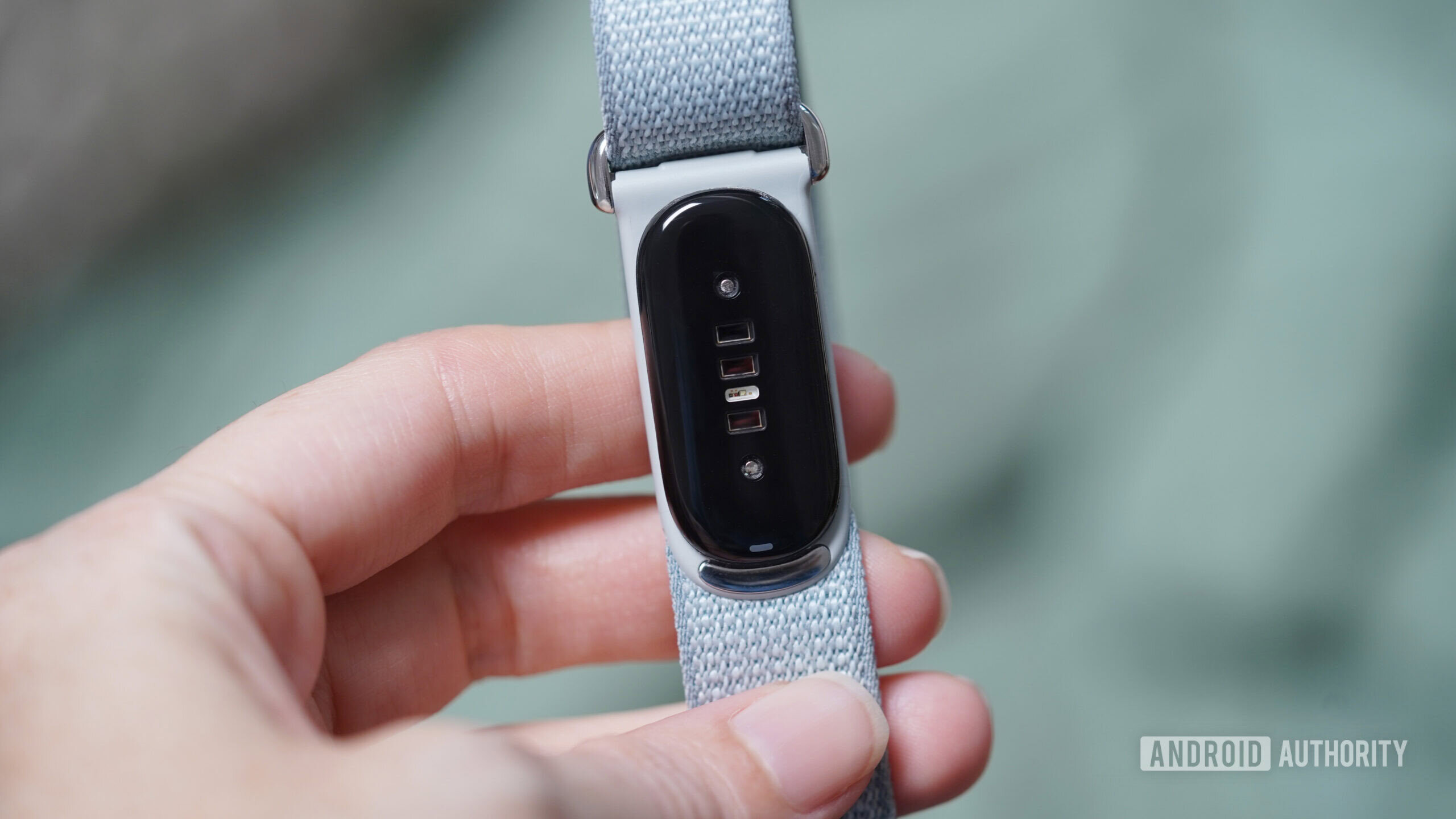
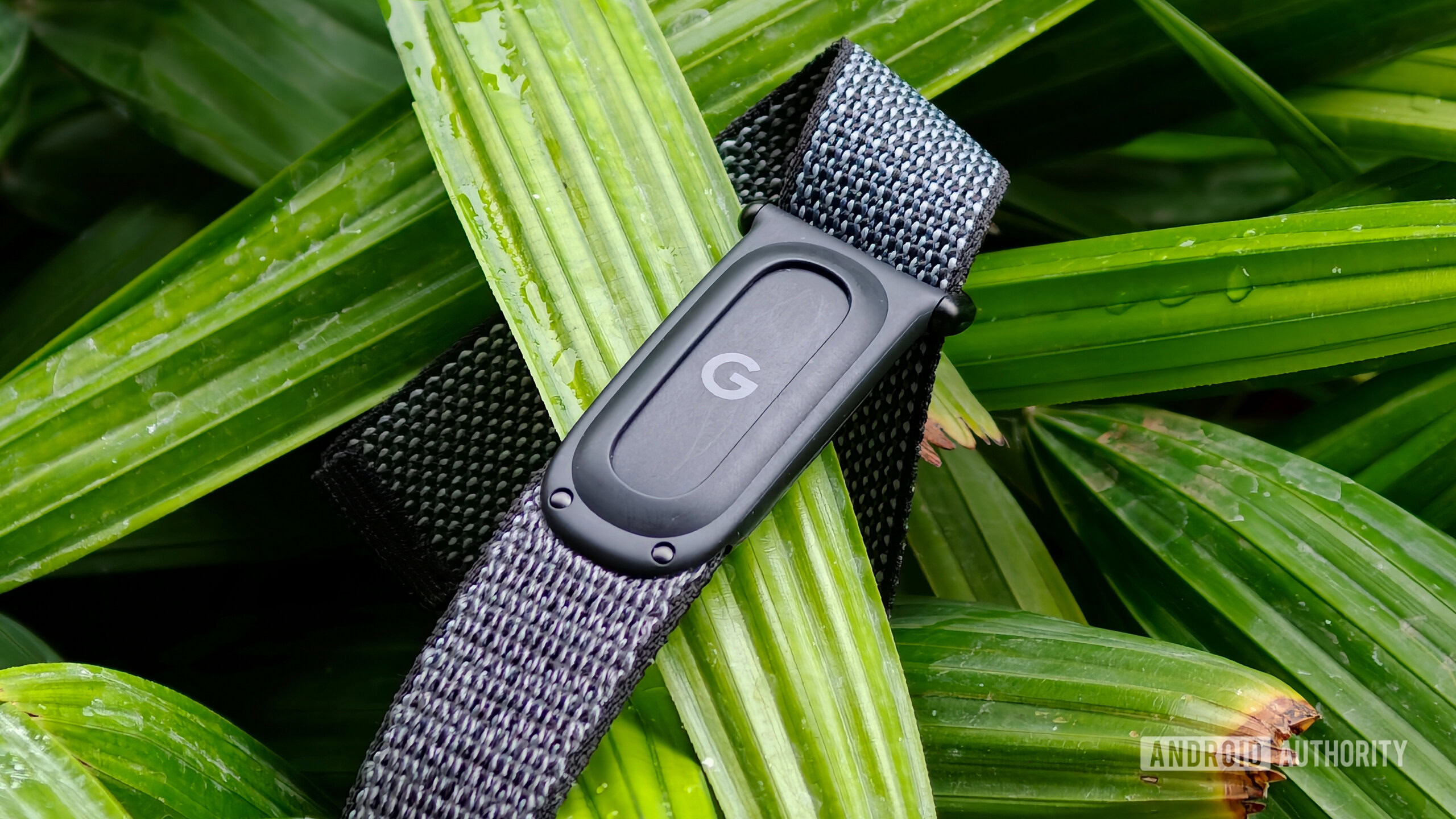
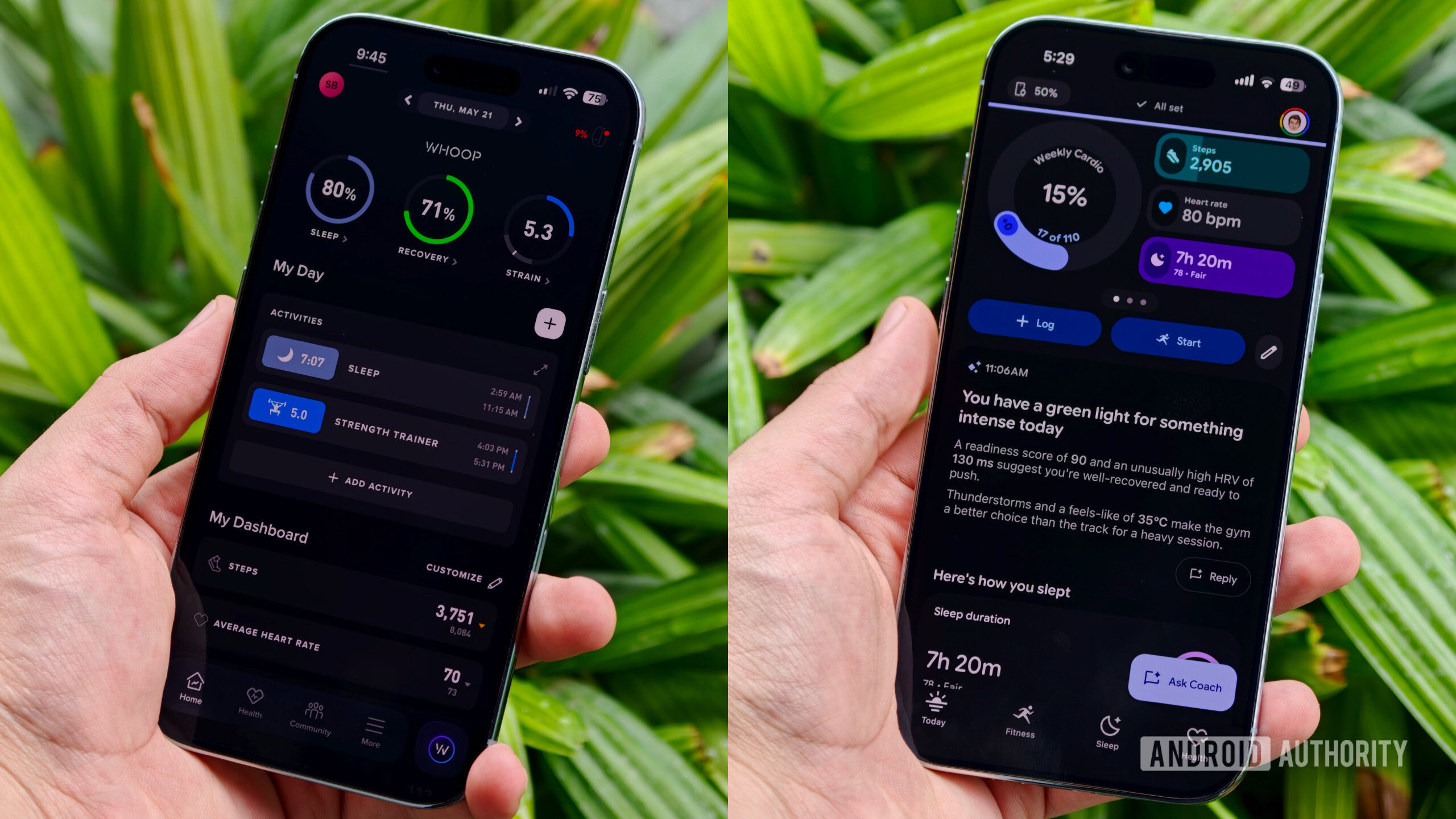
Before talking about health tracker reliability, it is worth asking whether you will keep the device on your wrist at all. The Fitbit Air’s biggest strength is comfort: at 12g, it barely feels like anything is there, which makes it far easier to wear nonstop than a typical smartwatch or even some band-style trackers. The device is also noticeably smaller than the WHOOP MG, roughly half the size, which helps it disappear on the wrist and during sleep. That small size does not punish battery life. Against the claim of up to a week of use, long-term testing produced more than eight days per charge with regular workouts and continuous sleep tracking. This combination of being unobtrusive and lasting well past a typical charging cycle is what moves the Air from “interesting gadget” to “habit-forming tool” for many people.
| Aspect | Fitbit Air | User takeaway |
|---|---|---|
| Weight | 12g tracker | So light you often forget it is on, ideal for 24/7 wear |
| Size vs WHOOP MG | Almost half the size | Smaller footprint improves comfort, especially for sleep |
| Battery life | Over 8 days per charge in testing | Charge roughly weekly even with workouts and sleep tracking |
| Price for hardware | USD 99 (approx. ₱5,600) | Affordable entry point for a passive fitness tracker |
| App experience | Google Health with Premium option | Simple summaries and AI explanations instead of raw-data overload |
Heart rate accuracy: close to gold standard, with timing caveats
For wearable heart rate monitoring, the Fitbit Air does better than you might expect, but not perfectly. In treadmill testing against a Polar H10 chest strap, which has shown “almost perfect agreement” with an ECG system in at least one study, the Air’s average, minimum, and maximum heart rate readings stayed within roughly 2.5% of the strap’s values. The graphs matched closely once the pace settled, showing that for steady-state cardio the Air can be a dependable guide. However, wrist devices inevitably lag during sudden changes. At one point, the chest strap recorded 141 bpm as running started while the Fitbit Air showed only 109 bpm in that same minute, and similar gaps appeared as speed varied. Because blood takes longer to reflect momentary changes at the wrist, the Fitbit Air may miss short peaks or dips, especially in interval work or strength training with brief surges.
Calorie tracking errors: why the numbers are only ballpark
Calorie counting via wearables should not be treated as precise, and Fitbit Air accuracy underlines this. When calories burned on the treadmill were compared to the Polar H10 chest strap, the Air underestimated by nearly 12%: 143 kcal on the strap versus 126 kcal on the Fitbit. In strength training, where intensity jumps and falls quickly, the gap grew to 30.9%: 152 kcal from the chest strap against 105 kcal from the Air. These devices use formulas that factor in heart rate, age, weight, sex, and activity intensity, and small inaccuracies stack up fast. As one tester put it, “I didn't expect the Fitbit Air to be 11% to 30% off in its calories burned estimations”. If you are using calorie data for diet or weight management, treat it as a rough range rather than a hard number, and resist making fine-grained nutrition decisions from these estimates alone.
Real-world reliability and who the Fitbit Air makes sense for
Three weeks of hands-on use show a pattern many health trackers share: they improve, but they are not flawless. The first week with the Fitbit Air was rough, with missed sleep sessions and unreliable workout tracking. Over time, however, the device seemed to calibrate to the wearer’s body and tracking quality became noticeably better. One tester came away impressed enough by the heart rate data to say they would recommend the Air as a reliable health tracker for that reason, yet the same tests highlighted gaps in calorie estimates and short spikes. This is the key context for fitness enthusiasts. If you depend on detailed strain analysis, recovery scores, or minute-by-minute workout insight, a more specialized system such as WHOOP remains the better tool. If, instead, you want a comfortable, affordable band for general trends—and are willing to see its numbers as helpful approximations rather than clinical measurements—the Fitbit Air fits that role well.
- Buy the Fitbit Air if you want a lightweight, screenless tracker that is comfortable enough for 24/7 wear and sleep.
- Skip the Fitbit Air if you rely on precise calorie data for diet, weight management, or detailed nutrition planning, because estimates can be 11% to 30.9% off.
- Buy the Fitbit Air if mostly accurate heart rate trends are enough and you value an app that summarizes data with clear AI explanations.
- Skip the Fitbit Air if you are a serious athlete who depends on granular strain, recovery, and minute-level workout analytics for training.
- Buy the Fitbit Air if you are happy to treat health tracker metrics as ballpark figures and focus on long-term trends rather than single numbers.
- Skip the Fitbit Air if missed sessions or initial calibration hiccups would undermine your trust in the device’s data during the first weeks of use.
- Buy the Fitbit Air if you want an affordable tracker at around USD 99 (approx. ₱5,600) and are prepared to add Google Health Premium for deeper insights.