
A High-End Nikon APS-C Mirrorless That Finally Means Business
Nikon’s rumored high-end APS-C mirrorless camera is expected to be a fast, professional DX body with a 45MP stacked sensor, Z9-class autofocus, and rugged controls that finally give serious sports and wildlife photographers a true mirrorless successor to the D500, rather than another midrange hybrid body aimed at casual users.
Reports say Nikon is preparing a fast, high-end APS-C (DX) model with a 45MP stacked sensor and performance along the lines of a mini-Z9 or mini-ZR, comparable in spirit to the D500. An announcement or release is expected in the next few months, most likely August or September, possibly preceded by a teaser or development notice. Model names such as Z90, Z80, Z30II, or Z500 have all been floated, but the exact badge matters less than what this camera represents: a long-overdue attempt to plug the gaping hole between Nikon’s approachable DX bodies and its demanding Z9 and Z8 shooters.
Nikon’s APS-C Gap: Good Cameras, Wrong Audience
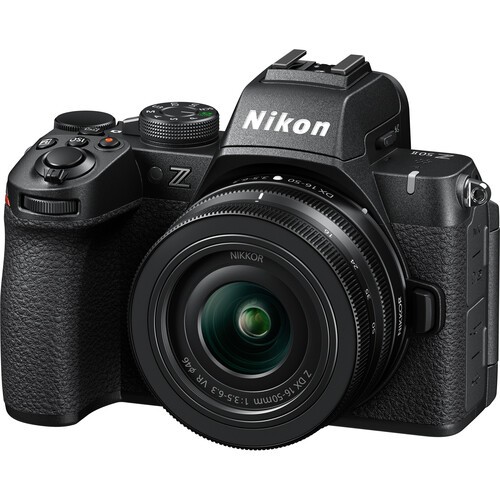
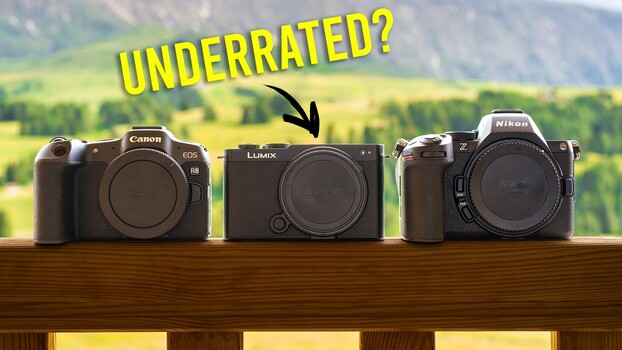
The core problem is not that Nikon APS-C mirrorless cameras are bad; it is that they have not been aimed at the people who loved the D500. Nikon has never produced a true mirrorless replacement for that APS-C flagship, which catered to sports and wildlife photographers who value speed, deep buffers, and rugged bodies. Instead, the current DX mirrorless options, such as the Z50 II and Zfc, are described as good cameras that fail to target the pro who wants extensive controls and a magnesium-alloy body built to survive heavy field use.
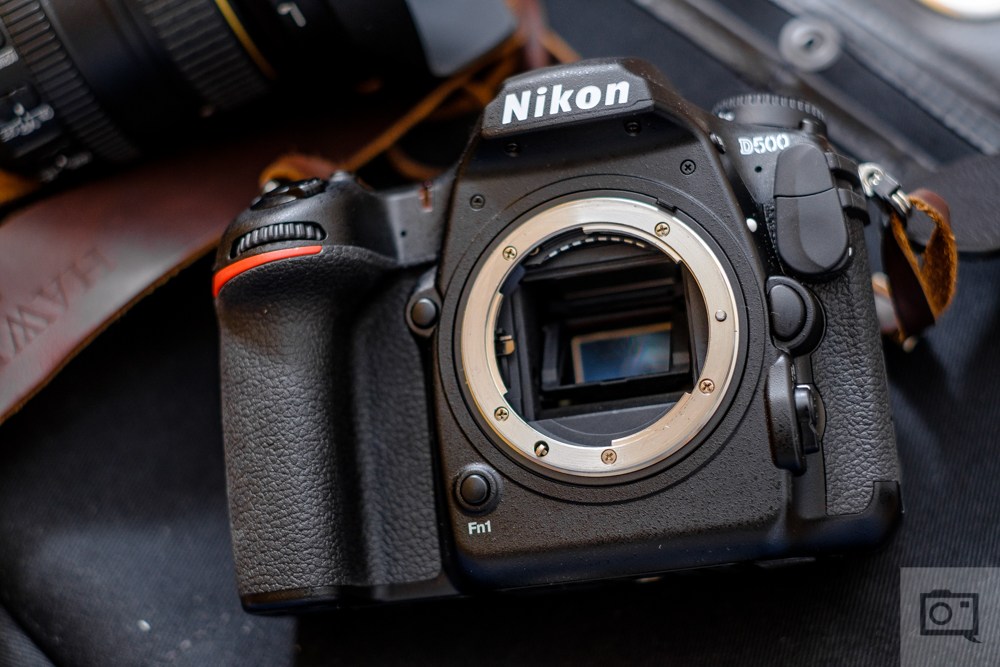
This strategic gap has left many shooters babying aging D500 bodies and wondering whether Nikon still cares about high-end crop-sensor work. The D500 itself delivered a 20.9MP sensor, strong low-light autofocus, low noise at ISO 6400, and excellent image quality, wrapped in a tough, enthusiast-focused chassis. When Nikon quietly marked the D500 as an "old product" in early 2022, the promise of a mirrorless successor never materialized. That absence is why the new rumor lands with such force: it hints that Nikon may finally stop treating APS-C as an afterthought.
Why a 45MP Stacked Sensor Is Both Exciting and Risky
The headline spec—a 45MP stacked sensor in an APS-C body built for speed—is bold and controversial in equal measure. On the upside, a stacked design promises fast readout, high frame rates, and Z9-class autofocus tracking if Nikon pairs it with in-body stabilization and its latest Expeed processor. That combination would give Nikon APS-C mirrorless shooters a serious tool for fast action, finally able to compete more directly with rival enthusiast offerings built around high-resolution, high-speed crop sensors.
But the enthusiast chatter raises legitimate concerns. Some argue that 45MP on a DX sensor risks diffraction softening at around f/4 with more noticeable loss by f/5.6, and may also hurt high-ISO performance. Others would prefer a 30–33MP design that balances resolution with cleaner low-light files. One widely discussed point is that Fujifilm’s 40MP XH series works without major issues, so Nikon should be able to deliver similar or better results if the stacked sensor and processing are well-executed. The sensor choice will define whether this body feels like a precision tool or an overstuffed spec sheet.
D500 Shooters Want Z9-Class Performance, Not Marketing Spin
For this rumored body to earn the title of true D500 replacement camera, it must deliver more than pixel count. D500 owners are used to quick, accurate autofocus that performs reliably in low light and keeps up with unpredictable motion. Translating that experience to mirrorless means Z9-class performance—deep buffers, subject-detection AF that sticks, and controls that reward muscle memory rather than menu diving.
If Nikon adds in-body image stabilization, crop shooters gain extra flexibility for slower shutter speeds and lighter telephoto setups, which matters when you are tracking wildlife or sports for hours. The company’s acquisition of RED in 2024 and the integration of RED color science and R3D NE raw video into the Nikon ZR also suggest that advanced video features could filter into this crop body. That would position it as a hybrid workhorse—part action camera, part compact cinema tool—rather than a stills-only nostalgia piece. In short, this camera has to feel like a small Z9, not a dressed-up Z50 II.
The August–September Reveal and the Price Trap
Timing now matters as much as specs. Multiple reports point to an announcement or release in the next few months, most likely in August or September, with the possibility of a teaser or development announcement first. That window is not accidental: rivals are refreshing their own APS-C lines, and Nikon needs to show D500 owners a clear path forward before they drift to other systems.
The biggest question mark is price. Enthusiasts keep returning to one hard truth: if this Nikon APS-C mirrorless lands anywhere near Z8 territory, many buyers will skip it and go full frame instead. In-body stabilization and a 45MP stacked sensor will not save a body that is priced out of reach of the people who most want it. If Nikon is clever, it will treat this camera as a statement to regain APS-C professionals and serious hobbyists, not as a margin-maximizing niche. If it gets the balance right, August or September will not just bring another spec bump—it will close a painful chapter in Nikon’s lineup and reopen APS-C as a serious, long-term choice.