
A win for sleek smartwatch design, a loss for repair freedom
The exemption of smartwatches and other wearables from user-removable battery rules under EU battery regulations is a policy decision that trades away everyday repair freedom in order to preserve ultra-compact, waterproof wearable design and avoid safety risks when opening tightly sealed devices. On July 14, the European Commission adopted a delegated act that carves smartwatches, fitness trackers, smart glasses, and electronics embedded into clothing out of upcoming requirements that portable gadgets must let consumers remove and replace their own batteries. Batteries in these wearables must still be replaceable, but only by independent professionals rather than end users. Phones and most other portable products, by contrast, will still have to comply with removable battery rules when they take effect in 2027. That split tells you whose convenience the law really prioritizes: manufacturers and industrial design, not the owner of the device.

Why wearables got a pass while phones are locked in
To understand this carve‑out, you need to look at the broader push toward a circular economy that produced the EU Batteries Regulation in 2023. The core rule is simple: from 2027, portable electronics must allow users to open the device and swap the battery themselves, extending product lifespans and making recycling easier. Smartphones are explicitly not part of the new exemptions and must have batteries that can be replaced with common tools or manufacturer-provided tools, as long as it can be done safely. Phone makers can only dodge user-accessible cells if they meet strict longevity and IP67 durability criteria, in which case batteries may still be replaced only by professionals. Wearables got different treatment because miniaturization and body-worn ergonomics allegedly make redesign unrealistic: regulators say batteries can be so tightly encapsulated that removal risks damage or piercing, and that anatomic considerations hinder reshaping these products.
The smartwatch design trade-off: slim, sealed, and short-lived?
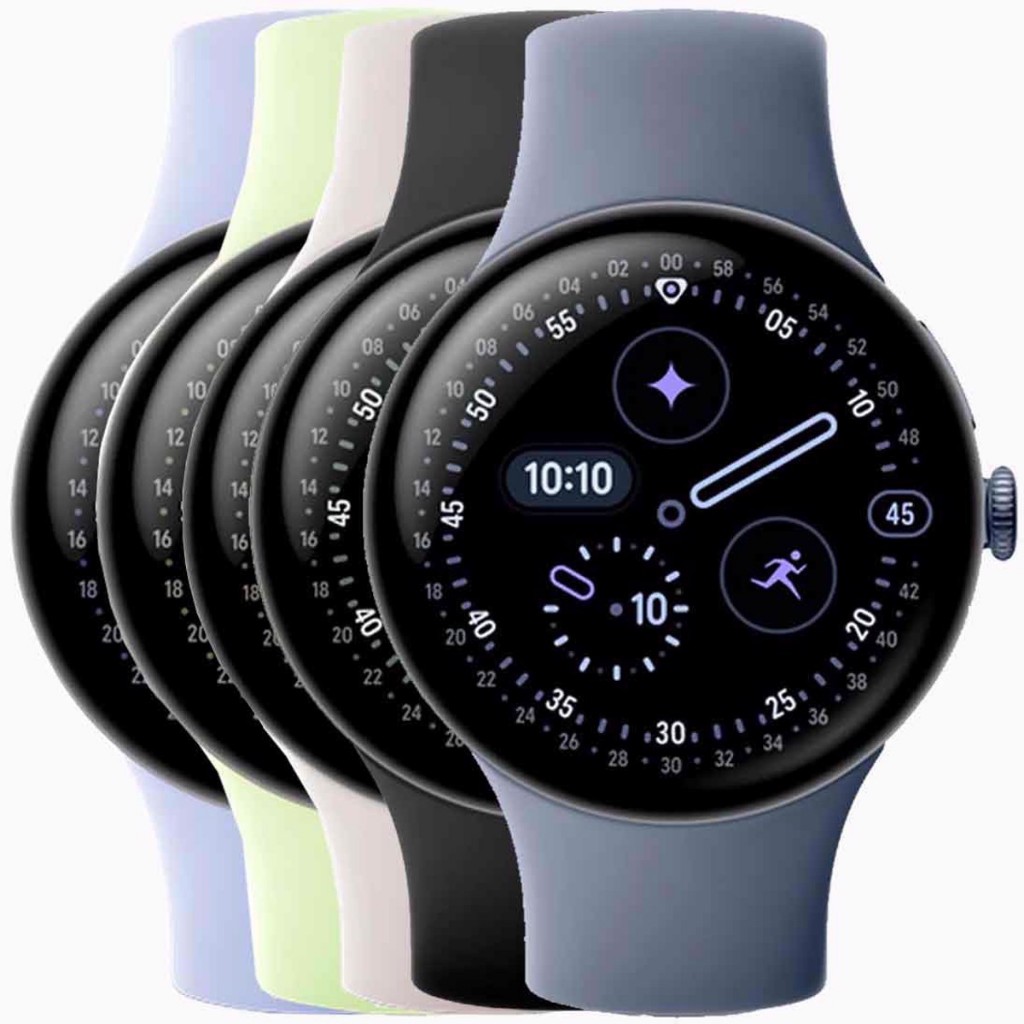
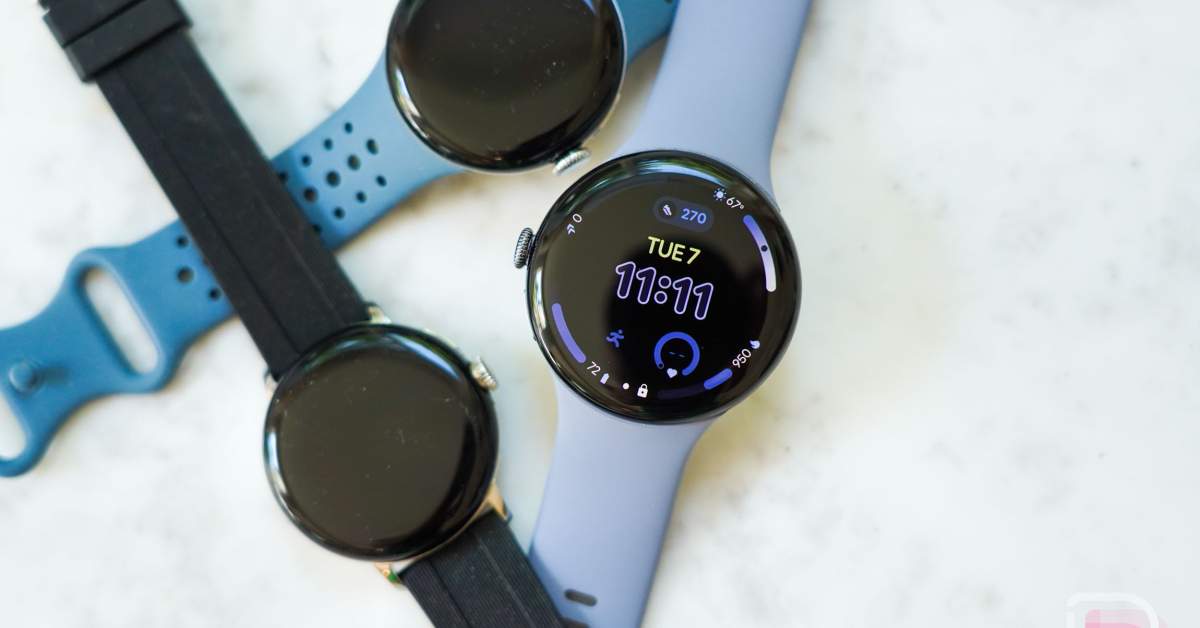
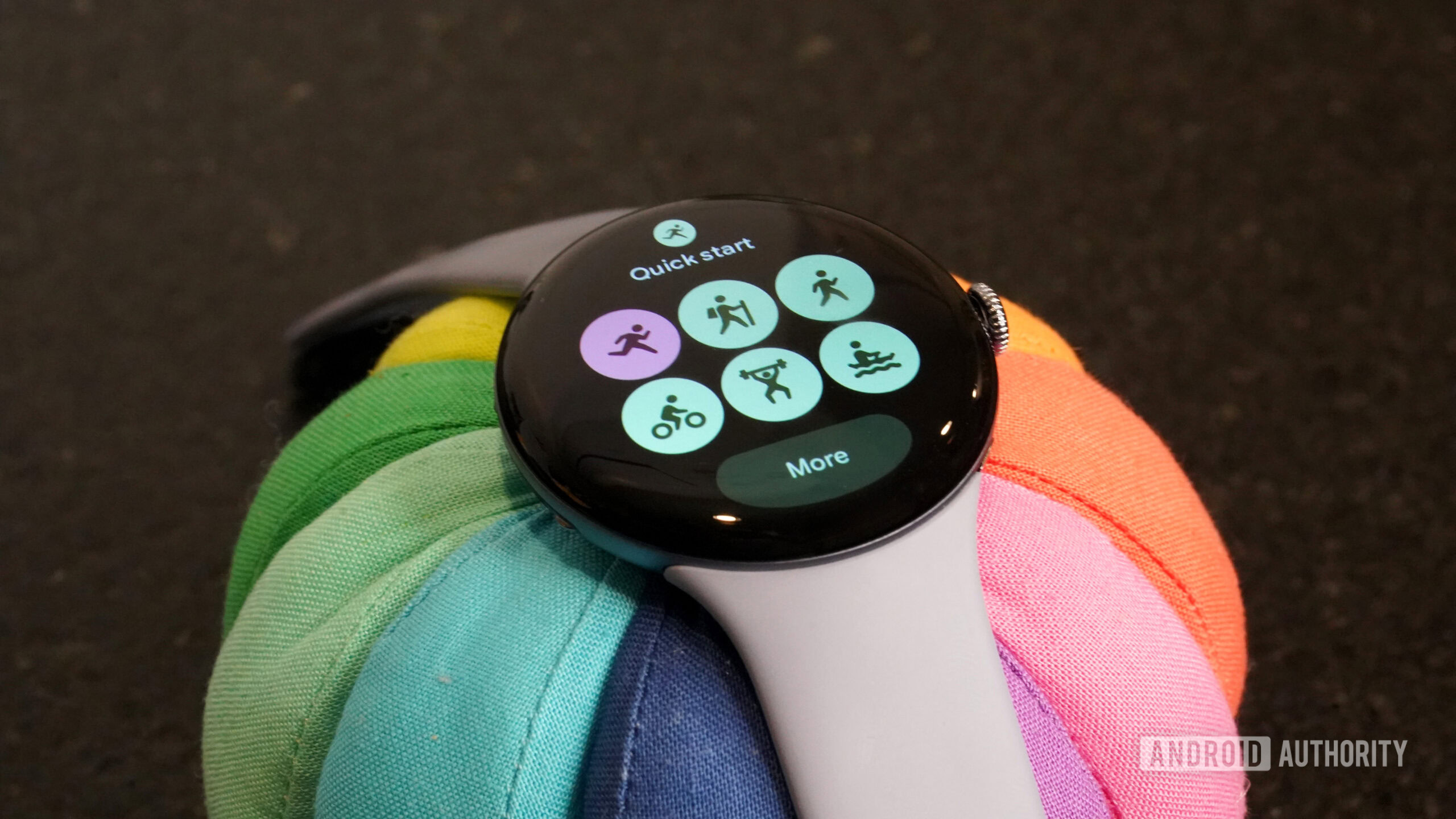
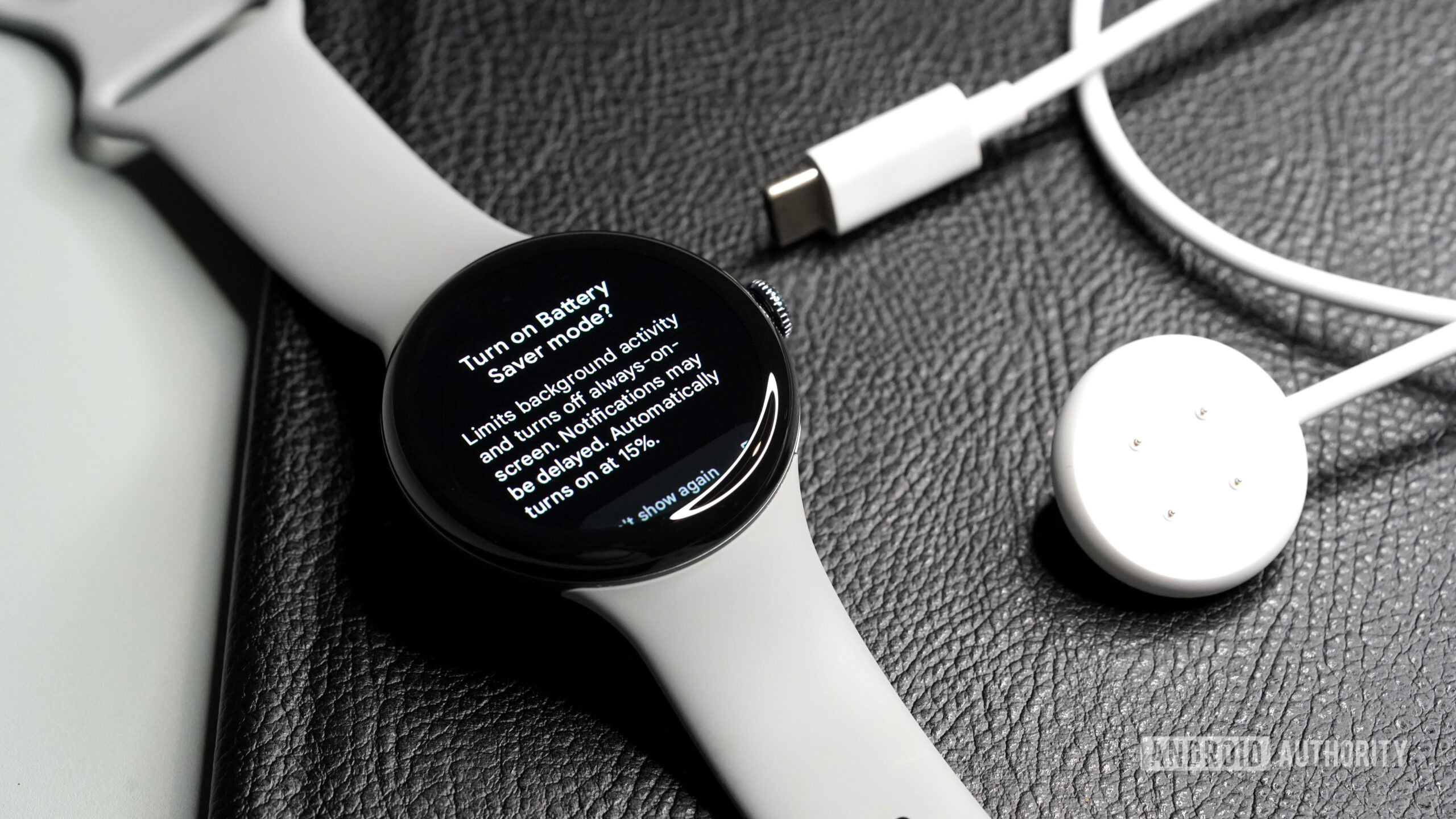
Manufacturers have long argued that user-replaceable batteries clash with modern smartwatch design. The Commission essentially agrees, stating that opening these tiny devices may compromise safety, durability, or water resistance, or is not practical due to compact design. In its own words, miniaturization can mean a battery is "so tightly encapsulated in its receptacle that its removal may create a non-negligible risk of damage or piercing". That is a frank admission that current design choices make safe consumer access hard. But instead of forcing a rethink of smartwatch design, the delegated act rewards it. Ultra-thin casings, curved displays, and aggressive waterproofing won out over everyday repairability. Yes, batteries must still be replaceable by independent professionals, and we are already seeing examples like a recent Pixel-branded watch focusing on repairability. Still, your next wearable will likely remain a sealed appliance you send away, not a tool you maintain.
Right to repair vs wearable sustainability
On paper, this is about safety and practicality, not surrendering the right to repair. Regulators stress that the delegated act aims to keep consumers safe when opening devices could create risks or where technical limits make access unrealistic, and that similar exemptions already exist for wet and medical appliances. In practice, the line between safety and convenience is blurry. Allowing users to replace batteries extends device life and makes recycling straightforward; the Commission itself acknowledges that ditching a gadget when the battery fails is environmentally costly and has separate sustainability rules for sourcing, collecting, recycling, and repurposing batteries. Meanwhile, expiring software or server support has already generated an estimated 1.7 billion pounds of e‑waste over the last decade, according to the US PIRG action group. So tying battery replacement to professionals risks turning wearables into disposable fashion, unless strong repair ecosystems and long-term software support fill the gap.
What this means for your next wearable—and what happens next
For ordinary users, the short-term impact is clear: smartwatch makers can keep shipping slim, water-resistant devices without redesigning them around pop-out batteries, which is welcome news for their hardware roadmaps. You, however, will still depend on official or third‑party technicians for a battery swap, and the cost and availability of those services will quietly decide how sustainable your wearable really is. Phones and tablets sold in the bloc, on the other hand, must embrace more user-friendly battery access by 2027, even if that does not mean a return to snap-off backs. Politically, this decision is not yet final: the delegated act now goes to the European Parliament and Council for scrutiny and will enter into force 20 days after publication in the Official Journal if neither objects. Until then, the debate over how far right to repair should reach into wearable technology is not settled—and consumers should keep pushing for more control, not less.