
What budget OLED vs mini-LED gaming monitors are really about
Budget OLED vs mini-LED gaming monitors are affordable gaming displays that balance high refresh rates, 1440p sharpness, and modern panel technology so competitive and casual players can upgrade from 1080p without paying premium pricing or sacrificing core performance features. If you want the fastest possible pixel response and inky contrast, budget OLED is still the aspirational choice, but not everyone needs it at higher prices. Mini-LED panels are LCD-based, using thousands of dimming zones to improve lighting control for brighter scenes and HDR, while OLED lights each pixel individually for superior per-pixel control and black levels. The good news is that 1440p monitors under 200 deliver sharp visuals and high refresh rates, so the real decision is whether your games and work benefit more from OLED’s speed and contrast or mini-LED’s punchy brightness and HDR.
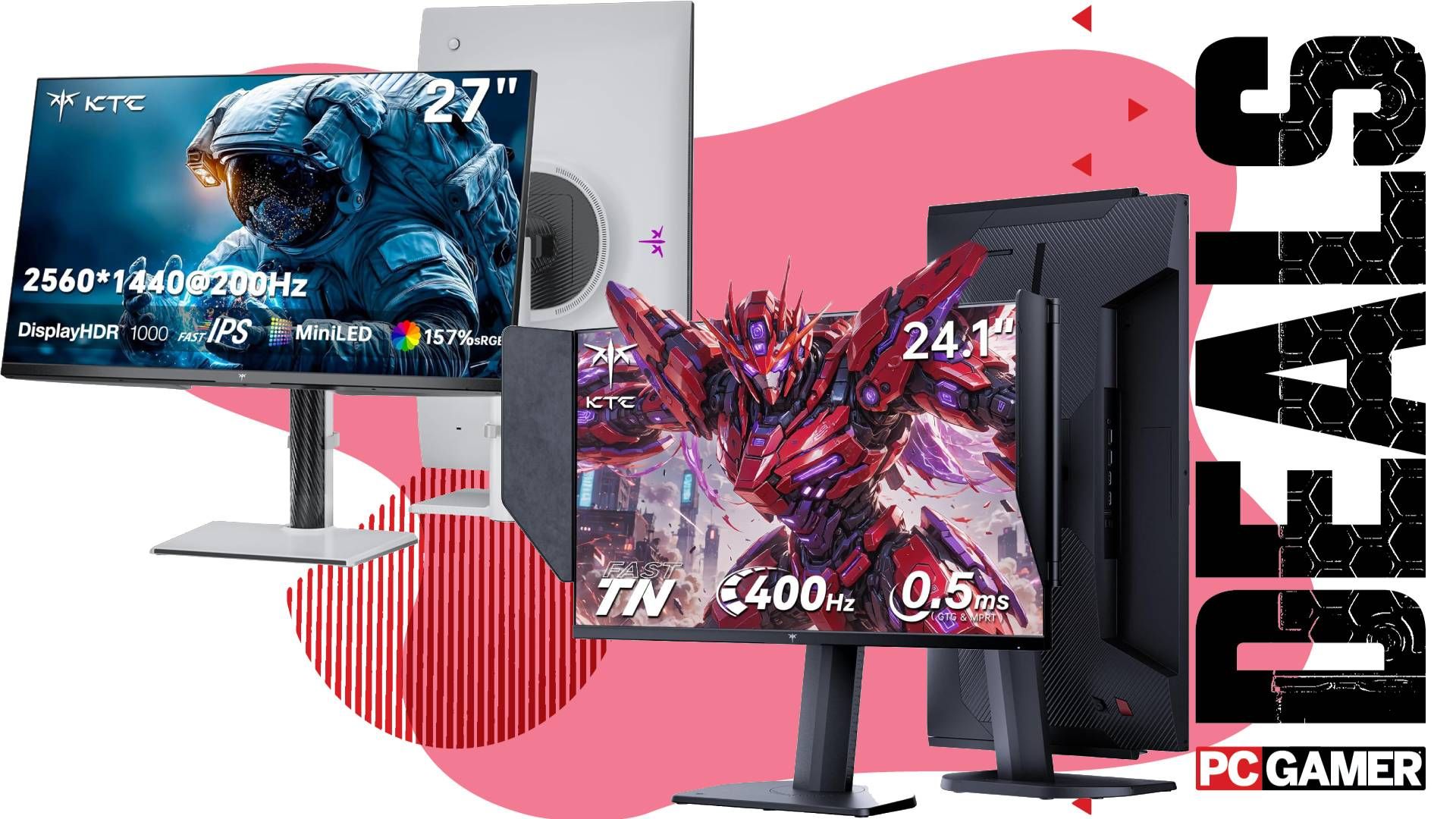
| Spec | Mini-LED example (KTC M27T6S) | OLED example (Alienware AW2726DM) |
|---|---|---|
| Panel technology | IPS LCD with mini-LED backlight | QD-OLED panel |
| Resolution | 1440p (2,560 x 1,440) | 1440p (2,560 x 1,440) |
| Refresh rate | 200–210 Hz "overclocked" | 240 Hz |
| Claimed response time | 1 ms (MPRT) | 0.03 ms (grey-to-grey) |
| Approx. price | around USD 290 (approx. ₱16,240) | around USD 350 (approx. ₱19,600) |
Mini-LED: bright, punchy HDR for creators and everyday players
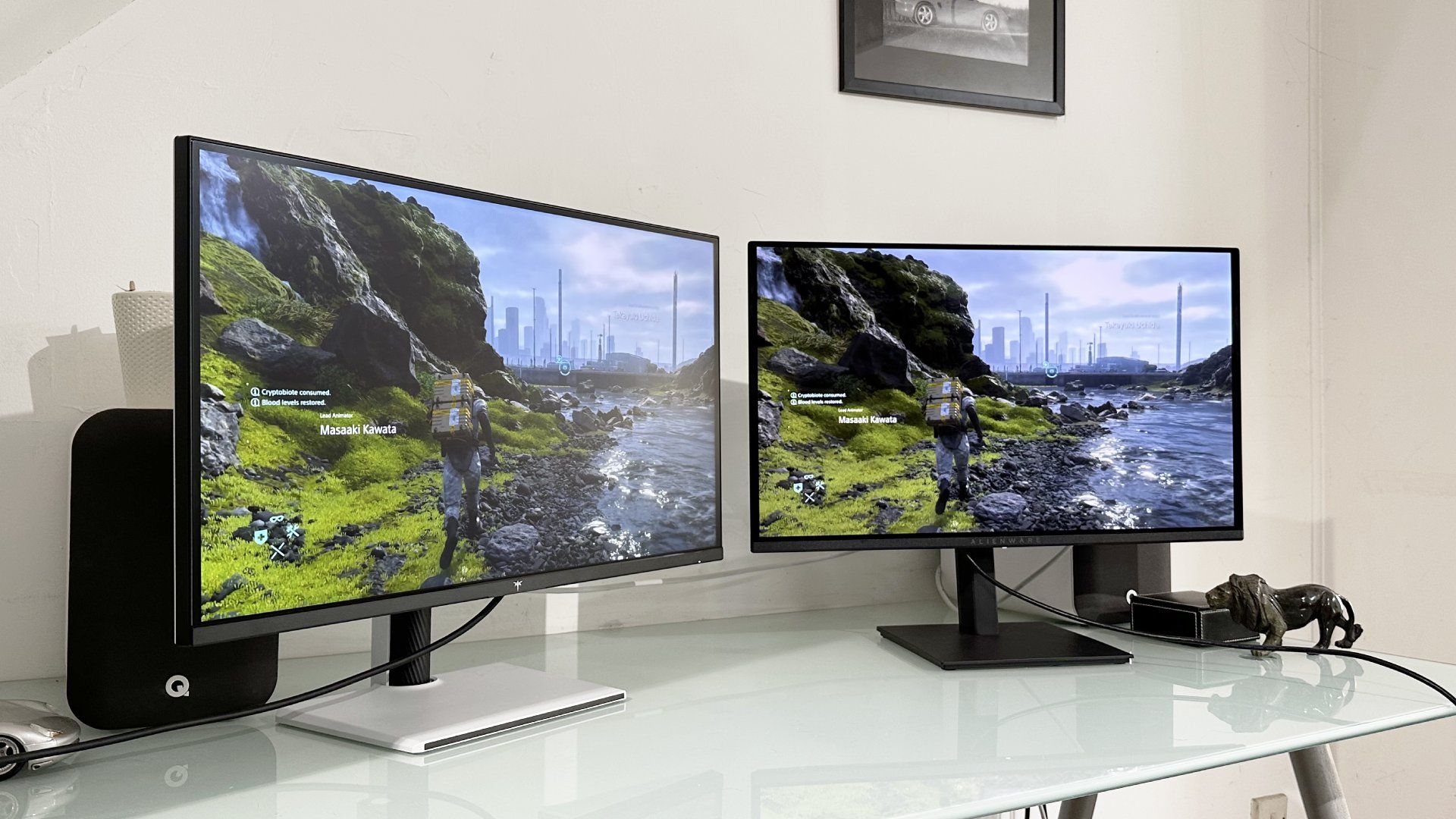
If your priority is bright, punchy visuals and credible HDR on a budget, mini-LED is the safer bet. Mini-LED keeps the familiar LCD structure but swaps a single backlight for roughly 1,000–2,000 individually addressable zones, dramatically improving control over bright and dark areas across the screen. One tested mini-LED 1440p monitor is rated to hit around 1,000 nits peak HDR brightness, compared to an OLED rival’s 400 nits. That kind of peak brightness helps highlights stand out in HDR games, and it matters even more if you edit video or work with HDR content, where seeing detail in luminous skies, reflections, and specular highlights is vital. The trade-off is that mini-LED still cannot match OLED’s per-pixel black levels and can show some blooming around bright objects in dark scenes, so "mini-LED monitors always involve some kind of compromise with that kind of image."
OLED: pure contrast and response for competitive gaming
OLED’s biggest advantage for budget gaming monitors is how it feels in fast, competitive play. Each pixel acts as its own light source, delivering per-pixel lighting control and essentially perfect black levels compared with the zone-based approach of mini-LED. OLED panels also have far faster response times, often rated around 0.03 ms grey-to-grey versus about 1 ms for typical LCDs, which means motion looks cleaner with less smearing in fast shooters. In direct testing, the OLED example runs at 240 Hz, giving it a slight edge in refresh rate over the mini-LED rival’s 200–210 Hz. According to one reviewer, the subjective gap in speed is smaller than the specs suggest, but esports players chasing every millisecond still benefit from OLED’s combination of refresh and response. The downside: OLED’s full-screen brightness tops out under 350 nits, and there remains a long-term worry about burn-in that mini-LED panels avoid entirely.
Where 1440p monitors under 200 fit into the picture
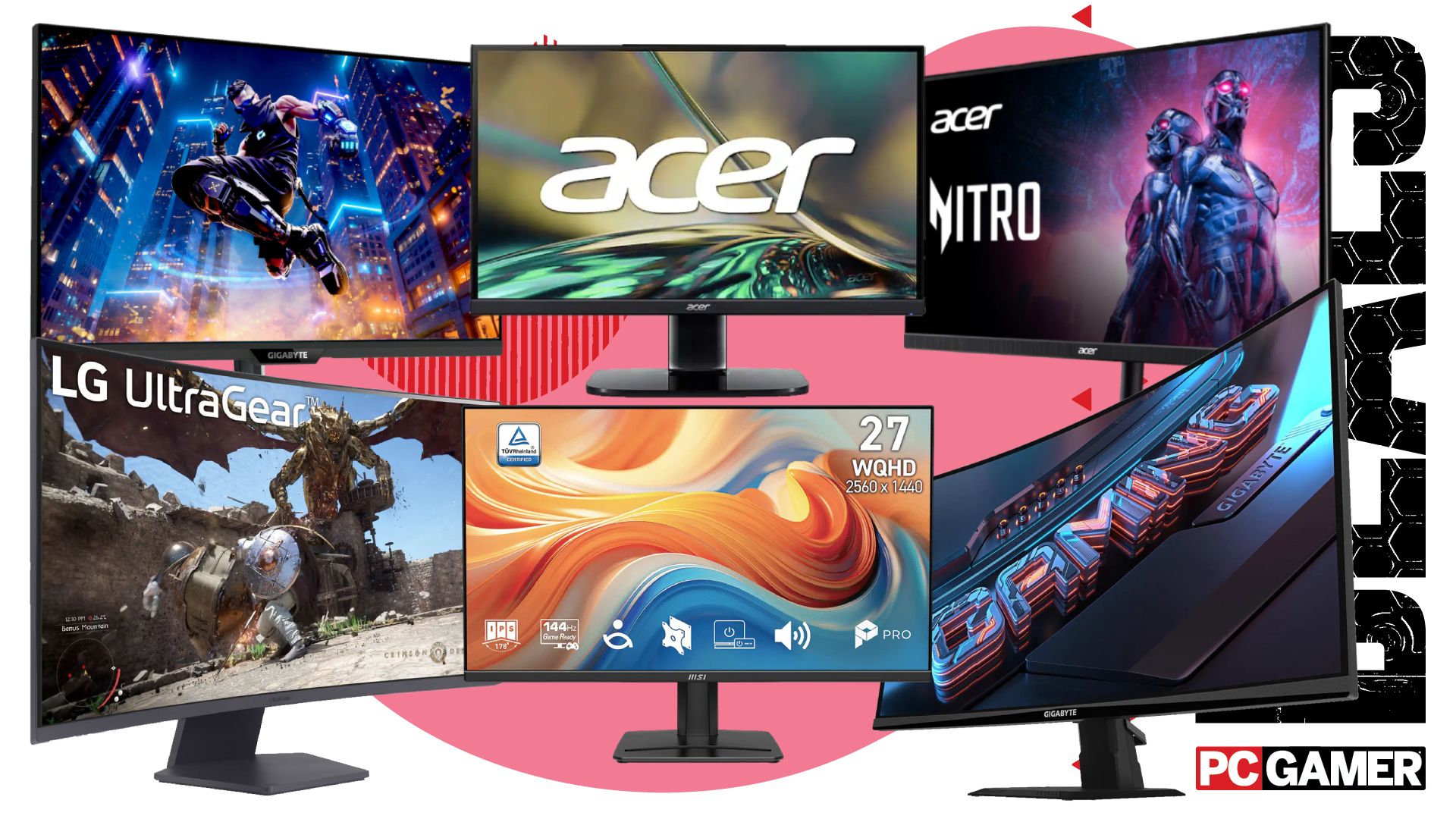
While current budget OLED and mini-LED examples sit closer to USD 290–350 (approx. ₱16,240–₱19,600), the wider market of 1440p monitors under 200 is what makes upgrading away from 1080p so compelling. One set of deals includes six 1440p gaming monitors for well under USD 200 (approx. ₱11,200), with the cheapest 27-inch model starting at USD 110 (approx. ₱6,160). Another range covers IPS displays at 100 Hz for USD 130 (approx. ₱7,280), a 180 Hz model at USD 160 (approx. ₱8,960), and even a 200 Hz panel at USD 180 (approx. ₱10,080). These affordable gaming displays show that you do not need cutting-edge OLED or mini-LED to enjoy sharp visuals and high refresh rates; you can treat 1440p resolution and smooth motion as the baseline, then decide whether OLED’s contrast or mini-LED’s HDR is worth paying extra for on top.
Buy if / Skip if
- Buy the mini-LED monitor if you care most about bright, punchy HDR for gaming and content creation on an affordable gaming display.
- Skip the mini-LED monitor if deep blacks and zero blooming in dark scenes matter more to you than peak brightness.
- Buy the OLED monitor if you play competitive shooters and want the best blend of 240 Hz refresh, 0.03 ms response, and per-pixel contrast.
- Skip the OLED monitor if you spend long hours on static desktop screens and prefer to avoid any risk of burn-in.
- Buy the 1440p monitors under 200 if you mainly want sharper resolution and high refresh rates without paying extra for OLED vs mini-LED tech.
- Skip the 1440p monitors under 200 if HDR brightness and cutting-edge panel technology are higher priorities than lowest possible price.
- Buy the budget gaming monitors around USD 290–350 (approx. ₱16,240–₱19,600) if you see clear value in OLED or mini-LED upgrades over standard 1440p panels.
- Skip the budget gaming monitors around USD 290–350 (approx. ₱16,240–₱19,600) if your current 1080p screen already meets your needs and you would rather wait for further price drops.