
The Quiet Revolt Against Heavy Full-Frame Kits
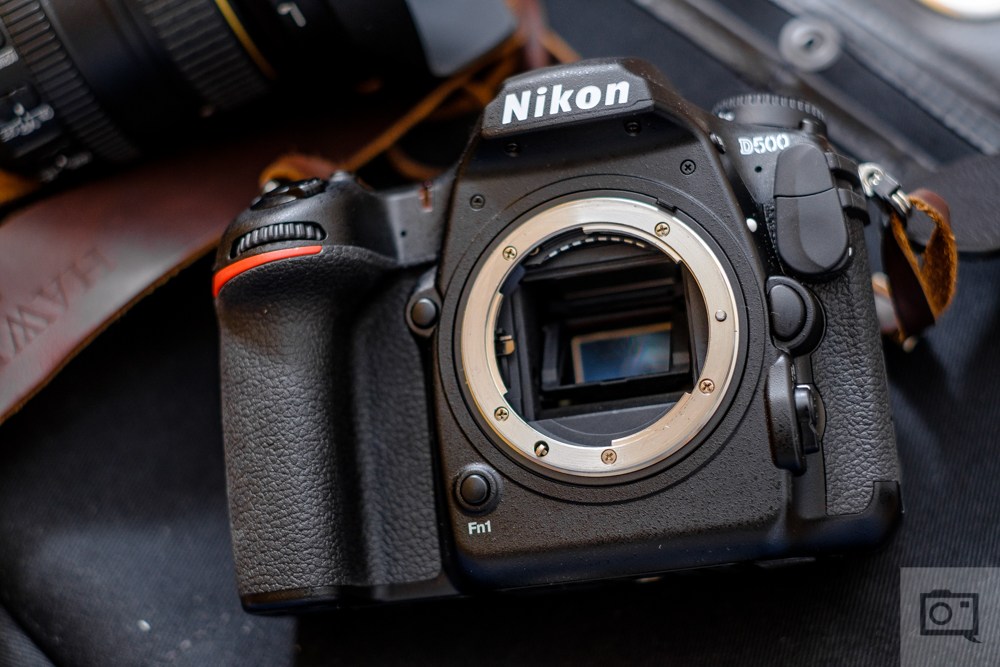
Experienced full-frame photographers are increasingly moving to lighter mirrorless camera systems because years of carrying heavy gear have shown that portability, reach, and workflow freedom often matter more than chasing marginal technical gains in image quality. This shift is less about sensor size loyalty and more about how the camera system supports the way they actually shoot in the field.
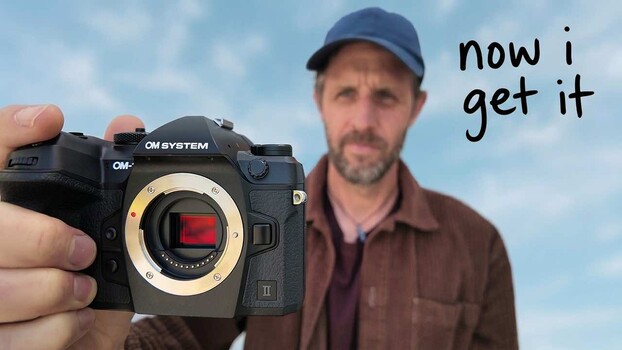
Landscape and woodland specialist Ian Worth spent twenty years shooting, starting on film before moving to digital, then full frame, and later dropping to APS‑C to cut weight. Working through misty woodland conditions he had chased for five years forced a rethink: the gear that looked perfect on paper was not the gear he was willing to haul when it mattered most. Weight and portability began to outweigh abstract spec-sheet wins as he racked up miles, to the point where he admits he left gear behind on long hikes because it felt like too much. That is the core problem: if your full-frame kit stays at home, its theoretical advantages are worthless.
Full Frame vs Micro Four Thirds: Reach, Trade-Offs, and Real Images
The full frame vs Micro Four Thirds debate is often framed as a fight over pixel-level quality, but in practice the trade-offs are about reach, depth of field, and when those differences affect finished images. Worth challenged his own bias against Micro Four Thirds when he discovered that, in the field, the smaller format changed how he could frame and move more than it changed his files.
On an OM‑D Mark II, he now uses a lens that delivers a 400 mm full frame equivalent, which lets him isolate details, compress scenes, and blend landscape and wildlife in ways he struggled to achieve with his previous systems. Low light, extreme dynamic range, and ultra‑shallow depth of field still expose the gap to larger sensors, yet for outdoor shooting in changing conditions those limits rarely show in his results. The more important shift is psychological: when the barrier to carrying your camera drops, you shoot more, overthink less, and are present when that rare misty morning appears. According to Worth, the real question stopped being whether one system beats another and became how a system changes the way you work.
Lightweight Camera Gear Demands a New Gear Strategy
Downsizing to lighter mirrorless camera systems is not a matter of swapping a full-frame body for a Micro Four Thirds body and calling it done. It forces a rethink of lens choices, focal length strategy, and shooting technique. Anyone tempted by Micro Four Thirds for a lighter pack is warned to price and weigh the specific lenses they plan to use rather than assuming the format guarantees a smaller kit. A full-frame body with a modest prime can end up lighter than a small sensor body with a fast telephoto zoom.
This is why photographers serious about landscape and woodland work must design a kit, not assemble a random collection of lenses. The goal is a balanced set of lightweight camera gear that covers your real-world focal lengths, not every theoretical scenario. As Worth discovered, the payoff is mental as much as physical: he finds himself thinking less about the gear and more about making the photograph, and credits that shift for shooting more freely. Lightweight gear is not about minimalism for its own sake; it is about reducing friction so the professional photography workflow becomes direct and intuitive instead of a constant compromise with your backpack.
Why Support Gear Becomes the New Bottleneck
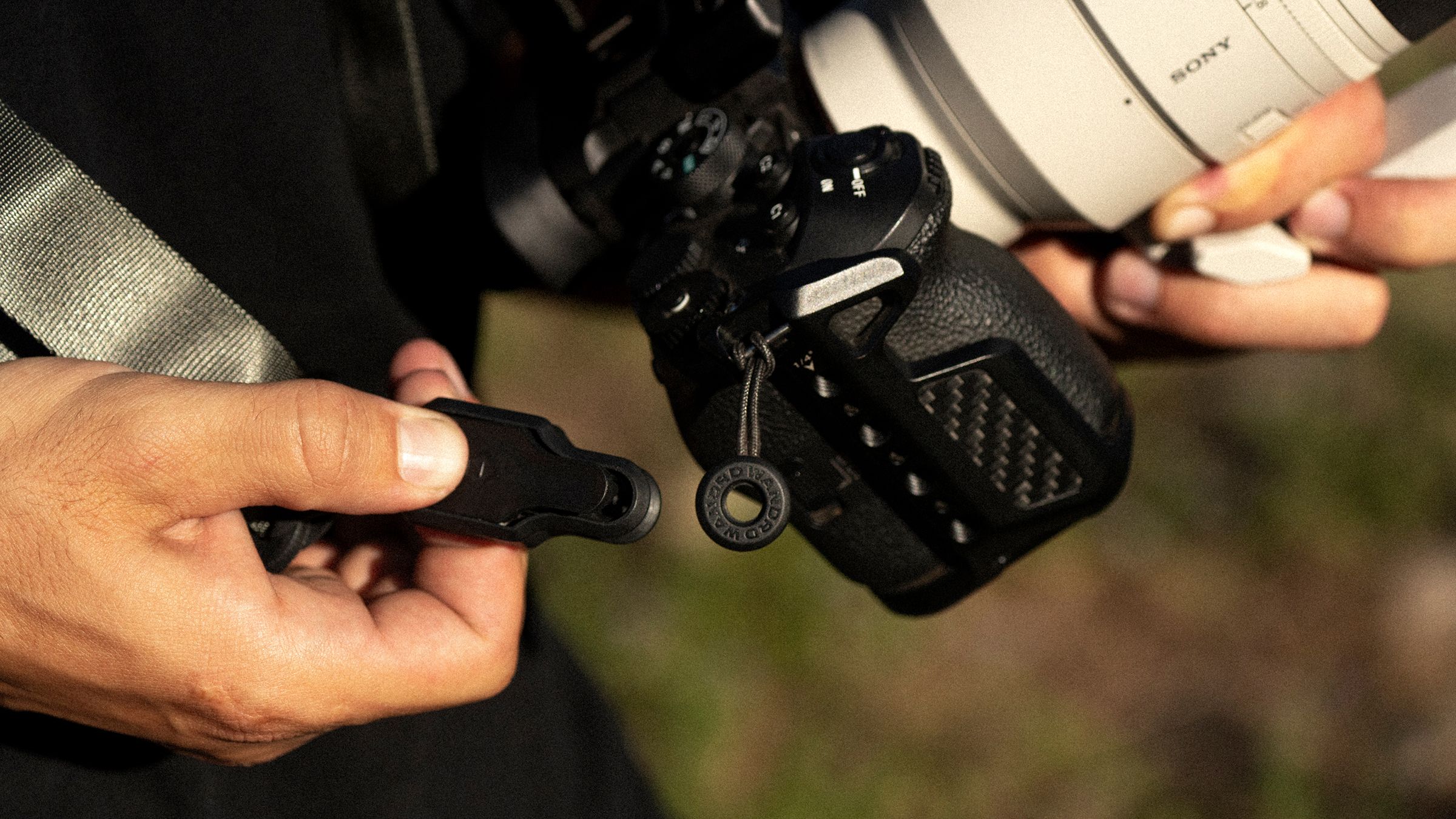
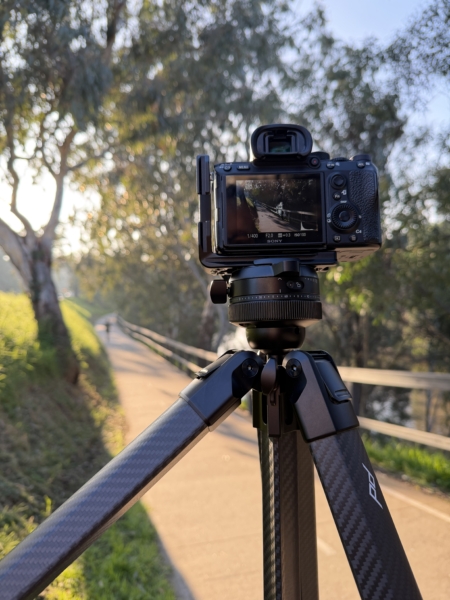
Once you slim down your camera kit, your weakest link often becomes the tripod. Many photographers buy a cheap support first, discover its limitations, then eventually buy the tripod they should have purchased in the first place. That pattern becomes more obvious when you start mounting longer lenses on small bodies; suddenly every wobble shows. With a rated payload of about 18.1 kg, thicker carbon-fibre legs, and a stronger centre hub, the Peak Design Pro Tall tripod is built to carry larger cameras, long telephoto lenses, and video rigs with far more confidence.
Specs matter here because they translate directly to field comfort. The Pro Tall reaches a maximum height of about 197.4 cm, has a minimum height of 17.3 cm, folds down to 58.2 cm, weighs 2.04 kg, and is rated to carry 18.1 kg. Despite being significantly more capable, it weighs only 2.04 kg — light enough for travel and hiking. For many shooters this means eye‑level work without extending the centre column, which keeps stability high while avoiding the constant stoop that makes long sessions miserable. With three sizes in the Pro series — Pro Lite at 133 cm, Pro at 138 cm, and Pro Tall at 162 cm leg height — the real decision is not whether you need a “pro” tripod, but which height matches your system and how you use long lenses.
The New Professional Workflow: Less Bulk, More Presence
What ties these changes together is a shift in professional photography workflow. When your mirrorless camera systems, lenses, and tripod are all chosen with weight and reach in mind, your field process changes. Worth’s experience shows that when the barrier to carrying your camera drops, you shoot more, overthink less, and stay present for rare conditions instead of dreading the walk back to the car. Tripods follow the same pattern: once you move past the disposable options, you discover why a carefully designed support that feels overbuilt for an entry-level kit suddenly makes sense when you invest in landscapes, wildlife, long lenses, or video.
The point is not that full frame is obsolete or that Micro Four Thirds is the new standard. It is that clinging to a format out of habit can work against the pictures you want to make. For many seasoned shooters, the smarter move is to choose lighter systems, build a deliberate lens set, and pair it with a tripod that keeps up. The winners are not the biggest sensors but the setups that you are willing to carry when the light, the weather, and the scene finally come together.