
OpenAI Steps Into Hardware With AI-First Devices
OpenAI’s emerging hardware strategy centers on building an AI hardware ecosystem where a portable smart speaker and a specialized AI keyboard turn large language models into everyday tools, shifting AI from cloud-only software into physical devices that change how people interact with assistants at home and at work. OpenAI has been tight-lipped about the hardware it is building with former Apple design chief Jony Ive, but a leak suggests its first major product could be a smart home speaker designed as an AI companion. At the same time, the company is already selling Codex Micro, a USD 230 (approx. ₱13,000) specialized AI keyboard built with Work Louder for its Codex coding agent. Taken together, these moves show OpenAI wants to own not only the model layer, but also the physical interfaces that define AI-native workflows.
The AI Smart Speaker: From Voice Assistant to Home Companion
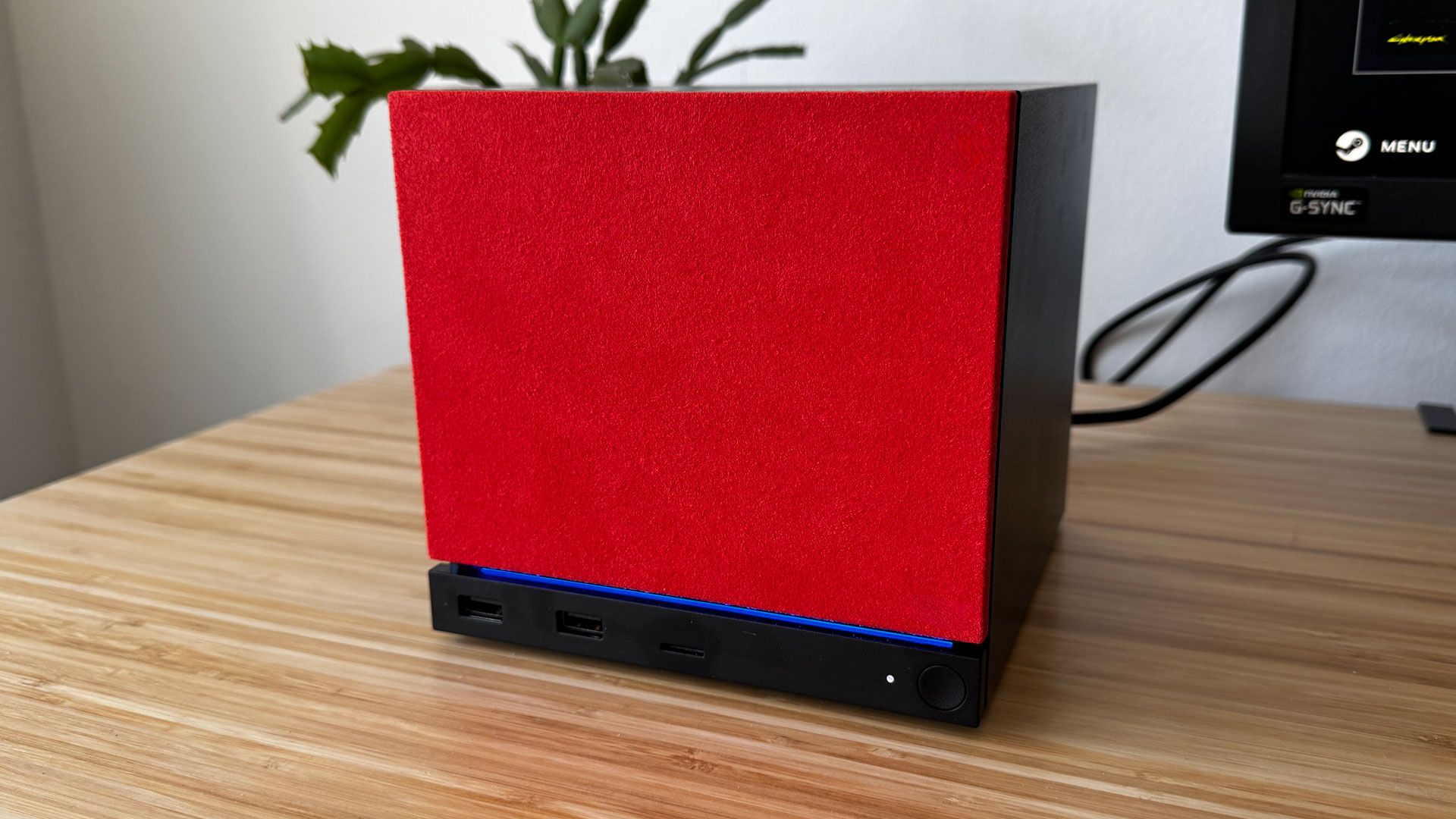
OpenAI’s rumored AI smart speaker matters less as a gadget and more as a signal: the company believes the next wave of AI will be embodied in devices that live in the home, not trapped in a browser tab. The portable, “mobile” and “screen-free” speaker is reportedly designed as an AI companion that can answer questions, control smart home appliances, play music, respond to messages, and tap into a wide range of ChatGPT capabilities. The device is likely to use the GPT-Live voice model, with OpenAI aiming to position its AI as an expert on everyday matters and give it a personality that feels more human in conversation. If it ships on the leaked schedule—unveiled this year and reaching users in 2027, barring legal hurdles—it will go head-to-head with Alexa, Siri, and Gemini-powered smart speakers while trying to redefine what an AI smart speaker device can be.
Codex Micro: A Specialized AI Keyboard for Agent Workflows
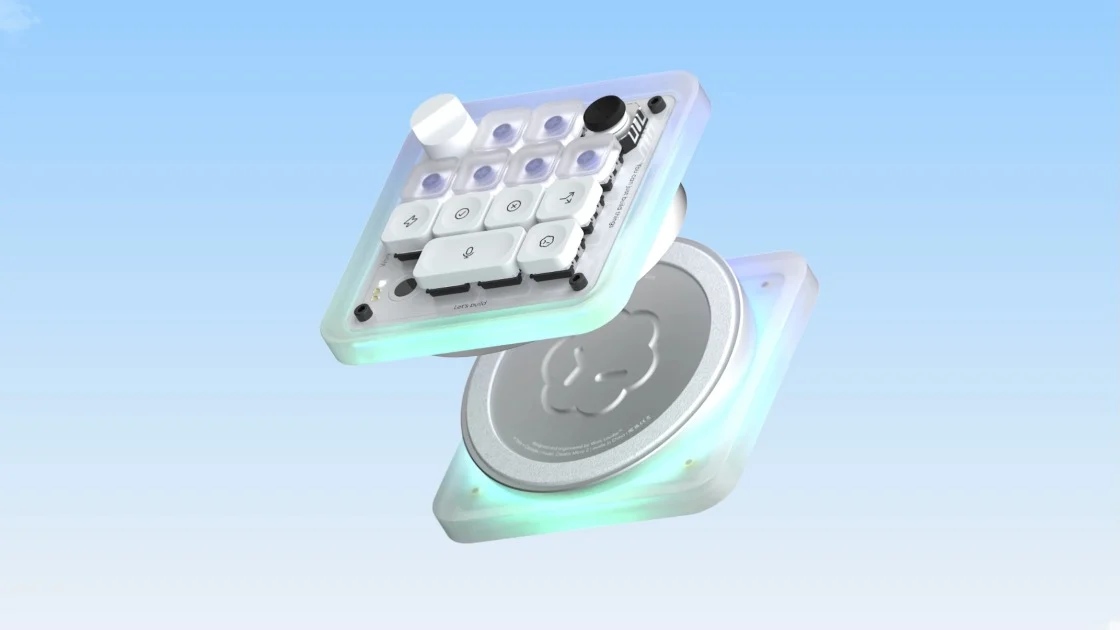
If the smart speaker brings AI into the living room, Codex Micro drags it deep into the workflow of developers. Rather than chasing the crowded market for full-size PC keyboards, OpenAI and Work Louder built a 12-key accessory with a joystick and a knob, designed specifically for its Codex coding agent. The Bluetooth/USB-C device is sold at USD 230 (approx. ₱13,000) and “is the only AI controller that is directly integrated into Codex,” according to its maker. In practice, Codex Micro offers dedicated keys for functions such as voice dictation, accepting changes, rejecting outputs, push-to-talk, and starting new chats, while LEDs show the agent’s state and current tasks. The joystick can be mapped to common Codex skills and the dial allows the user to control the “reasoning effort” or compute effort, trading speed against quality in real time. This specialized AI keyboard is not a peripheral for typing; it is a control surface for an AI agent.
From Software Service to AI Hardware Ecosystem
These OpenAI hardware products reveal a company that no longer sees itself as a pure software provider. By exploring a smart home speaker with ChatGPT integration and smart home control capabilities on one side, and a Codex-specific controller on the other, OpenAI is sketching out an AI hardware ecosystem that spans consumer and professional use. The common thread is not form factor but workflow: both devices assume that users will interact with AI agents as constant collaborators, whether through voice in the living room or a set of mapped shortcuts beside the main keyboard. This is a quiet but important break from conventional computing paradigms built around screens, full keyboards, and mouse pointers. Instead, the hardware is tuned to AI-native workflows—continuous dialogue, contextual assistance, and task orchestration. If this direction persists, AI devices will stop being accessories for PCs and become a category of their own, with dedicated input and output paths built around agents rather than apps.
Legal Tensions With Apple and the Stakes of AI Devices
The strategy is also being forged under pressure. The report on OpenAI’s smart speaker arrives after Apple filed a lawsuit accusing the company of stealing trade secrets, including claims that OpenAI acquired Ive’s io Products and then poached Apple employees or pushed them to divulge confidential work during job interviews. One of the named former employees, now OpenAI’s hardware chief Tang Yew Tan, is accused of conducting those interviews. Apple is itself rumored to be developing AI-powered smart home devices, which makes this dispute more than a legal scuffle—it is a contest over who will own the emerging AI device market. The existence of Codex Micro, with limited supplies and tight integration into Codex, shows OpenAI wants an early foothold even in niche segments. In my view, this hardware push is less about immediate sales and more about setting expectations: AI will not stay locked in phones and laptops; it will be something you talk to, and something you control, through dedicated AI-first hardware.