
Verdict First: A Lightweight Tracker That Gets the Essentials Right
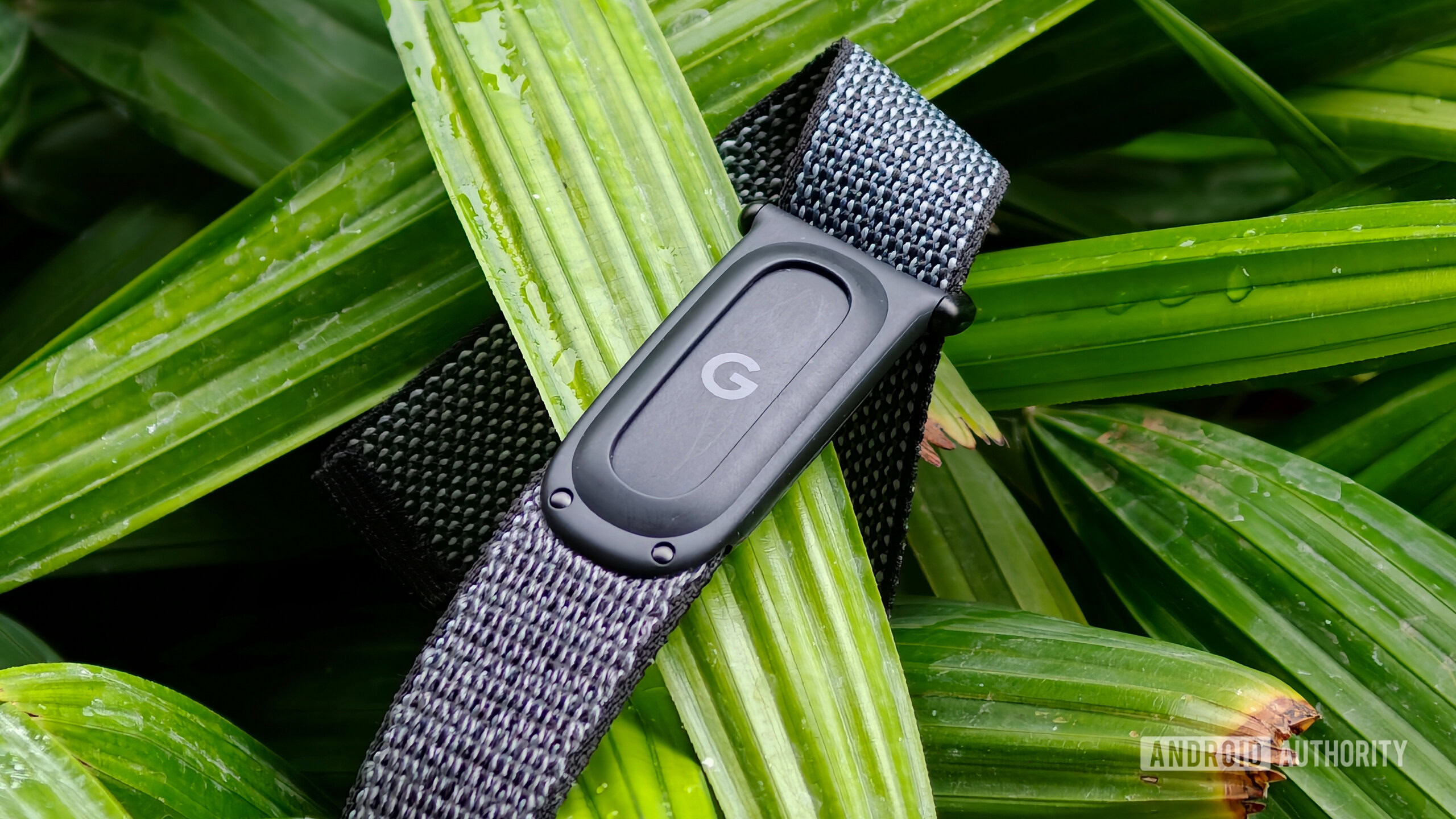
Fitbit Air is a lightweight, screenless fitness tracker that focuses on passive health monitoring, offering wrist-based heart rate tracking, sleep and activity insights, and app-driven guidance rather than smartwatch-style features. After three weeks of daily use, including gym sessions, sleep tracking, and side‑by‑side testing against a chest strap monitor, it proved reliable for heart rate monitoring and general fitness tracker accuracy, but notably inconsistent as a calorie counting tracker. At USD 99 (approx. ₱5,600) for the band plus an optional Google Health subscription at USD 10 (approx. ₱560) a month or USD 100 (approx. ₱5,600) a year, it suits health‑conscious, recreational users far more than serious data‑driven athletes. If you care about comfort, basic heart rate monitoring and helpful summaries, it delivers solid value; if you need precise calorie numbers or detailed strain and recovery analytics, you will be disappointed.
Pros
- Extremely light at 12g, easy to wear all day and while sleeping
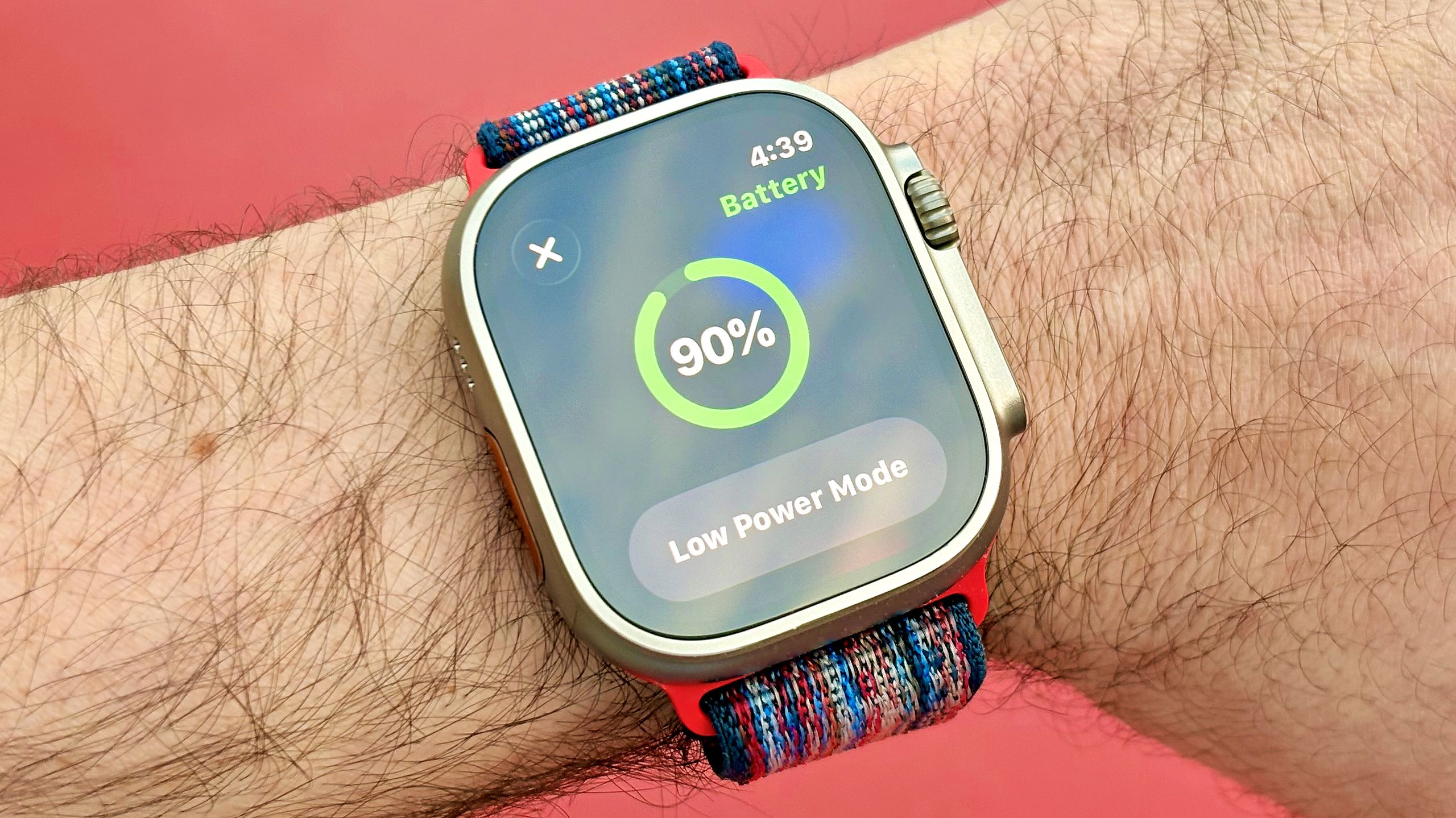
- Battery life exceeds claims, lasting over eight days per charge with workouts and sleep tracking
- Heart rate monitoring closely matches a gold standard chest strap with under 2.5% error in key metrics
- Google Health app offers clear summaries and AI explanations of cardio load, heart rate, sleep, and activity
Cons
- First week tracking can be rough, with missed sleep sessions and unreliable workout logs
- Calorie burned estimates can be off by 11–31%, undermining use for diet or strict weight management
- Maximum heart rate during strength training shows notable deviations from chest strap measurements
- Requires ongoing Google Health subscription for full insights, increasing long‑term cost
Design, Comfort, Battery Life, and the Google Health Experience
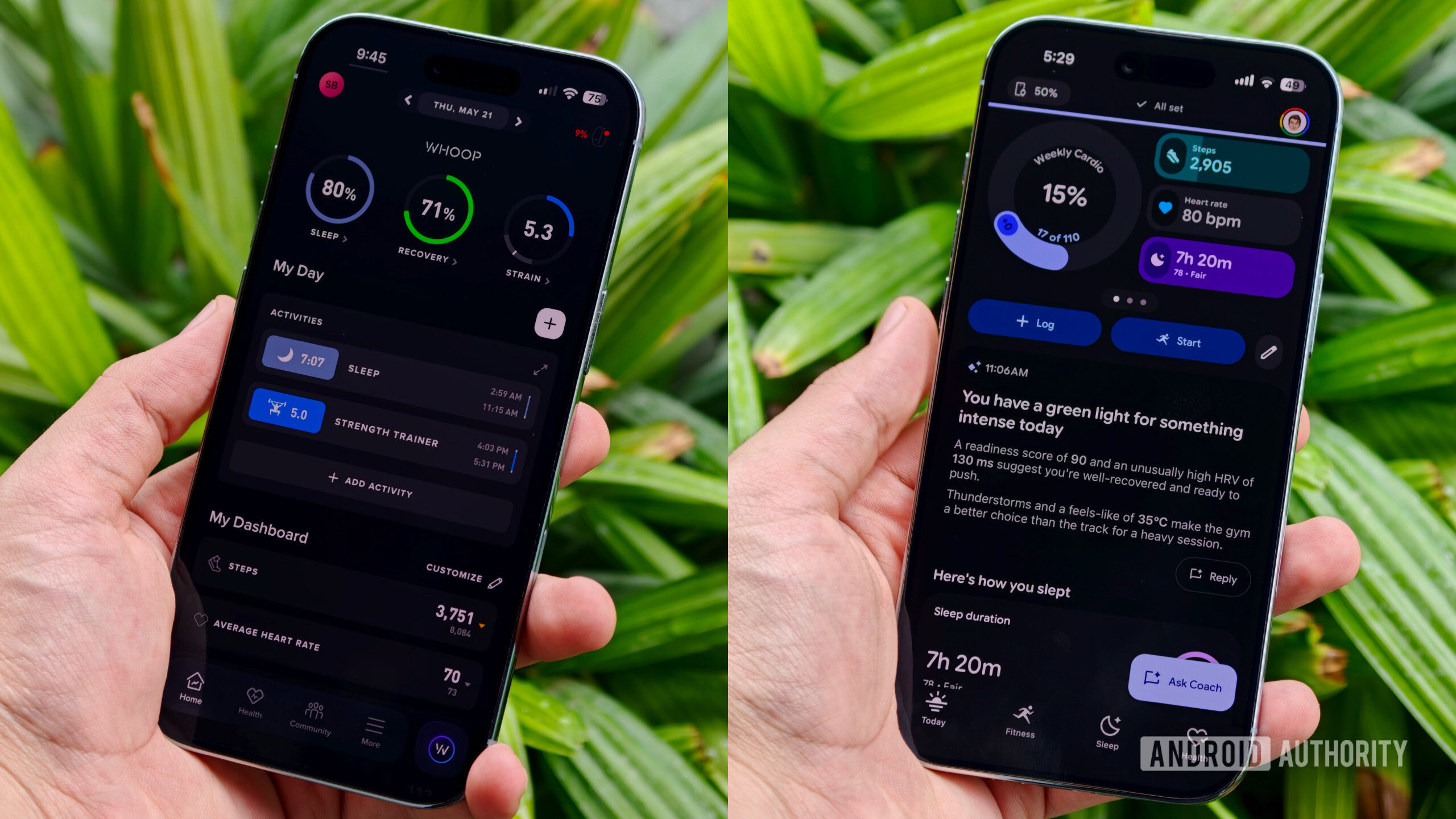
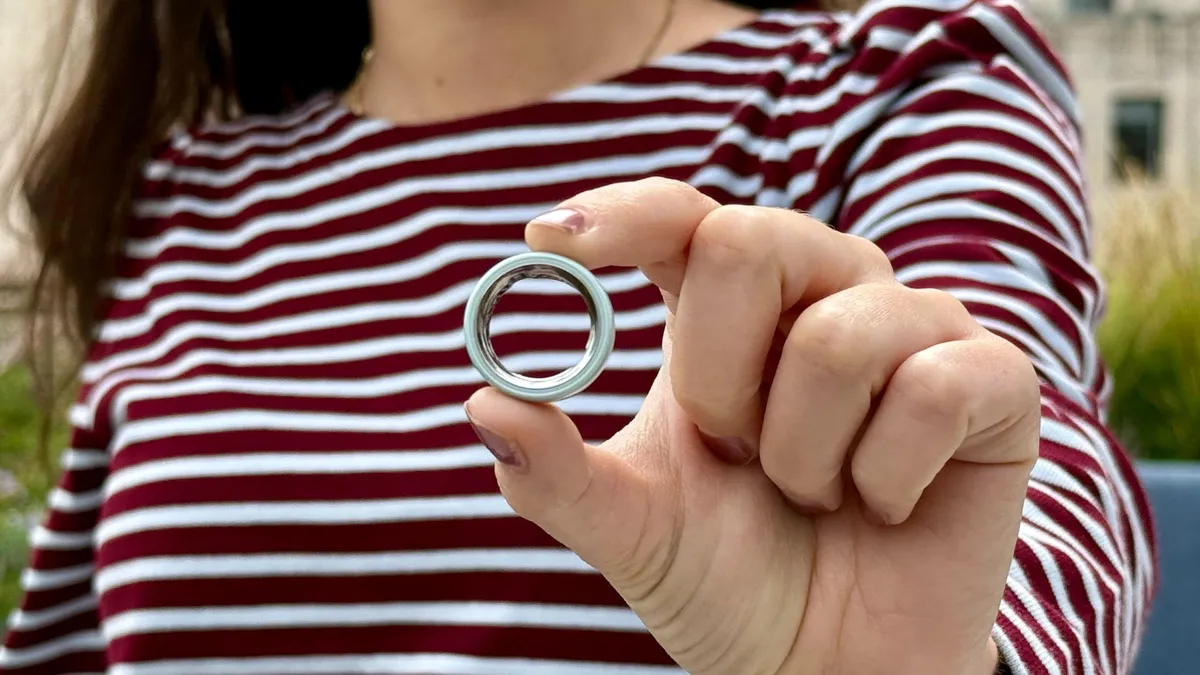
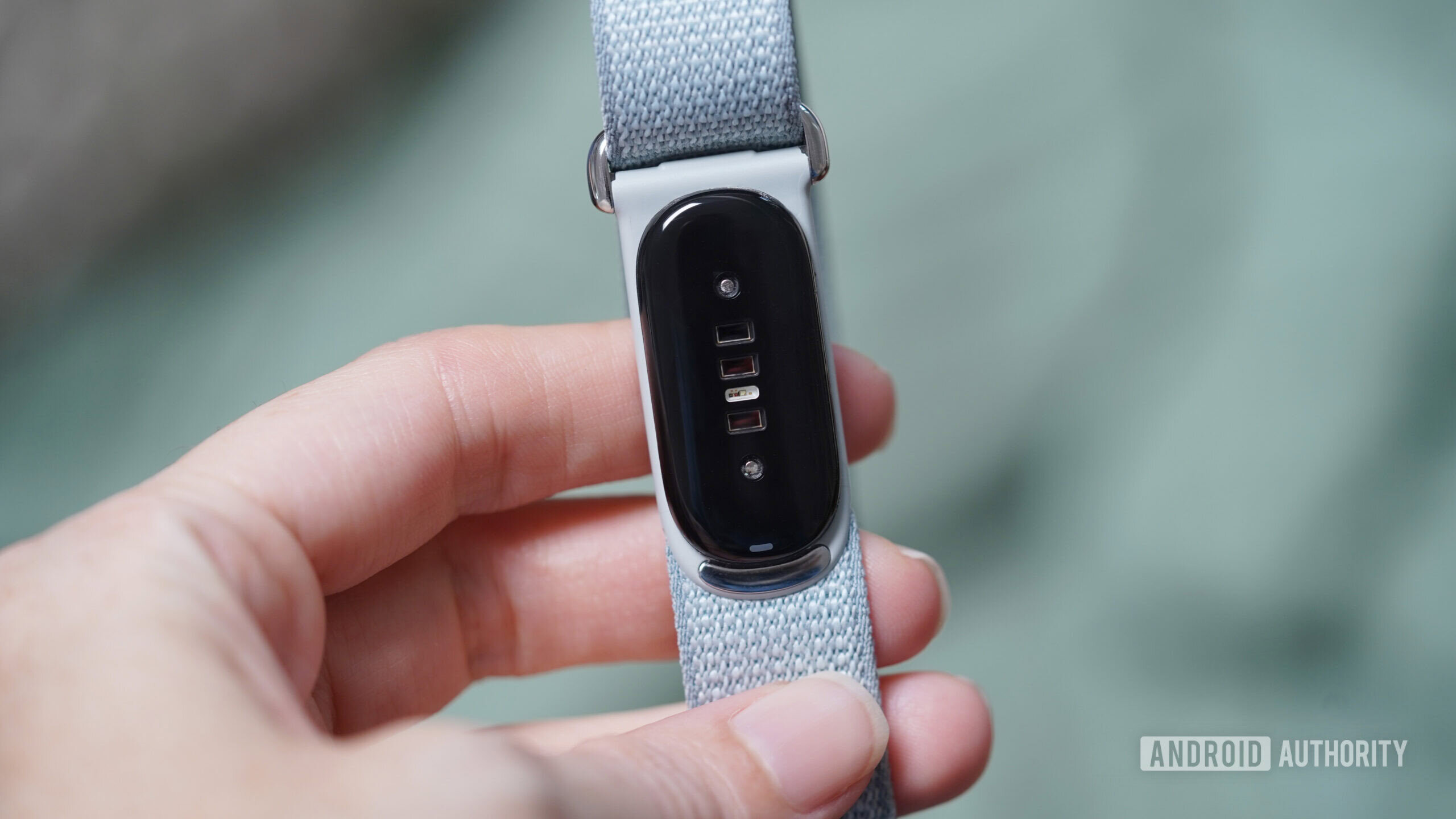
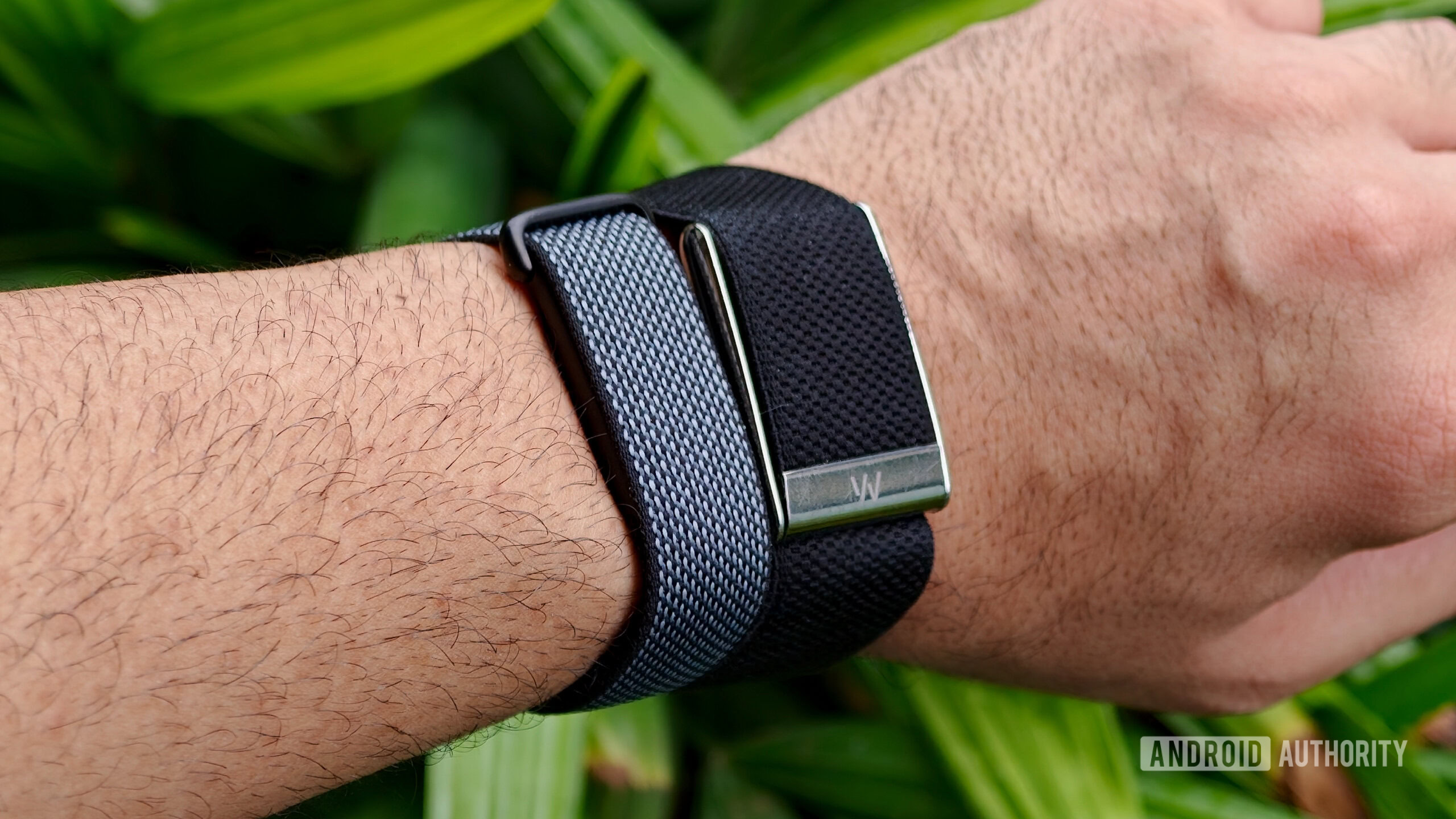
From a user’s point of view, the biggest surprise in this Fitbit Air review is how invisible the device feels on the wrist. At 12g, it barely registers in day‑to‑day wear and is significantly lighter than typical smartwatches, which helps avoid the fatigue that often sends heavier devices into a drawer. The tracker itself is also noticeably smaller than the WHOOP MG, roughly half its size, which makes overnight wear and 24/7 monitoring far easier. Despite the compact form, the battery life is impressive: while the official claim is up to a week, extended testing produced over eight days per charge with regular workouts and sleep tracking. The companion Google Health app favors clarity over data overload if you subscribe to Google Health Premium, giving a simple daily summary, weekly cardio load, heart rate, sleep, and activity data, backed by AI explanations of what those numbers mean, plus small insight notifications every few hours.
Heart Rate Monitoring: Close to Gold Standard, With Minor Caveats
To judge fitness tracker accuracy, heart rate monitoring was tested against the Polar H10 chest strap, often considered a gold standard consumer monitor thanks to near‑perfect agreement with a reference ECG system. During treadmill work, walking heart rates on Fitbit Air were within one or two beats per minute of the strap, but when running started, the strap jumped to 141 bpm while Fitbit Air still showed 109 bpm; in the next minute, the strap read 128 bpm versus Fitbit’s 112 bpm. After this brief lag, readings aligned once pace stabilized, reflecting the time it takes for heart rate changes to reach the wrist and be interpreted optically. Over the full treadmill session, average heart rate differed by only 2 bpm (124 vs 122), with minimum and maximum values also within about 2% error. In strength training, average and minimum heart rates again stayed accurate, though maximum heart rate drifted by about 11% compared with the chest strap. Overall, heart rate metrics “performed swimmingly with under 2.5% error” and are reliable for situational checks and general training guidance.
| Metric | Polar H10 | Fitbit Air |
|---|---|---|
| Treadmill calories burned | 143 kcal | 126 kcal |
| Treadmill avg. heart rate | 124 bpm | 122 bpm |
| Strength calories burned | 152 kcal | 105 kcal |
| Strength avg. heart rate | 100 bpm | 101 bpm |
Calorie Counting and Health Metrics: Where Fitbit Air Falls Short
Calorie counting is where the Fitbit Air falters, and why any calorie counting tracker should be approached with skepticism. On the treadmill, it underestimated calories burned by nearly 12%, logging 126 kcal against the chest strap’s 143 kcal. In a strength training session, the gap widened dramatically: 105 kcal versus 152 kcal, a 30.9% underestimate. These devices do not measure calories directly; they estimate them using formulas that combine heart rate, weight, age, sex, activity intensity, and other factors, so small errors stack up quickly. As noted in testing, “it’s difficult already to calculate calories burned, and each tracker will calculate it differently,” making these readouts better viewed as approximations rather than hard data. In both cardio and weights, minimum and average heart rate metrics were the most reliable, while maximum heart rate and calories burned showed the largest deviations, particularly in non‑steady activities like strength work. If you plan to manage diet or weight, treat Fitbit Air’s calorie metrics as ballpark figures, and verify critical numbers with independent methods.
Fitbit Air vs WHOOP: Three Weeks of Real‑World Trade‑Offs
Comparing Fitbit Air to WHOOP in real‑world use highlights the trade‑off between cost and depth. WHOOP has built a reputation for highly accurate sleep and workout tracking; it has consistently delivered some of the best wearable data for strain and recovery in extended testing. Fitbit Air, by contrast, stumbled initially: the first week brought missed sleep sessions and unreliable workout tracking. After wearing it continuously for about three weeks, tracking quality improved noticeably as the device seemed to calibrate to the user’s body. Even after this improvement, WHOOP remains the more accurate and detailed fitness tracker overall. However, the gap is not wide enough to justify WHOOP’s much higher yearly subscription cost of USD 360 (approx. ₱20,300) for many people. According to one tester, “if you’re a serious athlete who depends on detailed strain tracking, recovery metrics, and minute‑by‑minute workout analysis, WHOOP is probably still worth paying for. But for everyone else, it’s really hard to argue against a USD 99 (approx. ₱5,600) Fitbit Air”.