
DirectStorage: A Bold Promise Still Waiting on Reality
DirectStorage is a Windows storage technology designed to reduce game load times by cutting operating system overhead and offloading asset decompression from the CPU to the GPU, so modern NVMe SSDs can finally deliver their full streaming performance in PC gaming without being constrained by decades‑old file access methods.
The uncomfortable truth is that DirectStorage, announced in 2020 with big promises for load time optimization, is still searching for its moment. We were told loading screens would vanish because “your SSD is already fast enough to make loading screens disappear, but Windows is standing in the way.” Yet four years later, DirectStorage PC gaming feels more like a tech demo than a standard feature. The current roll call is tiny: Forspoken in January 2023, Ratchet & Clank: Rift Apart and Forza Motorsport later that year, Horizon Forbidden West in 2024, and Marvel's Spider-Man 2 in early 2025. This is not the revolution we were sold; it is a cautious experiment the industry has not fully bought into.
The Real Bottleneck Was Never Your SSD
DirectStorage exists because the traditional way Windows feeds data to games is stuck in the spinning‑disk era. Microsoft has admitted that the standard file I/O APIs are more than 30 years old and basically unchanged, even though modern NVMe SSDs can move multiple gigabytes per second. Modern games no longer pull one big level file; they stream thousands of tiny textures and meshes, which hammers the old APIs with an enormous number of small requests. Those requests become CPU overhead, turning Windows, not your SSD, into the game performance bottleneck.
On top of that, nearly every asset is compressed, and traditionally the CPU has to decompress gigabytes of data while the GPU waits idle. DirectStorage attacks both problems: it batches storage requests for lower overhead and enables GPU‑side decompression via formats like GDeflate, keeping data compressed until it hits VRAM. In theory, this should be the perfect load time optimization. In practice, that improvement competes with the one metric PC gamers care about more than any loading screen: frame rate.
Why Faster Loads Lose to Higher Frames
On consoles, the DirectStorage‑style pipeline has dedicated hardware help; on PC, there is no such chip. When the GPU is decompressing assets, it spends compute and power budget it could have spent on frames, which means every second of loading you save might be borrowed from performance during gameplay. Add the fact that most games are GPU‑bound anyway, and the pitch becomes “give up frames to save seconds,” which is not how you win over PC gamers who tune settings obsessively for smooth play.
Early real‑world tests underline the problem. Forspoken managed one‑to‑two‑second loads, but a fast Gen5 SSD barely beat a basic SATA SSD, proving that DirectStorage was not being pushed and that raw drive speed hardly moved the needle. Ratchet & Clank was worse: one test showed that deleting two DirectStorage DLLs gave an RTX 4080 about 10% higher average FPS at 4K and a huge 26% uplift in 1% lows. When a feature sold as a fix for waiting starts to harm stability, the community’s priorities are clear—and DirectStorage loses.
Adoption Hell: Engineering Cost, Fragmented PCs, and Awkward APIs
If DirectStorage were trivial to add, more games would support it. Instead, “turning on” DirectStorage properly means rethinking how a game packages, compresses, and streams almost every asset it owns, which is a serious engineering investment for something still unproven in the market. Studios work with limited budgets and schedules; rebuilding pipelines for modest, hard‑to‑market gains in Windows storage technology is a tough sell compared with a new gameplay feature or visible graphics upgrade.
PC hardware diversity makes it worse. Xbox developers know exactly what drive sits in the box, but PC players might have a high‑end Gen5 NVMe drive, an older SATA SSD, or even a hard drive. Any PC with an NVMe SSD can, in theory, benefit from DirectStorage, if developers decide it is worth targeting. In practice, they must still support the slowest common denominator, which dilutes the incentive to design worlds that depend on ultra‑fast streaming. Horizon Forbidden West is especially telling: it shipped with DirectStorage but deliberately skipped GPU decompression because the API was too restrictive and caused driver scheduling issues they could not work around.
What Gamers Should Do While DirectStorage Stalls
Four years after launch, DirectStorage 1.4 arrives with hopes that the story may change, but it has not yet produced the “must‑have” game that proves it matters. For the moment, DirectStorage PC gaming remains a promise, not a priority. The smarter move for most players is to treat it as a nice‑to‑have extra, not a buying guide. If you are on older storage, an NVMe SSD will still improve everyday responsiveness, but the source material is clear: “If you're running old tech at the moment, please do not buy an expensive Gen5 SSD because of DirectStorage, since a faster drive barely moves the needle in games anyway.”
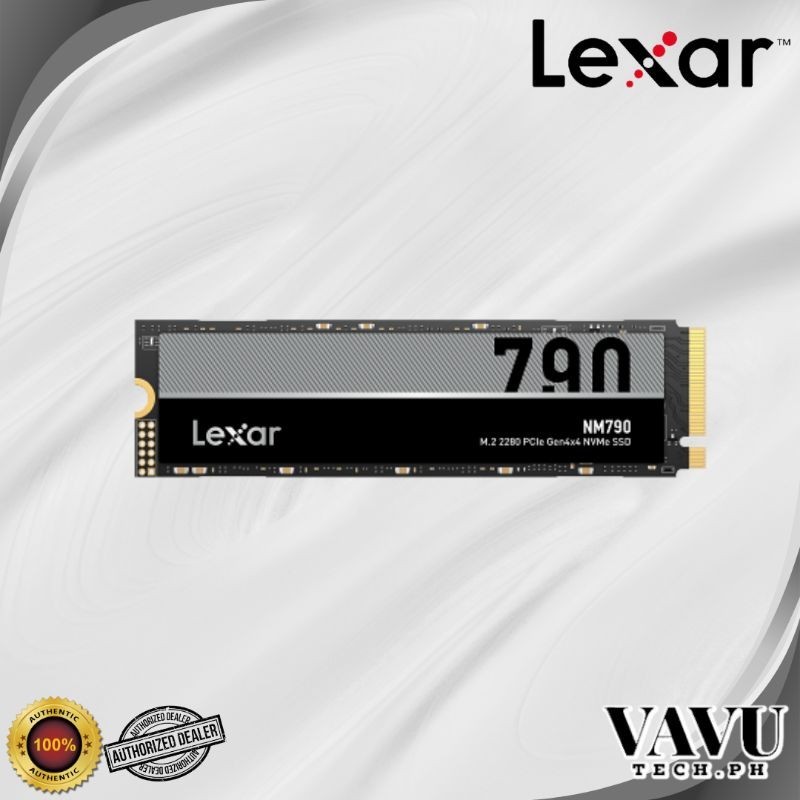
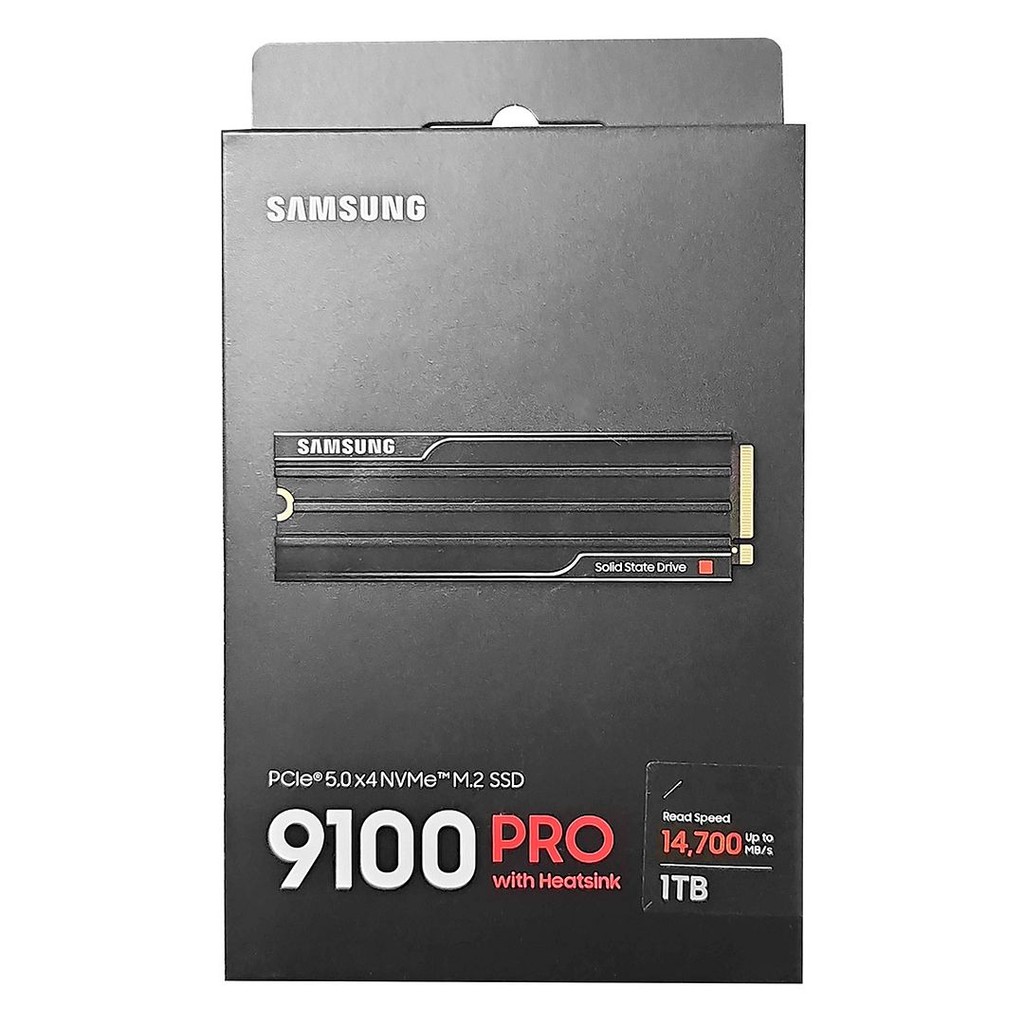
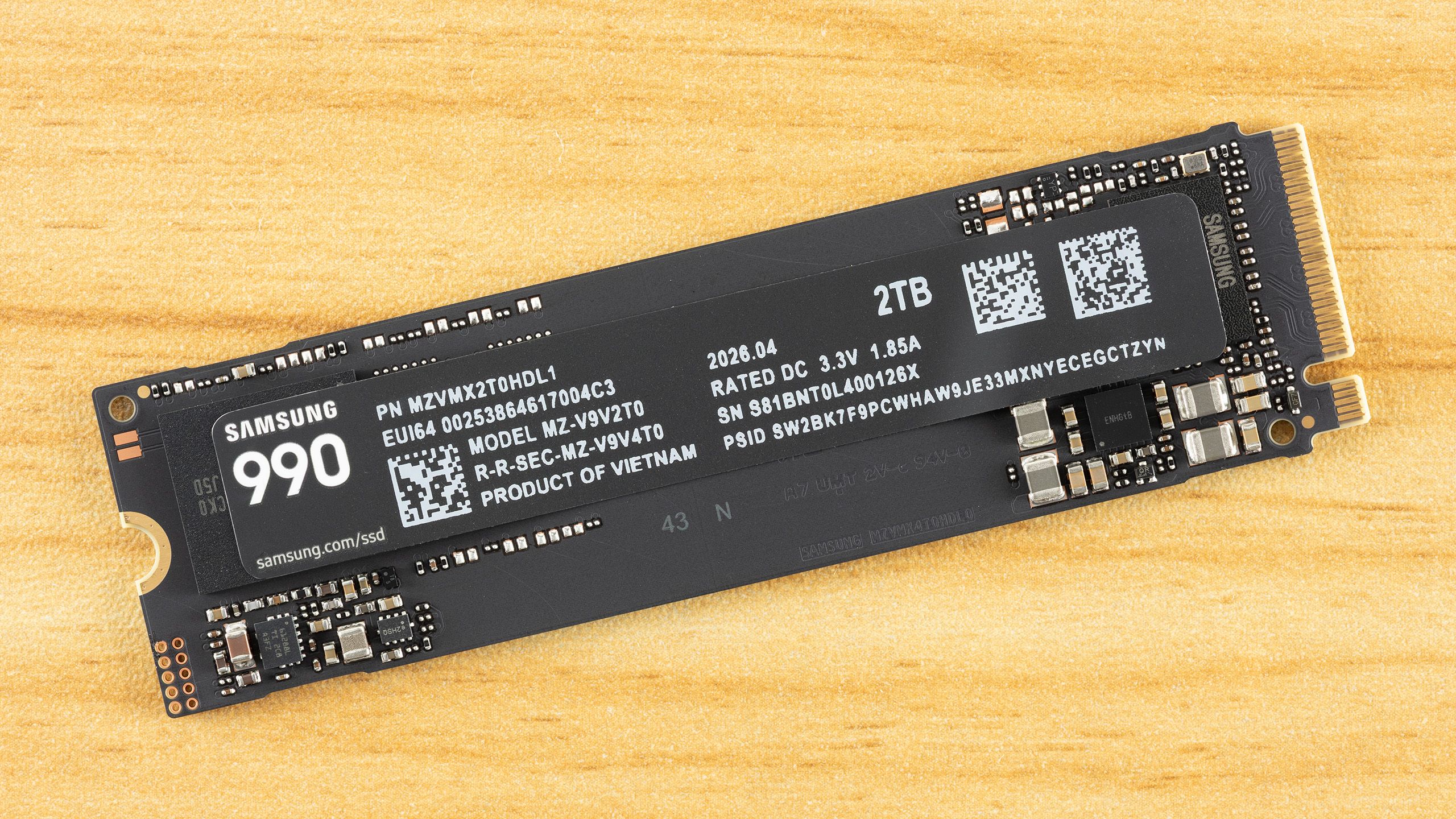
There are still normal reasons to shop for drives—one Lexar NM790 SSD is listed at USD 385 (approx. ₱21,600), down from USD 392 (approx. ₱22,000), and a Samsung 9100 PRO at USD 400 (approx. ₱22,400), down from USD 680 (approx. ₱38,100). But you should buy storage for capacity, reliability, and price, not a feature few games use. Until a blockbuster title shows DirectStorage can cut load times without becoming a new game performance bottleneck, the sensible PC gamer continues to prioritize frame rates and stability—and waits to see whether this ambitious idea ever reaches its potential.