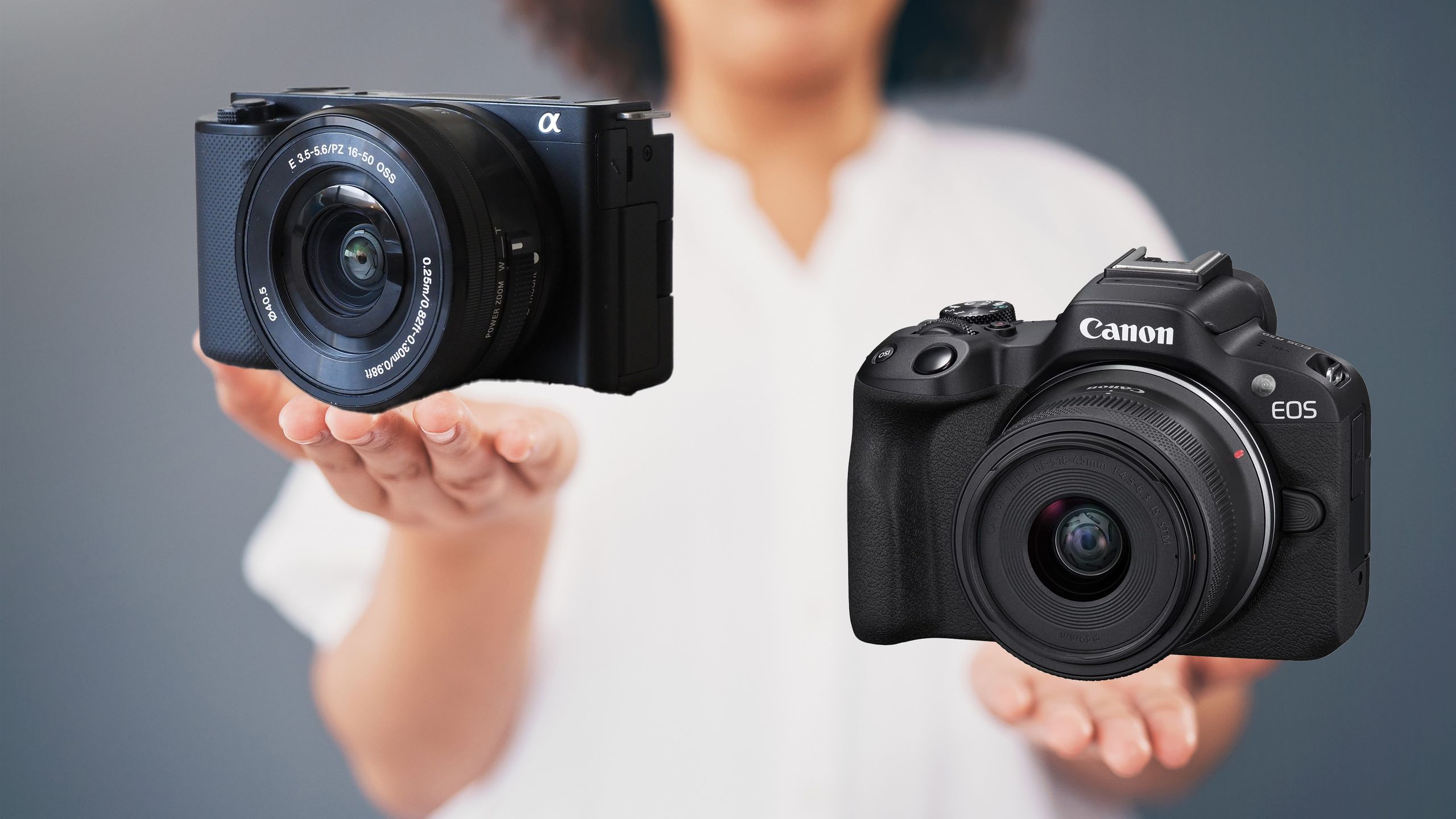

Sony ZV-E10 vs Canon EOS R50: What this APS-C mirrorless comparison is about
This APS-C mirrorless comparison looks at the Sony ZV-E10 and Canon EOS R50 as budget mirrorless camera options for entry-level vloggers and creators, focusing on handling, portability, battery life, and lens ecosystems rather than lab measurements, so you can decide which system better supports your content workflow and long-term creative plans.
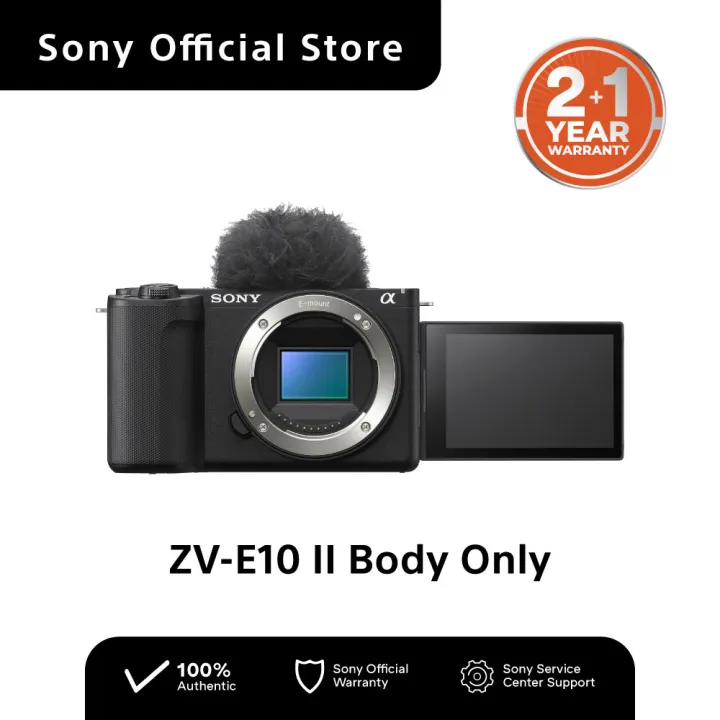
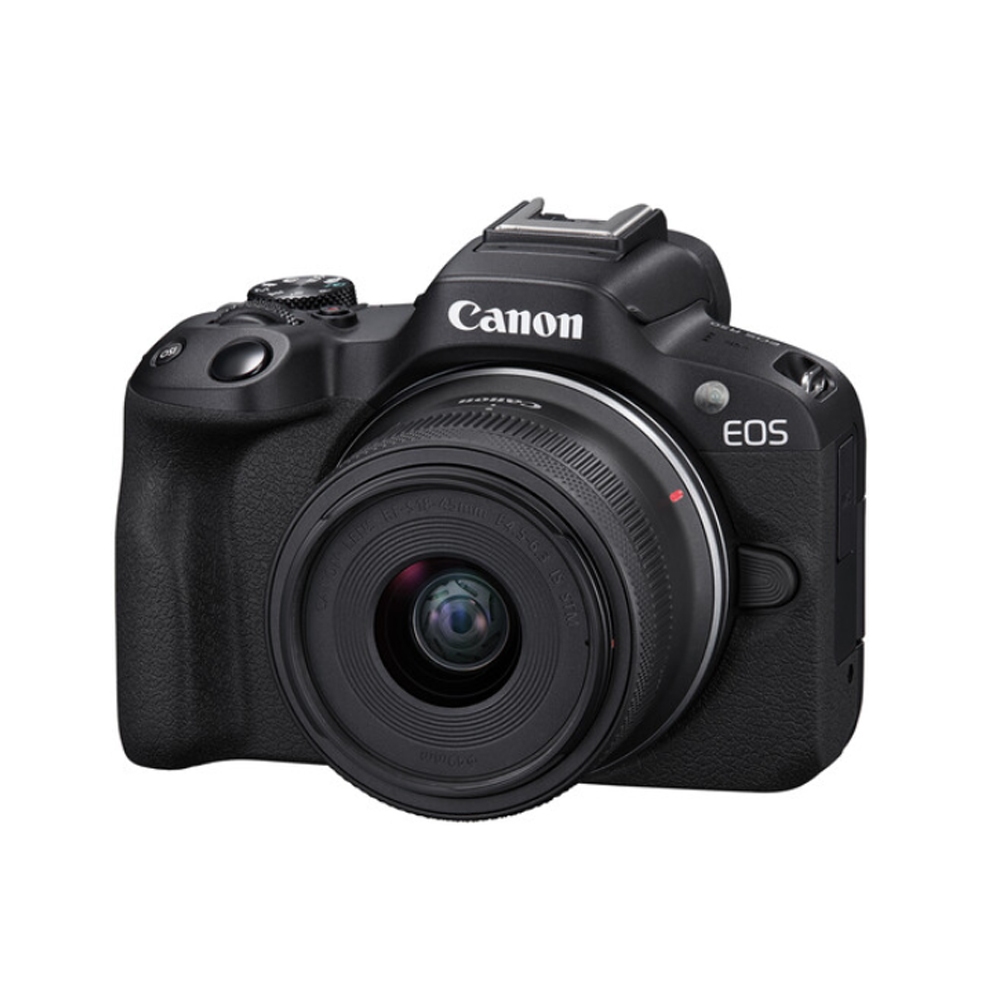
Both models aim at the same buyer: someone stepping up from a phone to an entry level vlogging camera that can also handle everyday stills. They offer similar 24MP APS-C sensors, matching 4K 30p and Full HD 120p recording, and fully articulating 3.0-inch touchscreens, and they “boast similar specs and cost around the same.” The big split is philosophy. The ZV-E10 is a viewfinder-free box built around video and portability, while the EOS R50 feels like a shrunken stills camera that also records strong video. If you care more about light weight, long battery life, and wide lens options, the Sony tends to fit better; if you value a deeper grip and a camera-like shooting experience, the Canon pulls ahead.
| Spec | Sony ZV-E10 | Canon EOS R50 |
|---|---|---|
| Sensor resolution / type | 24MP APS-C CMOS | 24MP APS-C CMOS |
| Video formats | 4K 30p; Full HD 120p | 4K 30p; Full HD 120p |
| Screen | 3.0" fully articulating touchscreen | 3.0" fully articulating touchscreen |
| Viewfinder | No electronic viewfinder | Has electronic viewfinder (lost only on EOS R50 V variant) |
| Weight (with battery & card) | Approx. 340g / 12oz | Approx. 375g / 13oz |
| Battery rating (stills, approx.) | Around 440 shots (NP-FW50) | Around 310 shots (LP-E17) |
| Native lenses (own brand) | Over 80 E-mount lenses | Over 50 RF / RF-S lenses |
| Third‑party lens support | Extensive; over 300 total E‑mount options with third parties | Limited; third‑party RF / RF‑S glass restricted |
Portability, ergonomics, and everyday shooting experience
If you carry a camera everywhere, small differences in weight and grip affect how often you will take it out. The Sony ZV-E10’s viewfinder-less body is “highly compact” and weighs about 340g/12oz with battery and card, making it friendlier for handheld vlogging and travel. The Canon EOS R50 comes in slightly heavier at about 375g/13oz including battery and SD card, though it still slips into a handbag. That extra weight buys you a more camera-like feel. According to the source, “I also give the ergonomics points to the Canon. Its grip has more depth and, in general, the camera seems to fit in your hand more snugly.”
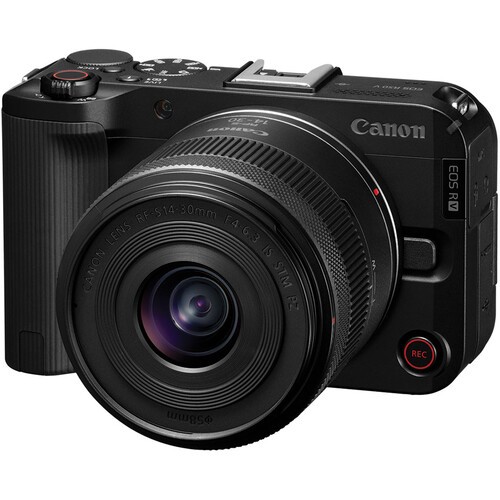
For pure video creators who are always in front of the lens, the Sony’s thinner body is an advantage despite feeling less secure in larger hands. For hybrid shooters who hold the camera to their eye and spend long sessions shooting stills, the Canon’s deeper grip and built-in viewfinder make it easier to keep the camera stable and comfortable. The trade-off is that if you choose the vlogging-focused Canon EOS R50 V variant, you give up that viewfinder as well, the same compromise Sony makes on the ZV line. Either way, be honest about how you will hold the camera most of the time—at arm’s length for video, or braced like a traditional stills body.
Battery life and lens ecosystems: thinking beyond the kit
Battery life and lenses quietly decide how pleasant your camera will be once the novelty fades. Here the Sony ZV-E10 takes a clear lead. Its NP-FW50 battery delivers around 440 still shots on a charge, compared with roughly 310 from Canon’s LP-E17 in the EOS R50. For travel days and live content where you record multiple clips, fewer battery swaps mean fewer missed moments. On the lens side, both systems cover the basics with dozens of native options, but “the Sony E-mount system has a much wider array of compatible lenses.”
Sony offers over 80 native E‑mount lenses, while Canon has over 50 native RF and RF‑S lenses for the EOS R50. The gap widens when you factor in third parties: including them, the Sony catalog swells to more than 300 E‑mount lenses, whereas Canon restricts third‑party RF/RF‑S glass, leaving far fewer choices. This matters if you expect to grow into fast primes, ultra‑wides, and niche creative optics over time. Sony’s system is better for tinkerers who want many budget and specialty options; Canon’s more controlled RF ecosystem still covers most mainstream needs but offers less experimental choice. If long-term flexibility is high on your list, the ZV-E10’s mount makes it the more future-proof budget mirrorless camera in this Sony vs Canon camera matchup.
Shared strengths and the viewfinder dilemma
Despite their differences, both cameras start from the same strong foundation for an entry level vlogging camera: a 24MP APS-C CMOS sensor, 4K 30p and Full HD 120p recording, and a fully articulating 3.0-inch touchscreen. This means either body can handle talking-head clips, vertical content, and casual photography without holding you back on resolution or core formats. They are small, nimble bodies intended for creators who want better quality than a phone without a steep learning curve.
Where they share a more awkward trait is the viewfinder trade-off. On the Sony ZV-E10, the lack of an electronic viewfinder is a deliberate design choice that keeps the camera compact and video-focused, but the source describes it as “annoying if you shoot stills as well.” On the Canon side, the standard EOS R50 does include a viewfinder, but the more vlogger-targeted EOS R50 V version loses it too, mirroring Sony’s compromise. In other words, if you care about composing photos at eye level in bright light, you need to stay with the regular R50 rather than its V spin-off, or accept that the ZV-E10 asks you to rely entirely on the rear screen. For creators who live on video, this is minor; for aspiring photographers, it can be the deciding factor.
Buy if / Skip if
- Buy the Sony ZV-E10 if you want the lightest setup, since it is smaller and lighter than the EOS R50 while still offering a 24MP APS-C sensor and 4K 30p video.
- Skip the Sony ZV-E10 if you often shoot stills in bright light and rely on an eye-level viewfinder, because this body has none.
- Buy the Sony ZV-E10 if long-term flexibility matters and you want access to over 80 native lenses plus extensive third-party E-mount glass, totalling more than 300 options.
- Skip the Sony ZV-E10 if you strongly prefer a deeper handgrip and more traditional camera ergonomics, where the Canon EOS R50 feels more secure.
- Buy the Canon EOS R50 if you are a hybrid shooter who values a built-in viewfinder and a snug, deeper grip for stills and video.
- Skip the Canon EOS R50 if you need the best possible battery life in this price class, as its LP-E17 is rated for fewer still shots per charge than Sony’s NP-FW50.
- Buy the Canon EOS R50 if you want a familiar camera-style body with access to over 50 RF and RF-S lenses and solid all-round creator features.
- Skip the Canon EOS R50 if your priority is a huge, affordable third-party lens pool, because Canon limits RF/RF-S third-party options compared with Sony’s E-mount.