
Zen 6: A Definition and a Clear Statement of Intent
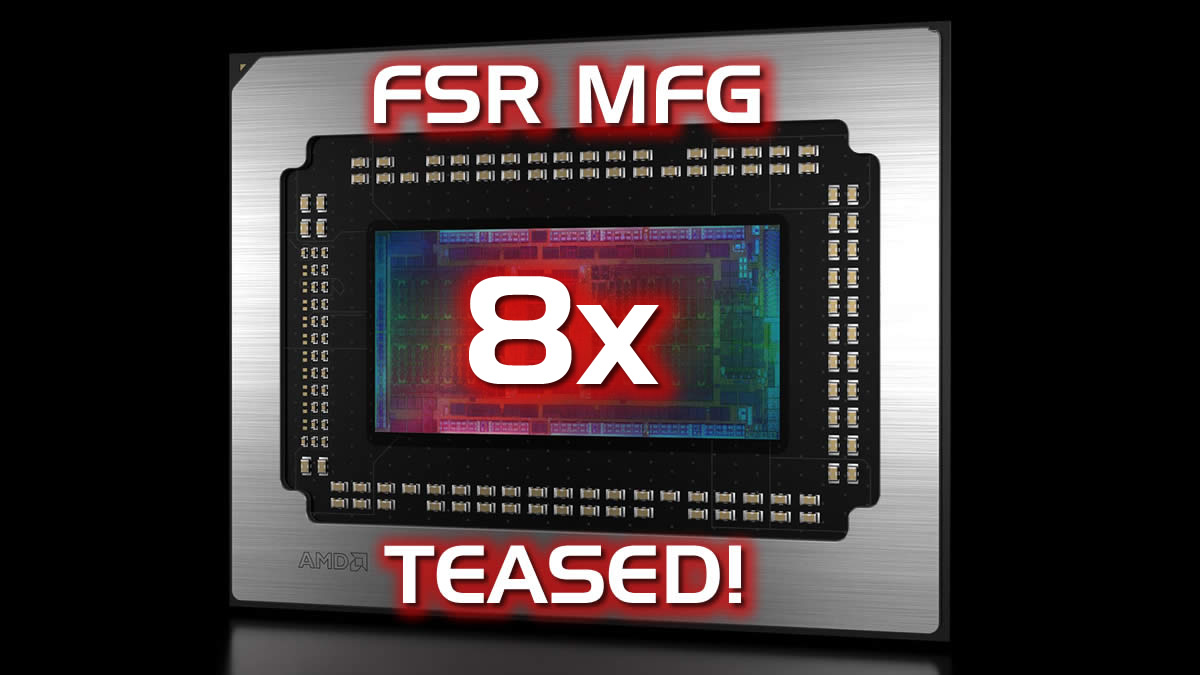
AMD Zen 6 is the company’s upcoming sixth-generation x86 CPU microarchitecture, designed to power its next-generation processors with higher single-thread and multi-thread performance, improved cache design, and better efficiency compared to current Zen 5-based products, while remaining compatible with existing x86 software ecosystems and forming the basis of future client and server platforms.
The headline story is simple: Zen 6 looks set to be AMD’s most aggressive CPU refresh since the original Zen upset the desktop status quo. AMD has now officially confirmed that its next-generation processors based on Zen 6 will debut at the Advancing AI 2026 conference on July 22–23, a timeline disclosed by Executive Vice President and CTO Mark Papermaster during an interview at the Paris AI | RAISE Summit. Paired with fresh Zen 6 benchmarks that already beat today’s Zen 5 silicon by double-digit margins, this is less a quiet tick-tock and more a clear shot at rivals in both client and server markets.
Leaked Zen 6 Benchmarks: Real Gains, Not Marginal Tweaks
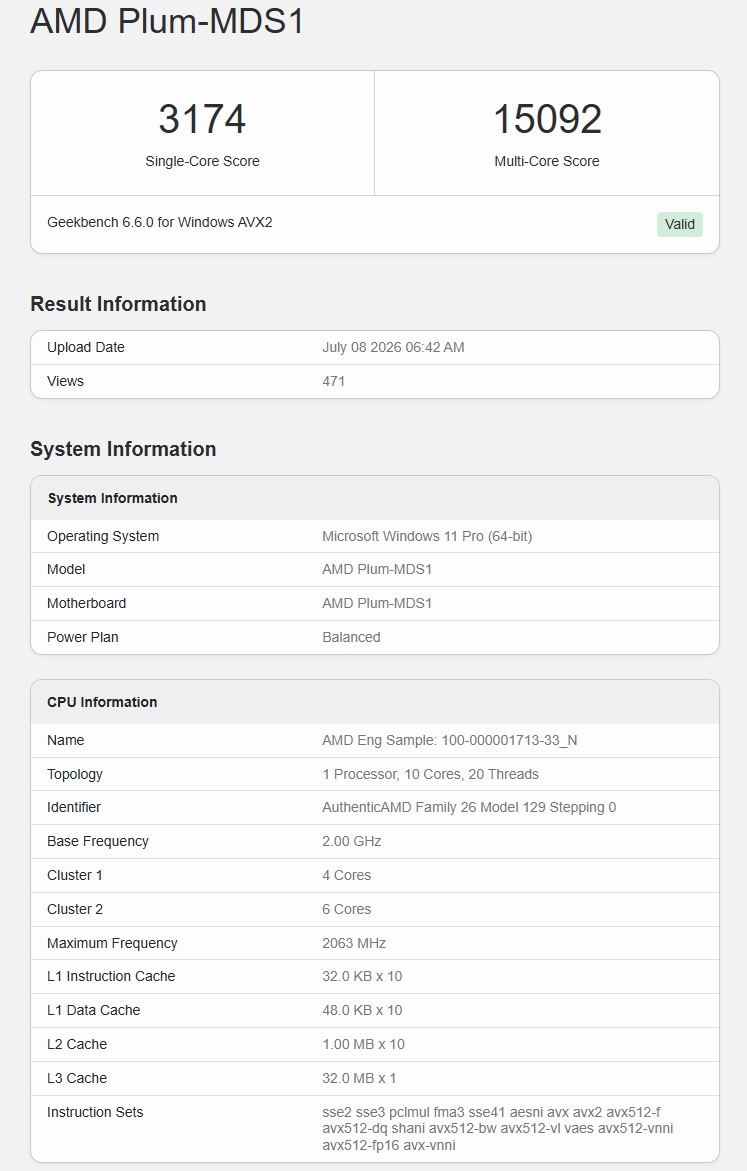
If the early Zen 6 benchmarks hold, AMD’s next generation CPU line is not chasing small wins—it is aiming for a visible step up in flagship processor performance. Geekbench results for an engineering sample identified as “AMD Plum‑MDS1,” associated with a “Medusa Point” Zen 6 part, show a 10-core configuration with four Zen 6 cores and six Zen 6c cores, matching the core count of the current Zen 5-based Ryzen AI 9 HX 370 Strix Point chip. In other words, this is a like-for-like comparison in core numbers, and Zen 6 still pulls ahead decisively.
In Geekbench 6.6, the existing Ryzen AI 9 HX 370 scores 2605 single-thread and 13397 multi-thread, while the Medusa Point sample reaches 3174 and 15092 respectively—a 21.8% single-thread and 12.6% multi-thread advantage for Zen 6. That is not an incremental tuning bump; it is the kind of uplift that can change CPU architecture comparison charts overnight. Even more telling, this is an early engineering sample, raising the question of how much additional headroom remains in retail silicon.

Under the Hood: Cache, Clocks, and x86 Strategy
The leaked Medusa Point result hints that AMD is backing these performance gains with tangible architectural changes rather than marketing spin. Geekbench detects 32 MB of L3 cache on the Zen 6 sample, up from 24 MB on Strix Point, a Zen 5 design, making for a notable increase in last-level cache capacity. The benchmark also reports support for new instructions, including AVX-512-fp16, suggesting that Zen 6 is widening its vector and AI-adjacent capabilities. Older leaks have pointed to higher clock speeds across the board, though this particular data set cannot yet separate frequency gains from core architectural improvements.
This is not happening in a vacuum. According to AMD’s CTO Mark Papermaster, enterprise customers have spent decades building software ecosystems around x86 processors, so compatibility and continued performance improvements remain essential. Zen 6 is designed to optimize conventional x86 workloads while complementing the company’s wider AI hardware portfolio, instead of discarding tried-and-tested compute models. In an era where alternatives are loudly promoted, Zen 6’s message is that x86 is not retreating; it is doubling down with more cache, new instructions, and higher performance per core.
Why AMD Is Moving Now—and What Comes Next
The timing of Zen 6’s debut is not subtle. AMD is bringing its next generation CPU architecture to the stage as competition in both client and server CPU markets continues to intensify. While the leaks do not name rivals, the pressure from other x86 vendors and from alternative silicon platforms is obvious. Zen 6 is widely expected to underpin future Ryzen desktop chips, EPYC server CPUs, and workstation products, even though AMD has not yet formally attached the architecture to specific families. That breadth matters: the same core design will be asked to shoulder everything from consumer systems to dense compute infrastructure.
For now, AMD is holding back full disclosure. The company has confirmed only that Zen 6 will make its debut at Advancing AI 2026, with additional technical information strongly suggested to land during the keynote. With the event set for later this month, it is shaping up to be one of the company’s most important launches, and the early Zen 6 benchmarks have raised expectations rather than tempered them. The conclusion is clear: if AMD’s on-stage disclosures match what we are seeing in leaked scores, Zen 6 will not merely keep x86 in the race—it will put serious pressure on every competing CPU roadmap.