
A compact camera shortage that breaks the old product playbook
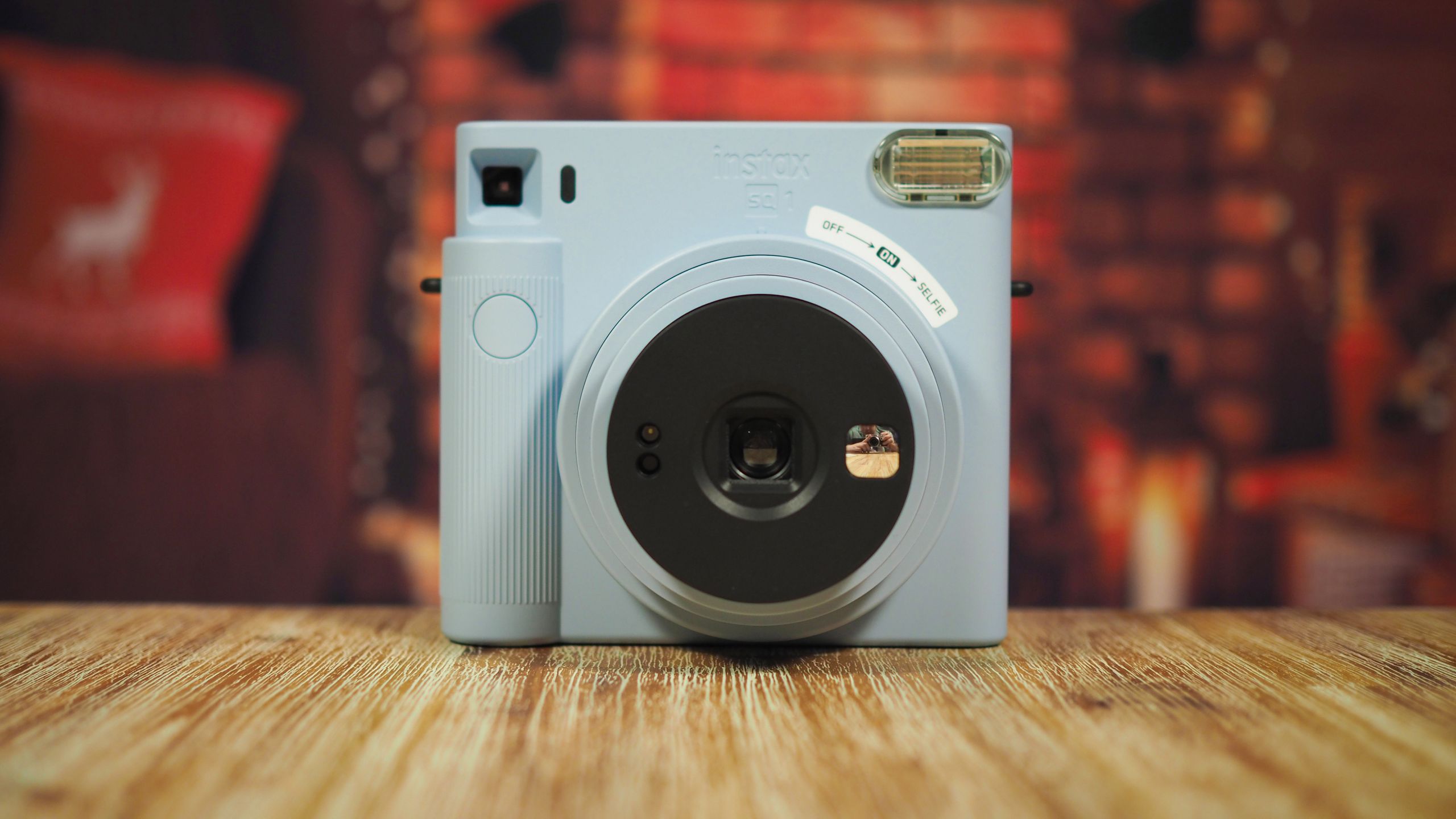
The recent compact camera shortage is a market shock where a once-modest instant camera and a viral premium compact have overwhelmed production capacity, stayed out of stock for long periods, and attracted scalper-level prices, exposing how nostalgia, film simulation trends, and social media hype now dictate camera availability and buyer behaviour more than traditional product lifecycles. Launched in 2020, Fujifilm’s Instax Square SQ1 was a simple analogue point‑and‑shoot that initially drew a mixed reception, overshadowed by the more popular Mini range and its cheaper film. Yet six years later, sales in one key market have “continued to far exceed initial expectations, resulting in a situation where production cannot keep up” and orders have been temporarily suspended. When an entry‑level instant camera and a high‑end compact both become rarity items, the problem isn’t the hardware; it is the way the modern camera economy now runs on hype.
How nostalgia and social feeds turned a quiet instant camera into a runaway hit
The SQ1’s resurgence is not a random spike; it is the visible result of a wider analogue photography revival among younger shooters and content creators. The camera’s square 1:1 format taps into two powerful aesthetics at once: the tactile charm of classic instant prints and the original square look associated with early Instagram. In practice, that makes each frame feel both retro and ready‑made for sharing, a potent mix in an era of performative nostalgia. Its single‑button, automatic‑exposure design was once criticised as too basic, but that same simplicity now makes it a gateway into film for smartphone natives who want the “unmistakable look of analogue instant photography” without a learning curve. The result: demand has surged, stock in one major market is limited to a few colour options between USD 198 (approx. ₱11,088) and USD 199.95 (approx. ₱11,197), and new orders in Japan have been suspended with no clear resumption date yet announced.
The X100VI shows how film simulation hype feeds scalpers and starves real users
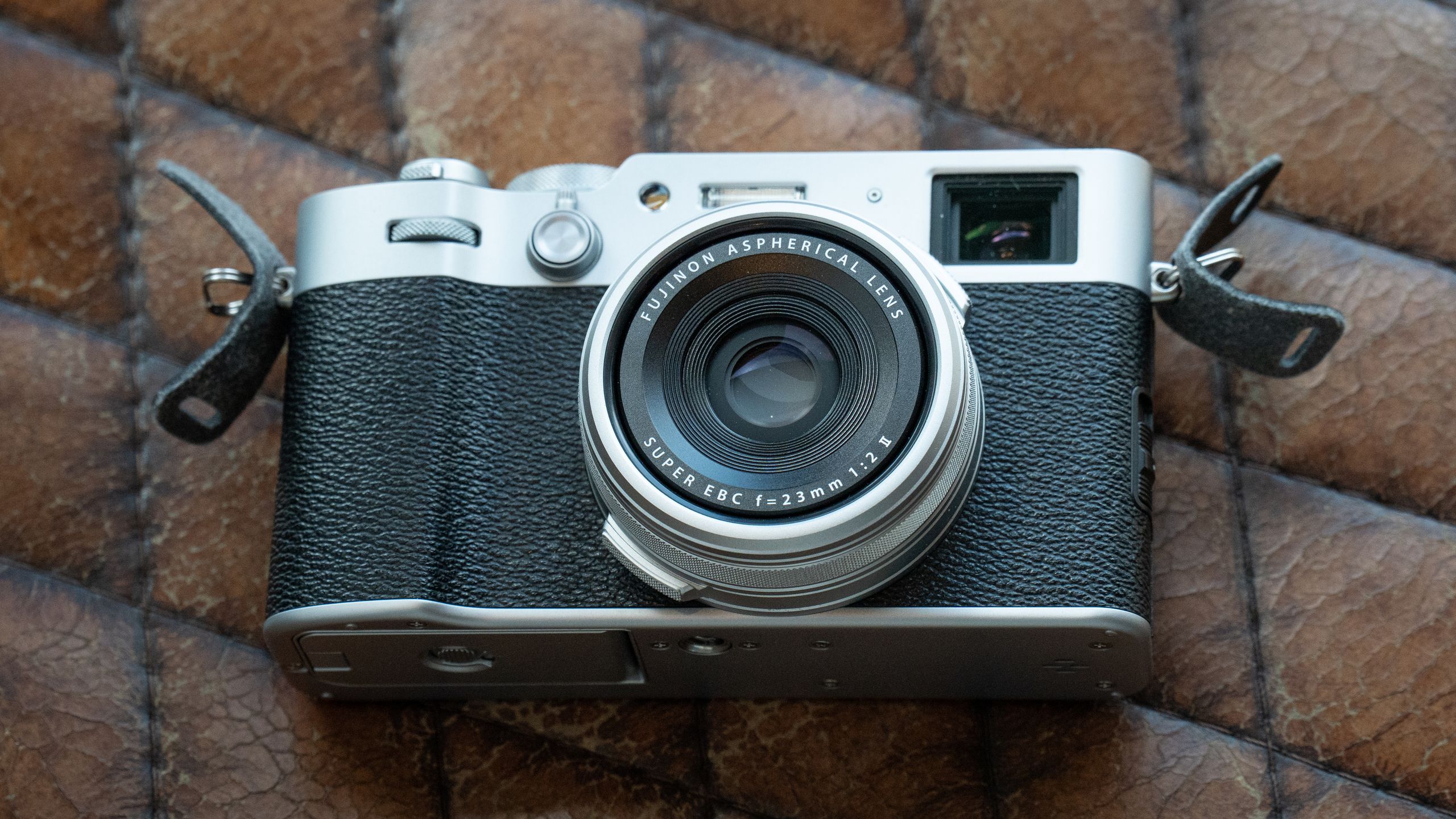
If the SQ1 proves that nostalgia can overload an entry‑level production line, the Fujifilm X100VI shows how a film simulation trend can turn a premium compact into a speculative asset. Inside its retro‑styled body sits a 40.2MP APS‑C sensor, the latest X‑Processor, a fixed 23mm f/2 lens, and up to six stops of in‑body stabilization. Most importantly, it offers 20 Film Simulation modes, including Reala Ace, delivering the brand’s much‑loved colours straight out of camera. Those simulations now circulate as recipes and hashtags, giving the X100VI a constant presence across social media. The camera has spent much of its life tagged as “temporarily out of stock,” and in a recent sales period it became the top‑selling camera yet was often listed around USD 2,299 (approx. ₱128,744), roughly USD 500 (approx. ₱27,992) above its USD 1,799 (approx. ₱100,752) retail price. That gap is not a bonus feature; it is a tax imposed by scalpers on buyers who are told that paying extra is the only way to join the trend.
According to the coverage, “waiting seven days to keep an extra $500 /£500 in your pocket sounds like a very sensible trade” when the alternative is inflated third‑party pricing. That one sentence cuts through the hype: scarcity has been monetised, and impatient buyers are funding it. Camera scalper prices are now part of the buying landscape, with third‑party sellers exploiting the delay between official supply and viral demand. Many users are tempted because they see the X100VI everywhere, from street photography channels to travel vlogs, and assume ownership is a shortcut to that aesthetic. But when a compact camera’s value is defined more by what TikTok or Instagram think of its film simulations than by its practical availability, ordinary photographers are locked into someone else’s marketing loop.
Why patient buyers still have power in a hype‑driven camera market
Despite the shortages, buyers are far from powerless. The instant camera case shows that demand spikes can force even large manufacturers to admit that production “cannot keep up” and to suspend new orders to catch up. That transparency is rare in consumer tech, and it reveals a simple truth: delayed gratification is now baked into camera ownership. For the X100VI, placing an order with a retailer at the official price typically means waiting about a week rather than receiving the camera the next day. In exchange, you avoid handing USD 500 (approx. ₱27,992) to a scalper, money that could instead fund essential accessories like cards, batteries, bags, filters, and hoods. Strategic waiting is not only frugal; it is a quiet protest against a market that rewards speculation over photography.
Conclusion: when scarcity is a feature, not a bug
The SQ1’s unexpected popularity and the X100VI’s enduring scarcity show that camera buying has drifted away from careful specification comparisons and toward social validation. Analogue nostalgia, square‑format prints, and film simulation colour profiles now matter as much as sensor size or lens speed. That shift has clear winners: brands whose designs align with retro tastes, influencers who build content around those looks, and resellers who profit from gaps in supply. The losers are the photographers who pay more or wait longer because their tools have become fashion items. The answer is not to abandon these cameras—they are compelling and capable—but to reject the idea that hype must come with a surcharge. Place orders at fair prices, accept reasonable waiting times, and treat scalper markups as off‑limits. In a market where scarcity is starting to look like a feature, disciplined patience is one of the few levers buyers still control.