
Manual Focus Portrait Glass: Not a Relic, a Choice
A manual focus portrait lens is a prime or short telephoto lens designed for portrait photography where the photographer sets focus by hand, trading autofocus speed for direct control over the plane of focus, often to gain superior optical performance, distinctive rendering, and durable mechanical construction that remain attractive even as camera bodies evolve. Budget portrait optics built on this philosophy challenge the idea that premium autofocus lenses are the only way to work professionally. The current wave of 135mm f/1.8 lens designs from various makers proves that tight portraits and strong subject separation are no longer reserved for flagship glass. When one manufacturer adds the most affordable 135mm f/1.8 option to Nikon Z, then Sony FE and L-mount, it signals a shift: photographers who care about how their images look, not how fast their lenses lock focus, finally have modern tools that align with their priorities.
7Artisans 135mm f/1.8: Budget Reach With Serious Output
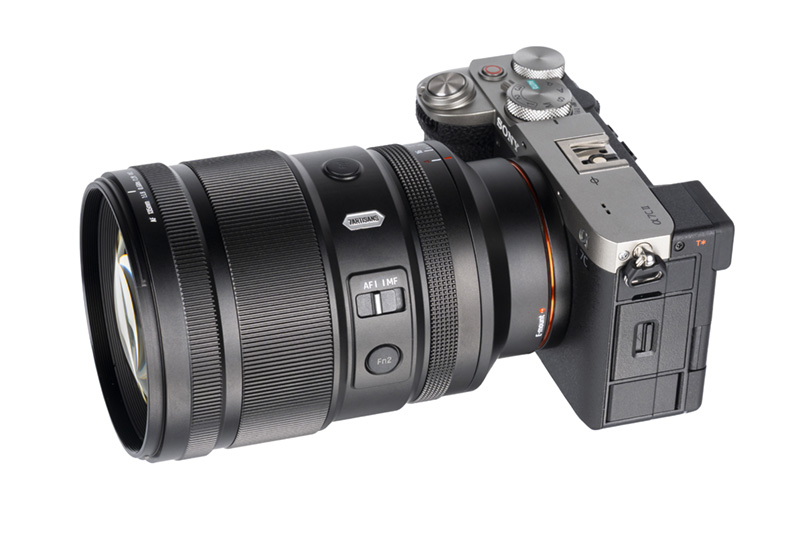
Among today’s budget portrait optics, the 7Artisans 135mm f/1.8 stands out because its performance does not feel budget at all. Built from all metal and weighing just over 1 kg, it has the heft and presence of a serious portrait tool, paired with a fast 135mm f/1.8 lens formula that has become popular for tight headshots and fashion work. At infinity, the lens delivers a very good image wide open, with an excellent center and corners that quickly catch up by f/5.6. Portrait-distance tests push even further: the center and mid-frame already outresolve a 33 MP sensor at f/1.8, and by f/4 the edges join in. That is not the behavior of a compromised entry-level product; it is the behavior of glass engineered to pull every bit of detail out of modern sensors, while still costing far less than many brand-name competitors.
The Zeiss Otus 85mm: Older Optics, Enduring Magic
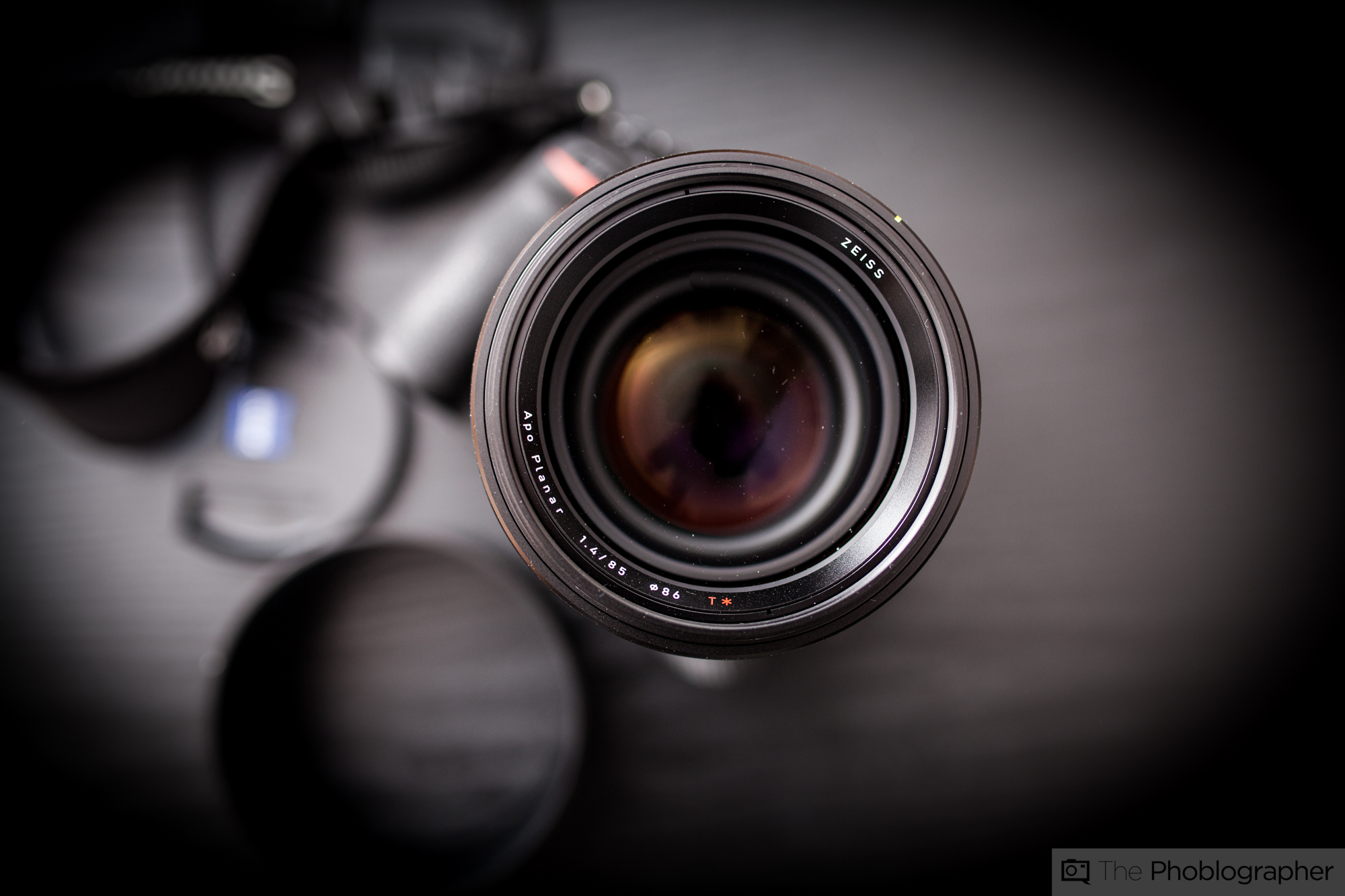
If the 7Artisans 135mm shows how far budget portrait optics have come, the original Zeiss Otus 85mm f/1.4 shows that older designs can still set the standard for character. This lens was big, heavy, and demanding, yet it left a deep impression on photographers who used it and looked back on it with fondness. One shooter describes being smitten with the output years later while consolidating an archive of more than two decades of work, still using Otus images as reference material. That kind of staying power is not about specs; it is about how a lens draws. With the original Otus 85mm, it “felt impossible to make a bad image,” while newer versions became more clinical and less soulful. In other words, an older manual-focus portrait prime can remain competitive today not by chasing sharpness charts, but by delivering colors and rendering that make strong photographs feel effortless from the moment you press the shutter.
Shared Caveats: When Precision Meets Practical Reality
None of these lenses are perfect, and that is part of the point. The 7Artisans 135mm pairs its excellent optics with quirks that remind you budget portrait optics still involve trade-offs: a light aperture ring that can be knocked out of its automatic position, a dry-feeling rotation, and audible aperture blade movement each time the setting changes. Flare resistance also remains tricky to judge, because with enough effort almost any lens can be made to look weak in backlit torture tests. On the broader industry level, many newer optics and cameras have become “blank slates,” encouraging a fix-it-in-post mentality instead of delivering images that feel complete straight out of the camera. So photographers end up working harder in editing without necessarily getting better results. The real compromise is not manual focus; it is deciding how much you want the gear to help you create strong files at capture instead of sprawling workloads later.
Why Manual Portrait Lenses Still Matter
The real story behind the 7Artisans 135mm and the Zeiss Otus 85mm is philosophical: these lenses reward a slower, more deliberate way of working. Third-party manufacturers are clearly willing to compete with legacy brands, bringing 135mm f/1.8 lens designs to market that match or even exceed more expensive rivals in many optical tests. At the same time, the enduring appeal of an older Otus 85mm reminds us that character, color, and the feeling of effortlessness matter as much as AF speed. “So ultimately, lenses became something of just a blank slate,” one reviewer notes, critiquing the assumption that everything can be fixed later. Portrait photographers who care about their subject’s presence in the frame, the quality of blur around them, and the emotional tone of color will find that manual-focus primes—whether modern budget options or classic high-end glass—still offer a direct line to the image, without relying on algorithms or heavy post-processing to finish the job.