

Snapdragon X2 Gaming: From Curiosity to Legit Contender
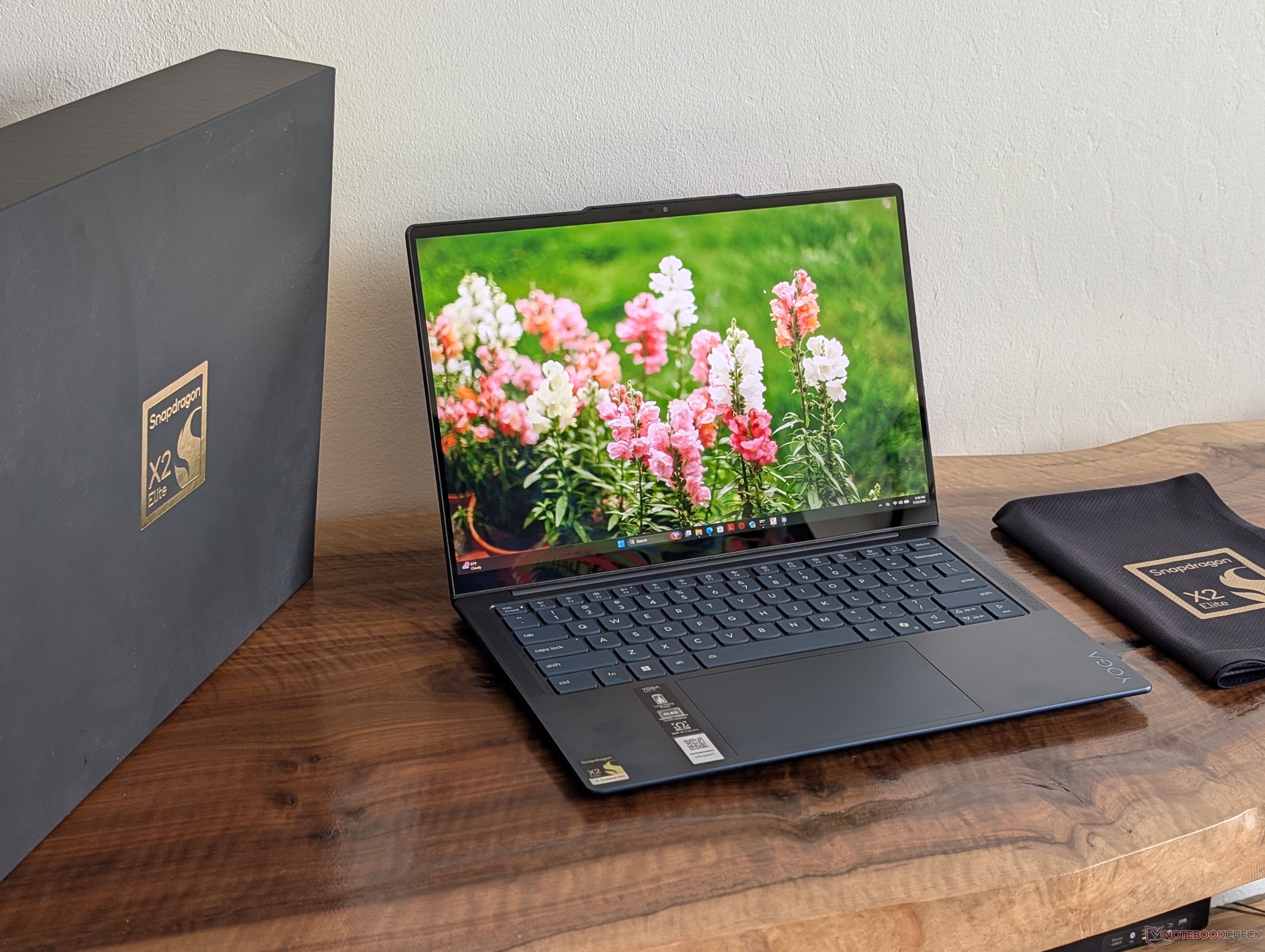
Snapdragon X2 gaming refers to running modern PC games on Windows laptops powered by Qualcomm’s Snapdragon X2 Elite and X2 Plus ARM processors, using integrated Adreno X2 graphics to deliver frame rates that now sit in the same conversation as Intel Panther Lake and AMD Ryzen AI systems for 1080p gameplay performance.
The headline is simple: ARM laptop performance in games is no longer a joke; it is competitive. In Baldur’s Gate 3 at 1080p, the Asus Zenbook A16 with a Snapdragon X2 Elite Extreme and Adreno X2-90 reaches 60 fps on the Low preset, while other X2E designs like the Lenovo Yoga Slim 7 and Asus Zenbook A14 sit around 52 and 51 fps respectively. These numbers put Snapdragon X2 gaming squarely into “playable” territory, trailing Intel’s Core Ultra X7 358H with Arc B390 iGPU at 69.4 fps but no longer by a gulf. The gap has narrowed enough that the old x86 versus ARM divide in everyday gaming is starting to blur.
Gaming Benchmark Comparison: Snapdragon vs Intel AMD in Baldur’s Gate 3
The clearest gaming benchmark comparison comes from Baldur’s Gate 3, where multiple Snapdragon X2E laptops run head-to-head with Intel’s Panther Lake iGPU and AMD’s latest integrated Radeon graphics. At 1080p Low, Intel’s MSI Prestige 16 with Core Ultra X7 and Arc B390 tops the chart at 69.4 fps, while the best Snapdragon X2 Elite Extreme configuration lands at 60 fps and other X2E machines hover around 50 fps. Meanwhile, an AMD Ryzen AI 9 HX 370 laptop with Radeon 890M serves as another x86 baseline in the same test group. In other words, Snapdragon vs Intel AMD is no longer an abstract promise; it is a measurable spread of only a few frames per second in real games. The ARM platforms lose some ground as settings climb, but they are competing, not collapsing.
One quotable takeaway from these numbers is that “the Asus Zenbook A16 with Snapdragon X2 Elite Extreme hits 60 fps in Baldur’s Gate 3 at 1080p Low, while Intel’s Panther Lake iGPU system scores 69.4 fps in the same test.” That nine-frame difference is a far cry from the massive gaps early ARM laptops suffered. There is still a performance hierarchy, but mainstream gaming on Snapdragon X2 E-class hardware is now a realistic expectation rather than a marketing slide.
ASUS TUF A14 Refresh: x86 Gaming Baseline with AAA Titles
To understand where ARM laptop performance stands, it helps to look at a credible x86 gaming baseline. The ASUS TUF A14 Refresh pairs an RTX 5060 mobile GPU with a 2160p native display and is pushed through some of the hardest games you can throw at a laptop: Crimson Desert, Cyberpunk 2077, and 007 First Light. In Crimson Desert, the system hits only 18–19 fps at the highest settings, but jumps to around 67–70 fps when DLSS Frame Generation is enabled, and can manage roughly 42 fps without ray reconstruction or frame generation. 007 First Light runs around 41 fps with ray tracing and no frame generation, and up to about 138 fps with 6x multi-frame generation enabled, albeit with minimums falling to 37 fps.
Cyberpunk 2077 remains the sanity check for any gaming laptop, and here the TUF A14 Refresh shows what a modern mid-range x86 machine can do: with ray tracing and frame generation off and textures set to high, it delivers around 62 fps on average at the panel’s native 2160p resolution. With 4x multi-frame generation and heavy ray tracing, averages rise to about 85 fps, though minimums can fall to 28 fps in particularly crowded areas. One quotable summary from the test is that “for 1080p gaming, all the games ran perfectly well on raw performance alone” on this laptop, underlining how far a typical x86 gaming notebook can stretch before relying on upscaling tricks.
What These Results Mean for Snapdragon X2 Gaming Laptops
When you read Snapdragon X2 gaming numbers alongside a mid-range x86 gaming laptop like the ASUS TUF A14 Refresh, a pattern emerges: the ARM machines are not yet matching dedicated GPUs at 2160p with ray tracing and aggressive frame generation, but they are delivering respectable 1080p experiences in real games with integrated graphics alone. Baldur’s Gate 3 hitting 50–60 fps on multiple Snapdragon X2E designs shows that ARM laptop performance has crossed the line from experimental to good enough for mainstream play. Meanwhile, x86 machines with discrete GPUs keep a clear lead at high resolutions and ultra settings, but also rely on technologies like DLSS and multi-frame generation to stay smooth in the toughest titles.
The interesting twist is not that Snapdragon vs Intel AMD is a clean win for any side, but that the fight exists at all. For years, ARM-based Windows laptops were productivity-first devices that struggled to run demanding games at acceptable frame rates. Now, we can talk about Snapdragon X2 Elite laptops trading blows with integrated x86 GPUs in real benchmark charts and discuss 50-plus fps numbers rather than excuses. That shift matters more than who wins a few frames in a single title. It signals that the next wave of thin, efficient gaming laptops may not all be built on the same old x86 foundations.