
Fitbit Air: A Health Tracker That Refuses to Be a Mini-Smartphone
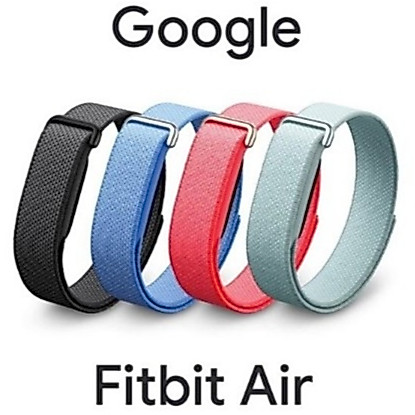
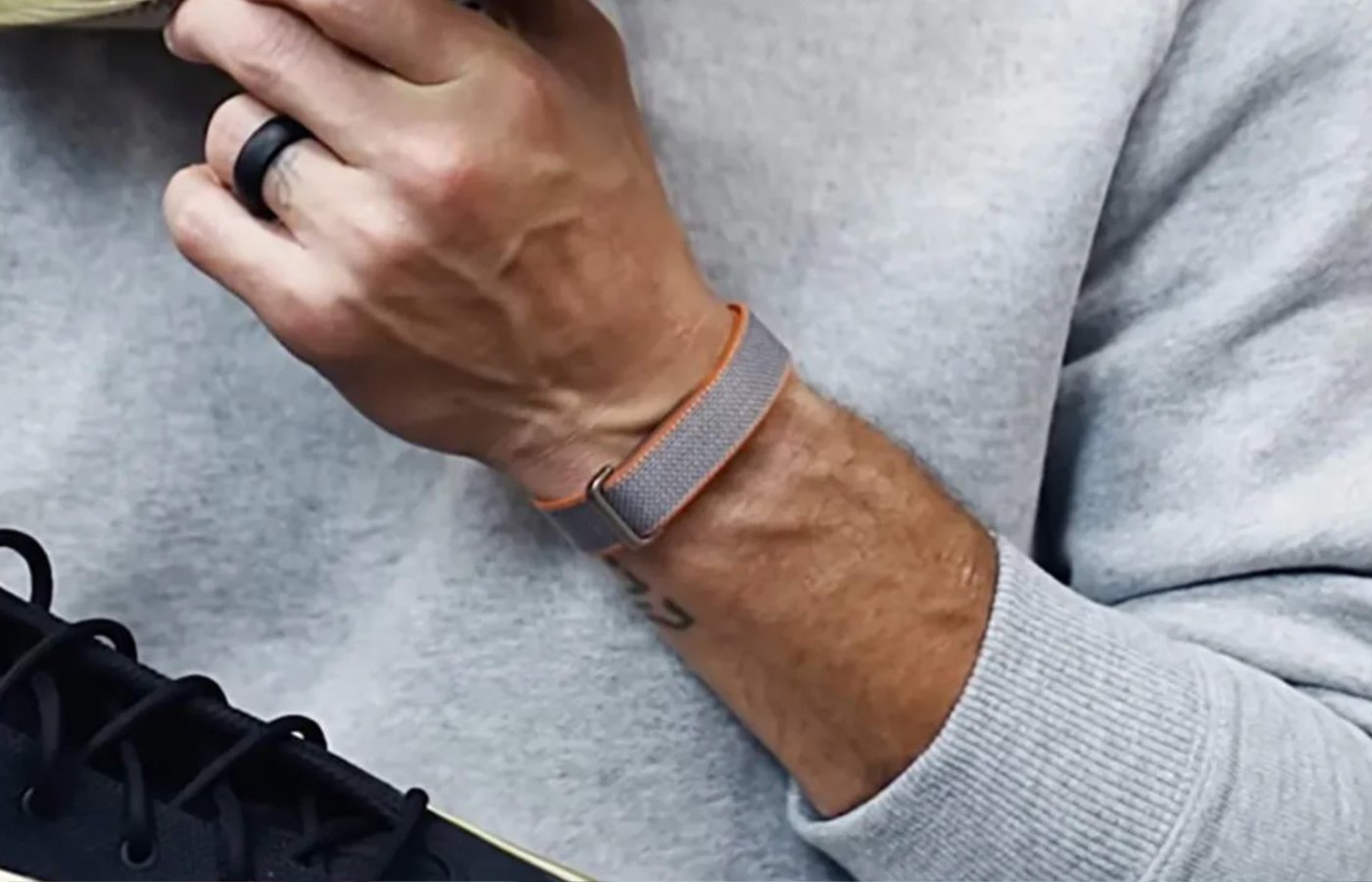
Fitbit Air is a slim, screen-free fitness band from Google that focuses on ambient, all-day health tracking instead of smartwatch-style notifications, apps, or timekeeping, reflecting a deliberate move toward distraction-free wearables designed to reduce display fatigue and make continuous monitoring feel more like a comfortable accessory than another glowing device demanding attention. Google first appeared in leaks preparing the Fitbit Air release as a band without a display, prioritizing passive tracking and AI-driven insights over constant interaction. Early images showed a thin sensor housing with fabric-based straps, underscoring the idea of a health tracking band meant to disappear on the wrist during daily life. This is not a neutral design tweak. It is a direct challenge to the prevailing assumption that more screen and more features always mean a better wearable.
A Screen-Free Gamble That Consumers Are Starting to Reward
Google’s bold move to ship a wearable that cannot even tell the time looked risky, but the early reception shows that many users are tired of wrist-worn notification centers. Google Design Director Jonah Becker says the initial market response has validated the controversial decision to ditch the screen, and that strong demand confirms the team was right to pursue a screen-free form factor. In other words, screen-free wearables are not just a niche for hardcore athletes anymore; they are starting to appeal to everyday users who want health tracking without another source of distraction. The Fitbit Air release positions the band closer to background health monitoring rivals that treat the wrist as a data sensor rather than a miniature phone. That shift matters because it signals a broader consumer backlash against notification overload and display fatigue in wearables, not just smartphones.
Designing for Ambient Health, Not Constant Engagement
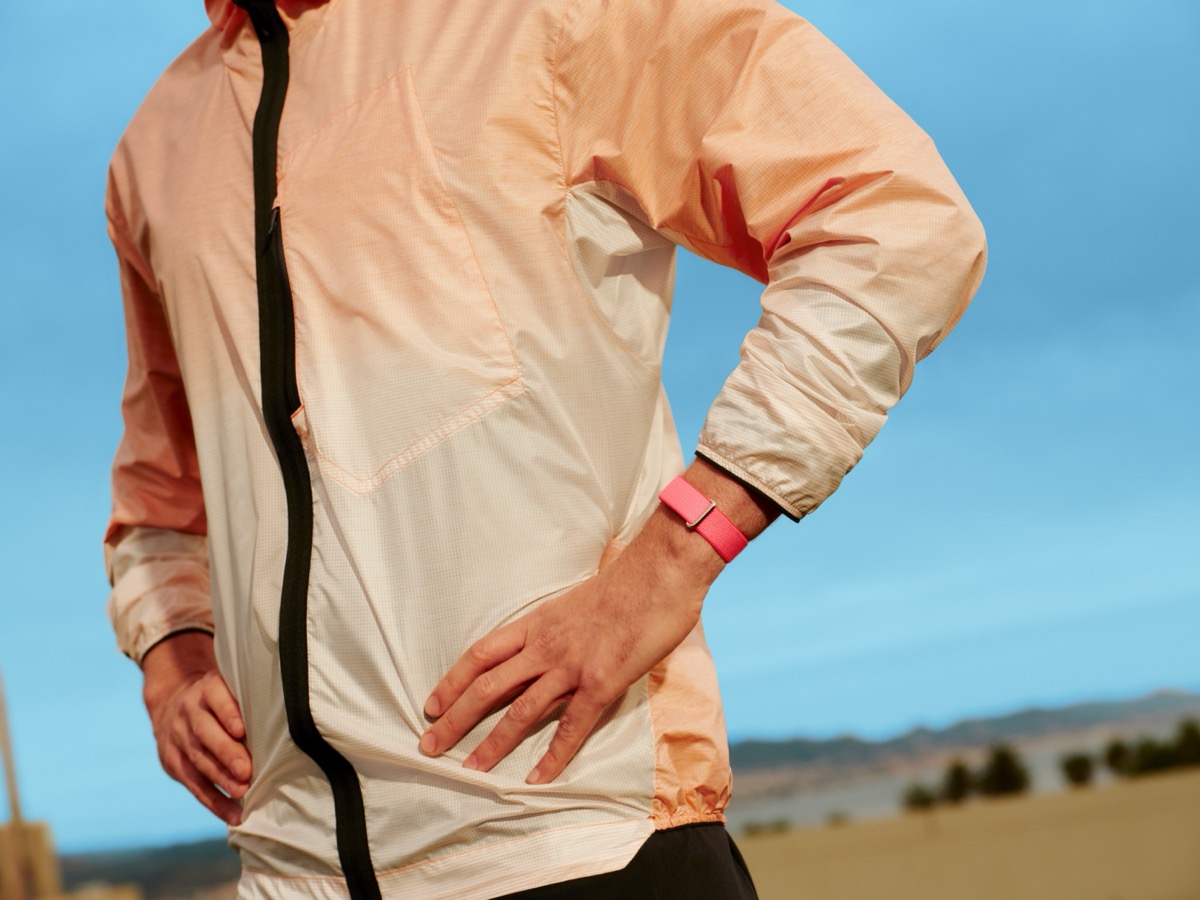
Becker describes the philosophy behind Fitbit Air as building an ambient fitness tracker that stays out of the way, inspired more by woven friendship bracelets than by traditional gadgets. This is a pointed rejection of the idea that health tracking bands must constantly demand attention. The hardware is essentially a stripped-back, screenless version of the Fitbit Inspire 3, packing an optical heart rate monitor, skin temperature sensors, and a 3-axis accelerometer into a 5.2-gram puck that can be worn continuously without distraction. By removing the power-hungry AMOLED display, Google stretched battery life to seven days and kept the entry price under one hundred dollars, turning the band into an always-on sensor instead of an entertainment device. Instead of real-time stats on your wrist, Fitbit Air offloads data to the redesigned Google Health app, syncing biometrics quietly in the background while users go through their day.
From Fitbit to Google Health: A Strategic Pivot in Wearables
The Fitbit Air release is also the clearest signal yet that Google is reshaping its wearable strategy around health, not watch-style features. Reports show the long-standing Fitbit Premium subscription being retired in favor of a new Google Health brand, folding Fitbit’s most valuable data capabilities into Google’s main ecosystem instead of keeping them separate. The digital assistant being tested alongside the hardware is set to launch as Google Health Coach, with the band acting as a passive data collector feeding AI-driven insights. Google even bundles three free months of Google Health Premium with the device, opening up a Gemini-powered personal health coach. Taken together, this is not just a new band; it is a rebrand and a bet that health tracking bands can stand on their own without mimicking smartwatches. If the early success holds, other makers of screen-free wearables will likely follow, treating attention as a scarce resource rather than something to exploit.
The Future of Health Tracking Bands Is Quieter by Design
Fitbit Air proves that many users no longer want a tiny smartphone on their wrist; they want a quiet health companion. Leaks originally suggested a roughly USD 99 (approx. ₱5,600) price, and the band later hit shelves for CAD $129.99, making it a comparatively affordable entry into screen-free wearables. Google deliberately sacrificed onboard GPS to keep the tracker slim, cut production costs, and protect battery life, showing that restraint can be a feature, not a flaw. The deeper story is about attention: as more devices compete for screen time, the most valuable wearables may be those that give that time back. By treating the wrist as a sensor rather than a canvas, Fitbit Air signals a future in which the best health tracking bands are designed to disappear—until the moment you decide to look at your data.