
AMD FSR 8x Multi-Frame: What the Leak Actually Shows
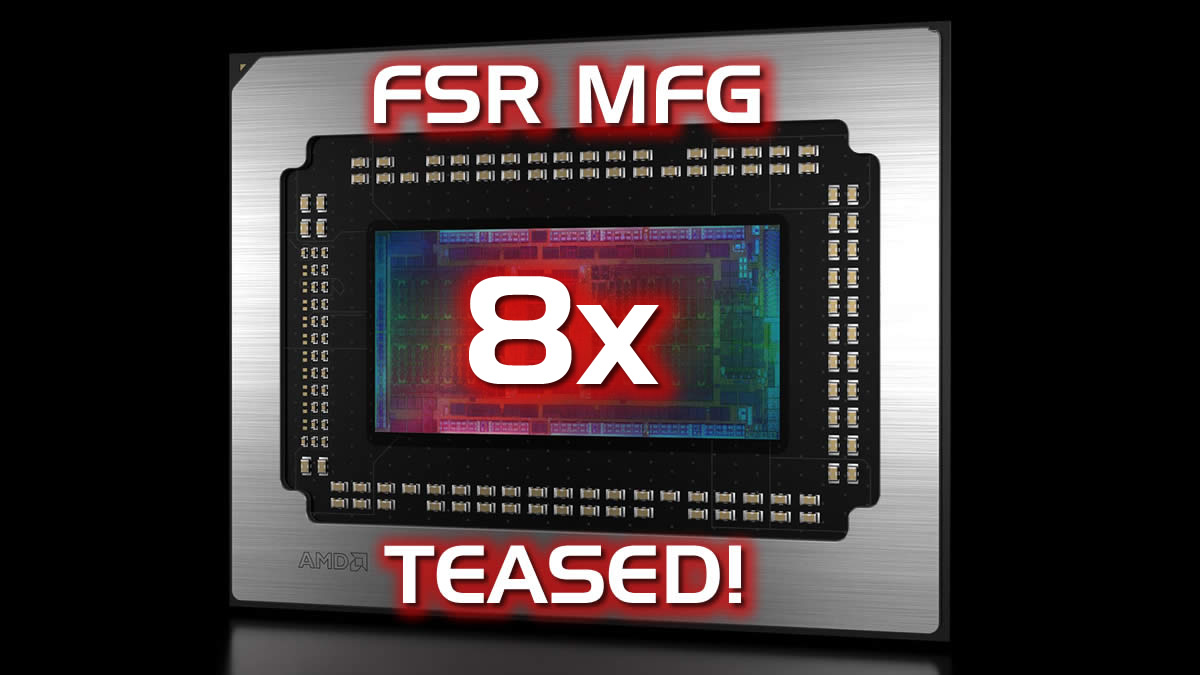
AMD FSR 8x multi-frame refers to an experimental extension of AMD’s FidelityFX Super Resolution framework that appears to allow frame generation ratios of up to eight times the base rendered frame rate, theoretically multiplying a game’s output frames far beyond what the GPU natively renders while relying on AI-style temporal reconstruction and prediction techniques to maintain visual coherence and responsiveness across rapidly generated frames.
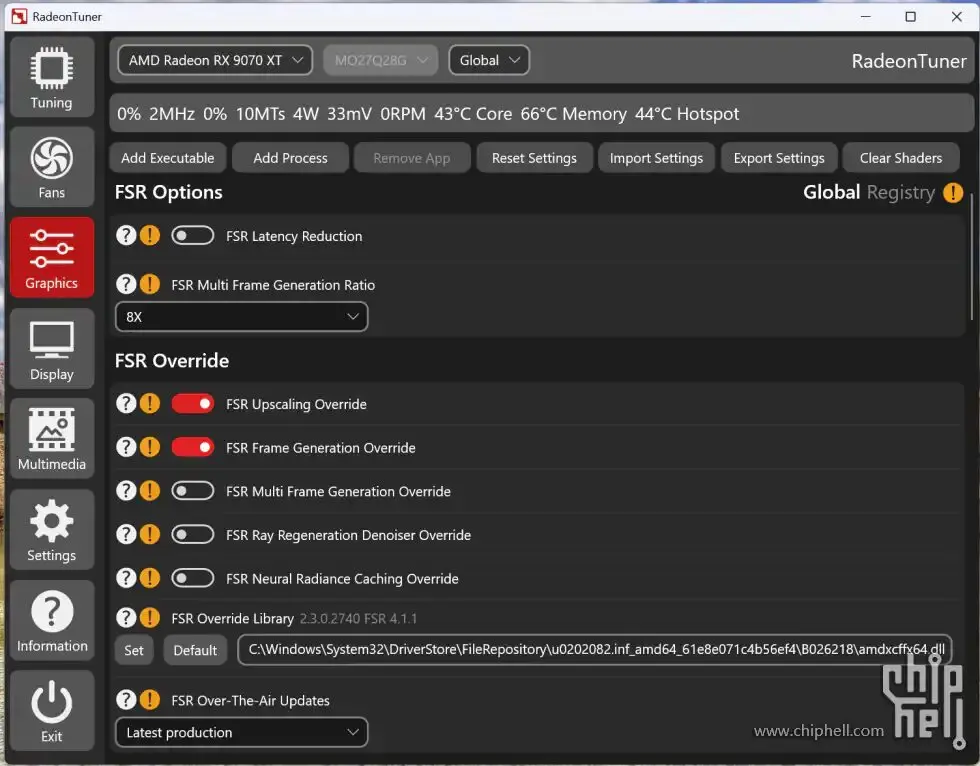
The latest Adrenalin 26.6.2 graphics driver contains hidden FSR options exposed by the RadeonTuner utility, including a "FSR Multi-Frame Generation Ratio" slider that runs from 1x to 8x. These AMD driver updates do not enable the feature yet, but their presence is the clearest signal so far that AMD is building a new generation of frame generation technology on top of its existing FSR stack. According to the discovery, the options are currently non-functional and likely depend on internal FSR DLLs or newer software components that have not been released. Even so, the intent is loud: AMD wants a seat at the high-end frame generation table.
From SDK Hints to 8x Ratios: Why This Is Happening Now
This leak did not appear out of nowhere; it is the latest step in a clear technical campaign. AMD has been laying the groundwork for expanded FSR Redstone features for some time, first by quietly adding preliminary Multi-Frame Generation support into the ADLX FidelityFX SDK in April, hinting that future Radeon GPUs would allow users to pick different frame generation ratios for a balance of image quality and speed. The current driver findings build directly on that direction. Running Adrenalin 26.6.2 with the FSR 4.1.1 Override Library (v2.3.0.2740) on a Radeon RX 9070 XT revealed the hidden menu, plus overrides for Ray Regeneration Denoiser and Neural Radiance Caching.
In parallel, the upcoming Xbox platform codenamed Project Helix has been confirmed to feature FSR Diamond, described as an AI-powered rendering suite with machine learning upscaling, ray regeneration, and Multi Frame Generation. The overlap in terminology is striking. Even if AMD has not directly tied these PC driver options to that console-oriented branding, it is hard not to see a unified roadmap: one FSR ecosystem, multiple devices, and a common set of AI graphics tools anchored by multi-frame generation.
Why 8x Frame Generation Is a Big Deal for Performance Scaling
The raw numbers behind AMD FSR 8x multi-frame are aggressive. The experimental ratios suggest that, in theory, a base frame rate of 60 FPS could be boosted to as high as 480 FPS, around twice what rival frame generation technology currently targets on RTX 50-series hardware. In other words, AMD is not aiming to copy the competition’s ceiling; it is sketching out a higher one. Another way to put it: "In theory, 8x frame generation could multiply a native 60 FPS workload into an output approaching 480 FPS, assuming the technology performs as intended."
Of course, theoretical GPU performance scaling is the easy part. The hard problems are latency, artifacting, and temporal instability. Current FSR override features already bring ML-powered frame generation to supported RDNA 4 GPUs, upgrading compatible games to FSR 4.1 upscaling and frame generation. Extending that pipeline to 8x frames would magnify every weakness as much as every strength. If AMD can keep input feel and image stability under control at such extreme ratios, it will not just match existing solutions; it could redefine what “high FPS” even means on consumer hardware.
How Experimental Driver Settings Signal AMD’s Next Move
The most revealing part of this story is not that the settings exist, but where they live: deep inside current AMD driver updates, visible only through a third-party tool that surfaces hidden options. That design screams internal testing. RadeonTuner’s developer clarified that AMD sometimes adds upcoming setting names months before functionality arrives, and that the Multi Frame Generation ratios up to 8x are placeholders for testing that may not match the final shipping setup. AMD itself has not promised an 8x mode and the entries are fully non-functional, requiring unreleased FSR components.
Yet placeholder or not, this is how large platforms prepare major graphics features: stub out the API, wire up the controls, then iterate internally until the underlying algorithms are ready. The combination of Multi Frame Generation, Ray Regeneration, and Neural Radiance Caching in the same hidden cluster says a lot about AMD’s ambitions. The company is not toying with a single toggle; it is assembling a full AI-accelerated rendering stack that can stand beside anyone’s.
Opinion: A Serious Bid to Challenge Frame Generation Leaders
AMD’s experimental 8x Multi-Frame Generation settings look like more than marketing bluster; they read as a direct challenge to the current leaders in frame generation technology. When hidden driver hooks already reference ratios that could, on paper, deliver up to 480 FPS from a 60 FPS base workload, roughly twice today’s competing targets, AMD is signaling that it wants to contest not just image quality but sheer scaling headroom.
Skepticism is still healthy: these options are placeholders, and there is no confirmation that an 8x mode will ever ship. But buried driver flags, an SDK with early Multi-Frame Generation support, current RDNA 4 ML-based frame gen, and a console-bound FSR Diamond suite all point in the same direction. If AMD turns those hints into a stable, high-ratio implementation, it will stop playing catch-up and start forcing rivals to respond on its terms. Until then, 8x MFG is less a feature and more a promise—but it is a bold one.