
Lumix L10 vs X100VI: two philosophies in one premium compact camera comparison
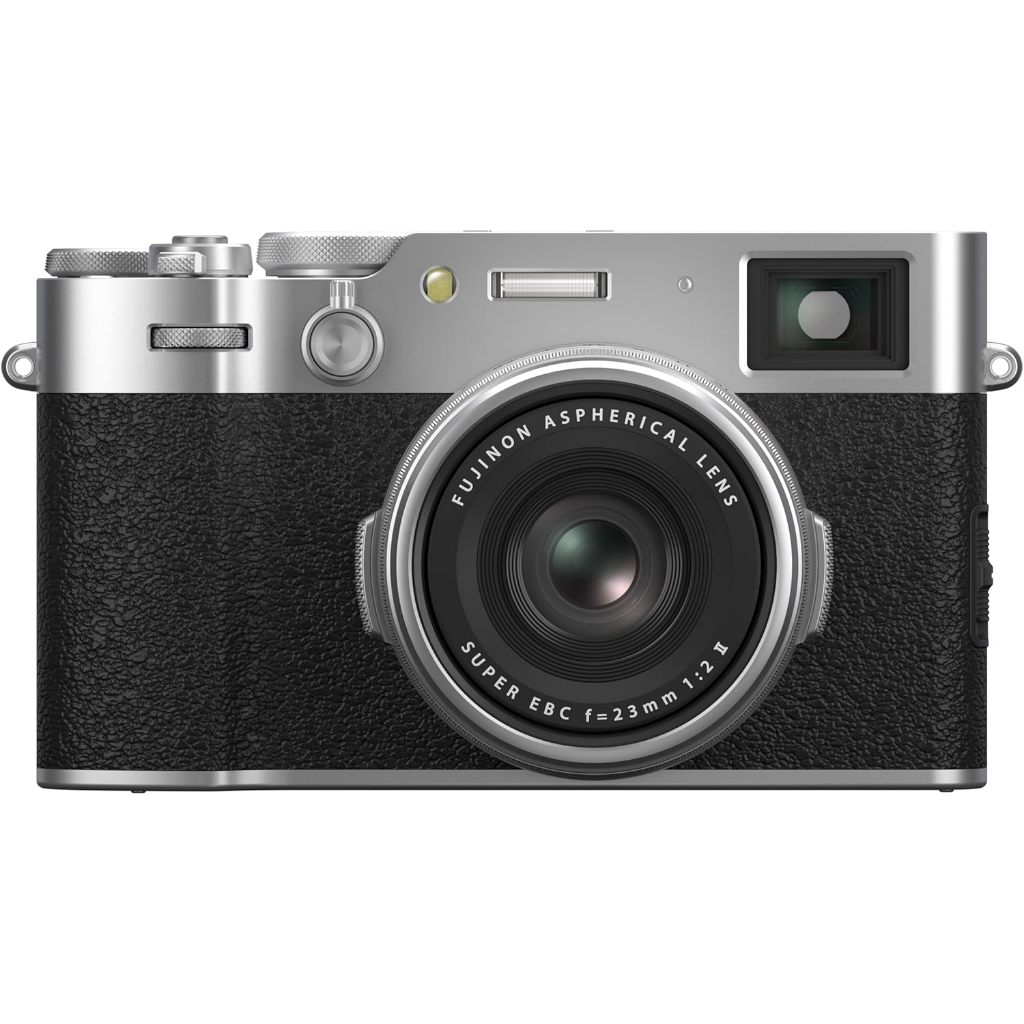
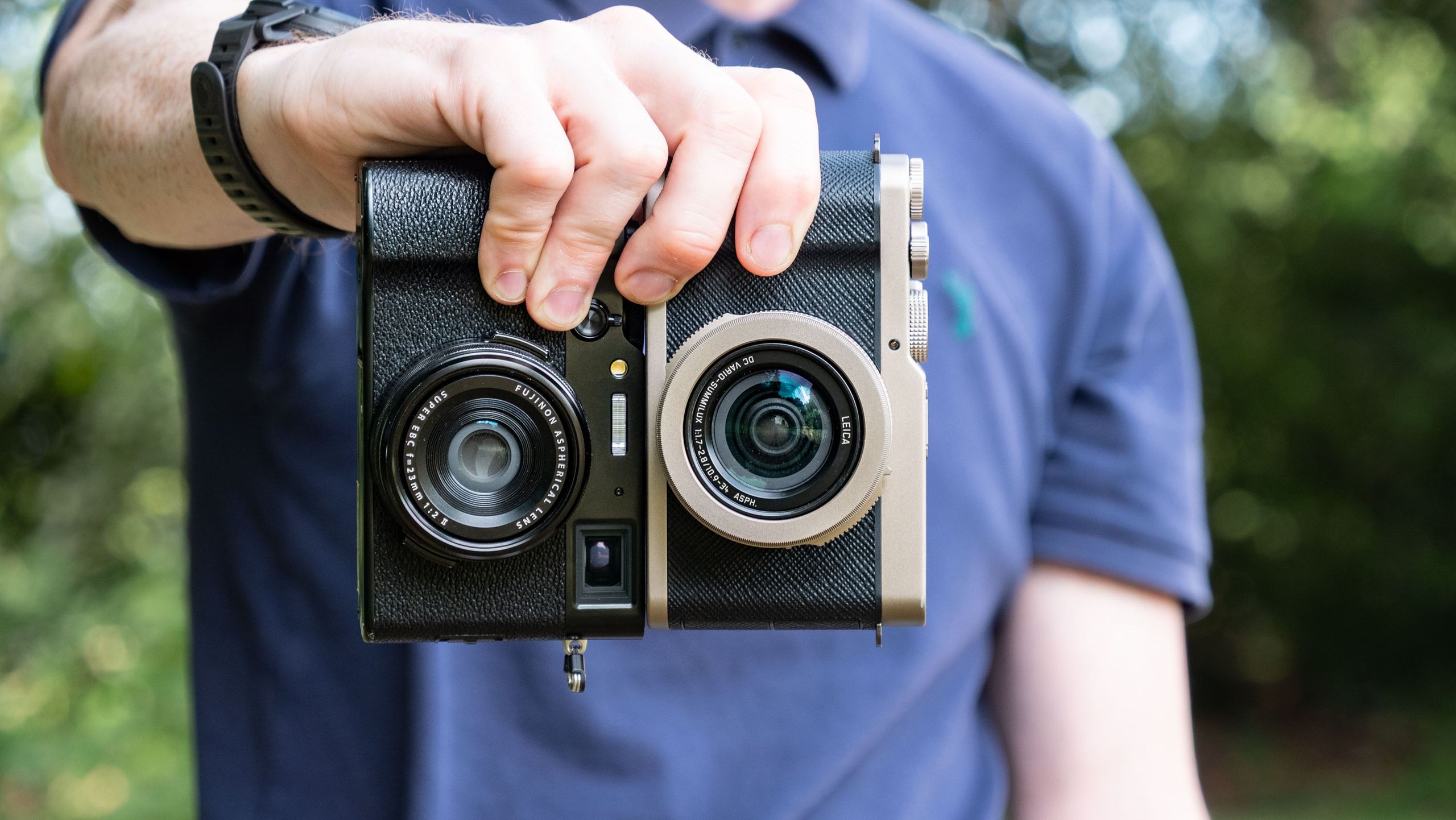
The Lumix L10 vs X100VI compact camera showdown compares two premium compact cameras that share retro design and high-end features yet embody very different philosophies, forcing buyers to choose between maximum versatility and a more fixed, emotional, prime-lens shooting experience.
Across a direct 10-hour field test, these cameras were used side by side while travelling, commuting, and exploring, taking the same photos in landscapes, street scenes, and portraits to expose real differences in autofocus, image quality, and usability. On paper, the Lumix L10 is the practical workhorse: a 20MP Micro Four Thirds sensor paired with a 24‑75mm f/1.7‑2.8 zoom gives flexible framing and good light‑gathering ability. The Fujifilm X100VI fights back with a 40MP APS‑C sensor and a fixed 35mm f/2 lens, along with in-body image stabilization and a more advanced hybrid viewfinder. The bottom line: your head is likely to favor the Lumix L10’s versatility, while your heart may be drawn toward the X100VI’s character and simplicity.
| Spec | Lumix L10 | Fujifilm X100VI |
|---|---|---|
| Sensor type / size | 20MP Micro Four Thirds sensor | 40MP APS-C sensor |
| Lens | 24–75mm f/1.7–2.8 zoom (3.1x optical) | Fixed 35mm f/2 prime |
| Resolution | 20MP stills | 40MP stills (twice the L10) |
| Stabilization | No stated in-body stabilization | In-body image stabilization |
| Autofocus / speed | Snappier autofocus, superior burst speeds | AF good but not as reliable as L10 in some scenarios |
| Lens behavior | Versatile zoom, more prone to flare | Prime lens, less susceptible to lens flare |
| Battery / usability | Superior battery life, vari-angle screen, strong video features | Quicker start-up, fancier hybrid viewfinder, next-level retro aesthetics |
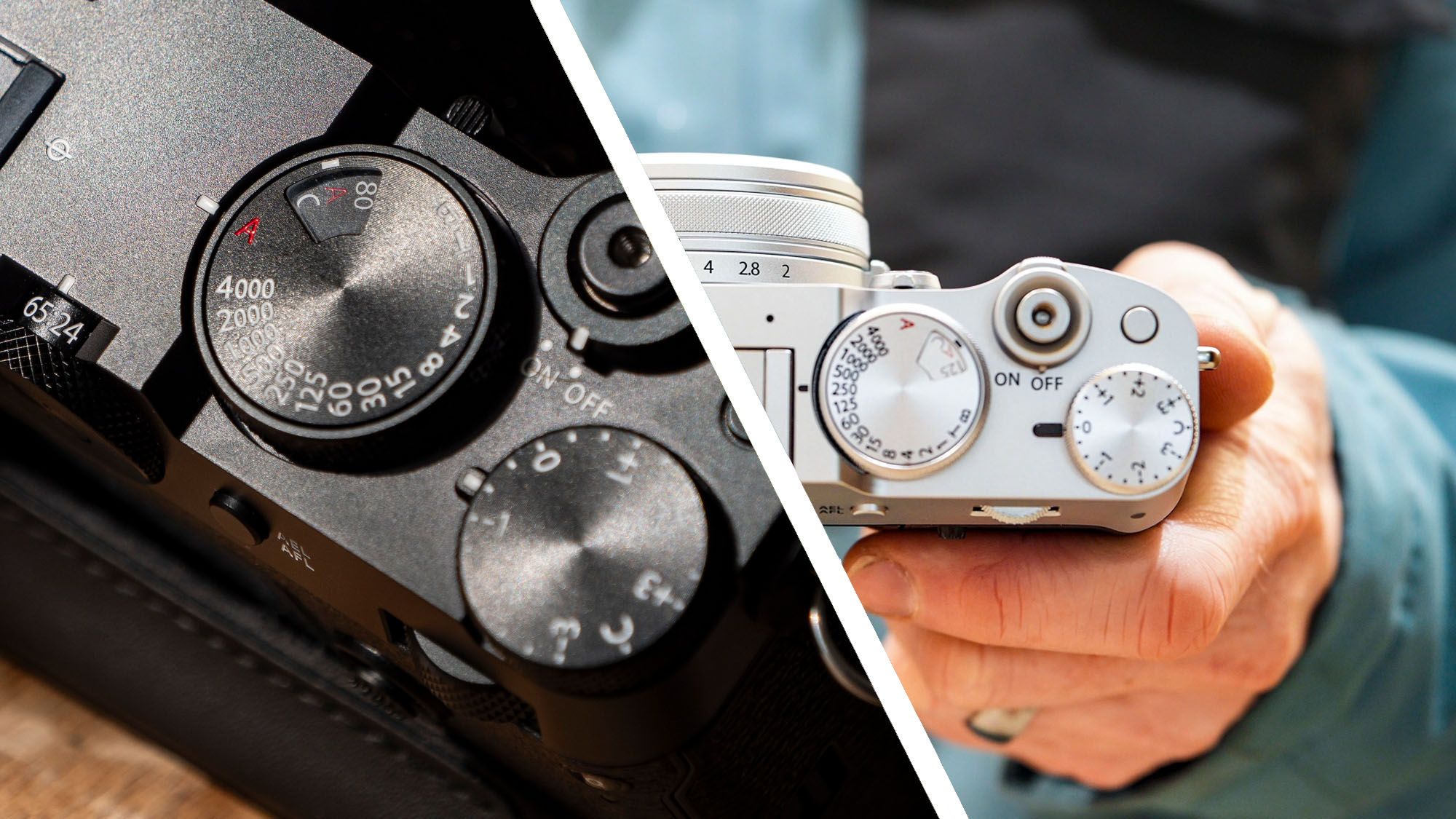
Image quality vs autofocus: where each camera pulls ahead
If your priority is razor‑sharp, reliably focused images in varied conditions, the Lumix L10 autofocus is the safer bet. Its AF is described as “overall more reliable,” which means you are more likely to get a sharp frame first time, depending on scenario and settings. Combined with superior burst shooting speeds, it suits action, candid street shooting, and unpredictable subjects. Add in its video edge and you get a compact that behaves like a shrunken system camera.
However, X100VI image quality is where the Fujifilm pulls away. Matching focal lengths around 35mm, its APS‑C sensor and 35mm f/2 lens give more pleasing depth‑of‑field control for street portraits, with images that were described as “easier on the eye.” The 40MP resolution offers greater detail and cropping flexibility, and the lens is less prone to flare. One quotable takeaway from the testing is: “I also liked having 40MP to play with and the greater level of detail in the pictures.” The trade‑off is that its autofocus is not as dependable as the L10’s and the lack of zoom can limit some situations.
Field results: landscapes, street, and portraits in a compact camera showdown
Out in real-world use, the Lumix L10 and Fujifilm X100VI deliver distinct shooting experiences that align with their design philosophies. With the L10, the 24‑75mm f/1.7‑2.8 zoom helps you adapt instantly: wider views for travel and landscapes, tighter framing for detail and environmental portraits, all without moving your feet. Its vari‑angle screen and stronger video performance also make it a better companion for vlogging, low‑angle compositions, or hybrid stills/video creators.
The X100VI pushes you towards a slower, more deliberate style. The fixed 35mm field of view is a classic choice for street and everyday life, and during side‑by‑side testing, portraits taken at this focal length had a more attractive separation between subject and background thanks to that larger APS‑C sensor and bright f/2 aperture. In-body stabilization, quicker start-up, and a more advanced viewfinder enhance the shooting experience, while its next‑level retro aesthetics encourage you to keep it with you. According to one experienced tester, these factors made the X100VI “more enjoyable” to use overall in the 10‑hour comparison.
Head vs heart: long-term ownership and which camera to pick
When you zoom out from specs and sample shots, this premium compact camera comparison becomes a question of personality and long-term fit. On objective grounds, the Lumix L10 is labeled “overall a more versatile camera,” thanks to its 3.1x zoom, superior battery life, snappier autofocus, stronger bursts, Real Time LUTs profiles that can even outdo Fujifilm’s film simulations, and better video performance. For many photographers, especially those who value flexibility and reliability, this is the camera their head will pick for daily use and travel.
Yet creative tools are seldom chosen on logic alone. In the direct 10‑hour comparison, the tester concluded: “My head says Panasonic Lumix L10, my heart says Fujifilm X100VI.” The X100VI’s blend of 40MP detail, pleasing rendering, in-body stabilization, faster start-up, premium viewfinder, and iconic retro styling led to a belief that it would bring more joy in regular use, even though it is less practical overall. Both models justify their premium status and, as the reviewer puts it, “you’ll be happy with either model,” but for different reasons.
Buy if / Skip if
- Buy the Lumix L10 if you want a single compact camera that can handle travel, portraits, and casual action thanks to its 24–75mm zoom, snappier autofocus, and stronger burst performance.
- Skip the Lumix L10 if you prioritize ultimate image quality at a fixed focal length and do not need a zoom or its video advantages.
- Buy the Fujifilm X100VI if you value 40MP resolution, more attractive depth of field for street portraits, in-body stabilization, and a hybrid viewfinder wrapped in standout retro design.
- Skip the Fujifilm X100VI if you often need telephoto reach or flexible framing and would be frustrated by a fixed 35mm f/2 lens.
- Buy the Lumix L10 if your decision is driven mainly by practicality, battery life, and the confidence that your autofocus will lock on reliably in a wide range of situations.
- Skip the Lumix L10 if emotional connection and design appeal matter more to you than zoom range and technical versatility.
- Buy the Fujifilm X100VI if you are likely to shoot daily and want a camera whose handling, start-up speed, and aesthetics make you excited to carry and use it.
- Skip the Fujifilm X100VI if you expect one compact to double as your main video camera, where the Lumix L10 has the edge.