
Start Here: The One Accessory Everyone Should Buy First
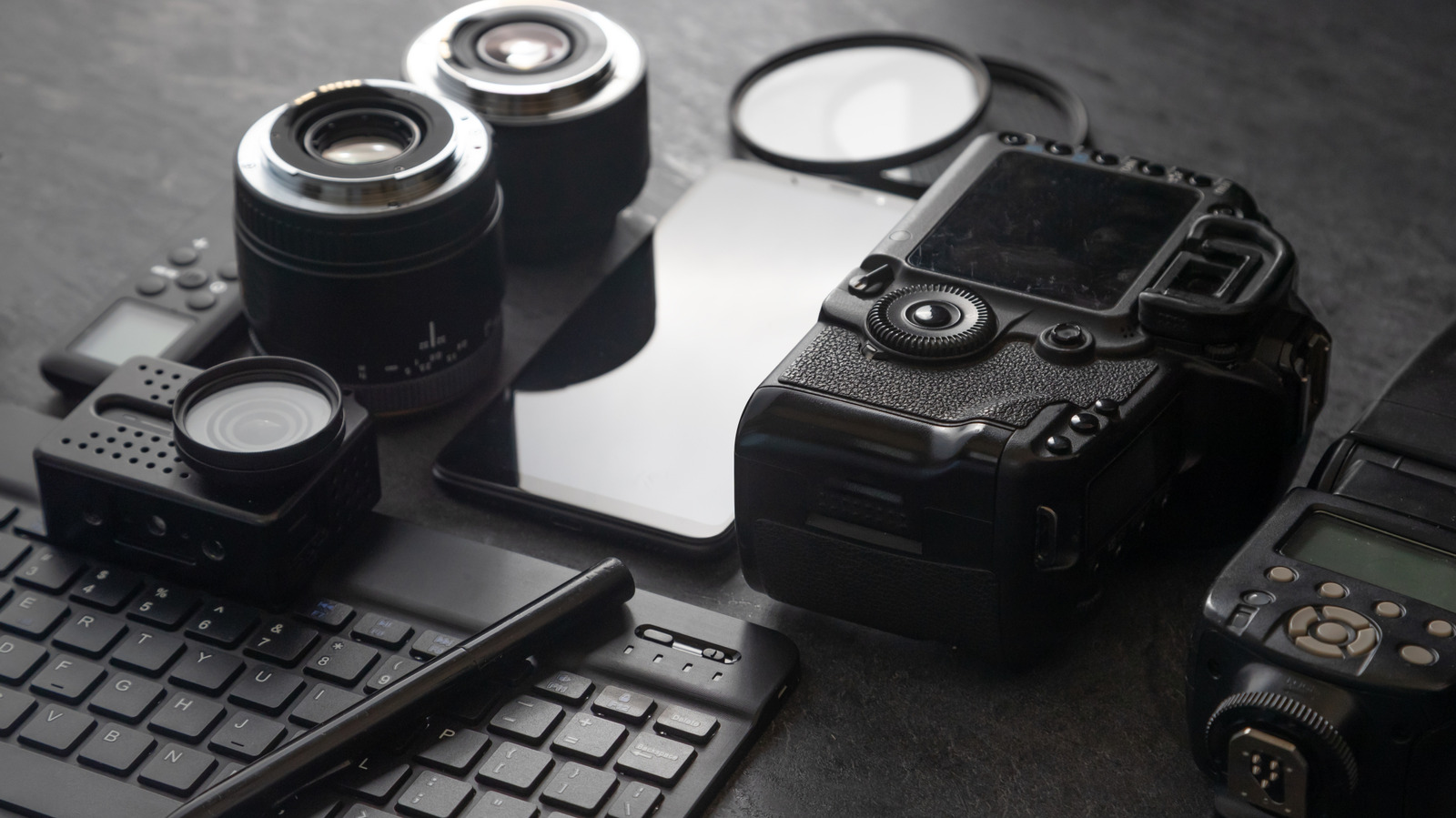
Essential camera accessories for photographers are the small, targeted add‑ons—like a solid tripod, practical filters, and reliable power and protection tools—that remove common shooting limits, make your images sharper and more consistent, and allow you to work confidently in more locations and lighting conditions without loading your bag with unused gear.
Your first and most important upgrade should be a serious camera tripod. There is nothing more fundamental to a photographer's kit than a good tripod. In-body and in-lens stabilization help, but they do not replace a stable platform when you care about precision. A tripod locks your framing, lets you slow your shutter for long exposures, and keeps your composition consistent across a sequence. According to one long-time photography editor, “Having a good tripod opens up a huge number of possibilities,” from photographing yourself to waiting patiently for the peak moment in nature or sports work. For most people, a mid‑sized, full‑height tripod with a quick‑release head is the best balance of stability and portability, and it is the anchor for all the accessories that follow.
Power, Glass, and Stability: The Core of Essential Photography Gear
Build around three pillars: power, optics, and stability. A spare battery pack belongs in every bag so you can keep shooting through events, travel days, or cold weather sessions without anxiety. It turns your camera from a fragile, time‑limited device into something you can rely on when the light is perfect or a client needs you to keep going. Next, add lens filters. A clear or UV filter gives you a sacrificial front element, protecting expensive optics from dust, salt spray, and scratches. Polarizing filters cut reflections and deepen skies; neutral density (ND) filters let you drag the shutter in bright conditions for silky water or motion blur. Together with your camera tripod and filters, you gain sharper images, more creative exposure options, and better control in harsh light—this is the heart of essential photography gear for most enthusiasts and working shooters.
Not all tripods are the same. To the untrained eye, all tripods might seem like much the same thing, but there are important differences and purposes between the types and tiers of tripods. Some heads are tuned for smooth video moves, others for quick stills composition; weight ratings vary, and added features like built‑in leveling and fast quick‑release plates make day‑to‑day use faster and safer. Match your tripod to your heaviest lens, and treat it as a long‑term tool rather than a disposable accessory—you will feel the difference every time you press the shutter on a locked‑down camera.
Control the Light: Tripods and a Simple Photography Lighting Kit
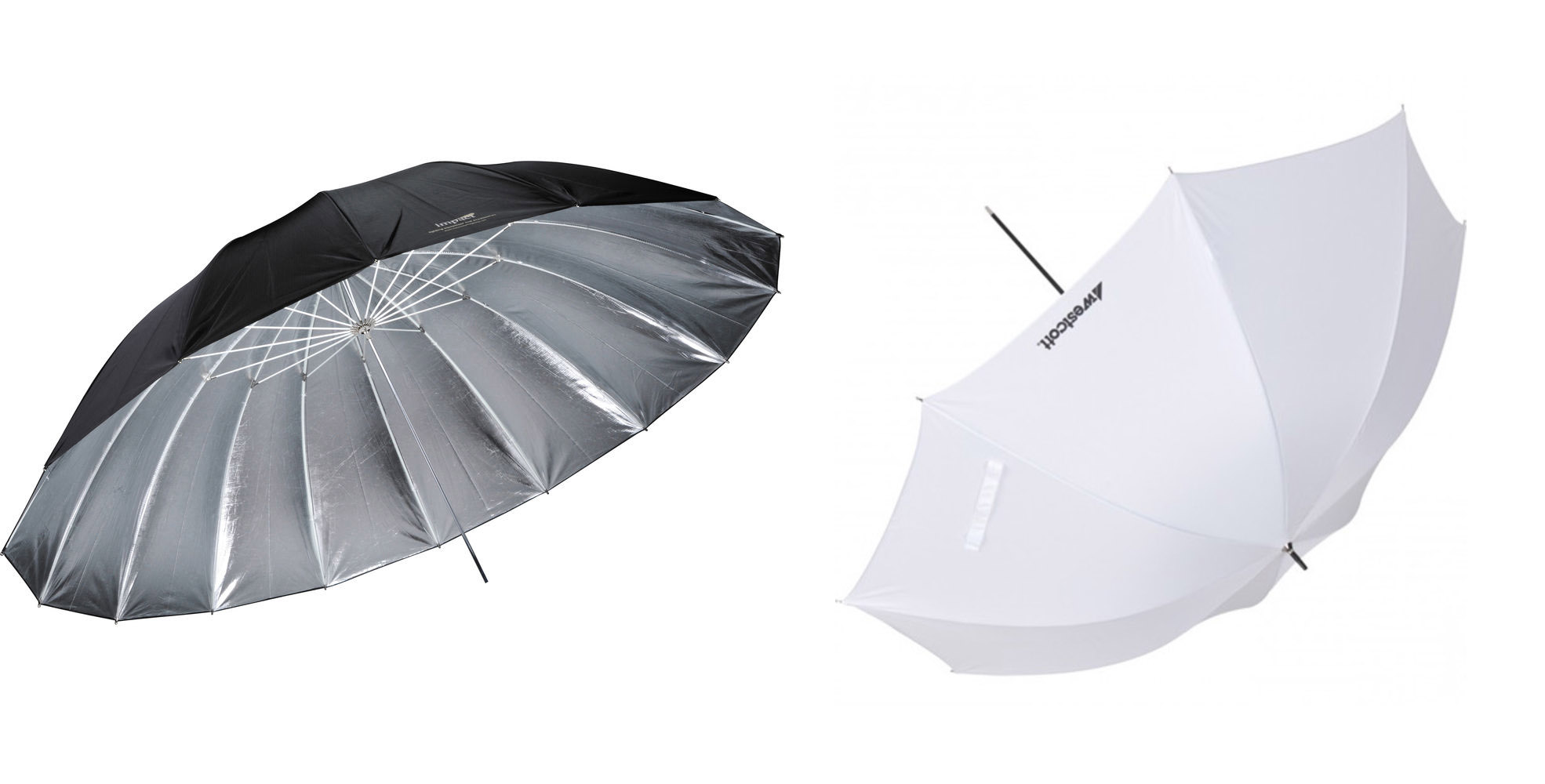
Once your camera is stable and protected, start controlling light instead of fighting it. Your tripod is already a lighting accessory: it lets you keep ISO low and shutter speeds long for clean, noise‑free files in low light. That stability matters for long indoor exposures, blue‑hour cityscapes, and any scene where you need to wait for the right expression or gesture. On top of that, a small photography lighting kit—whether a compact continuous light or a portable flash with modifiers—moves you beyond grainy available light. With one controllable light, a stand, and a diffuser, you can shape portraits, add depth to product shots, or rescue poorly lit interiors. Instead of pushing your camera to its limits, you give your sensor better light to work with, and your tripod ensures each frame is sharp and repeatable.
As your lighting grows, your tripod’s features become even more useful. A stable platform lets you sync ambient light with artificial sources from frame to frame, test different lighting ratios, and create composites or time‑lapses with identical framing. Some tripods offer reversible or horizontal center columns for overhead food or flat‑lay photography, and strong leg locks prevent creeping during long sessions. When you think of camera accessories for photographers that raise image quality overnight, a reliable tripod plus a simple lighting kit should be near the top of the list.
Protect Your Investment: Weather, Dust, and Insurance
To shoot more often and in harsher conditions, you must protect your gear. Even if your camera or lenses have some sealing, brands differ in how far that protection goes; some systems tend to be better than others about weather resistance. If your lenses are not fully sealed, rain covers, sealed filter systems, and snug camera bags add a vital extra layer when you work in rain, snow, or blowing sand. Weather sealing accessories protect your gear investment during outdoor shoots by keeping moisture and grit away from delicate mechanics and electronics. Dust affects your camera and lens performance more than you think, and unless you’re constantly cleaning the lens contacts, your autofocus performance could end up pretty wonky, so include a blower, brush, and contact‑safe cloths in your kit.
Physical protection is only half the story. Accidents, theft, and on‑set mishaps can still ruin a job or wipe out your kit in a moment. That is where dedicated photography insurance comes in. One example is a Photography Care Program created in collaboration with a specialist insurer, designed to protect photographers’ equipment against damage and theft and to provide liability coverage for on‑set accidents. Versatile coverage and quick enrollment mean you can focus on shooting instead of worrying about every bump or trip hazard. Combine insurance with weather covers, padded bags, and careful cleaning, and your essential photography gear will survive the rough conditions you bought it for.
The Minimalist 10‑Piece Kit and How to Decide
If you like clear checklists, here is the lean kit that serves most people: (1) a solid full‑height tripod, (2) a spare battery pack, (3) clear or UV protective filter for each main lens, (4) a circular polarizing filter, (5) a mid‑strength neutral density filter, (6) a compact photography lighting kit with stand and diffuser, (7) a comfortable, secure strap or harness, (8) weather protection like a rain cover and sealing tape for vulnerable joints, (9) a cleaning kit focused on dust and contact care, and (10) dedicated photography insurance. Together, these camera accessories for photographers extend shooting time, open creative options with camera tripod and filters, improve image quality, and protect your gear and business. You will use every piece regularly, and you can add specialty items—like remote triggers or advanced modifiers—only when your work clearly demands them.
- Buy the tripod if you shoot landscapes, long exposures, time‑lapses, or want consistent framing and sharper images from your existing lenses.
- Skip the tripod if you only make casual snapshots in bright daylight and never plan to shoot video, low light, or yourself in the frame.
- Buy the lighting kit if you often work indoors, photograph people or products, or dislike relying on high ISO and mixed room lighting.
- Skip the lighting kit if you shoot mainly daylight street or travel work and prefer a small, ultra‑light setup over controlled light.
- Buy the weather protection and insurance if you shoot outdoors often, travel with multiple bodies and lenses, or rely on your gear for paid work.
- Skip the weather protection and insurance if you only use a single inexpensive camera in safe, controlled environments and can afford to replace it outright.
- Buy the filters and extra battery pack if you want more control over reflections, motion, and exposure while staying ready for long, unpredictable sessions.
- Skip the filters and extra battery pack if you rarely change settings from auto, never shoot in bright mid‑day sun, and your sessions are always short.