
Forget Full Frame: Image Quality Starts With You, Not Your Sensor
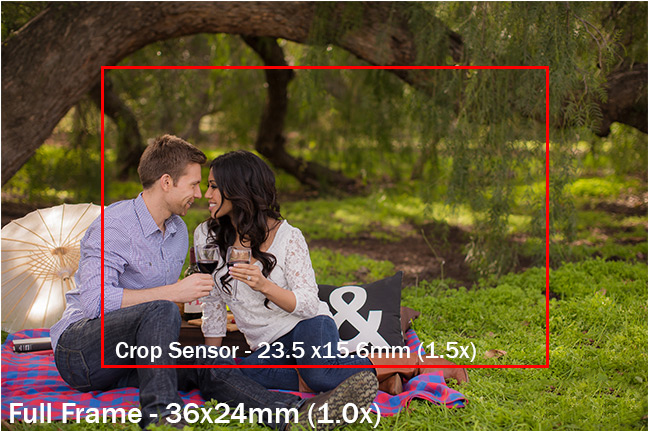
Sensor size image quality refers to the way the physical dimensions of a camera sensor influence noise, dynamic range, field of view, and depth of field, yet in practical photography these technical differences matter far less than composition, lighting, lens choice, and exposure technique when it comes to the final image a viewer will judge as “good” or “bad.” The full frame vs crop sensor debate is loud because marketing loves simple hierarchies, but the reality is messier: bigger is not automatically better, and “beginner” cameras are capable of professional results. Full frame refers to a sensor with the same dimensions as a 35mm film frame: 36x24mm. A crop sensor is any sensor smaller than that, including APS‑C and Micro Four Thirds. The key takeaway: sensor size affects the way you work, but it does not decide whether your images are worth printing or sharing.
What Sensor Size Really Changes (And What It Doesn’t)
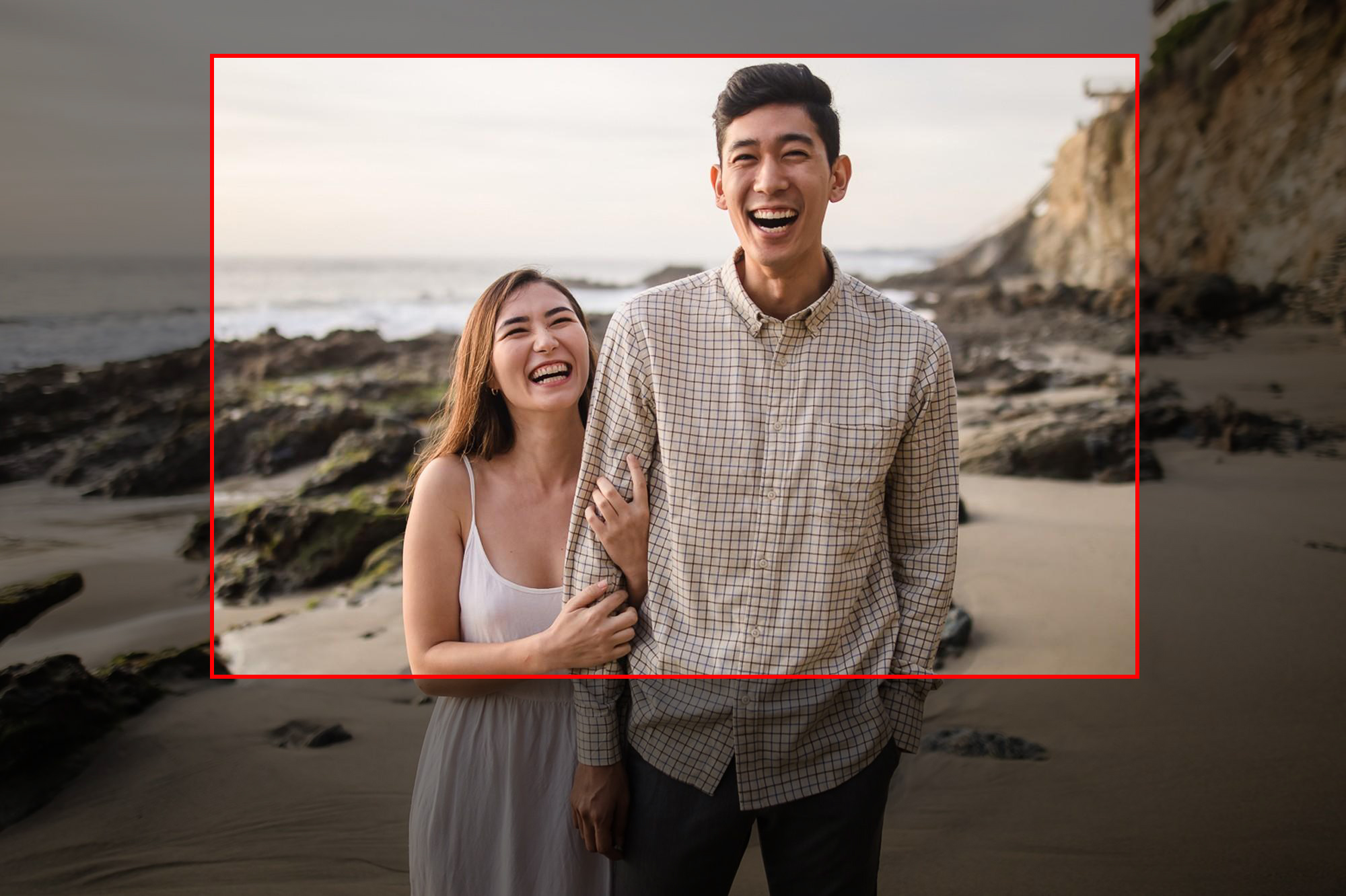
Here is the unglamorous truth about crop sensor vs full frame: sensor size changes some optical behavior, but it does not magically transform your vision or skill. Because a crop sensor is smaller, it captures a smaller portion of the image circle projected by the lens; the edges are cropped off compared to full frame at the same distance. That is why a 50mm lens on an APS‑C body frames like a 75mm lens on full frame when you multiply by the crop factor. Larger sensors generally perform better at high ISO and offer broader dynamic range, meaning cleaner files and more detail in highlights and shadows in harsh light. But current APS‑C bodies from major brands produce images that are indistinguishable from full frame in good light at normal output sizes. The myth that full frame is always better ignores how small sensor photography already exceeds what most photographers can use to full advantage.
Technique Beats Sensor Size: Lenses, Light, and Depth of Field
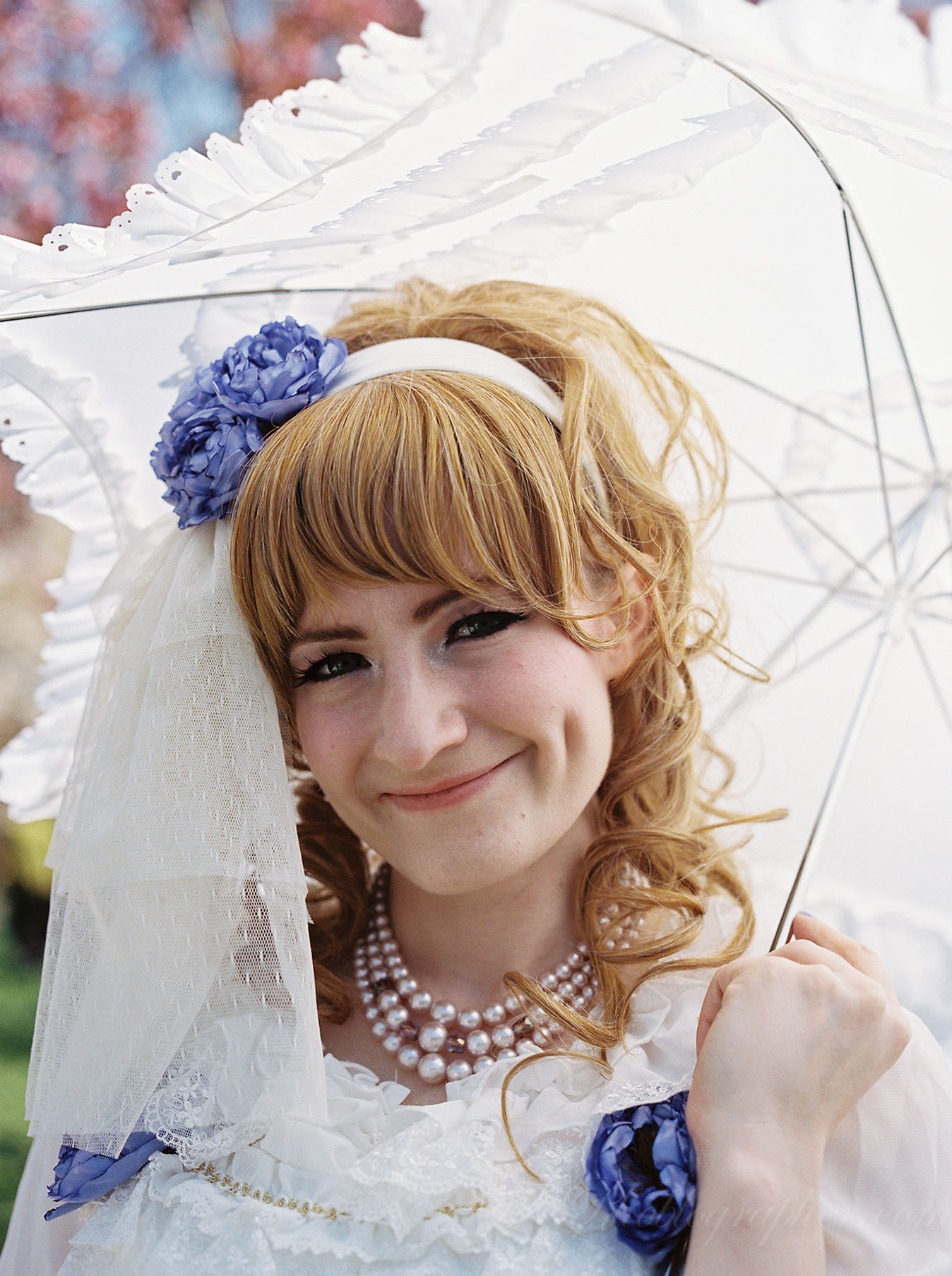
If you want your APS‑C or Micro Four Thirds photos to stand next to full frame work, stop obsessing over the spec sheet and start obsessing over technique. The absolute truth about sensor sizes and image quality is that in the hands of a photographer who uses the camera for what it is, the camera will produce fantastic images. The results from an APS‑C sensor or a Four Thirds sensor can produce jaw‑dropping images. The “full frame look” people chase – shallow depth of field and smooth background blur – comes from focal length, aperture, and distance, not a magic chip. Longer, faster lenses and getting closer to your subject increase the depth of field effect and reduce distortion. One portrait shot on an APS‑C body with a 35mm f1.4 looked like it came from full frame because the lighting and composition were right. Technique, light, timing, and lens quality matter more than whether the sensor is 36mm wide or 24mm wide.
Real‑World Proof: Small Sensors Deliver Professional‑Level Results
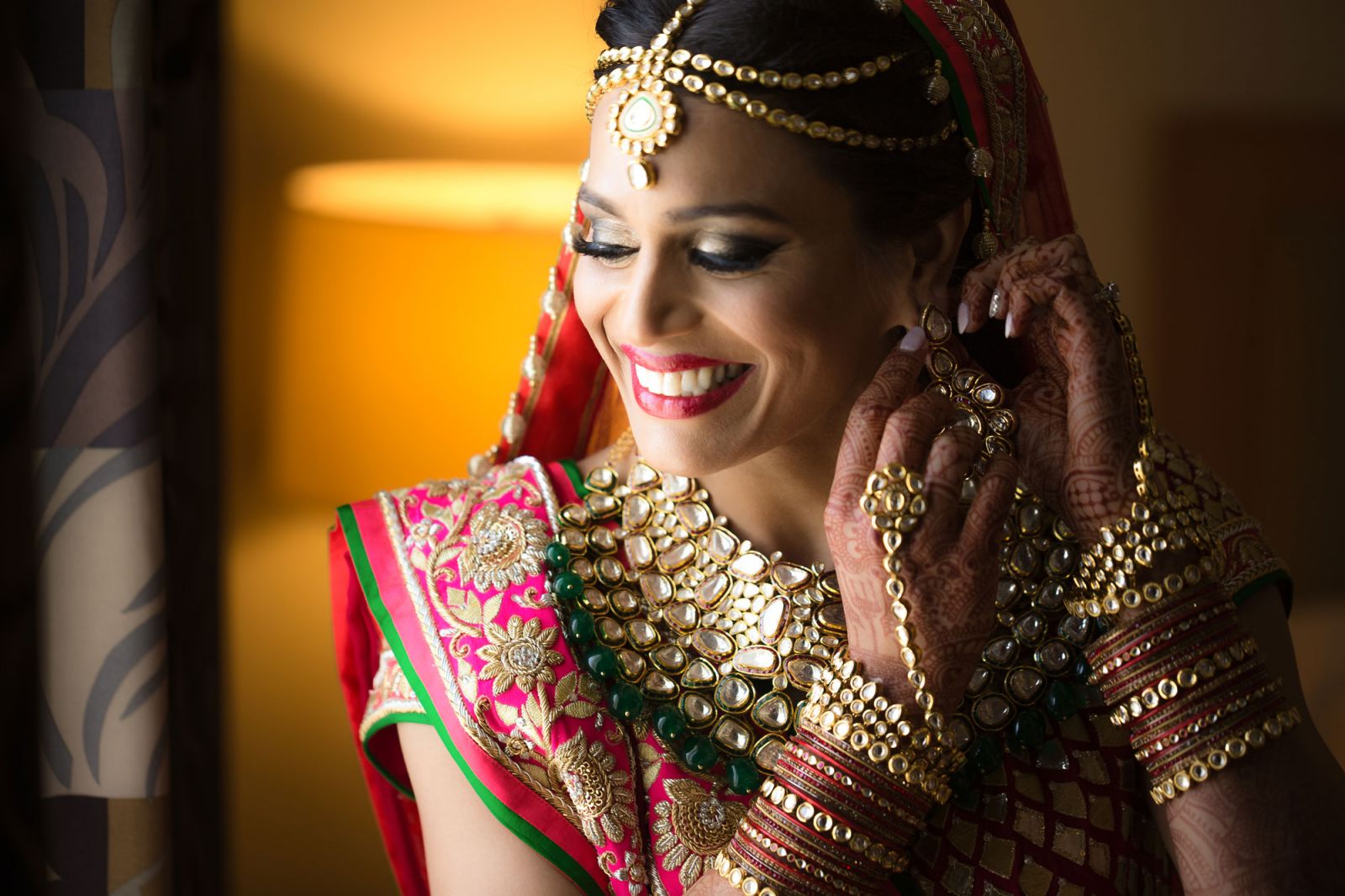
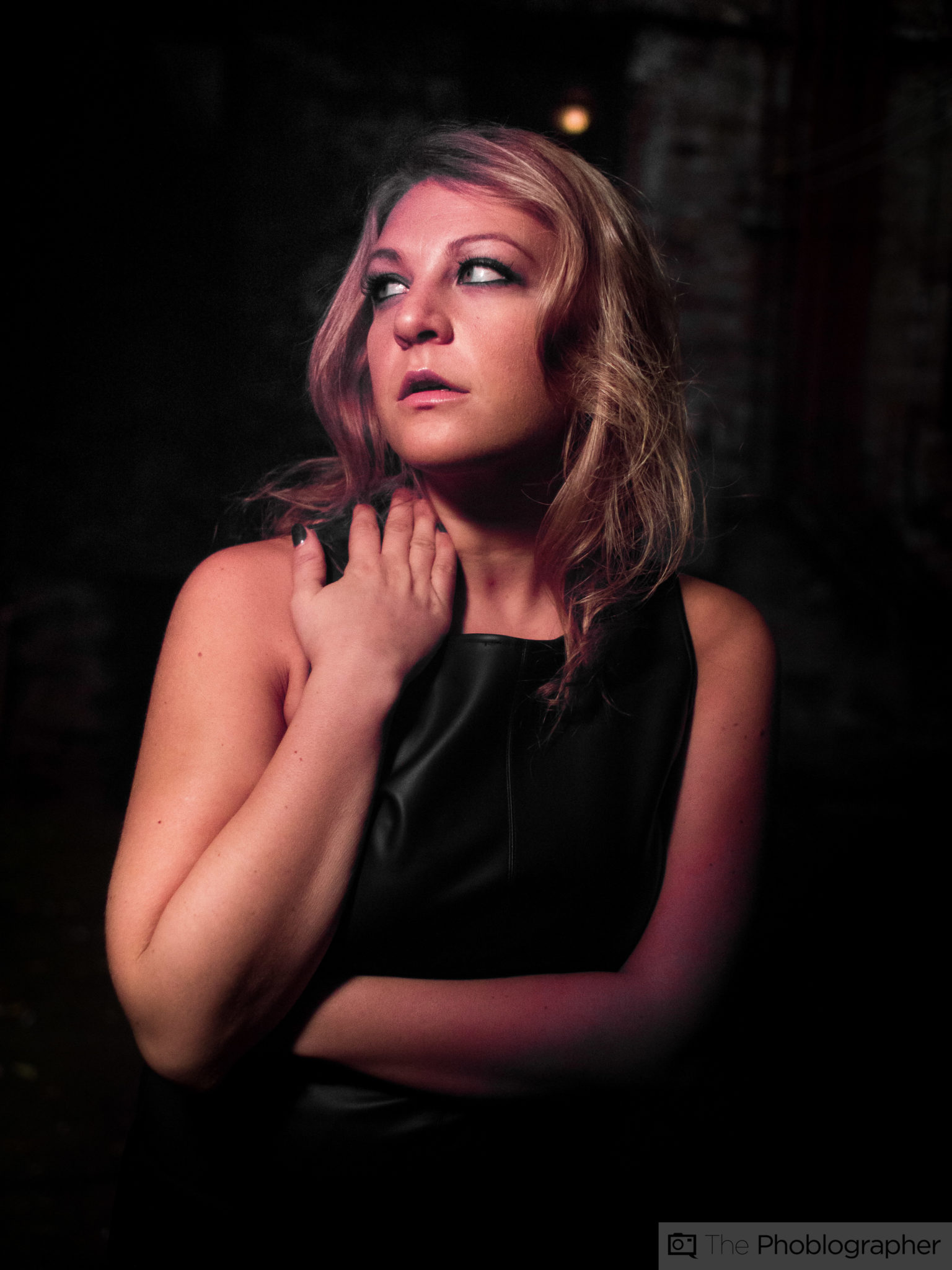
The best argument against the full frame myth photography culture is simple: look at finished work without peeking at EXIF data. One widely used image that many would swear was shot on a modern full frame camera was captured on film with a medium format system, and the photographer states it could have been made with 35mm, Micro Four Thirds, APS‑C, or other formats because the lighting and situation did the heavy lifting, and the laws of exposure do not change. Another example: a scene that appears to have very shallow depth of field and creamy bokeh was shot with an Olympus body using a Voigtlander 17.5mm f0.95, which gives roughly the equivalent depth of field of f1.9 on full frame – and it works. Portraits made on APS‑C sensors with thoughtful lens selection and subject distance look indistinguishable from full frame results when printed or viewed at typical sizes. The gear doesn’t make the photograph; the photographer does.

Value and Use Cases: When Crop Sensors Are the Smarter Choice
Cost matters, and here full frame quietly loses. Manufacturing a full frame sensor is dramatically more expensive than making an APS‑C sensor, and that extra cost carries into both camera bodies and lenses. Meanwhile, a capable APS‑C body with a quality telephoto zoom can be assembled for significantly less than a comparable full frame kit while still offering high‑end performance. Crop sensor makes the most sense for wildlife and sports photographers who prioritize telephoto reach, photographers on a budget who want maximum capability per dollar, travel shooters who care about portability, and anyone working mainly in decent light where high ISO performance is rarely pushed. Full frame makes more sense for wedding and event photographers in variable, dim light, portrait shooters who live for ultra‑shallow depth of field, and landscape or architectural work requiring maximum dynamic range and true wide angle. For most people most of the time, sensor size is not what limits the quality of their work.