
Memory price increase 2026: the AI tax hits PC builders
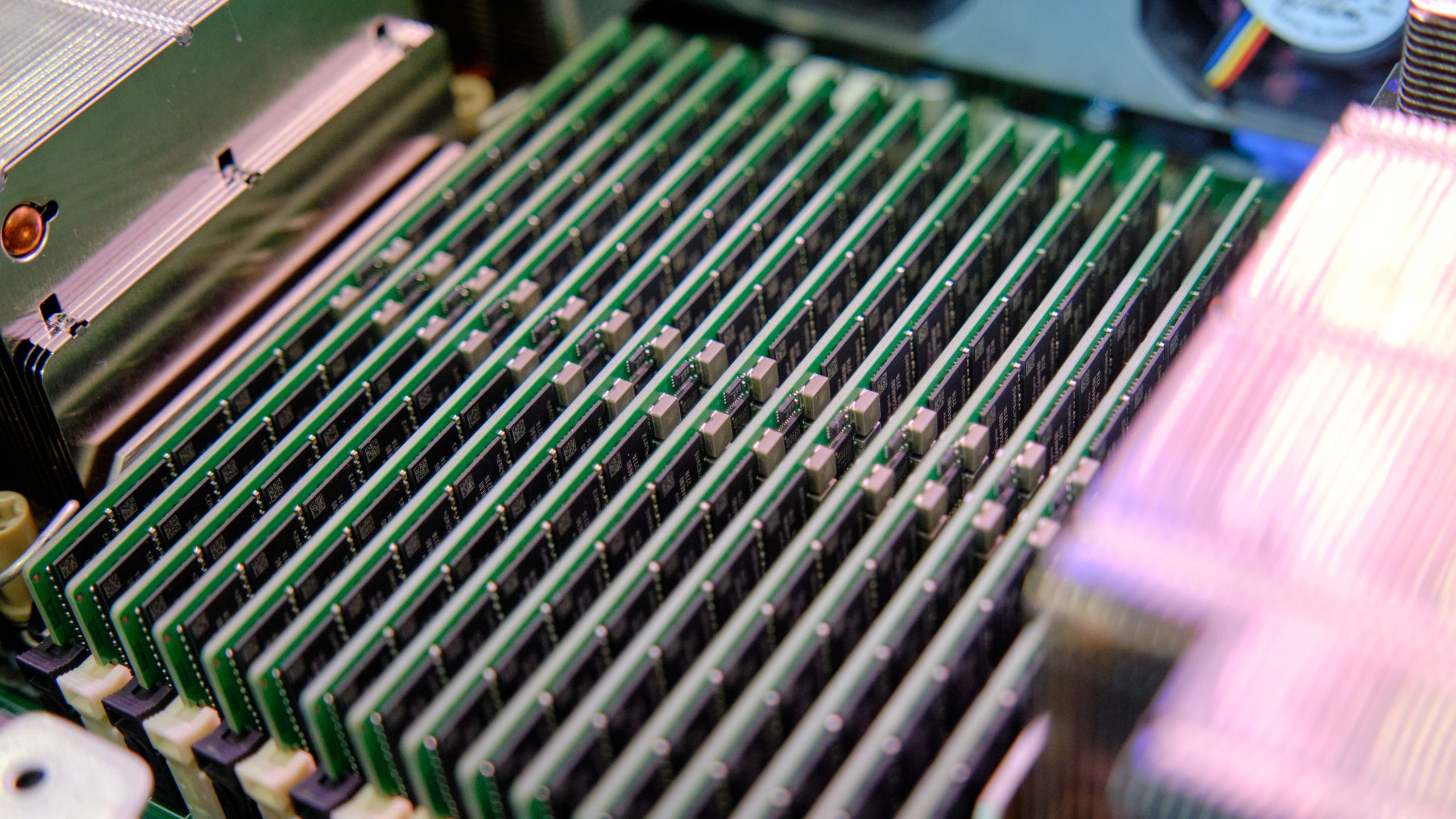
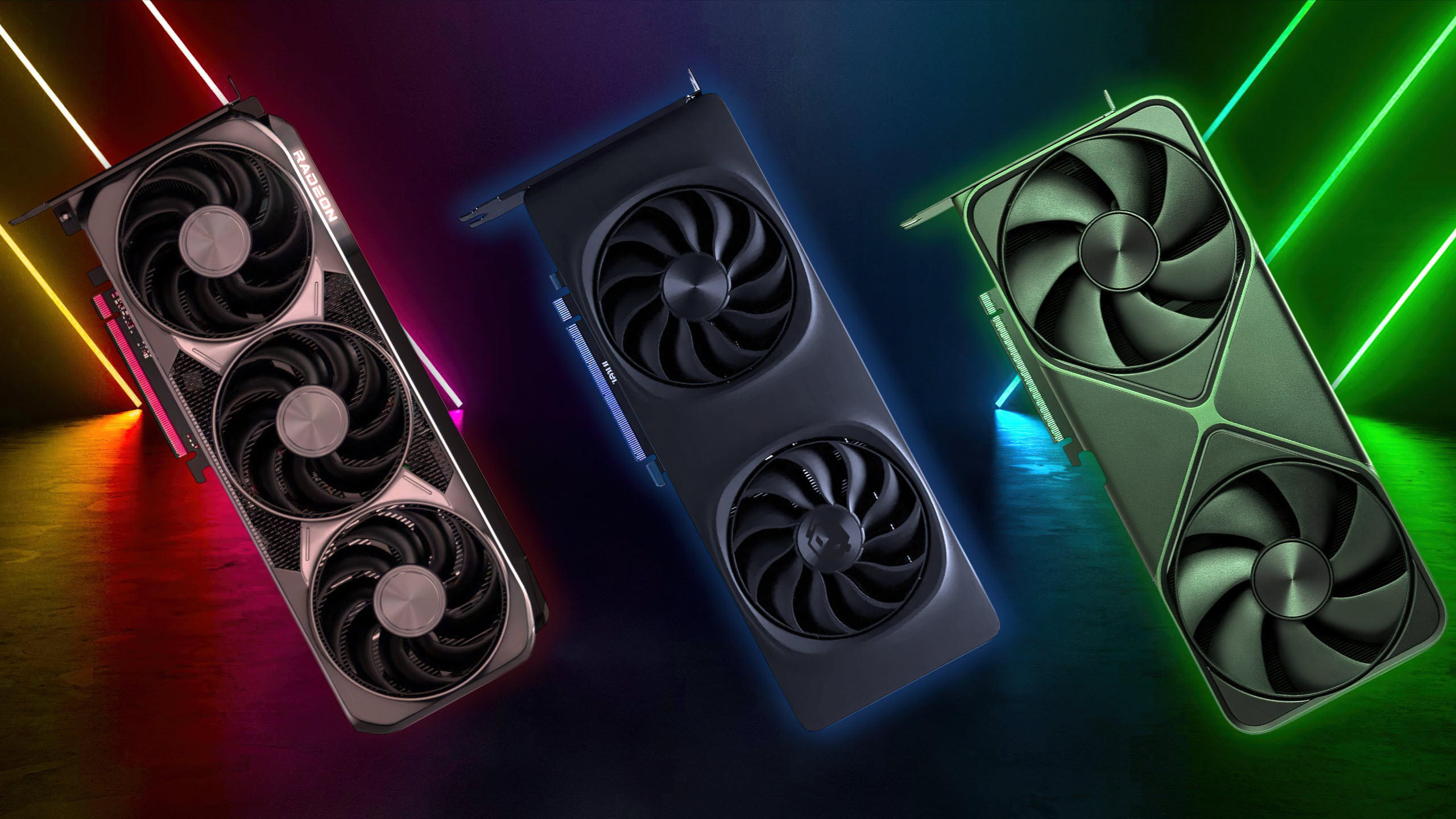
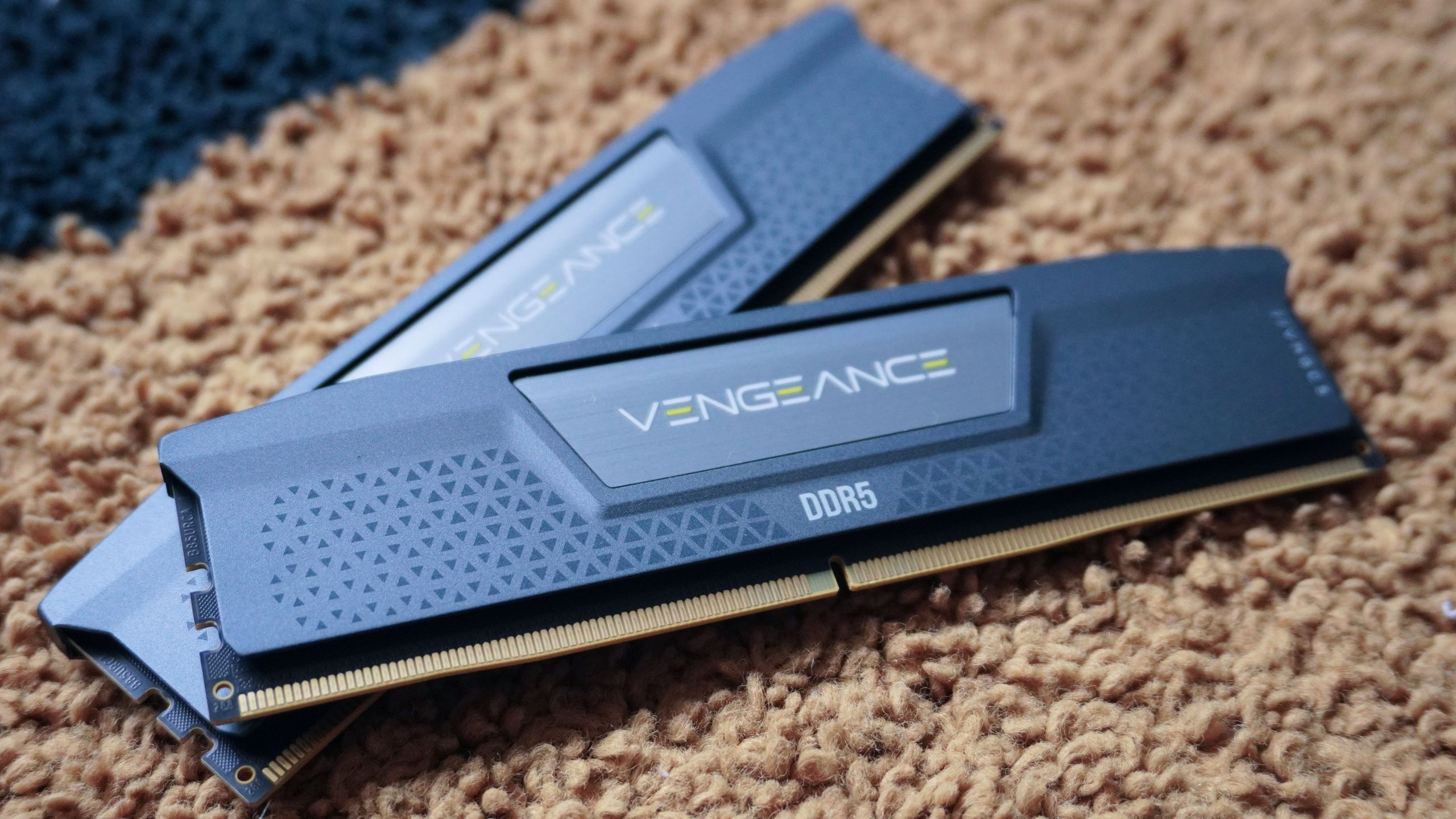
The coming memory price increase 2026 refers to a sharp, AI-driven rise in DRAM and NAND contract costs that is expected to tighten supply, push consumer RAM and SSD prices upward, and force PC builders to rethink upgrade timelines, capacity choices, and overall PC building budget planning for the next hardware cycle. This is not a vague market rumor; it is a clear warning from people who buy chips by the wafer. Trend reports, citing statements from ADATA’s chairman, say memory makers have already informed customers that DRAM contract prices are set to climb by 20 to 30 percent and NAND Flash by 35 to 40 percent in the third quarter. Combine that with the so‑called "AI Tax" on tech, where prices around AI hardware have exploded by up to 700%, and it is obvious the bill is landing on ordinary builders next.
Why AI data centers are driving a RAM shortage 2027
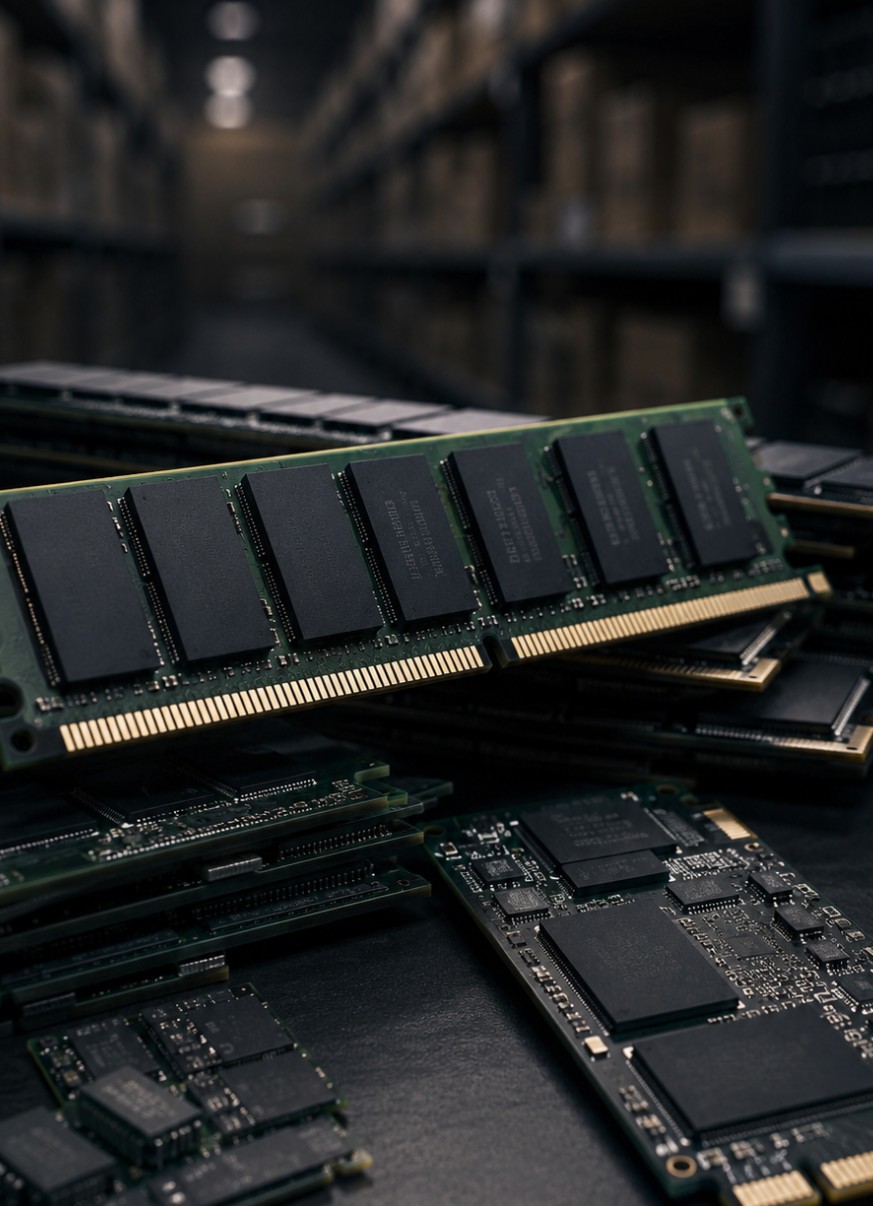
The memory industry wants you to believe this is a natural side effect of progress: AI data centers are gorging on high‑bandwidth memory, server DRAM, enterprise SSDs, and datacenter NAND, leaving consumer RAM and SSDs to fight for leftovers. On paper, that story checks out. AI systems need enormous memory and storage capacity, and manufacturers will always chase higher margins and long-term contracts. In practice, it means PC parts depend on the same wafer starts and supply chains as AI hardware, so when capacity is diverted, desktop RAM kits, notebook SSDs, and OEM systems are supplied more tightly. The CEO of a major memory maker has already warned that 2027 will be the "worst year" for the memory shortage and expects the crunch to drag on until 2030. If you are hoping for quick relief, you are betting against the people controlling the fabs.
Capacity promises, lawsuits, and why relief keeps slipping away
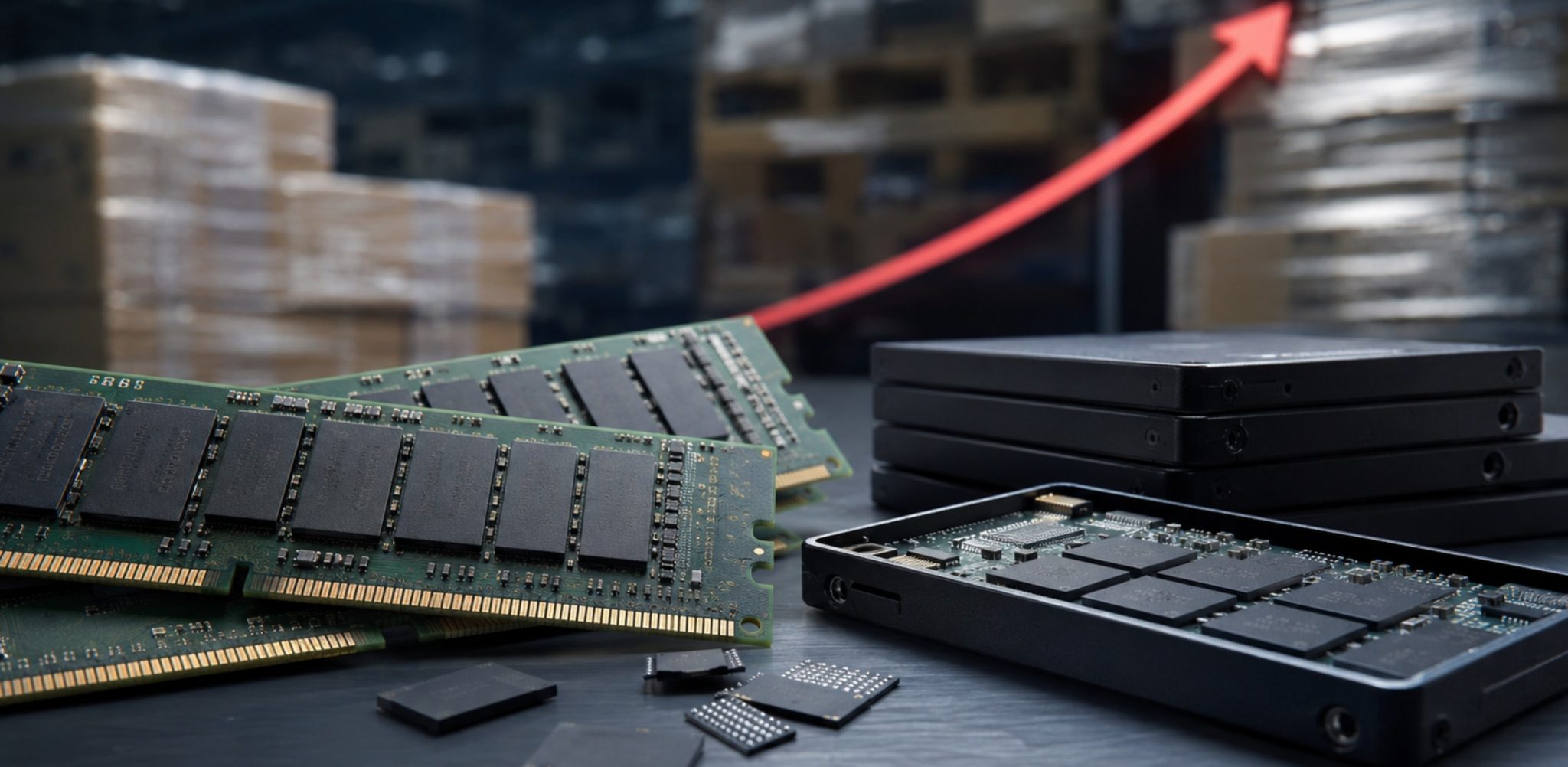
Officially, the big manufacturers claim they are racing to build new fabs and double production capacity by 2030, using this as their defense against a class‑action lawsuit accusing them of price fixing. The case in California calls their bluff, arguing that the AI boom is not the only reason prices are soaring. A report cited by a news outlet goes further, estimating that one leading company will bring only about one‑sixth of its planned new memory capacity online by 2028, thanks to decade‑long infrastructure timelines and process upgrades that temporarily cut output in existing plants. In other words, the industry’s public roadmaps look far more optimistic than the construction schedules. While lawyers fight over whether this is market manipulation or market reality, builders face the same outcome: constrained supply, elevated prices, and a long wait before fresh capacity meaningfully changes the trend.
What this means for PC building budget planning
For everyday buyers, the impact will be plain at checkout. When contract prices for DRAM and NAND rise by 20–30% and 35–40% respectively, module and SSD makers either absorb the hit or pass it along. As a major module supplier points out, "RAM kits, SSDs, storage modules, OEM systems" sit directly in the blast radius. NAND is the biggest cost block in SSDs, so surging NAND prices are especially painful for large capacities; the era of extremely cheap 2 TB and 4 TB SSDs could be over for now. Anyone waiting for a fast return to earlier lows will need more patience. The pattern looks worryingly familiar to those who lived through the last shortage cycle: tight supply, fewer aggressive promotions, slower capacity bumps, and system upgrade plans stretched or downsized to keep total builds within budget.
Conclusion: act before the next spike, not after
The writing is on the wall: AI demand is pulling memory capacity towards data centers, the promised production boom is slower than advertised, and insiders are openly warning of a severe RAM shortage 2027. For PC builders, this is not a theoretical macro trend; it is a direct threat to upgrade plans and new builds. The smart move is to treat memory as a strategic purchase instead of a last‑minute add‑on. Lock in the capacities you know you will need while prices are still tolerable, and assume that future discounts will be weaker and rarer than in the last downcycle. You cannot control fab construction timelines or legal battles over alleged price fixing, but you can control when you buy. In the coming memory cycle, timing and capacity choices will matter as much as any CPU or GPU decision.