
CXMT DDR5 Memory Is No Longer a Curiosity—It’s a Real High-End Choice
CXMT DDR5 memory refers to DDR5 RAM modules built with DRAM chips from ChangXin Memory Technologies and validated by major motherboard and component makers to reach enthusiast-level speeds that match or approach traditional high-performance DDR5 options in gaming and productivity-focused PC builds.
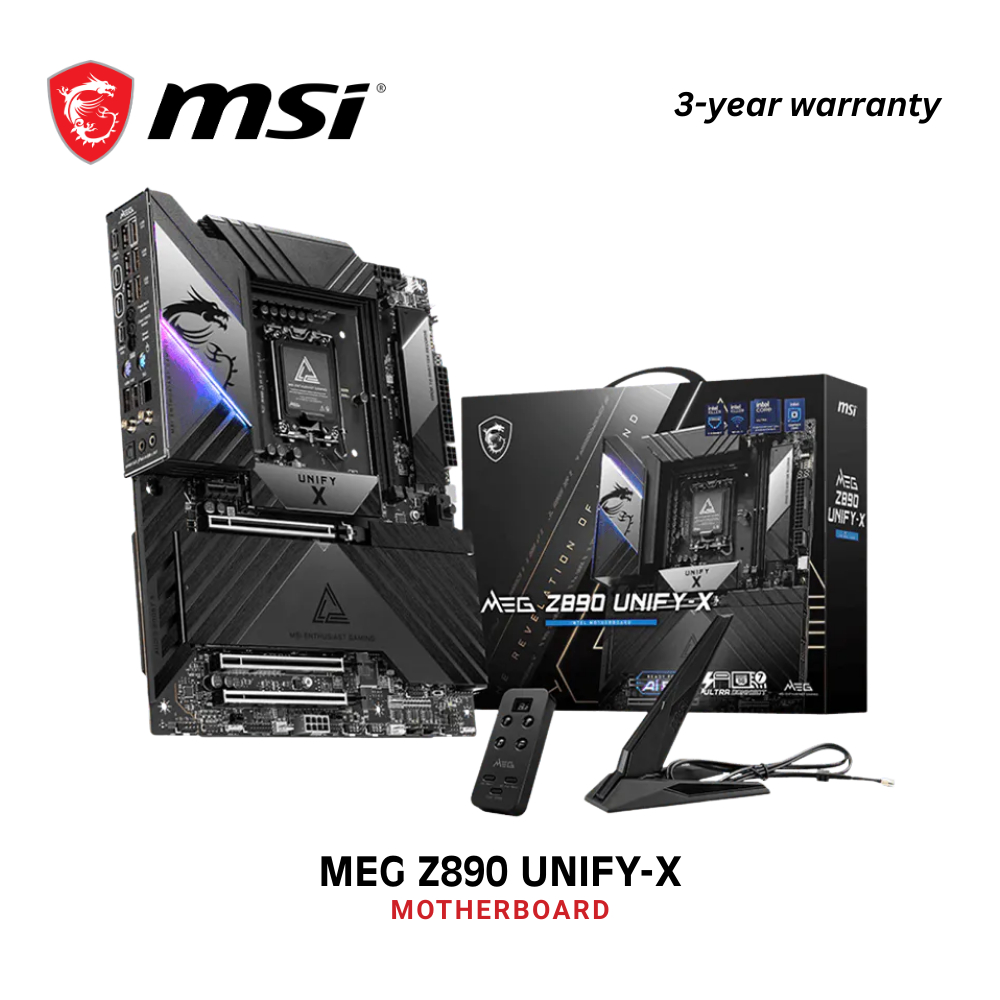
If you are planning a new high-end build, treating CXMT as a “budget-only” option is now a mistake. MSI, ASUS, Corsair, and Lexar are actively validating and shipping products based on CXMT DDR5 dies, which means this DRAM has moved from experiment to ecosystem. MSI’s latest BIOS work enables DDR5-8000+ operation on Intel Z890 boards using CXMT memory, with a validated DDR5-8600 configuration on the MEG Z890 UNIFY-X using two 24 GB modules. That level of support is not something vendors waste engineering time on for second-class parts. The takeaway: CXMT is no longer about “can it boot?”—it is about “how far can you push it?”

Motherboard Support: DDR5-8600 on Intel, 8000+ on Both Sides
The most important update for enthusiasts is simple: modern platforms are now tuned specifically for CXMT DDR5 memory. MSI has released new BIOS code across its Intel 800-series lineup that focuses on better memory training and timings for CXMT DRAM, reporting stable DDR5-8000+ performance on multiple Z890 motherboards. On the flagship MEG Z890 UNIFY-X, an Intel Core Ultra 5 245K paired with 2×24 GB CXMT modules hit DDR5-8600 at 46-56-56-134 and passed MemTest beyond 100% coverage. That is proper overclocking-grade validation, not a marketing screenshot.
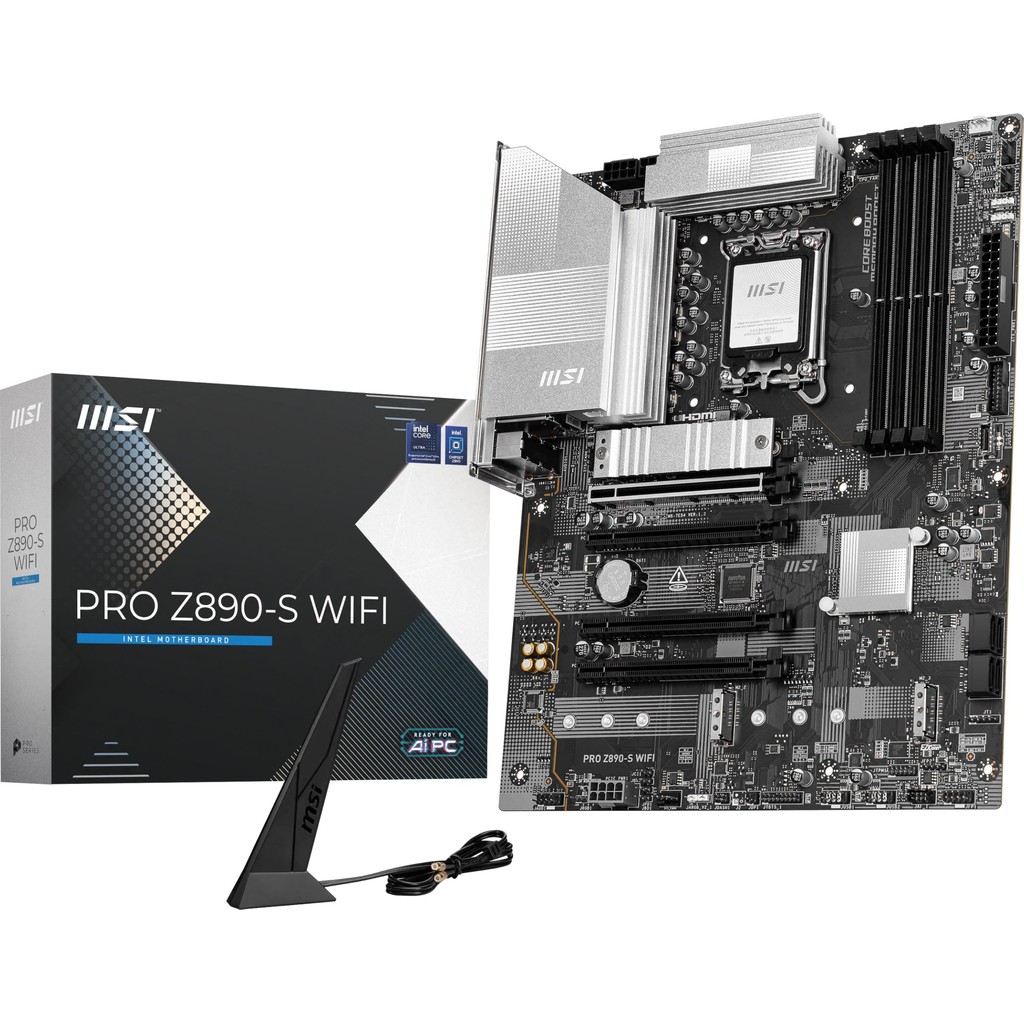
Crucially, this support is not limited to halo boards. MSI also validated DDR5-8200 on the mainstream PRO Z890-S WIFI using two 16 GB CXMT sticks, again with full MemTest stability. On the AMD side, MSI previously expanded its AM5 BIOS support from earlier DDR5-6800 limits up to DDR5-8200 for CXMT memory, while ASUS has rolled out comparable AM5 updates of its own. With tuned firmware now available on both Intel and AMD boards, CXMT is no longer a compatibility gamble—it is a supported path on both major platforms.
Validation by Big Brands: MSI, ASUS, Corsair, Lexar
Skepticism about new DRAM builders is healthy, but follow the vendors that have skin in the game. MSI has added explicit BIOS support for CXMT DDR5 on its AMD boards, lifting previous limits and enabling higher-speed profiles. ASUS is doing the same for its AM5 socket range, reporting overclocked results up to DDR5-8400 using kits based on these platforms. That level of coordination means platform makers expect customers to run CXMT modules, and they would rather tune for it than field support tickets.
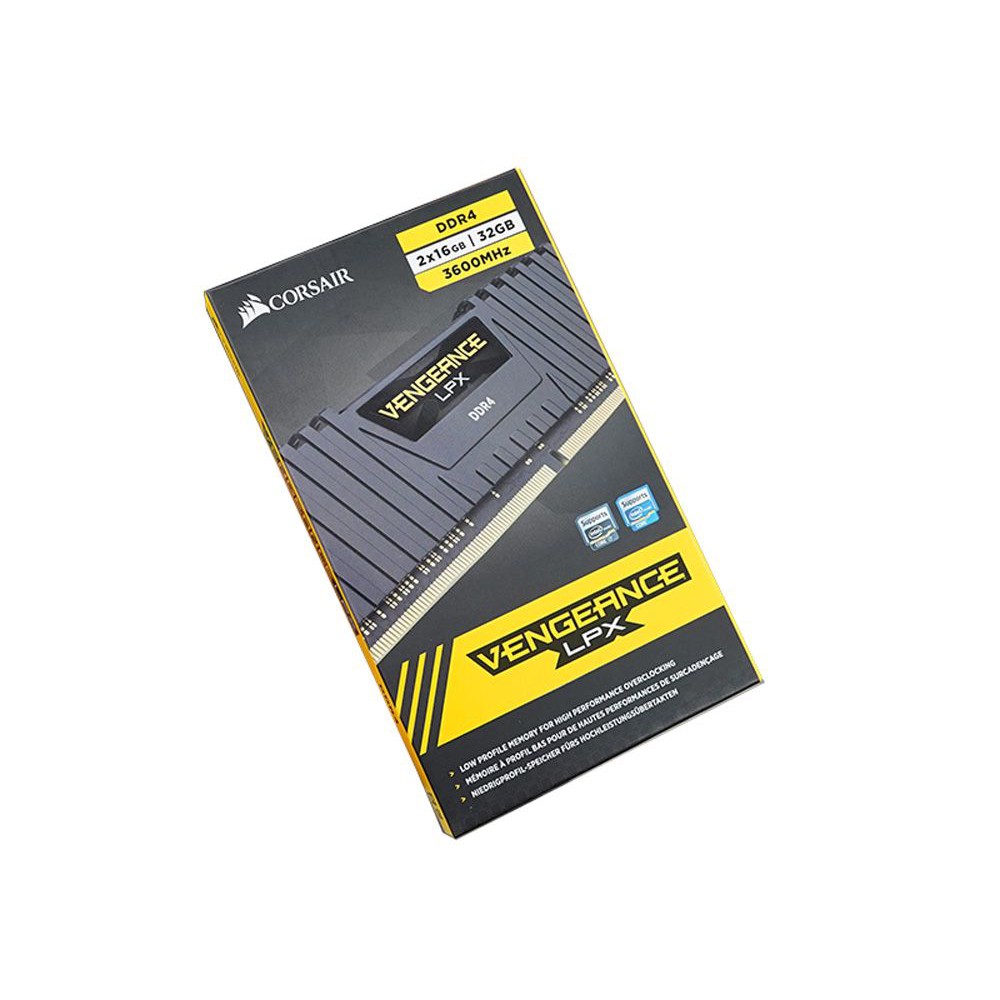
On the module side, the signal is even clearer. Corsair has started using CXMT DDR5 DRAM dies in some Vengeance kits aimed at the local market, while Lexar is planning to use CXMT dies in its Thor DDR5-7600 CL38 memory kits. When well-known brands integrate a supplier’s dies into enthusiast-facing products, they are effectively vouching that these ICs can meet their binning, warranty, and performance expectations. You are not buying a no-name experiment—you are buying DRAM that major players decided belongs in their own product lines.
Performance and Supply: Why CXMT Is a Strategic PC Build Alternative
From a performance standpoint, the old assumption that newer DRAM builders must lag the established trio is eroding fast. According to analysis cited by industry watchers, CXMT could reach 350,000 wafers per month of DRAM capacity by the end of 2026, very close to the 375,000 wafers per month another major maker is expected to hit. That ramp explains why motherboard and component brands are suddenly motivated to validate CXMT-based memory: they see a large, long-term source of DDR5 that needs to be fully usable on their platforms.
For PC builders, more capacity at competitive quality is not abstract economics—it is a concrete alternative. Vendors highlight that customer demand exists for these new PC build alternatives, which is driving BIOS updates from board makers and the adoption of CXMT DRAM by brands such as Corsair and Lexar. In practice, this means you can now choose CXMT-based kits without feeling you are sacrificing frequency headroom versus established options, while the broader supply side becomes less dependent on any single DRAM source.
Should You Use CXMT DDR5 in Your Next High-End Build?
If your priority is maximum frequency and stability on current platforms, CXMT DDR5 memory now belongs on your shortlist. MSI has proven DDR5-8600 support with CXMT modules on its MEG Z890 UNIFY-X and DDR5-8200 on its more affordable PRO Z890-S WIFI, both passing extended stress tests. On the AMD side, BIOS updates from MSI and ASUS raise previous ceilings on CXMT-based modules and align them with other high-speed DDR5 options.
Combine that with the growing use of CXMT dies in kits from Corsair and Lexar and the ongoing expansion of DRAM capacity, and the argument against CXMT shrinks to brand habit rather than hard data. For many gaming and productivity rigs, especially those chasing high-frequency DDR5 without wanting to rely on a narrow list of suppliers, CXMT-backed modules are no longer a risky experiment—they are a rational, performance-aligned alternative that deserves a place in serious PC build plans.