
Gaming power supply safety is no longer optional
Gaming power supply safety is the set of design choices, protections, and monitoring features in a PSU that prevent cable overheating, unstable power delivery, and connector failures from damaging high-end GPUs and other expensive PC components. Modern graphics cards have become too costly to risk on bargain-bin power supplies, especially after repeated reports of melting 12V-2×6 connectors in recent years. That history should change how we think about power supplies: they are no longer boring boxes; they are the last line of defense between a small wiring issue and a catastrophic failure. If you spend big on a flagship GPU, the smartest move you can make is to treat the PSU as part of the same investment instead of an afterthought.
T-Guard and GPU Shield: new front lines of GPU cable overheat protection
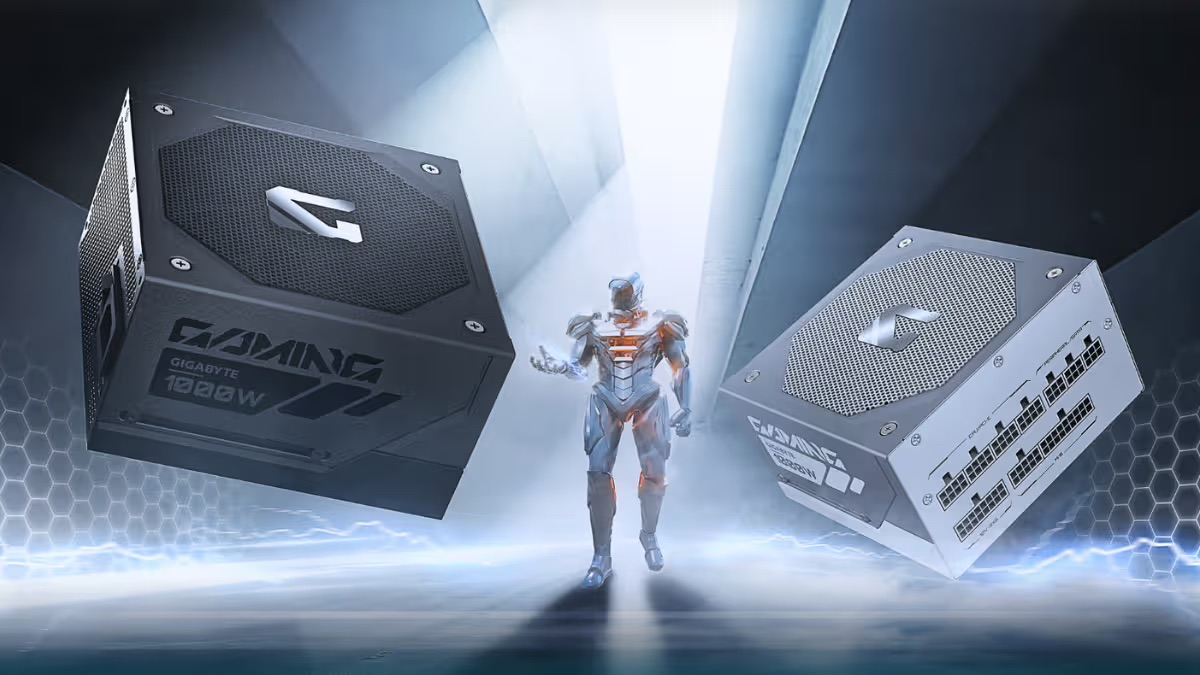
The most important shift in gaming power supply safety is that PSUs are now watching the GPU cable in real time instead of waiting for smoke. GIGABYTE’s T-Guard is a clear example: it is an active safety system for the 12V-2×6 connector that uses built-in temperature sensors to continuously monitor the GPU power plug and react to abnormal heat from loose connections or excessive load. When things go wrong, it does not kill the whole PC—it selectively reduces power to the graphics card, so the rest of the system keeps running long enough for you to save your work and shut down cleanly. On the current side, GPU Shield in Cooler Master’s latest platform monitors current through individual pins of the 12V-2×6 and flags abnormal draw, acting as a per-pin watchdog against the same kind of melting connector incidents that have plagued builders.
High-end PSU features: efficiency plus protection, not one or the other
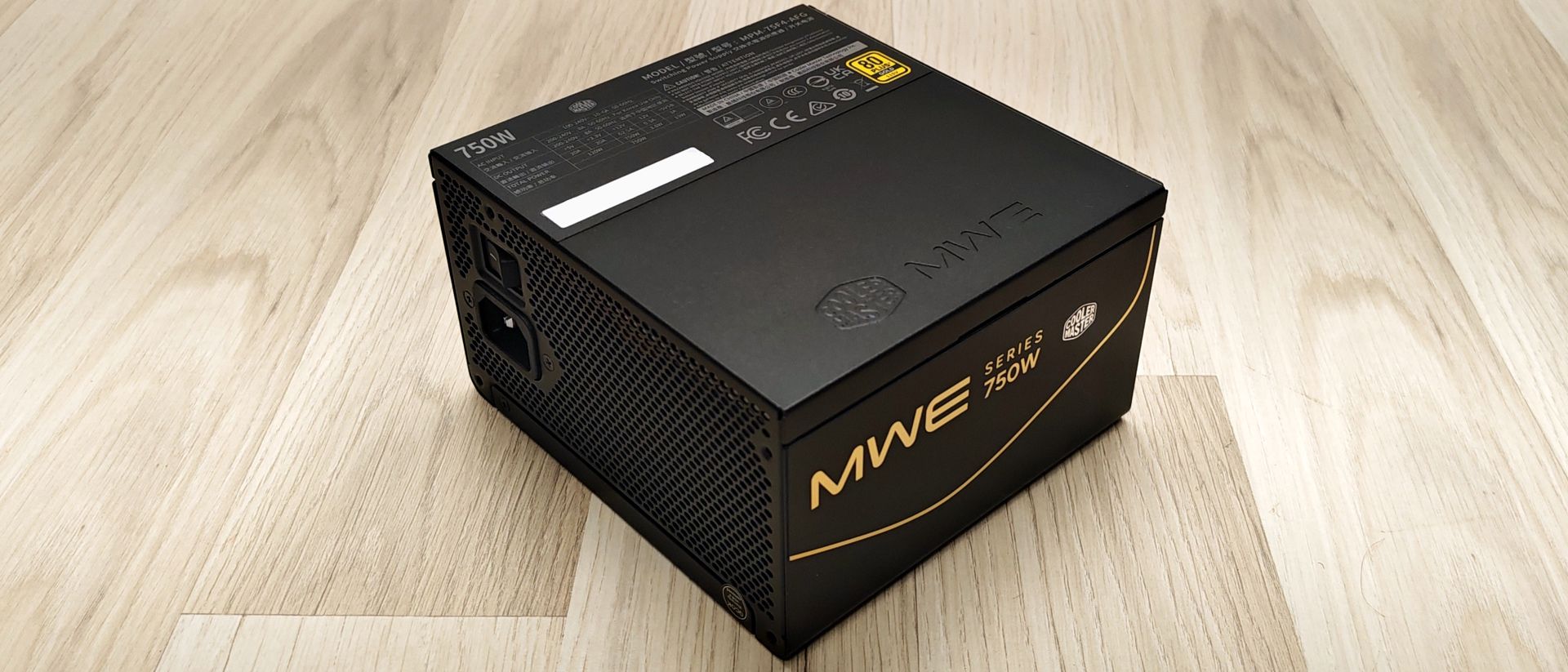
For premium GPU builds, high-end PSU features now mean more than an efficiency badge. GIGABYTE’s new gaming units are fully compliant with ATX 3.1 and PCIe 5.1, available up to 1000W, and use 100% Japanese capacitors to anchor long-term reliability. They also pair T-Guard’s real-time temperature monitoring and automatic GPU power limiting with Cybenetics ETA Platinum efficiency and LAMBDA A+ low-noise certifications, which shows that modern gaming PSUs can combine safety intelligence with energy savings and quiet operation instead of forcing a trade-off. On the more mainstream side, Cooler Master’s MWE Gold V4 series is also ATX 3.1 and PCIe 5.1 compliant, ships with a native 12V-2×6 connector, adds the GPU Shield current-monitoring feature, and backs it with a ten-year warranty for the 750W model. That kind of long warranty is a strong signal of power supply reliability even at a $119 (approx. ₱6,700) price point.
Cable management and connector checks: the quiet heroes of power supply reliability
No amount of smart circuitry can fully save you from careless cable management. Both the new GIGABYTE and Cooler Master designs quietly admit this by making it easier to see and secure correct connections. GIGABYTE includes a dual-color 12V-2×6 cable that helps you visually confirm the GPU plug is properly seated before you ever hit the power button. Cooler Master follows the ATX 3.1 guidance with a two-color 12V-2×6 connector that makes an incompletely seated plug easier to spot, even if their dark purple choice is debatable. They also ship basic zip ties, reusable Velcro straps, and a leaflet that explains recommended PCIe cable installation practices. Anyone who shrugs off these details is gambling with power-related hardware damage; neat routing, proper strain relief, and verified connector seating are as important as any circuit-level protection.
Conclusion: treat your PSU like insurance for your GPU
The direction is clear: gaming power supply safety is evolving from passive safeguards into active monitoring systems that protect the most fragile part of the power chain—the GPU connector. When a PSU can detect cable overheating through temperature sensors, limit GPU power without instantly killing your whole system, and even watch current on individual pins, it stops being a commodity box and becomes part of your build’s risk management. The smart move is to demand high-end PSU features that combine efficiency certifications, modern ATX 3.1 and PCIe 5.1 support, and advanced protection systems instead of buying by wattage and price alone. Quote this to anyone still skimping on power delivery: “Given how much grief melting connectors have caused over the past few years, a per-pin watchdog on a $119 unit is a useful inclusion rather than a gimmick.” Your GPU deserves that kind of insurance.