

CXMT and Chinese DRAM: From Experiment to Real PC Option
Chinese DRAM for PC refers to memory modules built with DRAM dies from manufacturers such as CXMT that are now being validated, overclocked, and deployed in mainstream consumer systems alongside established global brands, making them practical DDR5 alternatives for gaming, productivity, and budget PC building rather than experimental curiosities. The headline shift is simple: CXMT-based DDR5 is now good enough that big ecosystem players are betting real products on it. MSI has added BIOS support for CXMT DDR5 on its AMD motherboards, expanding validated operation to high speeds beyond earlier limits. Asus has rolled out similar validation on its AM5 boards, and component vendors are starting to use CXMT dies in branded kits aimed at everyday builds. If your instinct has been to ignore Chinese DRAM, that reflex is now outdated—you need to start treating it as a serious option in your parts list.
Who Trusts CXMT Now—and What That Means for Builders
The clearest sign that CXMT memory compatibility is ready for prime time is who has signed off on it. MSI has enabled BIOS support for CXMT DDR5 on both AMD boards and its Intel 800‑series family, with firmware tuned specifically for these ICs. Asus has followed with its own AM5 updates, validating CXMT-based kits and even showing aggressive overclocks on them. On the module side, Corsair has begun using CXMT DDR5 dies in Vengeance kits aimed at the local market, while Lexar plans CXMT‑powered Thor DDR5‑7600 CL38 modules. In other words, your “Chinese DRAM for PC” might arrive behind a familiar logo. That is the real story: CXMT has moved upstream from bargain-bin sticks into brand-name memory lines and official motherboard QVLs, which is where risk-averse system builders can finally start to care.
Performance Reality: DDR5‑8600 and the New High-Speed Normal
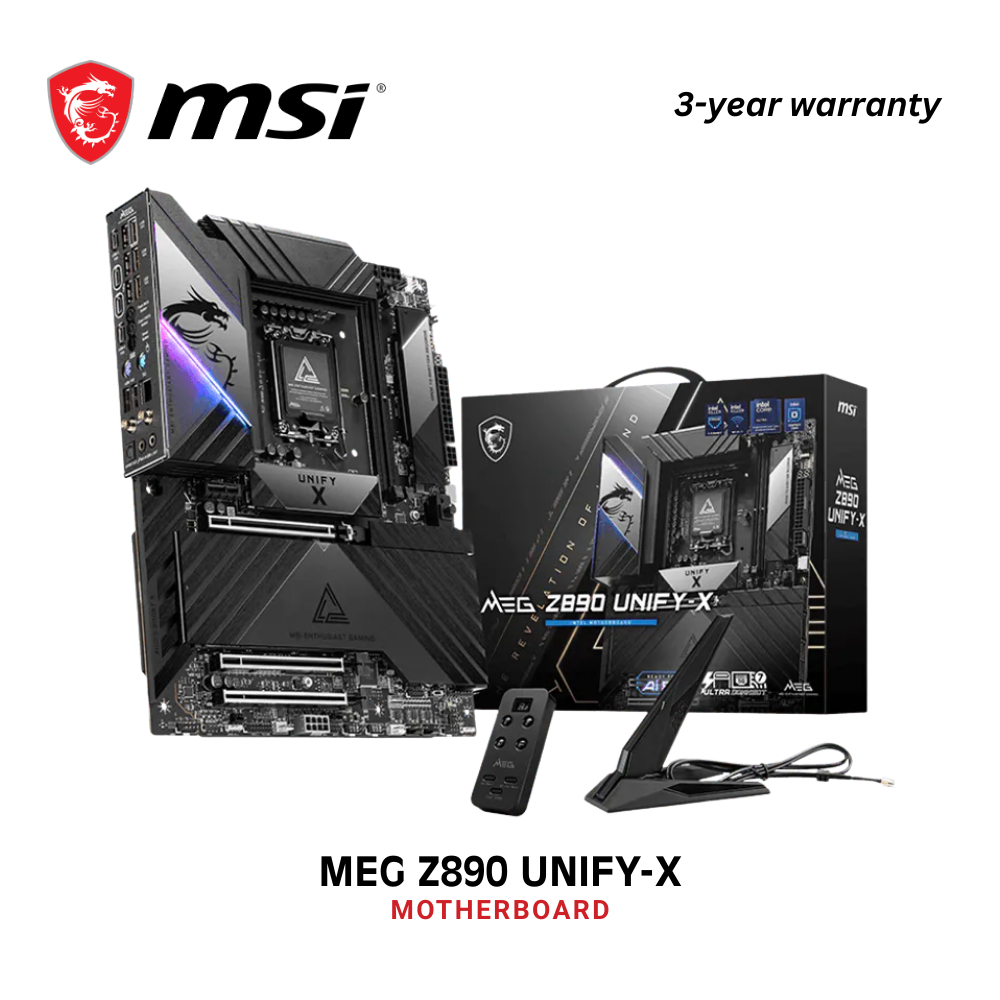
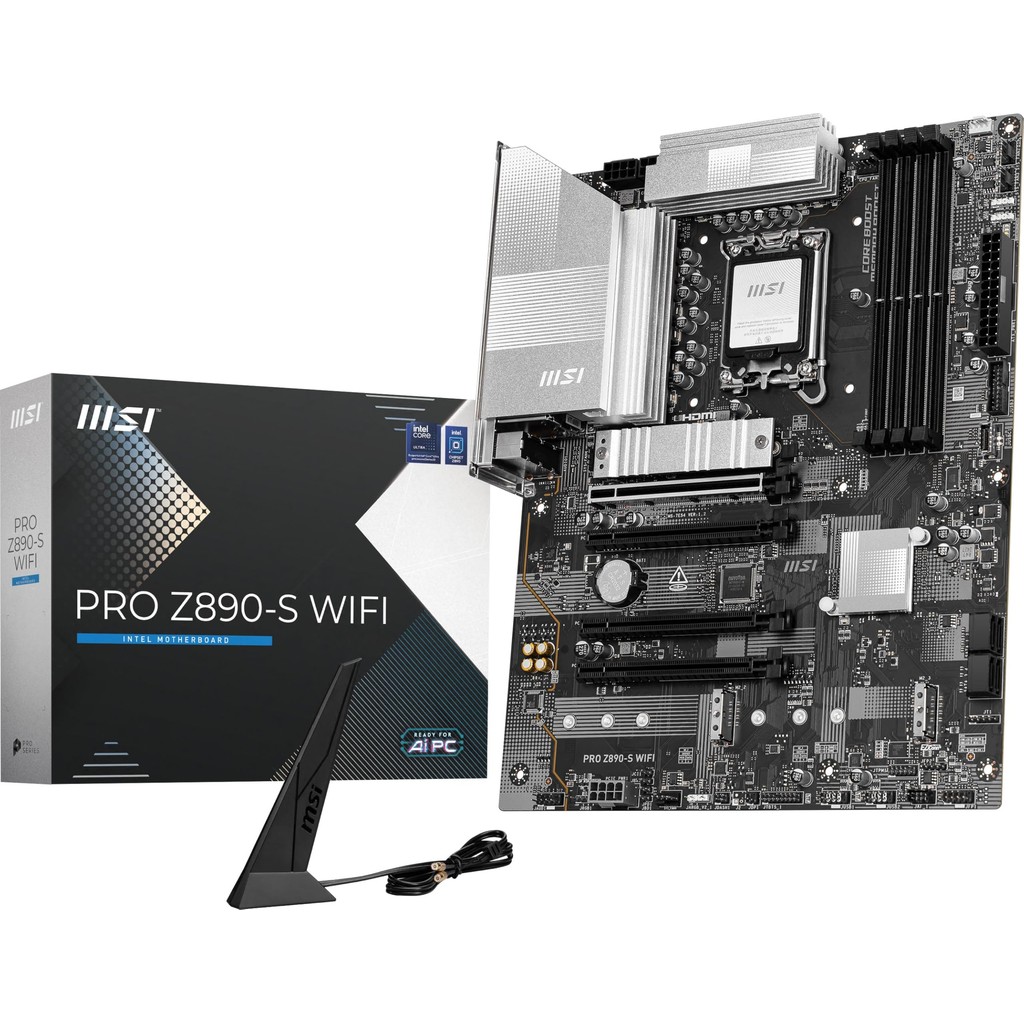
The old knock on CXMT was that it was cheap but slow; recent BIOS work has blown that up. MSI’s latest Intel 800‑series firmware improves training and timing behavior tailored to CXMT, enabling stable DDR5‑8000+ operation across multiple Z890 boards. The flagship MEG Z890 UNIFY‑X hit DDR5‑8600 with two 24 GB CXMT modules at 46‑56‑56‑134, passing extended MemTest with over 100% coverage. A mainstream PRO Z890‑S WIFI, hardly an exotic overclocking board, managed DDR5‑8200 with two 16 GB CXMT sticks at 44‑56‑56‑132, again fully validated under stress. On the AMD side, updated firmware now lets CXMT reach up to DDR5‑8200 on MSI and Asus AM5 boards, where it was previously limited to around DDR5‑6800. The bottom line: with the right BIOS, CXMT-based DDR5 alternatives are fast enough for high‑end gaming and creator loads, not merely serviceable.
Supply, Cost, and the Budget–High-End Tradeoff
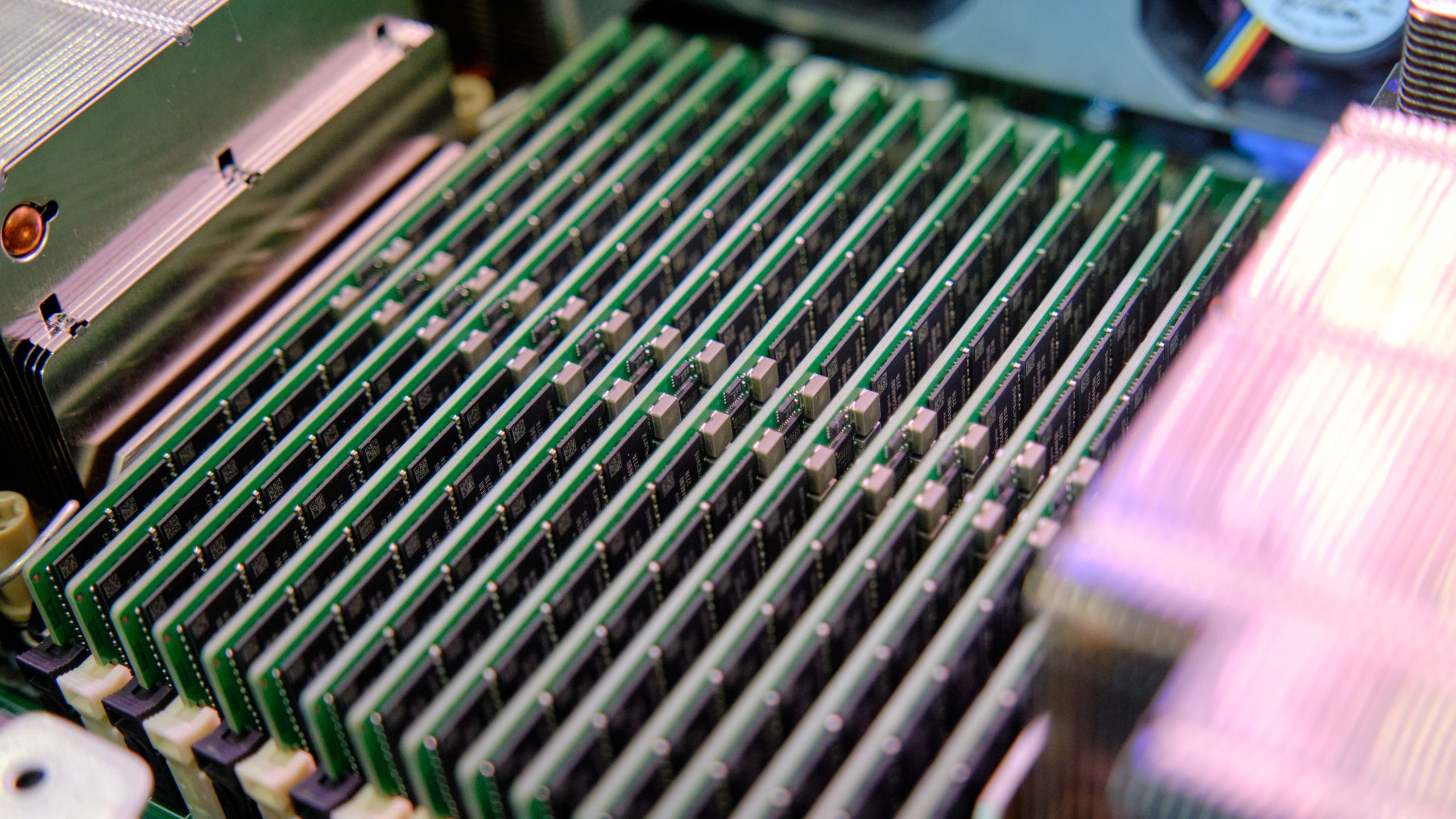
Behind the technical headlines is a blunt economic reality: DRAM supply is tight, and CXMT is scaling hard to fill the gap. Recent analysis suggests CXMT could reach a total DRAM capacity of roughly 950,000–1,450,000 wafers per month, including 350,000 wafers per month by the end of 2026—close to the 375,000 wafers per month a major incumbent is expected to hit. CXMT is already the fourth‑largest DRAM producer, with 11% of wafer capacity in a recent year and a forecast to hit 15% by 2028. “CXMT can potentially add 600k–1.1M wafers per month of DRAM capacity and have a total capacity of around 950k–1.45M wafers per month.” For budget PC building, that ramp matters because CXMT‑based modules are gaining popularity thanks to competitive pricing. Earlier research found the value proposition lacking, but with massive new supply and non‑regional BIOS support, that calculus is beginning to shift.
Compatibility Tips: Mixing CXMT with Premium Platforms
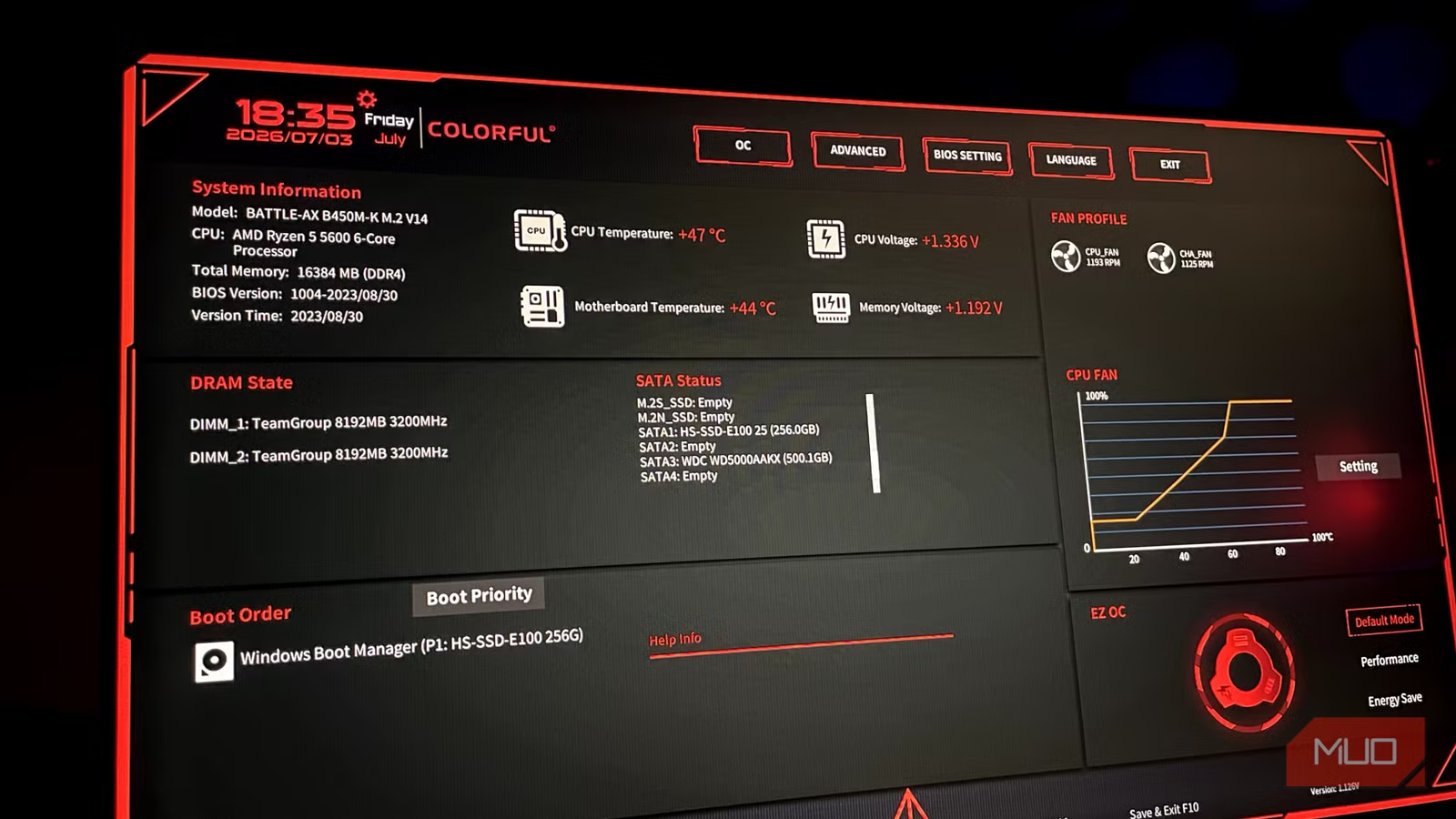
High-speed validation does not mean you can throw any CXMT kit into any halo build and expect miracles. Stability still depends heavily on firmware. MSI’s Intel 800‑series update focuses on improved memory training routines and timing optimization specifically for CXMT DRAM, and adds pre‑validated profiles so you do not have to dial in every setting by hand. That is great news if you are pairing CXMT memory with premium Z890 boards, Core Ultra CPUs, and fast GPUs, but it also means you should stay on current BIOS versions and pick boards that explicitly list CXMT support. When mixing CXMT modules with other kits or high‑end components, treat them like any new platform: check vendor QVL lists, prefer matched dual‑channel kits, and stress‑test with tools similar to MemTest until you are satisfied. If you want to experiment harder, first read independent market research on Chinese DRAM before pushing your daily‑driver system.