
Custom Film Stock: When Vision Starts in the Emulsion
Custom film stock is film whose emulsion chemistry, coating, and optical behavior are designed to match a photographer’s specific aesthetic goals, enabling unique negatives, color rendition, and halation effects that mass‑produced films cannot offer. Instead of choosing from factory options, artists define how their film should respond to light, contrast, grain, and processing, and work with chemists to build that response from raw materials up. This flips the usual workflow: the look is no longer a preset from a brand, but a physical recipe tuned to intent. It turns film from a fixed product into a flexible medium that can be shaped, tested, and refined in the darkroom and even in the kitchen sink, where each sheet or roll becomes a prototype for a personal visual language.
One collaboration makes the case powerfully. Photographer Ari Jaaksi teamed up with Igor Polyakov, a film enthusiast who mixes his own emulsion from raw silver, gelatin, and chemicals and rolls it onto a base as 120 film. Instead of accepting the character of commercial stock, Jaaksi handed Polyakov a wish list: heavy nuance, low contrast, grain welcome, speed irrelevant. That list is more than a set of specs; it is proof that film emulsion chemistry can be steered the way digital shooters steer LUTs and profiles. Custom film built to one photographer’s exact wishes and coated by hand sounds like a dream—but it also challenges the idea that film’s character is something you have to live with instead of something you can design.
Art Meets Chemistry: Designing Film to Order
What makes this movement exciting is not nostalgia; it is the partnership between artistic vision and chemistry. Polyakov did more than tweak a formula—he agreed to move his hand‑made emulsion onto 4×5 sheet film and wrestled with spreading it evenly across the larger surface. That is laboratory work shaped by a creative brief. When Jaaksi asks for soft, low‑contrast negatives because he wants to make all tonal decisions in the print, he is pushing the emulsion to be a pliable capture layer rather than a finished look. The missing anti‑halation layer, which commercial films add to prevent internal light scatter, is left out deliberately; its absence produces bright spot flares that he composes around, turning a technical fault into an expressive signature.
This is the opposite of the one‑size‑fits‑all mentality. Instead of asking, “Which stock best fits this project?” the question becomes, “What chemistry would express this idea?” Custom film stock lets you pick your battles—contrast can be deferred to the darkroom, grain can be embraced, speed can be sacrificed—because the emulsion is tailored to your priorities. According to one account of Jaaksi’s project, he even treats dust spots and coating blemishes as part of the film’s character, selectively correcting some while leaving others to speak for the process. That attitude reflects a deeper trust: when you co‑design the film, every quirk is part of the story rather than an error to be erased.
Kitchen Plates and Red Light: Learning Film from the Inside
The hands‑on analog photography techniques emerging from these collaborations are as radical as the emulsions themselves. For his custom sheets, Jaaksi set up a Graflex Crown Graphic and photographed humble kitchen forks and knives, then borrowed plates from the same kitchen to develop the sheets. Working with orthchromatic film, he developed under red light, watching the image appear instead of timing it in the dark. This kitchen‑plate development is not a gimmick; it is an informal lab where film processing methods become visible and teachable. You can watch how temperature, agitation, and emulsion thickness affect the image, and understand why chemistry choices matter more than presets ever will.
Of course, experimental setups have limits. Ukraine’s summer heat threw off the emulsion’s viscosity, causing it to lift off the base during development. Rather than discard the results, Jaaksi leaned into the peeling as part of the look, composing and printing with those scars visible in the final image. This willingness to welcome flaws is essential; when you treat the darkroom like a lab, failures become data points, and surprises become potential aesthetics. Orthochromatic development under red light, kitchen plates instead of steel tanks, watching emulsion lift or stick—these are ways to see film behavior in real time. They make the science tangible, turning emulsion design from abstract chemistry into something you can feel under your fingertips.
Printing the Dream: Where Soft Negatives Come Alive
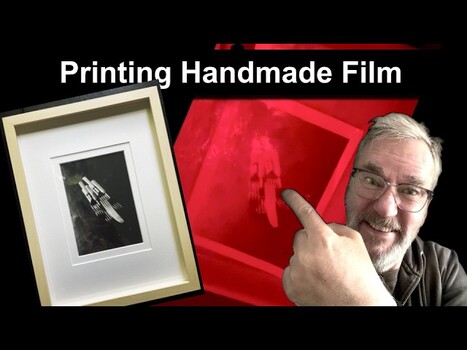
The payoff for custom film stock is not on the contact sheet; it is in the print. By asking Polyakov for a low‑contrast film, Jaaksi keeps every tonal decision in the darkroom, using paper choice, exposure, and dodging to shape the final image. This is film emulsion chemistry designed to hand control back to the printer. He prints one forest frame on Ilford 300 paper, praising its yellow‑red tint and textured surface, and pairs specific papers to specific negatives on purpose. In one set of compositions, metal on black backgrounds becomes almost aggressive, with strong blacks and shining highlights driven by the missing anti‑halation layer. In another, light bleeds through trees until trunks nearly vanish, a gentle, ghosted rendering that commercial stocks would fight to correct.
This attention continues long after exposure. Jaaksi trims edges that curled during washing, corrects only the dust spots that don’t belong to the film’s character, washes prints for up to an hour with aids to clear leftover fixer, signs the backs, and matches frame color and window mounts to each image. For him, a photograph is not finished until it is printed and either framed or placed into a book. That mindset exposes a key truth: when film is designed to be soft and malleable, the print becomes a site of authorship as important as the camera. The negative is a suggestion, not a verdict, and every step—from emulsion recipe to mounting board—is part of composing the final statement.
Why Digital Natives Should Care About Handmade Emulsions
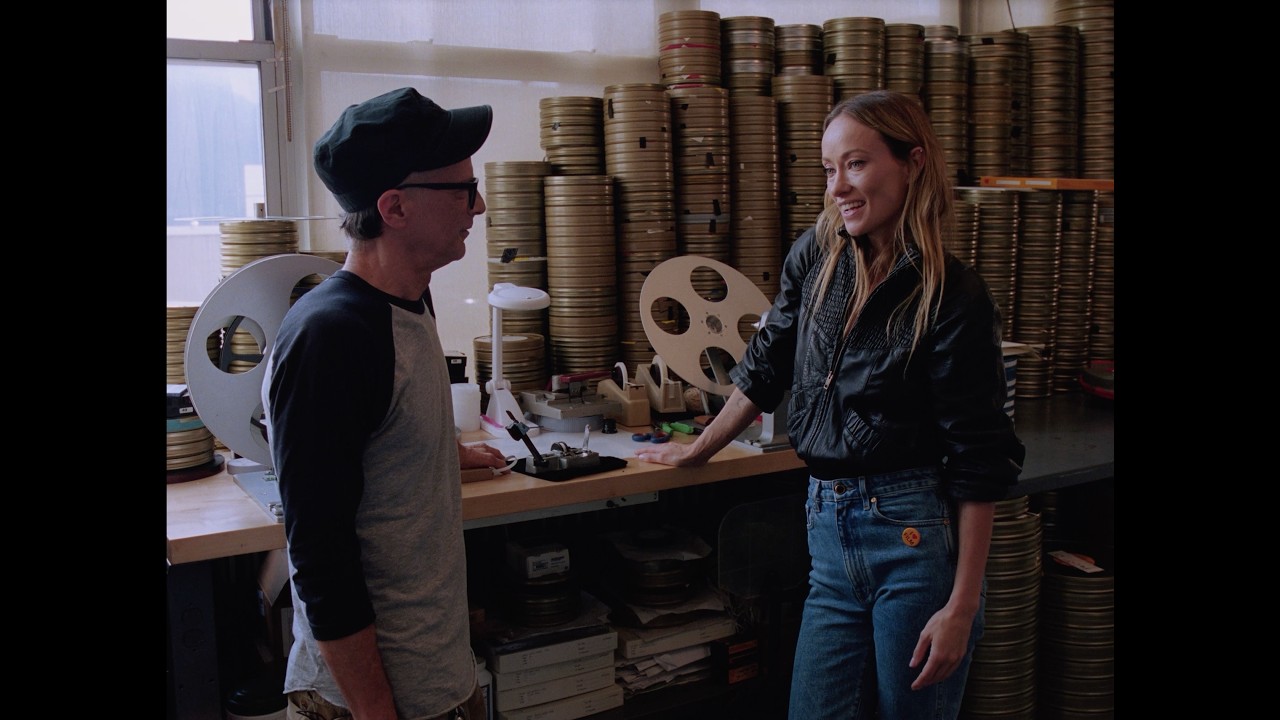
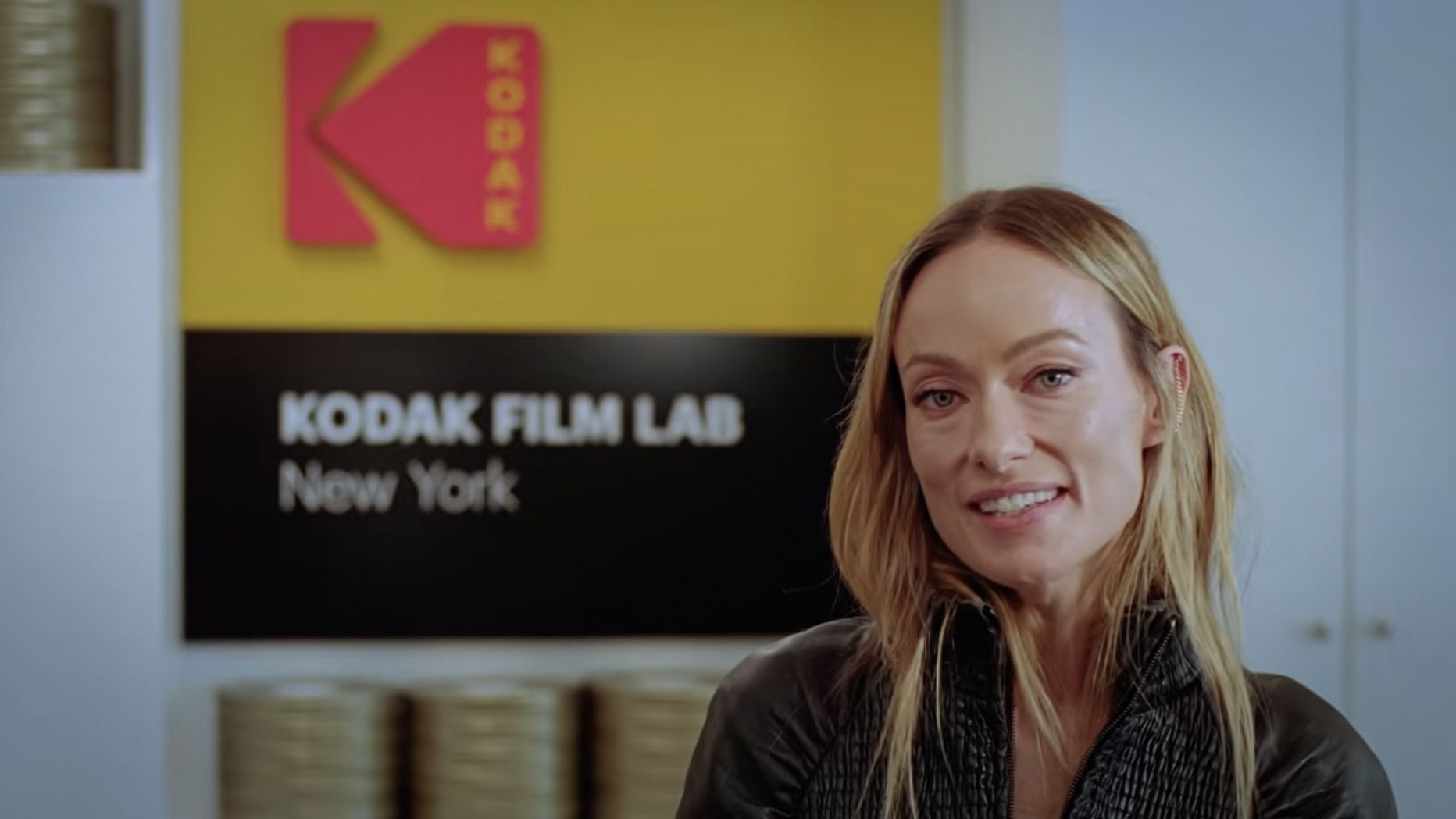
To many digital‑first photographers, this level of chemical involvement can look extreme. One writer who had never pressed the shutter on a film camera admitted having zero knowledge of how film is processed, preferring sensor‑driven cameras to the chemically messy business of film. Yet after watching a tour of Kodak’s New York film lab led by Olivia Wilde, they argued that all photographers, especially digital natives, should see it. What struck them was not nostalgia, but the bond film photographers develop with their craft: “It’s as much about being in the lab working with the materials and chemicals as it is taking the photo itself”.
That observation explains why custom film stock matters beyond the small circle of darkroom obsessives. When you collaborate with chemists, design film emulsion chemistry, and adopt analog photography techniques like kitchen‑plate development, you are building that bond twice over—first with the image, and then with the material that records it. Digital editing in software can be intimate, but it rarely shows you how an image behaves at the molecular level. Watching emulsion peel because the room is too hot, composing for a missing anti‑halation layer even though you know it is technically a fault, or spending an hour washing fixer out of a print are acts of creative problem‑solving that tie vision to matter. You do not have to abandon sensors to value that. You only have to admit that some forms of control, and some kinds of connection, live where art and chemistry meet.