
From Windows to Mac: A Growing User Revolt
The Windows to Mac switch describes a rising trend in which long‑time Windows laptop users, tired of stagnant hardware designs, confusing product lineups, and frustrating software decisions, are abandoning familiar PCs in favor of MacBook Air and MacBook Pro models that promise better build quality, battery life, and a more coherent ecosystem. This is not a niche migration of tech enthusiasts; it’s a visible shift among everyday professionals who once dismissed Apple laptops as overpriced or inflexible, but now see them as the safer, saner choice in a PC market that feels increasingly hostile to users and dominated by short‑term fixes rather than long‑term innovation. What makes this moment different is that the switch is driven less by novelty than by disappointment. People are moving because Windows machines no longer earn their loyalty. The sense of betrayal is palpable in personal accounts: users who spent years defending the PC ecosystem now describe the Windows laptop market as a "nightmare" and admit they are researching how to uproot their workflows for macOS. This isn’t about fanboyism; it’s about survival in a market that appears to have lost the plot.

PC Shipment Decline and Market Consolidation: Apple Smells Opportunity
While PC shipment decline sounds like a dry industry statistic, it is the backdrop to today’s laptop user trends. According to IDC as cited by Notebookcheck, overall shipments are falling even as vendors raise prices, meaning buyers pay more for fewer machines. That pressure is intensified by a DRAM shortage that hits most Windows OEMs hard but hurts Apple less, because its buying power and supplier relationships give it priority access to memory. The outcome is clear: the broader PC market struggles, yet MacBook market share becomes easier to defend and expand. This is classic consolidation. Smaller brands get squeezed on supply and pricing, while giants like Apple, Dell, and Lenovo tighten their grip. Apple, in particular, looks comfortable: it can refine a focused MacBook line while PC rivals juggle dozens of models, each compromised by component constraints. The industry is signaling that the era of endless cheap Windows laptops is fading; what replaces it may be fewer, more expensive PCs and a MacBook positioned as the default premium option rather than the outsider.
Stagnant Windows Hardware vs Apple’s Focused Innovation
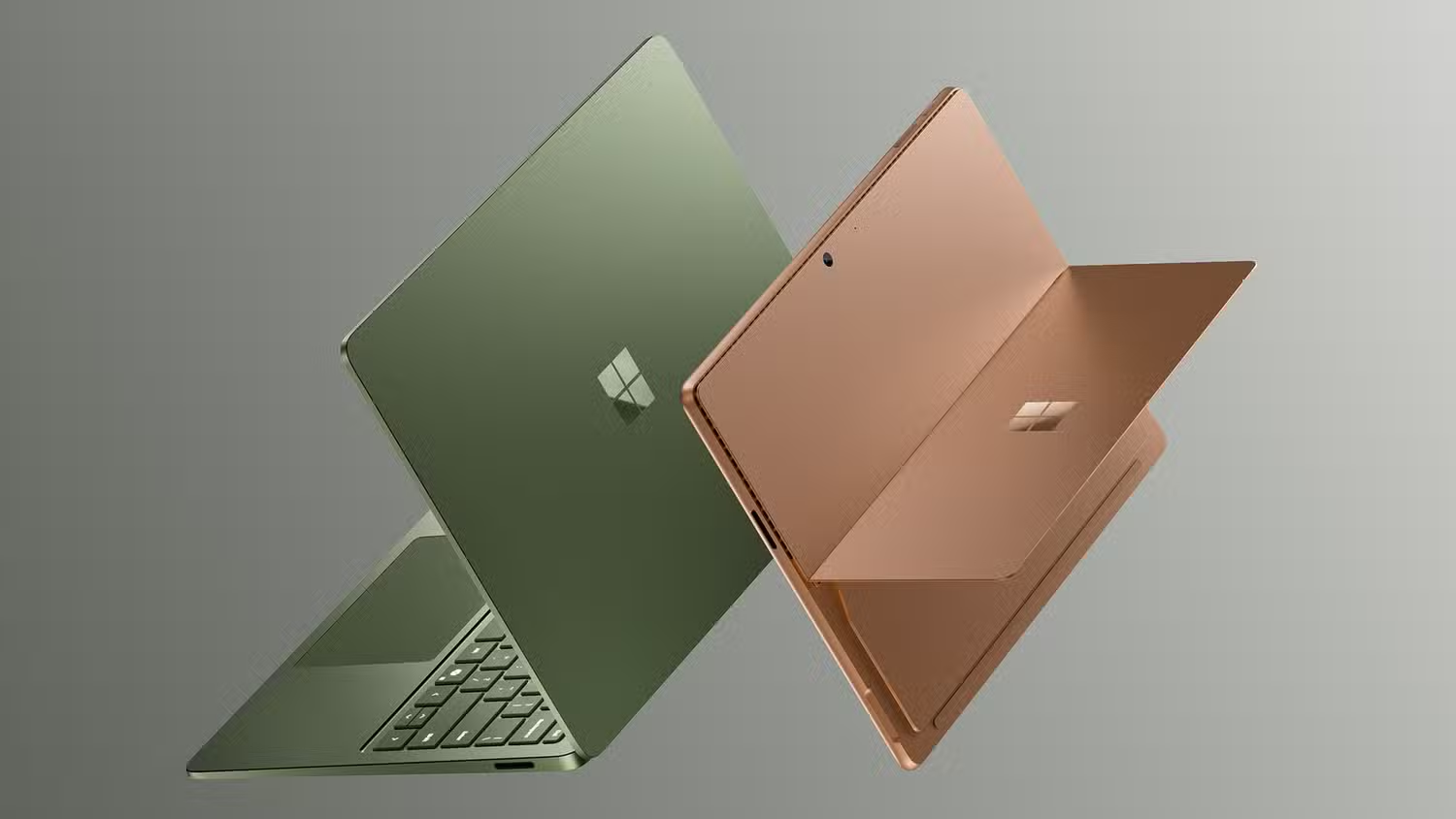
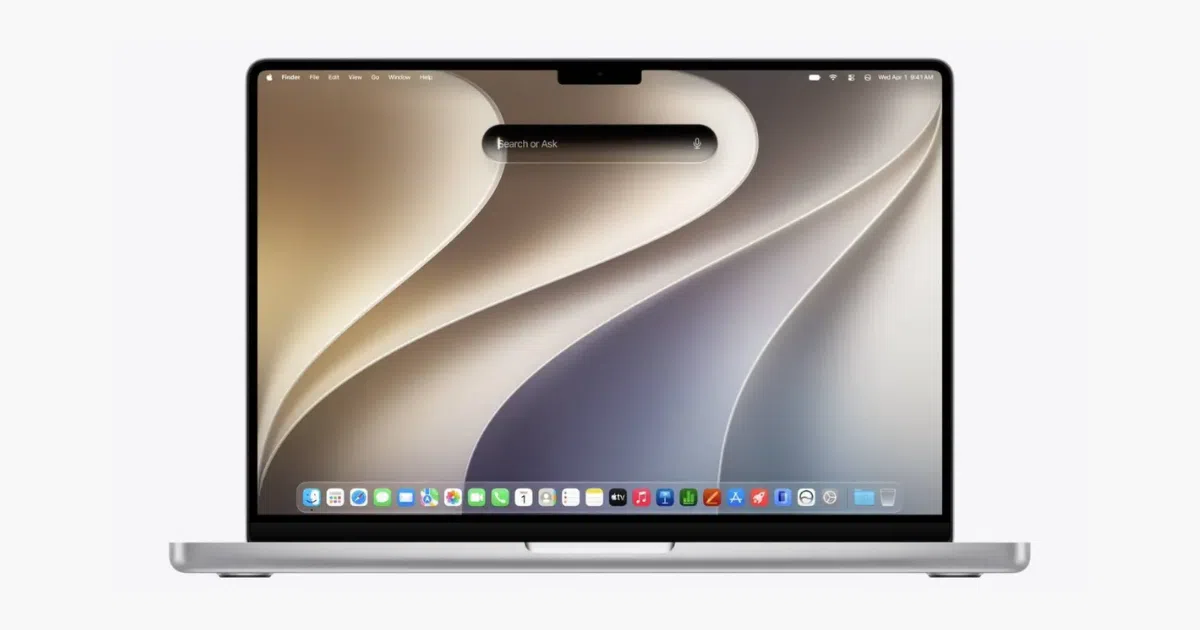
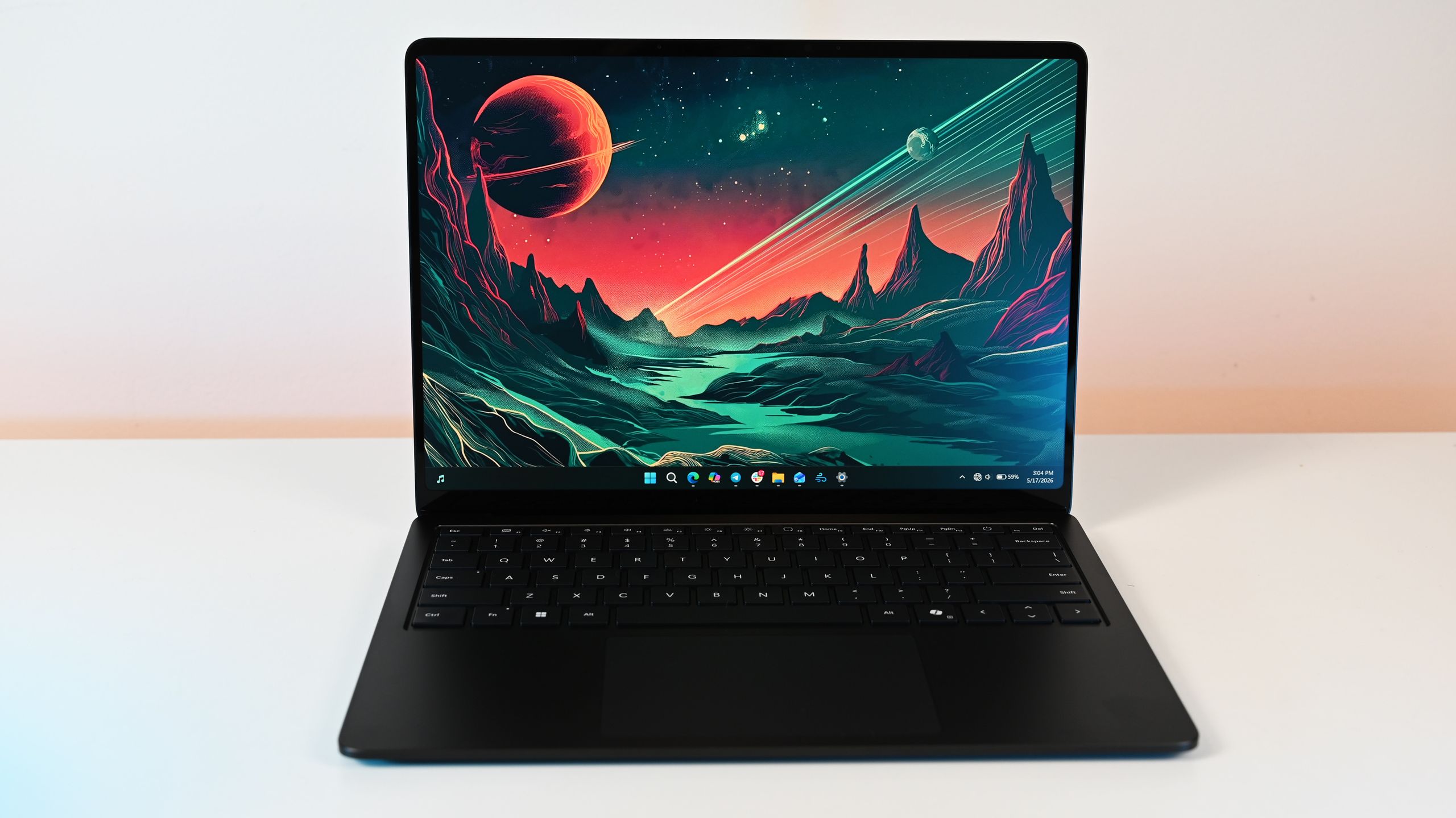
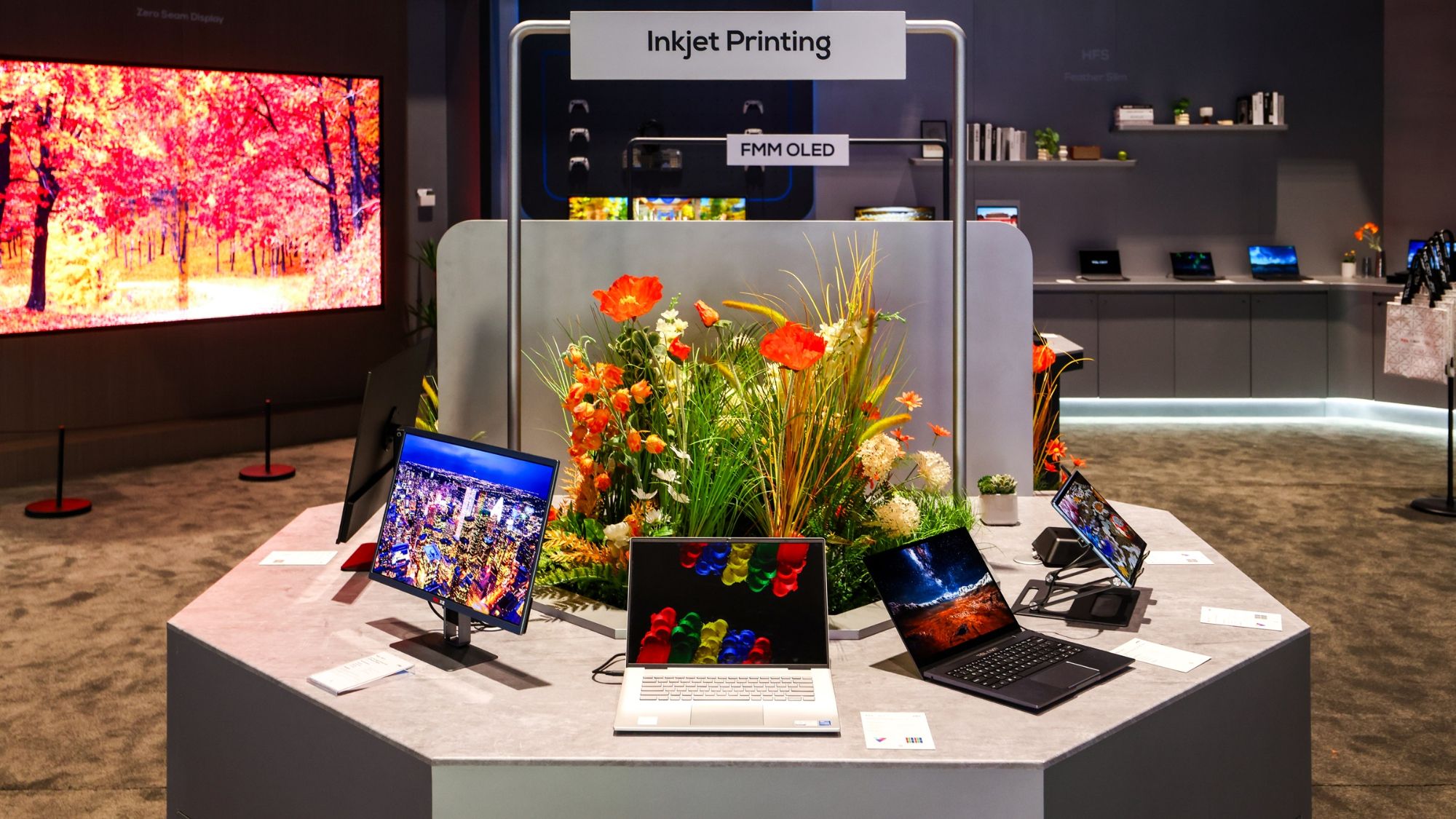
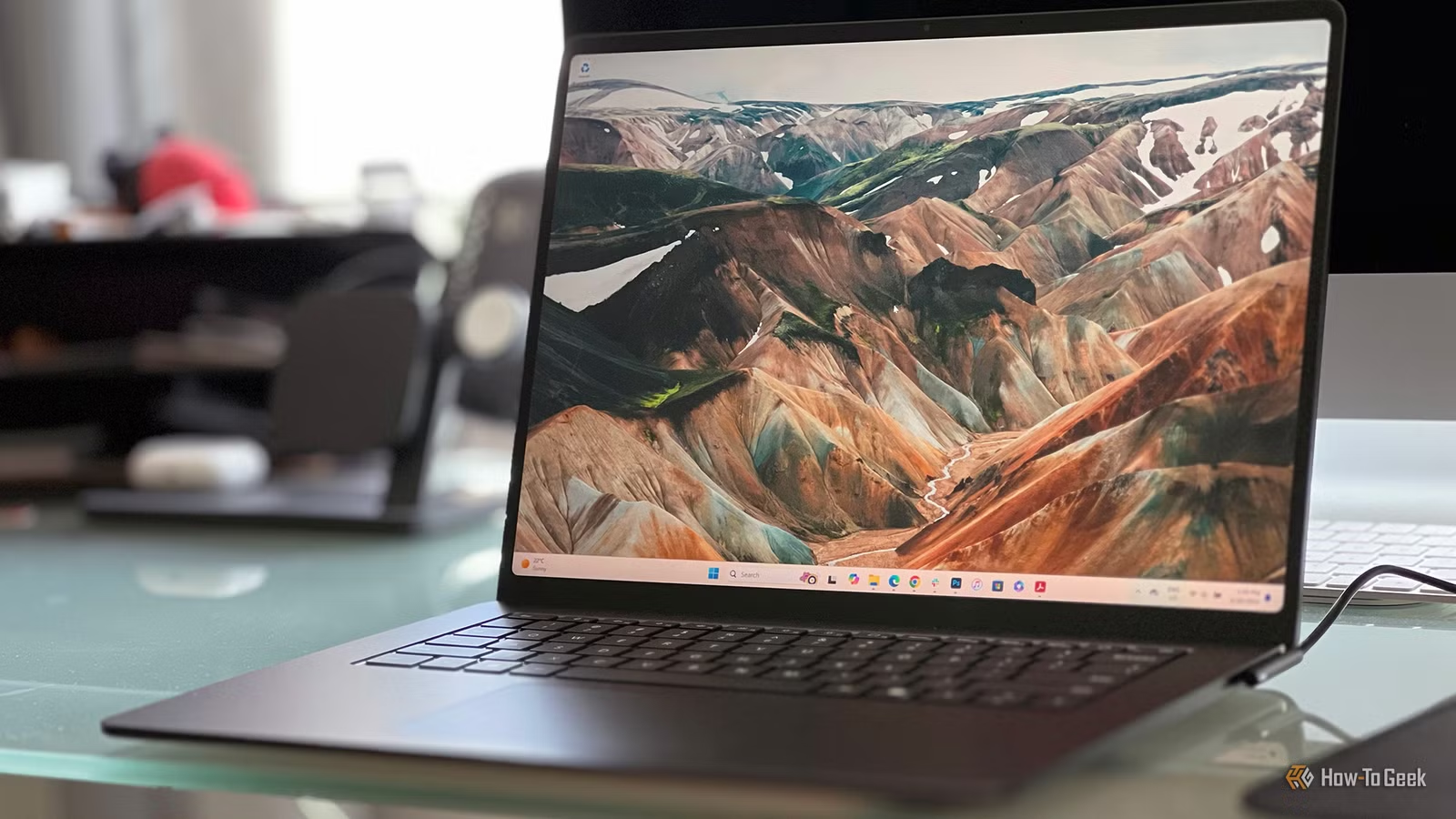
On paper, Windows laptops remain impressive. Snapdragon X systems deliver long battery life and fast performance, and brands like Asus and Lenovo still experiment with dual screens and clever convertibles. Yet many long‑term users feel stuck with machines that look and behave like minor refreshes of decade‑old ideas. The story of a Surface owner who switched to a MacBook Pro M4 captures this frustration: his Surface Laptop was solid, but "uninspired," locked into aging ports and designs, with ARM compatibility quirks and the same tired aesthetic Microsoft has stretched too far. The real problem isn’t specs; it’s direction. Windows hardware feels like variations on a theme, while Apple uses a stable chassis to push meaningful changes in software and integration. Features like Apple Intelligence, tuned image processing for video calls, and tight iPhone mirroring make the MacBook experience feel cohesive. Meanwhile, Windows users wrestle with Copilot tie‑ins, noisy content feeds, and surprise updates. Faced with this trade‑off, many professionals decide that a familiar clamshell MacBook that quietly gets better each cycle beats a Windows laptop that screams “new” but lives on old ideas.
A Chaotic Windows Laptop Market Driving Switchers to MacBook Air and Pro
The PC market’s current chaos is felt most sharply at the checkout page. Memory and storage prices inflate everything, turning once‑affordable Windows machines into expensive gambles. One self‑described anti‑Apple buyer, facing DRAM‑inflated prices, now calls the Windows laptop landscape a “living nightmare” and admits that a base M2 or M3 MacBook Air looks like the most reasonable value. When a former MacBook skeptic starts watching "best ways to transition to macbook from windows" videos, you know the tide is shifting. Ironically, there are solid Windows deals, from Snapdragon X models at USD 599.99 (approx. ₱33,600) to higher‑end Zenbooks at USD 1,599.99 (approx. ₱89,700). But these feel like rare exceptions in a fragmented ecosystem. Buyers must sift through dozens of overlapping series, confusing names, and hidden compromises. By contrast, Apple offers a narrow, clearly tiered lineup: Air for mainstream, Pro for power users. In a time of price shocks and uncertain quality, a simple choice with predictable performance and battery life is powerful enough to pull frustrated PC users across the aisle.
What This Shift Means for the Future of the PC Market
If the trend of users switching from Windows to Mac continues, the PC market will be shaped less by raw shipment numbers and more by who owns the premium tier. Professionals, creators, and serious students increasingly see MacBooks as the default "serious work" machines, while Windows laptops risk being pigeonholed as either budget stopgaps or niche experiments. That perception, fair or not, will influence where developers target their best apps and where accessories and services gravitate. The uncomfortable truth for the Windows ecosystem is that hardware innovation and software quality must improve together, not in isolation. Shipping one great Snapdragon laptop while injecting the OS with spammy feeds and clumsy AI is not a strategy that earns loyalty. Apple’s advantage is not perfection but consistency: MacBooks feel thoughtfully built and incrementally better, year after year. Unless PC makers and Microsoft can match that sense of direction, today’s wave of switchers may turn into a long‑term migration—and the premium laptop crown could settle on Apple’s head for a long time.