
Repairable Premium Laptops: Why It Suddenly Matters
Modern premium business laptops are increasingly designed for high laptop repairability, combining durable materials, modular internal components, and easier access to parts so professionals can fix specific failures instead of replacing whole machines, which cuts ownership costs over time and supports sustainable laptop design by extending device lifespans and reducing electronic waste from disposable hardware. That shift is especially visible in the latest business-focused ultrabooks, where repairability now sits alongside performance and battery life as a selling point for buyers who care about long-term value rather than short-term flash. The core takeaway: if you spend more on a business laptop today, you should expect not only speed and sleek design, but also the ability to keep it running for years through straightforward, targeted repairs instead of expensive upgrades or full replacements.
ThinkPad X1 Carbon Gen 14 Aura Edition: Repairability Goes Mainstream
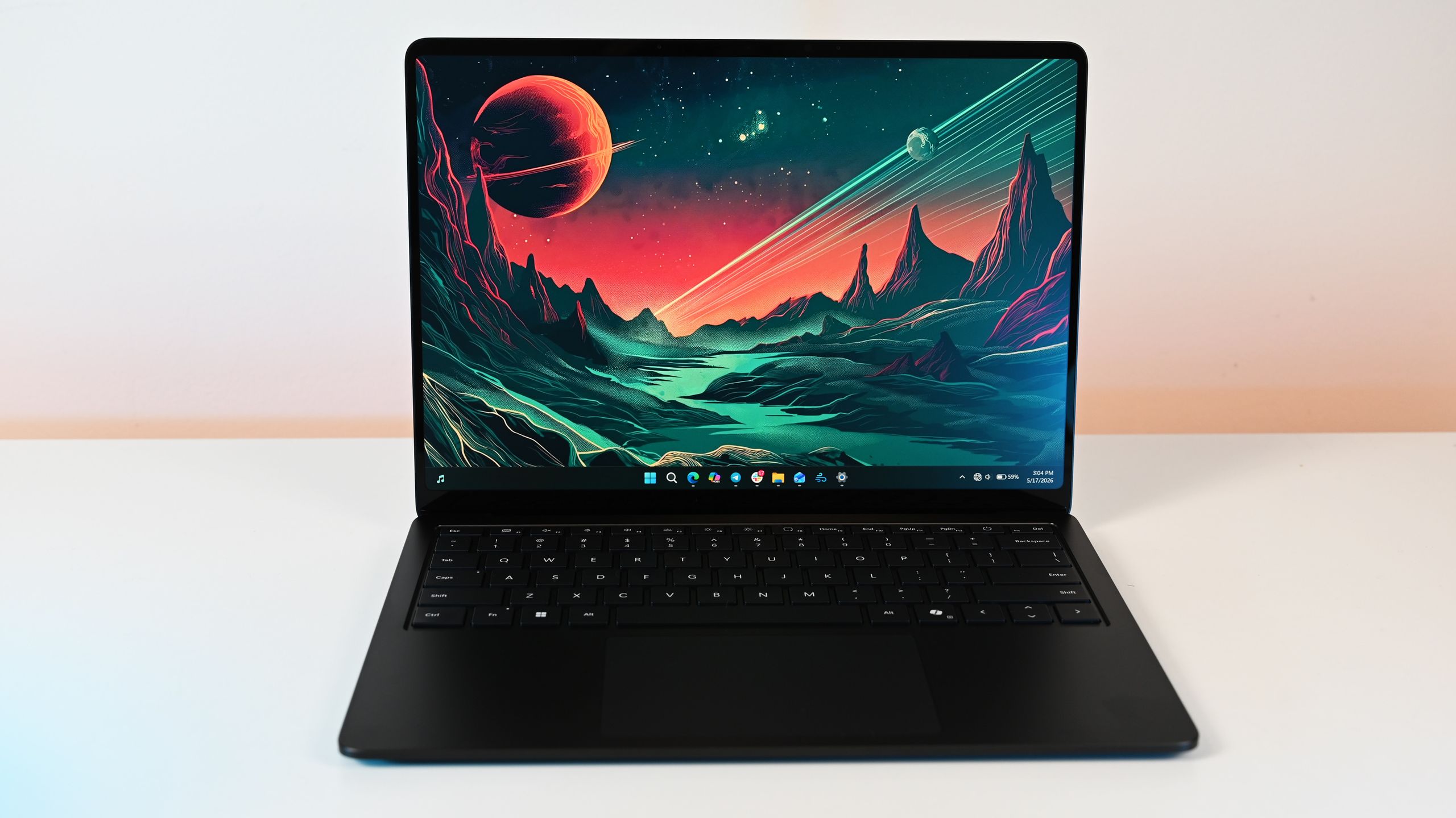
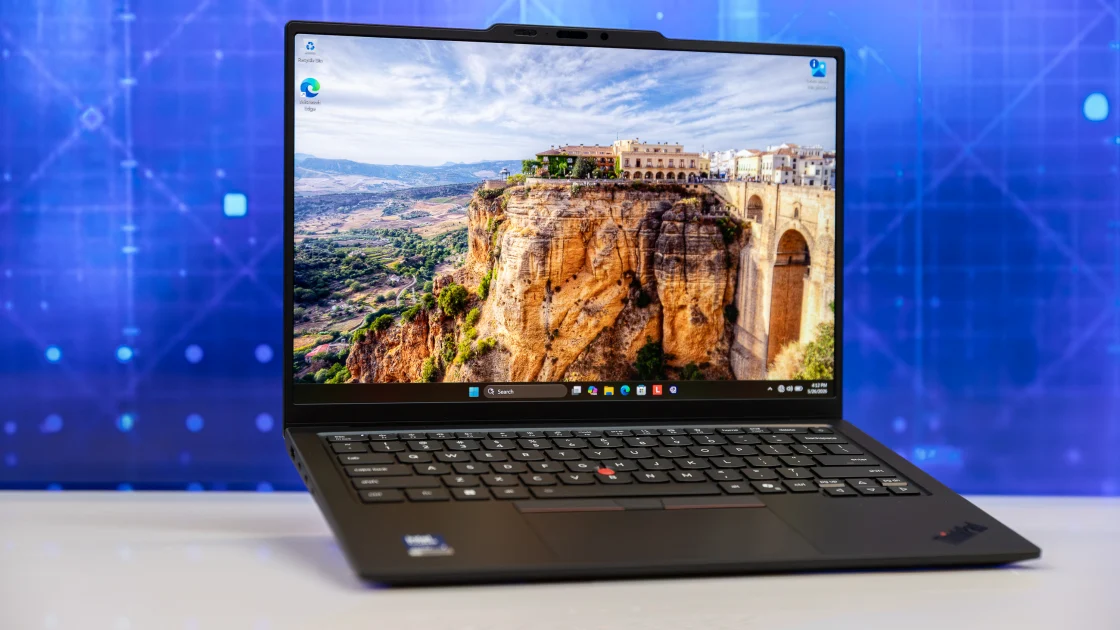
The ThinkPad X1 Carbon Gen 14 Aura Edition is the clearest sign that repairability has arrived in the mainstream premium business segment. Lenovo debuts a new “Space Frame” internal layout that frees more interior room for components and improves thermal performance, while enabling user repairability at a level not seen in ultraportable ThinkPads before. Instead of cramming everything onto a single motherboard, key components are mounted on a two-sided plate under the keyboard, cutting the circuit board footprint by 20% and opening room for modular parts. Getting inside the machine now means removing four bottom-panel screws for access, with the battery and other parts held by a few more screws. This is a deliberate rejection of sealed, disposable design: Lenovo’s modular speakers, battery, I/O port headers, and cooling fans can be individually removed and replaced, so a single failing part no longer forces a full-system swap.
Durability, Serviceability, and the Business Case for Sustainability
Repairability would mean little if these laptops could not survive daily use, and here the X1 Carbon Gen 14 Aura Edition shows how business laptop durability and serviceability reinforce each other. Its carbon-fiber chassis keeps weight low but still earns a MIL-STD 810H durability rating, despite a bit of flex under strong pressure. In practice, that means fewer catastrophic failures and more repairable wear-and-tear. The accessible interior is more than a technical curiosity; it is a direct cost saver. What used to be a long, complex keyboard or component replacement process is now a matter of minutes, and you no longer need to scrap or replace a full laptop for a minor issue. One quotable conclusion from the review is: “It’s a win for both sustainability and for office workers or IT managers since it’s easier to manage”. Longer lifespans, fewer replacement cycles, and lower service downtime add up to concrete financial and environmental gains.
How Repairable Design Lowers Ownership Costs
The financial logic behind repairable premium laptops is simple: the more components you can replace individually, the less you pay over the life of the device. Again, in the X1 Carbon Gen 14 Aura Edition, the battery, speakers, I/O port headers, cooling fans, and even the keyboard are screwed into the frame as discrete modules, so a single faulty part can be swapped without touching the rest of the system. Repair experts have given the new X1 Carbon a 9 out of 10 repairability score, reinforcing that this is not marketing fluff but a genuine design shift. In a world where many thin laptops are glued shut, professionals and IT departments now have an option that cuts labor time, reduces service complexity, and keeps devices in circulation longer. That means fewer emergency replacements, more predictable maintenance budgets, and a clear path to sustainable laptop design that does not compromise on performance or portability.
A New Differentiator in Premium Business Laptops
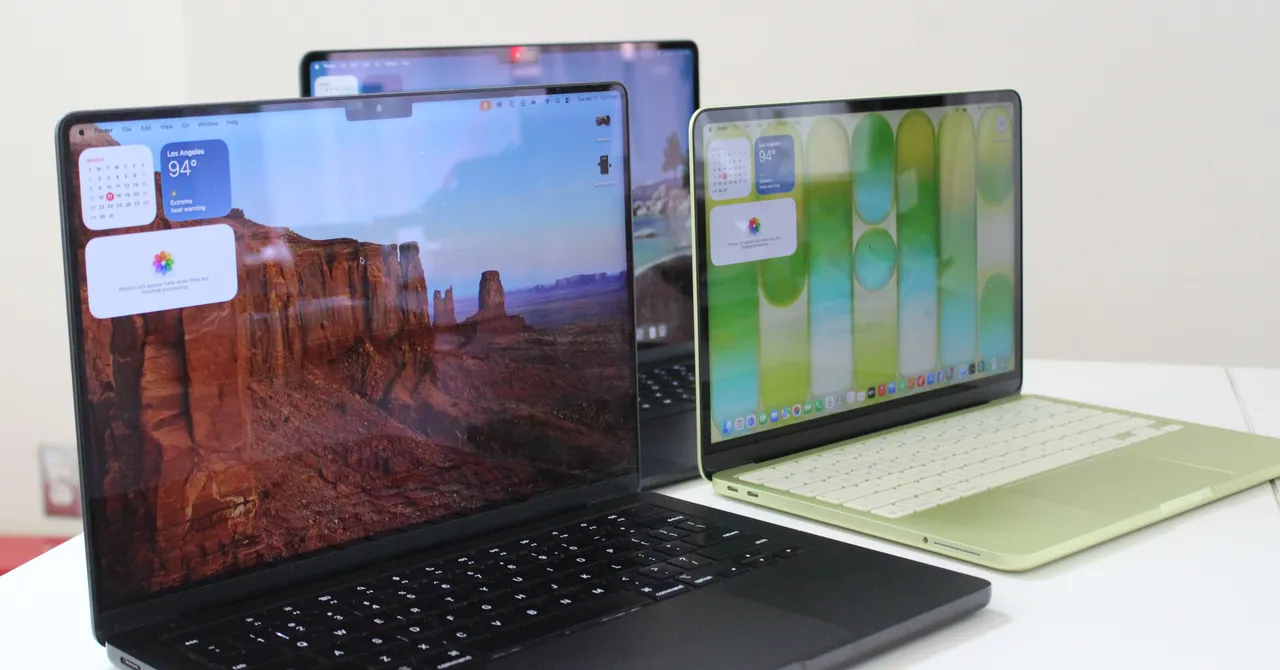
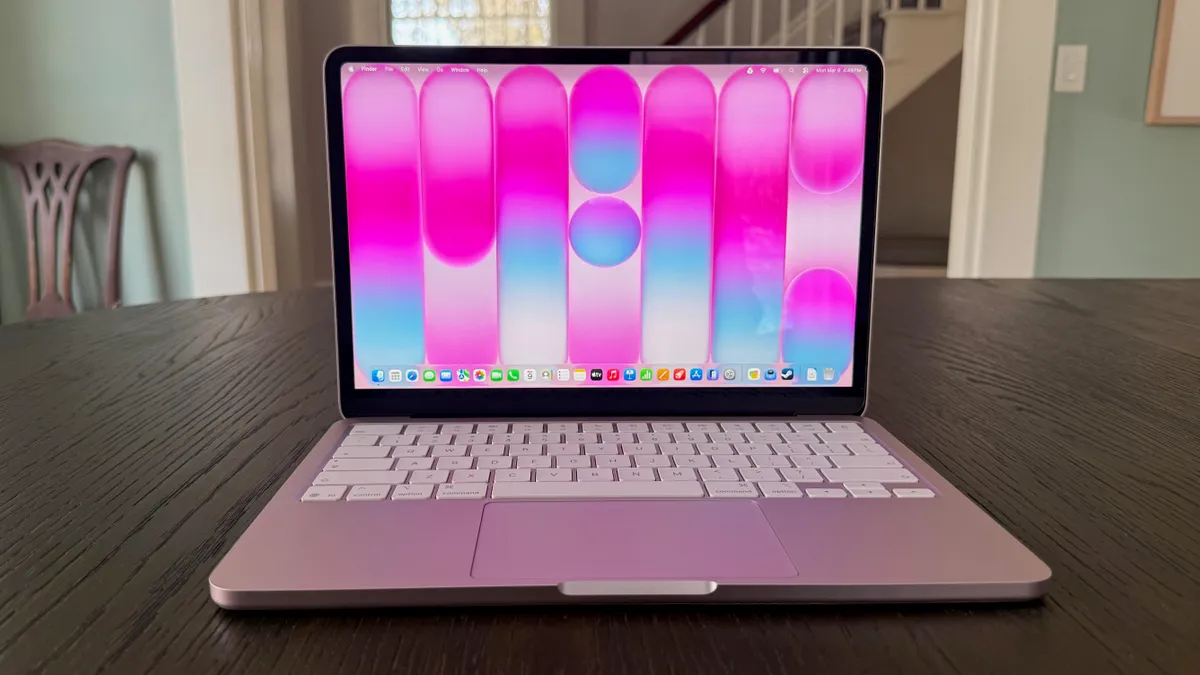
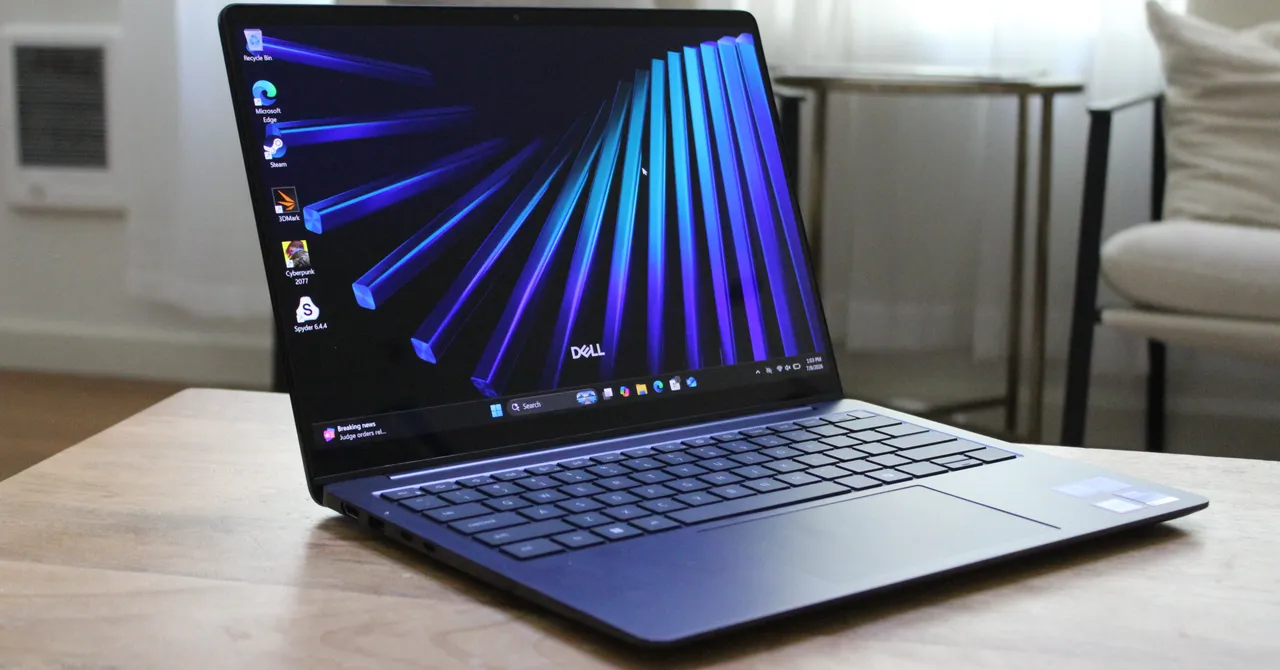
The premium business market is crowded with sleek machines that promise long battery life and powerful silicon. The Dell 14S, for example, offers Intel Core Ultra 7 355 configurations with 16GB of RAM and 512GB of storage at USD 1,469 (approx. ₱82,000), a price that sits USD 170 (approx. ₱9,500) above a 13‑inch MacBook Air and USD 30 (approx. ₱1,700) below the 15‑inch version. It also delivers impressive battery life thanks to newer Core Ultra chips and a practical mix of ports that many people will appreciate. But performance and ports are no longer enough to stand out. The X1 Carbon Gen 14 Aura Edition shows that repairability, modularity, and sustainable laptop design are becoming key differentiators. Inspired by modular upstarts like Framework, premium vendors are now judged not only on how fast their laptops run on day one, but on how maintainable they remain years later. For professionals, that shift might be the single most wallet-friendly feature of this new generation.