
What Snapdragon X2 Changes in the Intel vs AMD Comparison
Snapdragon X2 performance refers to how Qualcomm’s latest ARM-based laptop processors stack up against modern Intel and AMD x86 chips in real applications, from gaming and graphics to business workloads and Windows ARM laptops running professional software. In plain terms, it is about whether Snapdragon X2 devices can now stand beside, or replace, familiar Intel and AMD machines for everyday work and play.
If you spend most of your day in Office, browsers, and video calls, Snapdragon X2 laptops have matured into serious contenders. Microsoft’s new Surface Laptop 8 for Business and Surface Pro 12 for Business now ship with Snapdragon X2 Plus or Elite chips and Windows 11 Pro, taking ARM into the enterprise space. At the same time, Intel Panther Lake and AMD Ryzen AI machines still deliver strong performance, especially for heavy 3D work and some games. The choice is less about raw speed and more about which ecosystem fits your software, management needs, and preferred form factor.
Processor Benchmarks: Snapdragon X2 vs Intel Panther Lake and AMD
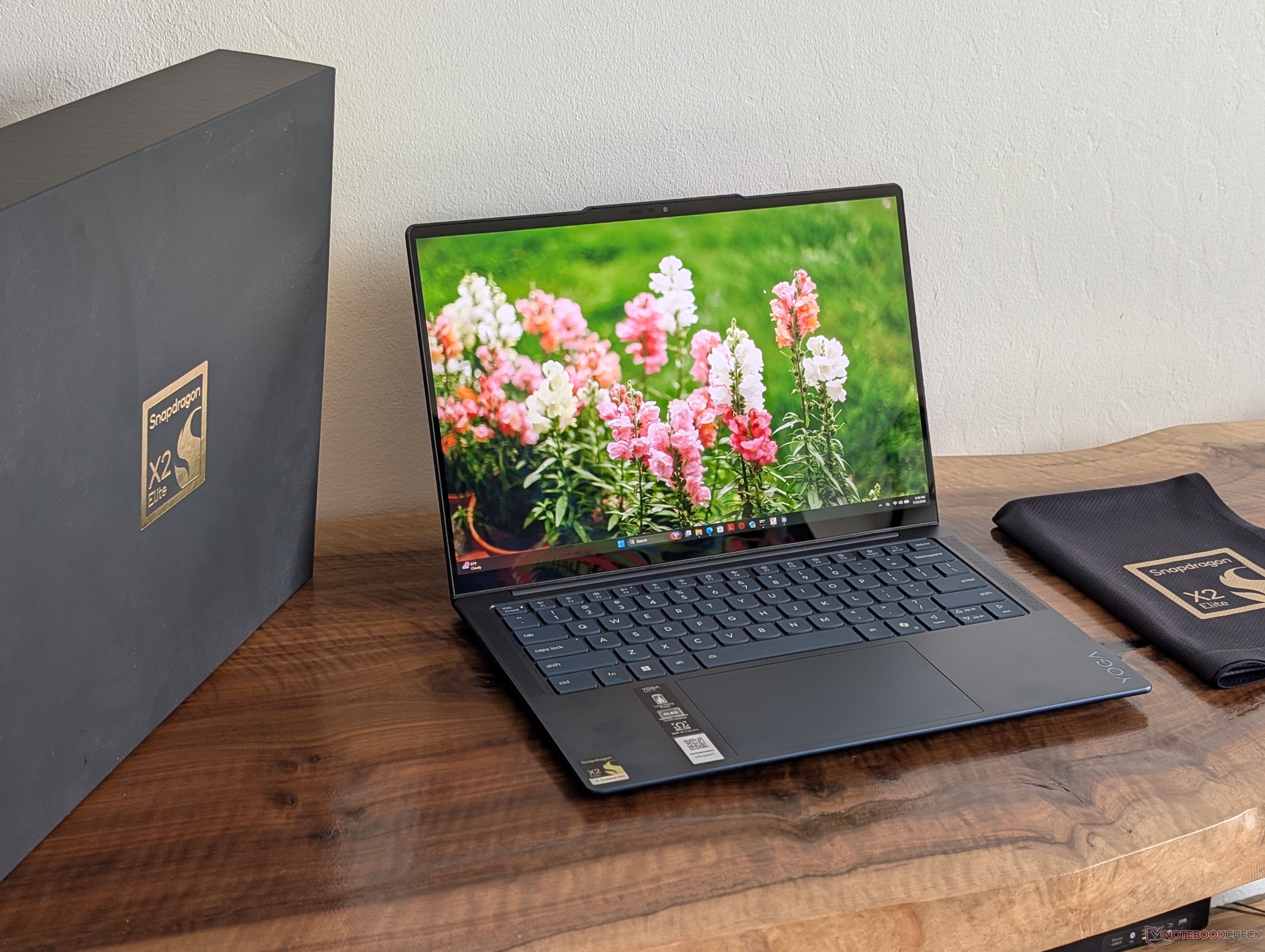
To ground the Snapdragon X2 performance story, look at a demanding game like Baldur’s Gate 3 at 1080p. An Intel Core Ultra X7 358H laptop with Panther Lake graphics hits 69.4 fps on the Low preset, while a Snapdragon X2 Elite Extreme system delivers 60 fps in the same test. That gap shows Intel still leads for raw gaming frames, but ARM is no longer an afterthought. Mid‑tier Snapdragon X2 machines such as the Surface Pro 13 OLED and Surface Laptop 8 trail further at 39.4 fps and 34.2 fps respectively on Low, highlighting how much the specific X2 tier (Elite vs Plus) matters.
As you move up to Medium and High presets, the pattern repeats: the Intel Panther Lake system stays ahead, but Snapdragon X2 Elite in premium ultrabooks remains within striking distance, while X2 Plus models drop into the low‑20 fps range at High settings. A quotable way to frame it is: “In Baldur’s Gate 3 at 1080p, Snapdragon X2 Elite laptops can come within roughly 10–20 fps of an Intel Panther Lake machine, but X2 Plus designs fall much further behind.” For gaming‑heavy buyers, these processor benchmarks still favor Intel and high‑end AMD GPUs, but for mixed workloads, X2’s gains are significant.
| Spec / Test (Baldur’s Gate 3, 1080p) | Snapdragon X2 (examples) | Intel / AMD (examples) |
|---|---|---|
| Low preset fps | Snapdragon X2 Elite Extreme: 60 fps; Surface Pro 13 OLED (X2 Elite): 39.4 fps; Surface Laptop 8 (X2 Plus): 34.2 fps | Intel Core Ultra X7 358H (Panther Lake): 69.4 fps; Ryzen AI 9 HX 370 listed but no fps figure |
| Medium preset fps | Snapdragon X2 Elite Extreme: 49.1 fps; other X2 Elite systems: 40–44.3 fps; Surface Laptop 8 (X2 Plus): 25 fps | Intel Core Ultra X7 358H: 58.5 fps |
| High preset fps | Snapdragon X2 Elite Extreme: 43.4 fps; other X2 Elite systems: 35.5–38.2 fps; Surface Laptop 8 (X2 Plus): 21.6 fps | Intel Core Ultra X7 358H: 52.6 fps |
| Graphics vs first‑gen Snapdragon X | Surface Pro 12 for Business with Snapdragon X2 delivers better graphics performance than first‑gen Snapdragon X | Not directly comparable in source; Intel and AMD remain reference x86 baselines |
| Architecture focus | ARM‑based Windows ARM laptops with Adreno X2 graphics | x86‑based Intel Panther Lake iGPU and AMD Radeon graphics |
Windows ARM Laptops for Business: Surface Laptop 8 and Pro 12
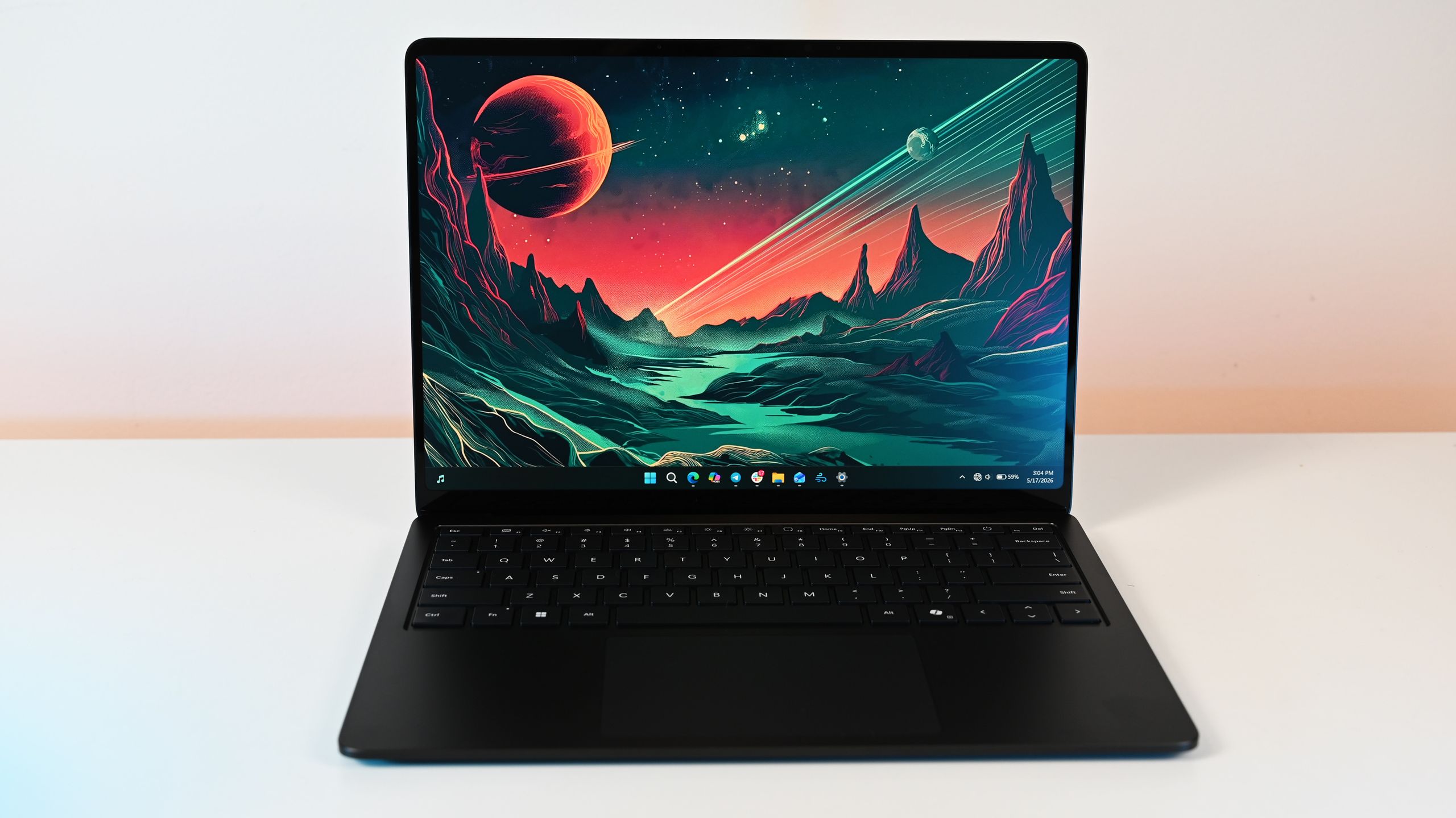
Windows ARM laptops are no longer limited to consumer experiments. Microsoft now offers the Surface Laptop 8 for Business with Snapdragon X2 Plus or Elite chips and the Surface Pro 12 for Business with Snapdragon X2, both pre‑loaded with Windows 11 Pro or Enterprise. These machines bring features like tenant pre‑registration with Windows Autopilot, DFCI cloud management, and native domain onboarding paths during setup, making them easier to manage at scale for IT departments. In other words, ARM machines can now sit alongside Intel and AMD fleets under the same enterprise policies.
Hardware‑wise, the Surface Laptop 8 for Business adds a built‑in privacy screen that can obscure content for side‑viewers, plus a haptic trackpad that adds tactile feedback to Windows interactions. However, many enterprise‑only extras—like the management portal and advanced exchange—are overkill for individual buyers, and the Snapdragon X2 Pro model lacks 5G, which is only available on the Intel variant of the Surface Pro 12. If you are an IT lead standardizing on Windows ARM, these laptops now feel like serious, secure options. If you are a solo buyer, the privacy screen is the one standout feature you might notice day‑to‑day.
Shared Weaknesses and Who Each Platform Suits
Despite Snapdragon X2’s clear jump in graphics over the first generation, ARM laptops and their Intel and AMD rivals share some weaknesses. Most enterprise‑grade Surface for Business features—such as DFCI, Autopilot pre‑registration, and advanced exchange warranties—are wasted on many general users; the privacy screen is the rare extra that a typical buyer might value. Meanwhile, even with Windows ARM gaining ground, some specialized or legacy x86 software still runs best on traditional Intel and AMD laptops, especially when paired with strong integrated or dedicated GPUs.
The practical takeaway: choose Snapdragon X2 if you want quiet, efficient Windows ARM laptops that now hold their own in many benchmarks and bring enterprise‑friendly tools. Stay with Intel Panther Lake or AMD Ryzen AI systems if you live in complex 3D apps, need maximum gaming performance, or depend on every last corner‑case x86 program. According to one benchmark source, “Surface Laptop 8 with Snapdragon X2 Plus can fall to around 21.6 fps at 1080p High in Baldur’s Gate 3, while an Intel Panther Lake laptop reaches 52.6 fps in the same test,” underscoring how gamers still benefit from x86 muscle.
Buy if / Skip if
- Buy the Snapdragon X2 laptop if you want a Windows ARM laptop with enterprise features like Windows 11 Pro, Autopilot pre‑registration, and DFCI management tools already in place.
- Skip the Snapdragon X2 laptop if your priority is the highest gaming frame rates in demanding titles such as Baldur’s Gate 3, where Intel Panther Lake still delivers higher fps in every tested preset.
- Buy the Surface Laptop 8 for Business with Snapdragon X2 if you value an integrated privacy screen and a haptic trackpad as everyday quality‑of‑life upgrades.
- Skip the Surface Laptop 8 for Business with Snapdragon X2 if you are a general consumer who does not need Windows 11 Pro, cloud management, or corporate onboarding tools, since most business‑only features will go unused.
- Buy the Surface Pro 12 for Business with Snapdragon X2 if you want a 2‑in‑1 form factor that now offers better graphics than first‑gen Snapdragon X models for visual workloads.
- Skip the Surface Pro 12 with Snapdragon X2 if integrated 5G is essential, because 5G connectivity is only available on the Intel version of the device.
- Buy the Intel or AMD laptop if you rely on heavy 3D, advanced games, or niche x86 software where existing processor benchmarks still favor traditional x86 architectures.