
Inkjet-Printed OLED: The First Real Break in Gaming Laptop Screens in Years
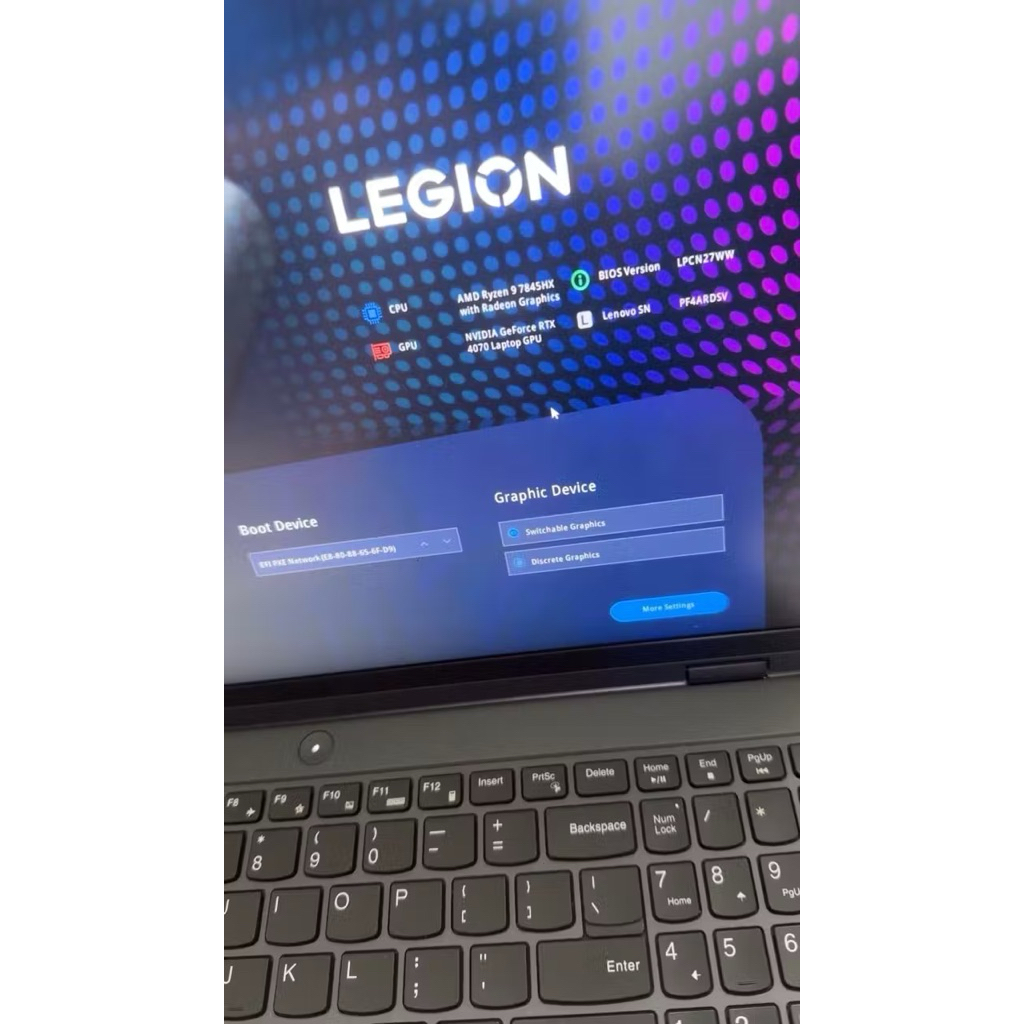
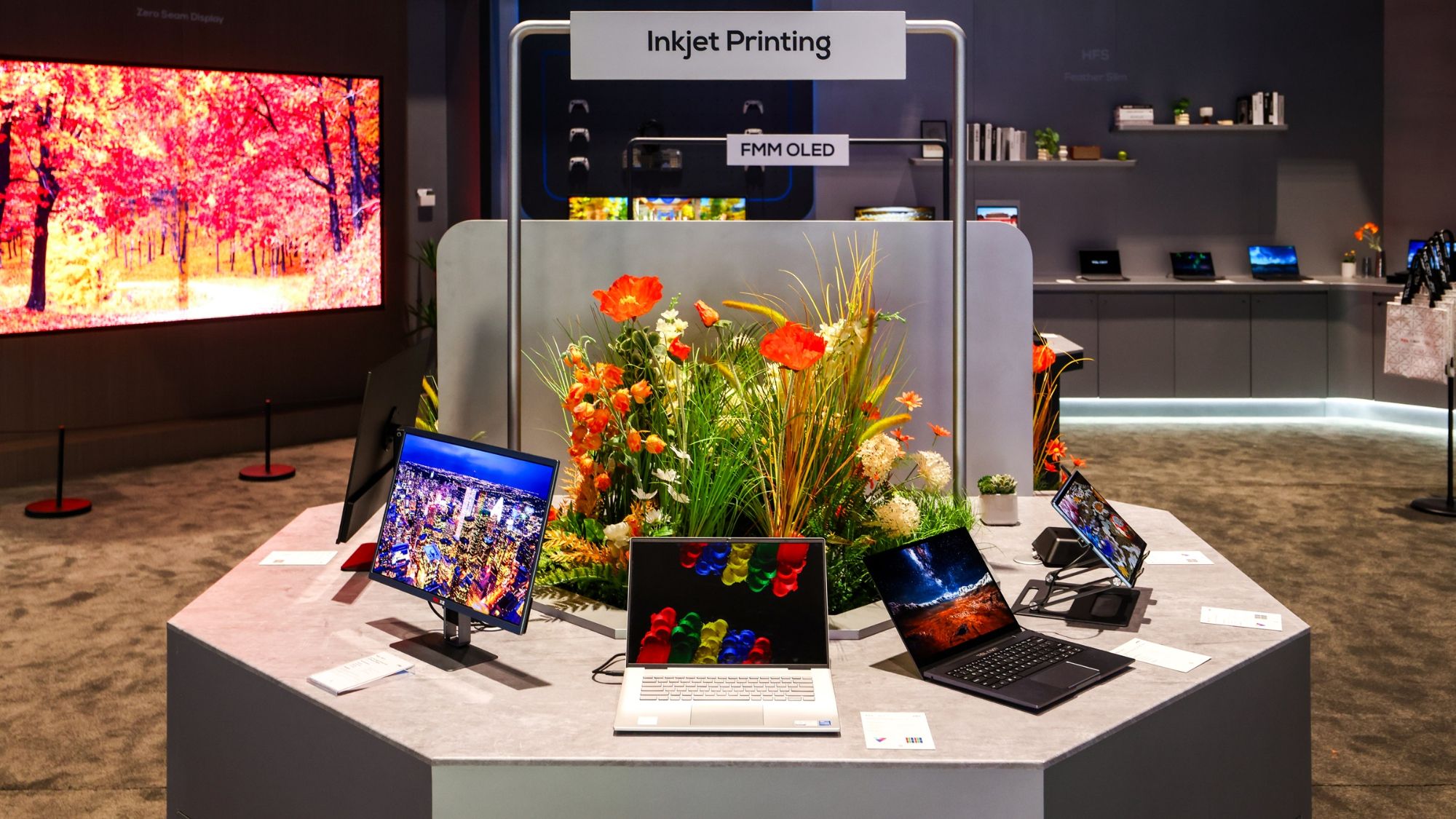
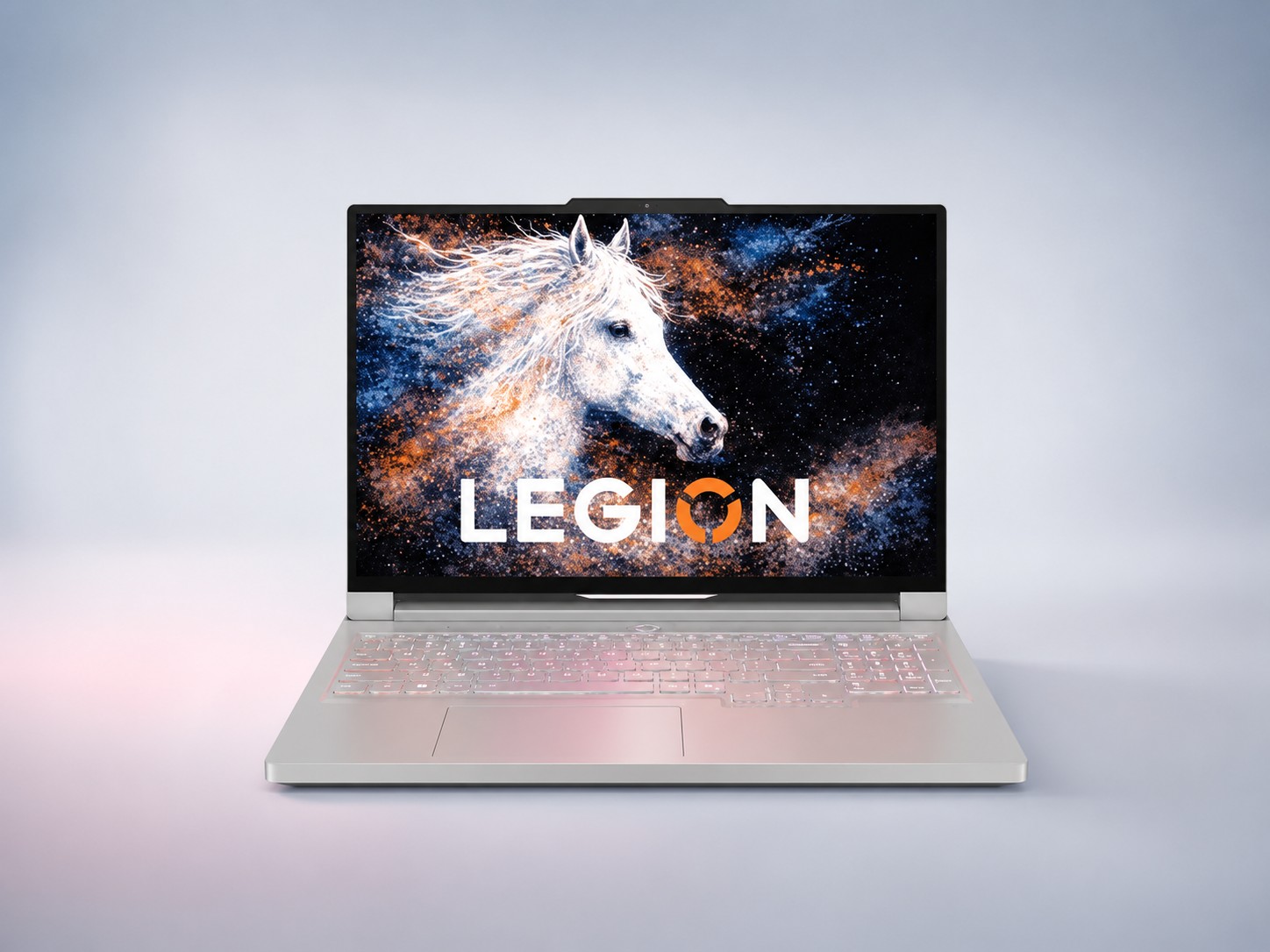
Inkjet-printed OLED in gaming laptops is a manufacturing shift where organic light-emitting materials are deposited by inkjet nozzles instead of vacuum thermal evaporation, promising cheaper, faster production of high-refresh, high-contrast displays tailored for gamers and power users. Gaming laptop OLED panels have been special-occasion hardware—gorgeous but expensive and rare in mainstream configs. That balance is about to change. Lenovo’s new Legion R9000P is the first gaming laptop to use an inkjet-printed OLED display from TCL CSOT, pairing a 16-inch panel with a 240Hz refresh rate and more than 99% DCI-P3 coverage. At the same time, MSI has brought a 27-inch inkjet-printed OLED monitor to market. Inkjet is not just a panel spec; it is a new production line, and that is why it matters more than any single model announcement.
Why 240Hz Inkjet OLED Is Bigger Than Another Spec Bump
The Legion R9000P is not the first 240Hz gaming laptop OLED panel, but it is the first to reach that speed using inkjet-printed OLED. That distinction changes the economics. Traditional OLED laptop panels rely on vacuum thermal evaporation, an equipment-heavy process that limits yield and keeps prices high. Inkjet printing can speed up production while reducing manufacturing costs and simplifying the process. One verifiable statement here is: “The biggest advantage that IJP OLED displays have over the traditional vacuum thermal evaporation method is that it’s cheaper and simpler to produce, resulting in higher yields”. Lenovo itself frames this as the first laptop to commercialize TCL CSOT’s inkjet tech. If yields increase, 240Hz gaming laptop screens stop being halo features and start becoming standard on mid- and upper-tier machines, with competitive pricing instead of luxury markups.
What Gamers Gain: Better Motion, Better Color, Less Compromise
For players, the appeal of a gaming laptop OLED panel is obvious: near-instant pixel response, perfect blacks, and color accuracy that LCDs struggle to match. The Legion R9000P’s inkjet-printed OLED can hit 240Hz while covering more than 99% of the DCI-P3 color gamut, putting it in the same league as premium OLED gaming monitors that already deliver some of the best contrast and color experiences. TCL CSOT also claims improved brightness for these inkjet-printed panels, which matters in real life when a laptop moves from a dim room to a bright cafe or tournament stage. Lenovo is expected to use a true RGB stripe layout, which should reduce the color fringing common on some OLED subpixel arrangements and sharpen both text and images. In other words, this is not only about smoother high refresh rate gaming, but also about a screen that doubles as a serious content and daily-use display.
From Niche Tech to New Default: How Inkjet OLED Could Reshape the Market
Inkjet-printed OLED will only matter if it scales beyond a single 240Hz gaming laptop. TCL CSOT has been developing inkjet-printed OLED since 2024 and has already been mass-producing 5.5-generation inkjet panels, with construction of an 8.6-generation inkjet OLED line underway. This is the first time the tech is being mass-produced for consumer electronics, and the Legion R9000P is effectively the launch vehicle. If the process delivers on its promise, it should reduce the cost of the best OLED gaming monitors and eventually high-quality OLED TVs and even smartphones. One quotable outlook is: “If this technology catches on, it should reduce the cost of the best OLED gaming monitors”. For premium gaming laptops, this new manufacturing approach could spark a real price war, forcing brands to offer high refresh rate gaming displays—240Hz and beyond—without premium surcharges just for the screen.
The Bottom Line: Wait for the Wave, Not the First Splash
There are still unknowns: Lenovo has not disclosed pricing, and the Legion R9000P’s full configuration and availability details are yet to be announced. Early inkjet-printed OLED panels could also reveal quirks in uniformity, longevity, or firmware tuning once they hit reviewers’ labs. But as a direction, this is the most interesting thing to happen to gaming laptop displays in years. A gaming laptop OLED used to mean paying more for a niche panel. Inkjet printing aims to make that panel cheaper to build, brighter in mixed lighting, and easier to ship at scale. If you care about high refresh rate gaming, this is the moment to watch—not only for one flagship 240Hz gaming laptop, but for the coming generation where premium display quality stops being optional and starts being expected.