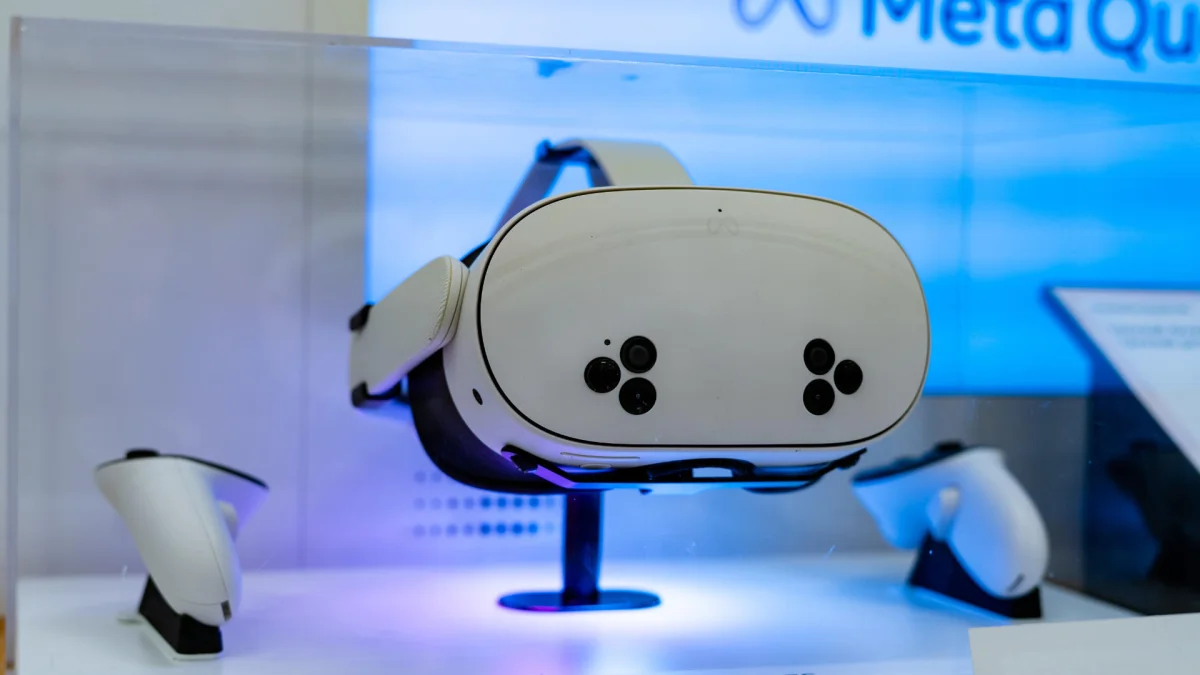

From subsidized fun to serious work: the VR pivot
VR market diversification describes the strategic shift by virtual reality hardware makers and platforms from a narrow focus on consumer gaming toward wider enterprise adoption, virtual reality healthcare training, and defense simulation technology, as companies search for more reliable revenue streams than hit-driven entertainment products. This pivot is changing how headsets are designed, funded and used, emphasizing professional training, therapy and simulation instead of only immersive games. The turning point was brutal and public. In mid-January, a Meta spokesperson announced that the company was cutting metaverse spending, pivoting toward wearable devices like smart glasses and laying off around 1,500 people in Reality Labs, including many in VR gaming. The message to the industry was harsh: the era of easy, subsidized money for VR games is over. Reality Labs has piled up about 73 billion dollars in losses since 2020, and the "radical cut" is, as insiders admit, driven by those numbers and Meta’s belief that generative AI is a better bet than spatial computing.
Gaming’s funding crunch pushes creators toward B2B
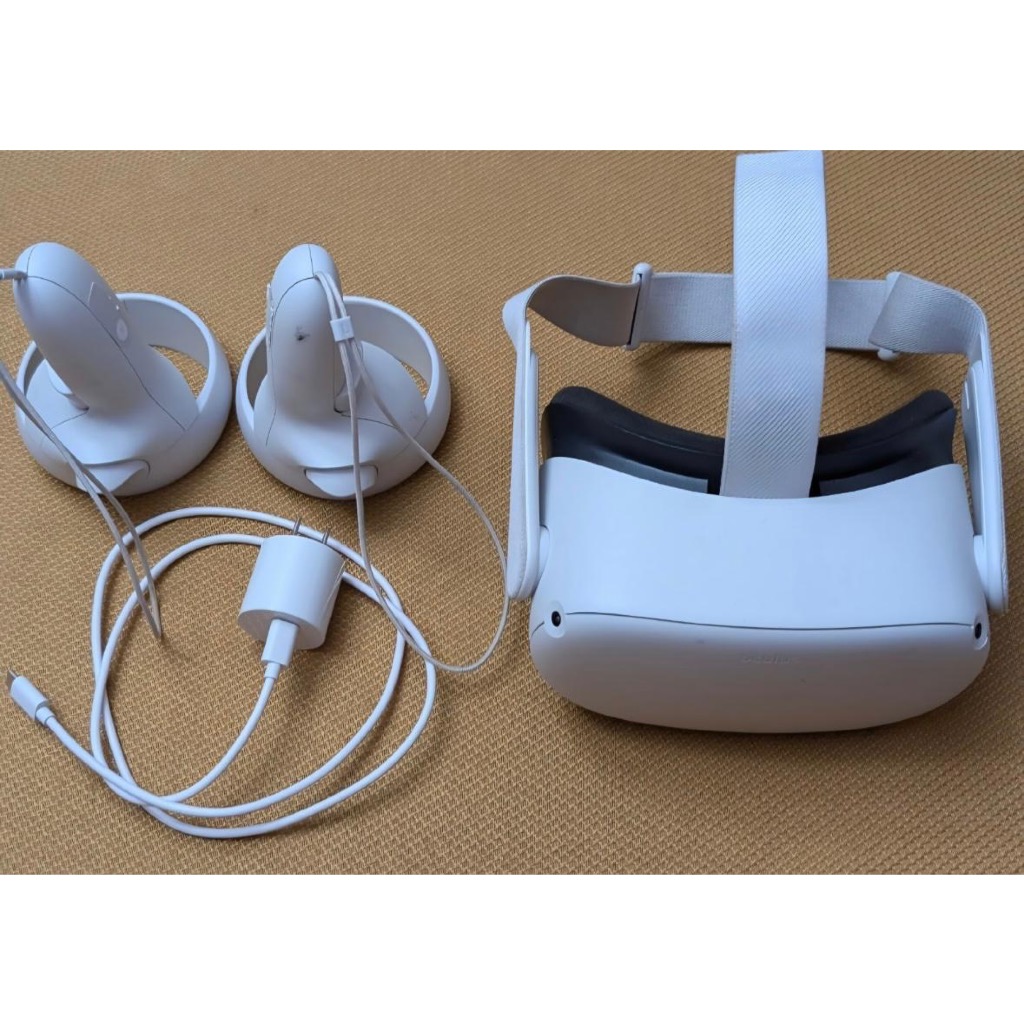
The immediate fallout from Meta’s retrenchment exposed how fragile the consumer VR gaming economy had become. Meta had sold over 20 million Quest 2 headsets during the pandemic boom, inflating expectations and encouraging studios to scale up on the assumption that platform subsidies would last. When Meta halted in-house game development, shuttered multiple studios, and cut funding and publishing support for external teams, hundreds of jobs disappeared and some companies closed outright. In March, one prominent VR studio announced 78 layoffs and the closure of two locations, while another major developer shifted focus to traditional screen-based titles, calling the VR market "challenging". For ordinary users, this has meant fewer ambitious titles and more casual fare. Anyone visiting Meta’s Horizon Store now finds mostly multiplayer and lightweight games aimed at younger players; the era of VR blockbusters is, for the moment, over. It is no surprise that creators and hardware makers are searching for steadier demand in non-gaming segments where budgets are tied to training, safety and performance rather than entertainment fads.
Virtuix and the rise of simulation-first business models
Among the clearest signs of VR enterprise adoption is the way companies like Virtuix now describe themselves. Founder and CEO Jan Goetgeluk pitches Virtuix as a provider of "AI-driven full-body simulation" built around the Omni omnidirectional treadmill, and he laid out a growth plan that deliberately spans consumer, defense, enterprise and healthcare markets during a recent investor presentation. That is VR market diversification in practice: one platform, many monetization paths. On the consumer side, Virtuix launched Omni One for Quest, compatible with Meta Quest 2 and Quest 3, tapping into an installed base of roughly 20 million Quest headsets and about 6 million active users. He positioned Omni One as a gaming system with fitness benefits where users can burn up to 700 calories per hour and one user reported losing 40 pounds in four months. The system is sold direct to consumers at about USD 2,500 (approx. ₱140,000) depending on the model, with financing options that can drop monthly payments to about USD 90 (approx. ₱5,000). That consumer line targets a 40% gross margin on hardware and recurring revenue from software and subscriptions. But crucially, Virtuix is no longer betting the company on gamers alone.
The defense market is framed as a major growth area, and here the story becomes more revealing. Goetgeluk describes the Omni platform as a way to give ground troops and infantry the kind of simulation training that pilots and vehicle operators have had for years. Virtuix is the lead integrator on a project with a Marine training command for a fire team virtual trainer, showing how defense simulation technology can turn physical treadmills and VR headsets into mission rehearsal tools. Through the SBIR process, Phase I funding may be modest, but success can lead to Phase II awards of USD 1 million to 2 million (approx. ₱56 million to ₱112 million) and potentially Phase III with "USD 100 million (approx. ₱5.6 billion) sole source status," over one to three years. Those timelines and contract sizes are a different universe from selling hit games in an app store. They illustrate why defense and enterprise buyers, with multi-year budgets and clear training needs, look far more attractive than fickle consumers chasing the next novelty.

Healthcare and enterprise: slow burns that justify the hardware
If defense provides the headline contracts, virtual reality healthcare training and broader enterprise use cases provide the long tail that makes headset fleets viable. Virtuix already has a strategic partnership with Sirica Therapeutics focused on autism therapy for children, using VR to teach life skills through guided experiences. It is also collaborating with Rutgers University and Florida Gulf Coast University on projects that explore autism therapy and stroke rehabilitation. Goetgeluk notes that there are around 4,000 to 5,000 ABA therapy centers that could use systems like Omni, though he sensibly describes healthcare as a longer-term play compared with the immediate focus on consumer and defense. These are careful bets, but they target needs that will not evaporate with the next entertainment trend. On the enterprise side, Virtuix points to a project with the University of Central Florida involving humanoid robot teleoperation using the Omni platform. The company uses AI-driven 3D reconstruction to build virtual replicas of real environments and cites potential applications from virtual tourism to industrial training, safety training, mission planning and law enforcement. Here, VR becomes infrastructure: a way for organizations to rehearse dangerous scenarios, train staff more safely, and experiment with robots without physical risk. Medical training, defense simulations, and corporate applications drive real hardware utilization, finally giving buyers a business case for investing in headsets beyond hoping employees will play more games at home.
A maturing industry moves beyond the metaverse dream
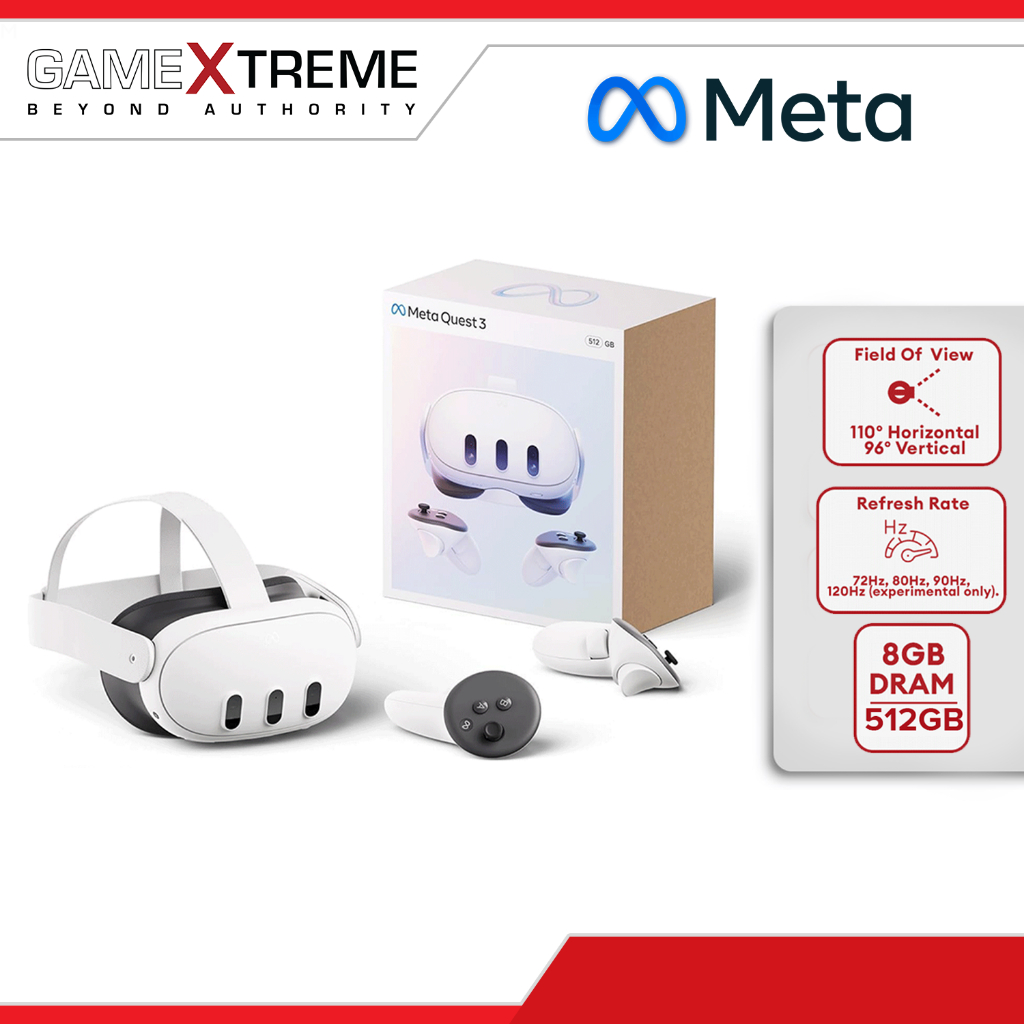
The broader XR landscape is quietly maturing. Growth in the market is now driven by smart glasses, which is where most of Meta’s Reality Labs budget is headed. Internally, a compact XR glasses project for entertainment, reportedly codenamed "Project Phoenix," is in development, and many in the industry consider a Meta Quest 4 realistic in the near future. Meta will be a more passive platform operator from here on, leaving the gaming spotlight to others. That is healthy: an ecosystem dominated by one giant’s subsidies was never stable, and the current shakeout is forcing VR firms to build products that stand on their own economics. For ordinary users, this transition will feel mixed. Fewer lavish, subsidized games are likely. But headsets that survive will be those that earn their keep in workplaces, clinics and training centers. Defense simulation technology, virtual reality healthcare training, and mixed sets of industrial and law enforcement scenarios are reshaping expectations around VR enterprise adoption. The industry’s pivot away from a metaverse fantasy toward practical professional applications is not a retreat; it is a sign of adulthood. VR is learning that its future depends less on chasing the next blockbuster and more on helping people do hard, real-world work better.