

Winning starts with story, not with specs
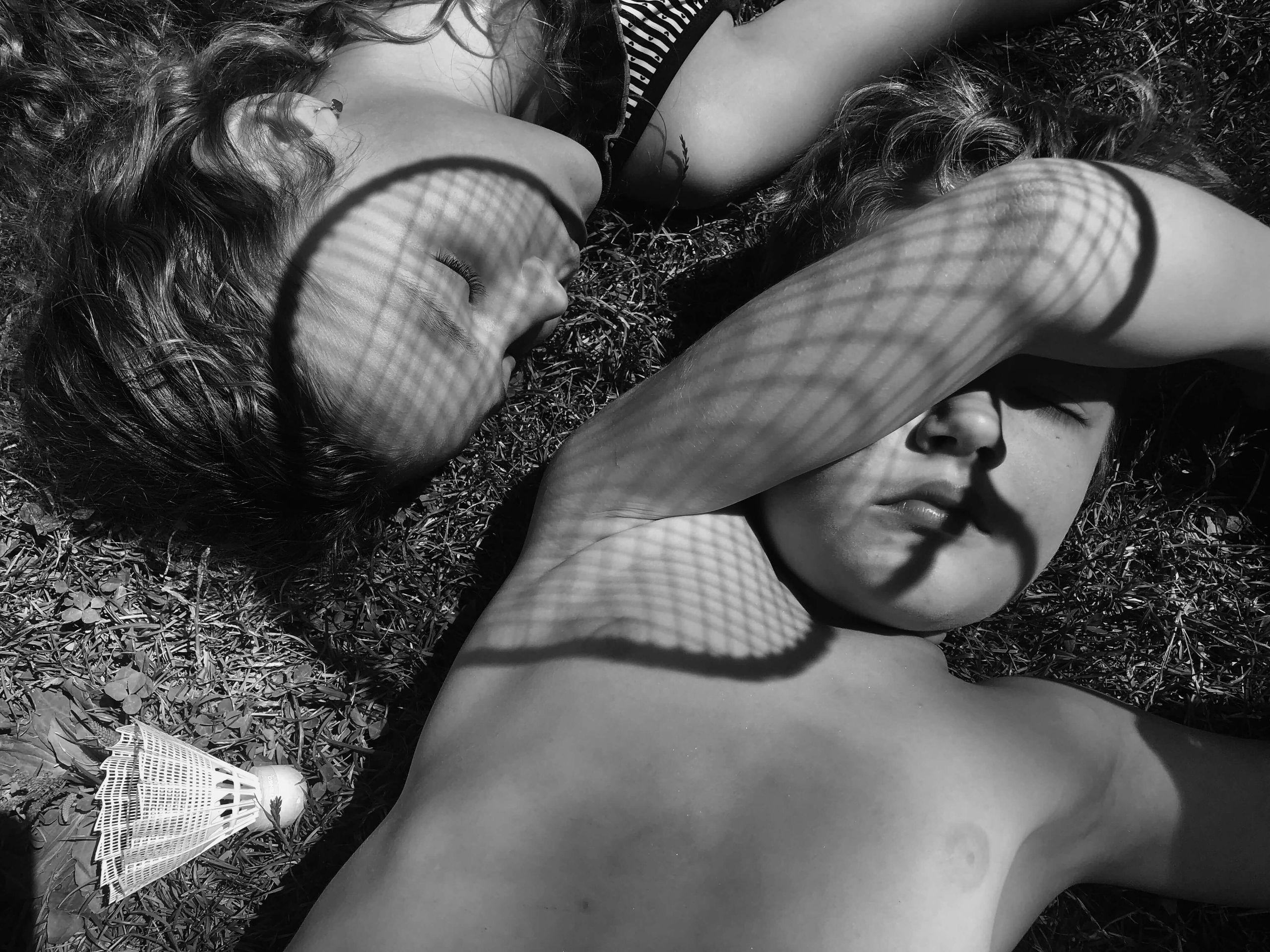
Winning a photography contest means creating an image where narrative, composition, and use of light combine to leave a lasting emotional impression on judges, outweighing sensor size, lens sharpness, or camera brand and proving that technical perfection alone rarely secures top awards. The iPhone Photography Awards’ Photographer of the Year image of two children napping in the sun is a textbook example: at first glance, it’s a pleasing symmetrical frame; look longer and the shuttlecock and the shadow of a badminton racket slowly reveal a playful backstory, turning a quiet scene into a layered narrative. That frame beat thousands of submissions from more than 140 nations because it feels discovered, not staged, and because its visual rhythm leads the eye from calm geometry to hidden detail. That is what judges reward: photographs that unfold in time.
Why your camera matters less than your decisions
Too many photographers treat contests like a gear race, assuming newer bodies and exotic lenses confine awards to those with big budgets. The iPhone X–shot winning image detonates that myth by pulling rich tonality and nuanced monochrome from an almost decade-old smartphone. As one commentary notes, "to get this tonality and look from an almost decade-old camera is a great achievement – and worthy of the IPPAwards recognition". What separated that frame from the pack was not 4mm focal length, 1/1500sec shutter, f/1.8 aperture or ISO20 settings; it was how the photographer placed the children in the sun, embraced hard shadows, and framed small details that reward repeat viewing. If your contest strategy starts with buying gear instead of planning images, you are solving the wrong problem.
Turn light and shadow into emotional arguments
Judges do not fall for drama in the caption; they respond to drama in the light. In the winning iPhone image, the racket appears only as a shadow cast across the children’s faces, and the shuttlecock lies almost unnoticed in a corner. Those choices force the viewer to slow down, decode the shapes, and reconstruct the scene: energetic play, then exhausted rest. That cognitive delay is powerful—it makes the photograph feel like a story you discovered yourself. Award commentary explicitly links the decision to bend light and shadow into layered meaning with the judges’ choice to elevate the picture. If your entries are evenly lit and descriptive, they may be pleasant but forgettable. Use contrast to hide and reveal, let shadows carry clues, and allow highlights to guide the eye through your narrative arc.
How contests sharpen your competitive eye
Submitting to multiple competitions is not vanity; it is practice. Calls span travel, sports, weather, botanical subjects, health, science and more, with open categories for photographers of all levels. According to one competition round-up, "submitting your images to photo competitions is one of the best ways to gain exposure and recognition" and many photographers treat these contests as the stepping stone to building a name or landing features. Each entry forces you to edit your archive, align with a theme, and refine how your images might stand against work from different genres. Different contests also use different judging setups: some include formal panels, while others add a public vote that can crown a separate favourite. Over time, this feedback ecosystem teaches you not only how to impress juries, but also how to hold the attention of wider audiences.
The real contest is for meaning, not megapixels
If there is a single takeaway from recent award winning photography, it is this: contests are won by images that argue for their own significance through story and light, not by files that flaunt flawless noise performance. The iPhone winner succeeded because a simple scene was turned into a layered narrative through composition and shadow, not because a specification sheet impressed anyone. The growing ecosystem of contests across genres provides countless chances to test that principle, gain exposure and refine how your work competes. Treat each submission as an opportunity to make a clear emotional statement. When judges compare your photograph with thousands of others, they are not asking which camera is superior—they are asking which image stays with them after the lights come up.