
Film feels expensive—but the data tells a different story
Film photography cost is the total ongoing expense of buying film, developing it, and maintaining a camera, and that cost feels high today mainly because we compare it to the one-time outlay of digital gear instead of to what film has historically cost over time. In reality, the panic about exploding film prices says more about online trends than about actual numbers. There is a growing belief that you need a premium rangefinder, stacks of color negative film, and a padded bank account to shoot "proper" analog. That belief is wrong—and it is stopping new photographers from picking up film at all. If you care about making images instead of flexing gear, the evidence shows film photography remains within reach for a thoughtful budget.
According to a six‑month analysis of more than 30 film stocks, average prices rose only 2.5% over that period, below a typical 3% annual inflation rate. Even more telling, the previous six months showed the same rate of change, which means film prices have been broadly steady rather than spiking. Yes, some individual emulsions are up, but others—including well‑known black‑and‑white and color stocks—have become slightly cheaper in that window. When you zoom out, film is behaving like any normal consumer good in a reasonably stable market. The sticker shock comes from our expectations, not from an objective surge in the film photography budget.
Kodak Gold proves film isn’t worse value than the 1990s
One of the strongest arguments against the myth of runaway film photography cost comes from a humdrum, beloved emulsion: Kodak Gold. The price tracker behind the recent analysis dug into historic pricing and found that a 24‑exposure roll of Kodak Gold cost USD 4.60 (approx. ₱257.6) in the 1990s. Adjusted for inflation and wages, that works out to about USD 11.40 (approx. ₱638.4) in today’s money. In other words, the rose‑tinted memory of "cheap film back then" ignores how much everything else has risen alongside it.
Now compare that to the present. Over the past six months, the average price for Kodak Gold has been USD 10.34 (approx. ₱579.0)—and that is for a 36‑exposure roll, not 24. In plain terms: you are paying less in real terms and getting 50% more frames. That single statistic undercuts the nostalgia narrative. When a popular Kodak film stock is priced better today than it was decades ago, the claim that film has become unaffordable starts to look more like an emotional reaction than a financial truth.
Cheap cameras keep film photography accessible
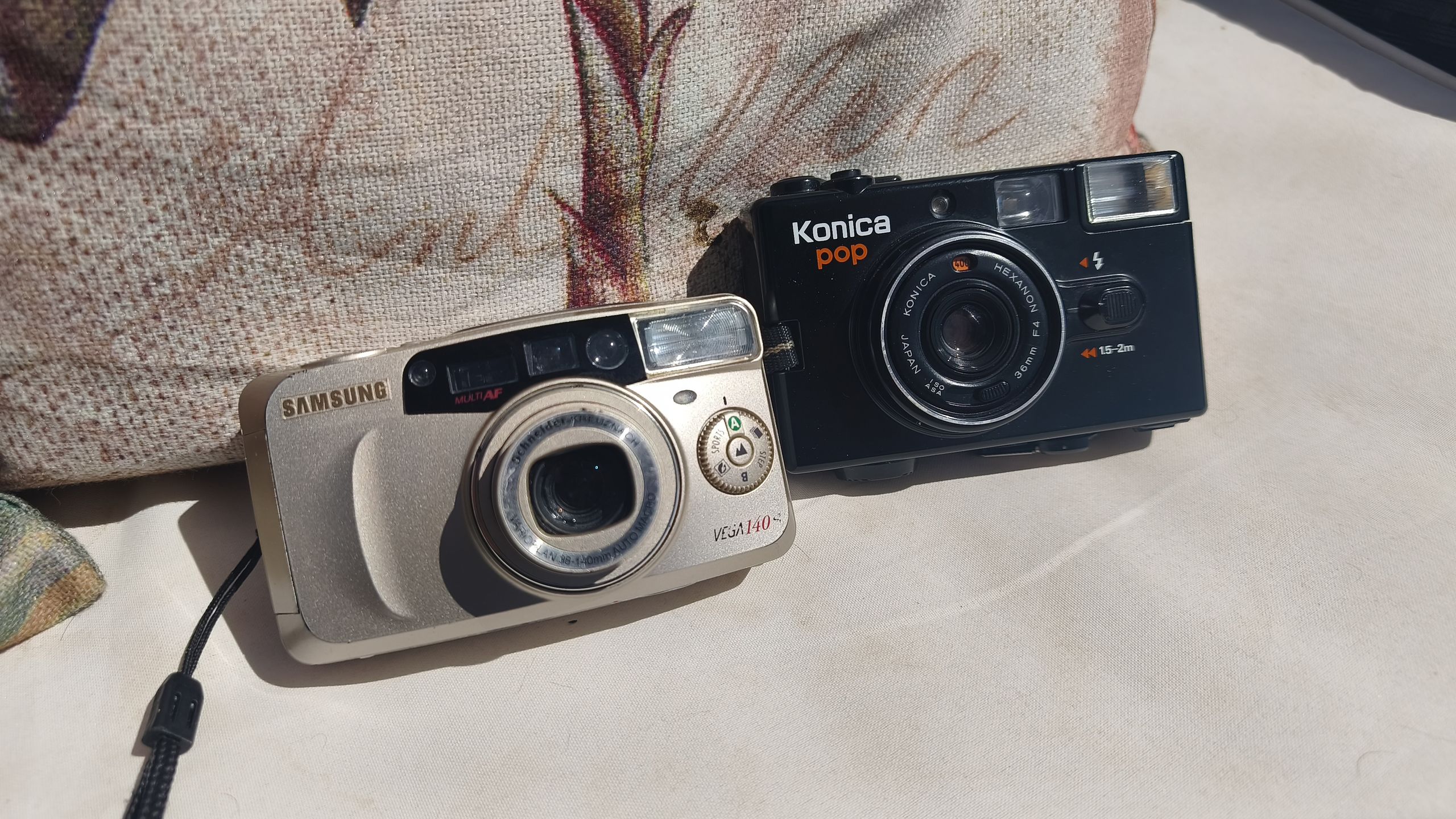
Where film photography does diverge from digital is in how we think about gear. The internet loves to frame analog around luxe bodies and rare lenses—no wonder many people assume film camera prices are sky‑high. But that frame is wrong. In practice, the most democratic way into film is through humble compact cameras, the sort you can find in a forgotten drawer or on a flea‑market table. One photographer picked up a Konica Minolta Pop in great condition for USD 4 (approx. ₱224). On the same stall, they found a feature‑rich Samsung zoom compact for USD 6 (approx. ₱336).
For a total of USD 10 (approx. ₱560), they walked away with two fully usable film cameras that offer very different shooting experiences. That amount is less than many premium straps, yet it bought an entire entry‑level film kit. These pocketable cameras often include autofocus, automatic exposure, and sharp built‑in lenses, removing the need to fuss over meters and lens collections while you learn. When even a USD 4 compact can produce satisfying photographs, the barrier to entry is not camera cost—it is the misconception that you must start with luxury gear to take film seriously.
Film costs money—but smart choices keep the budget sane
The recurring cost in a film photography budget is not the body, it is the film itself and the way you process it. Buying popular color emulsions and paying a lab for development and scanning turns every press of the shutter into a noticeable expense. That can make analog feel like a luxury next to a digital camera, which you pay for once and then shoot at effectively zero marginal cost. But rather than treating this as an excuse to avoid film, you can treat it as a design constraint: a reminder to shoot with intention, choose stocks carefully, and take control of parts of the workflow yourself.
Home development is the most underrated lever for controlling film photography cost. One photographer’s setup for black‑and‑white consists of a basic developing tank and a monobath solution—no full darkroom, no shelf of chemicals. After drying the negatives, they scan them with a flatbed scanner and handle the rest digitally. That approach turns the recurring cost of lab work into an occasional investment in chemicals and time. It also adds creative satisfaction: you choose the camera, load the film, make the exposures, and bring the images to life yourself, without needing an expensive suite of equipment.
The real problem: myths that scare people away from film
Taken together, the numbers and the lived examples paint a clear picture. Average film prices have tracked below or around inflation for at least a year. A staple color stock like Kodak Gold offers more frames for less real‑world money than it did in the 1990s. Entry‑level cameras can be found for the price of a takeaway meal, and a pair of compacts for USD 10 (approx. ₱560) can provide huge creative range. Meanwhile, simple home‑developing setups cut the recurring costs that make film feel punishing.
The real obstacle is not film photography cost; it is the belief that film is an exclusive club for people with premium rangefinders, fashionable color stocks, and deep pockets. Those myths discourage photographers from exploring film as a viable creative medium at all. Film photography can still be cheap, spontaneous, and fun if you are willing to hunt for affordable film stocks, use modest cameras, and embrace a bit of hands‑on process. If you have been hesitating, the data is in: film is not the problem—your expectations are. Pick up a bargain compact, load a roll, and let the results, not the price tag, decide whether film is worth it.