
The Short Answer: Start with the Sony RX10 V
Bridge cameras and compact mirrorless cameras are beginner-friendly digital cameras that blend smartphone-style automation with DSLR-style controls, giving new photographers simple auto shooting and room to grow into manual settings like aperture, shutter speed, and ISO without the bulk or complexity of full professional systems.
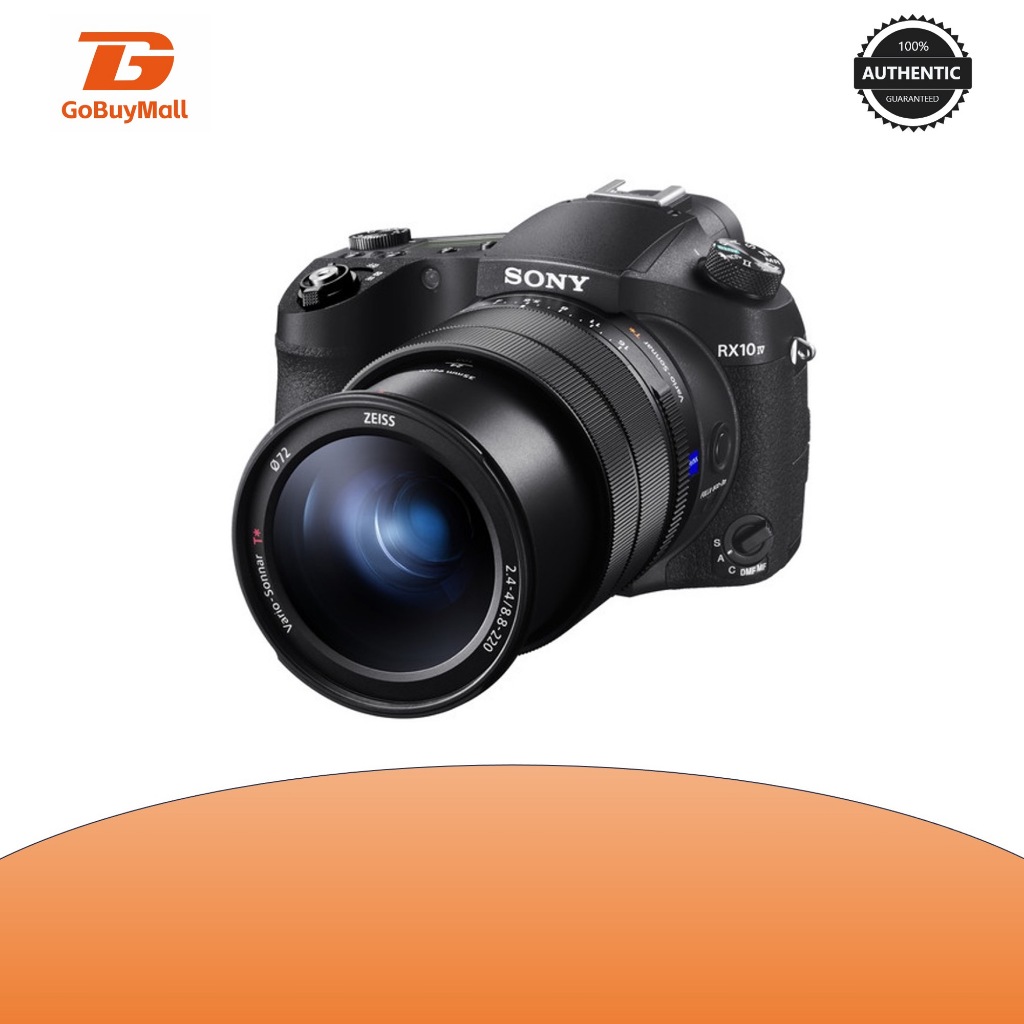
For most beginners who want one camera that does everything, the Sony RX10 V is the best beginner camera to buy right now. It is a bridge camera with a built-in super zoom lens and advanced autofocus that lets you go from wide landscapes to tight wildlife shots without changing lenses. You pay a premium—USD 2,299 (approx. ₱129,000)—but you are also buying years of flexibility without needing extra lenses or accessories.
If your priority is an all-in-one tool that removes lens decisions, keeps your bag light, and still lets you explore wildlife, travel, family, and everyday photography, the RX10 V is the camera that will keep you shooting instead of shopping for gear. The Olympus OM-D E-M10 Mark IV is the better choice only if you know you want to build a small interchangeable-lens system over time.
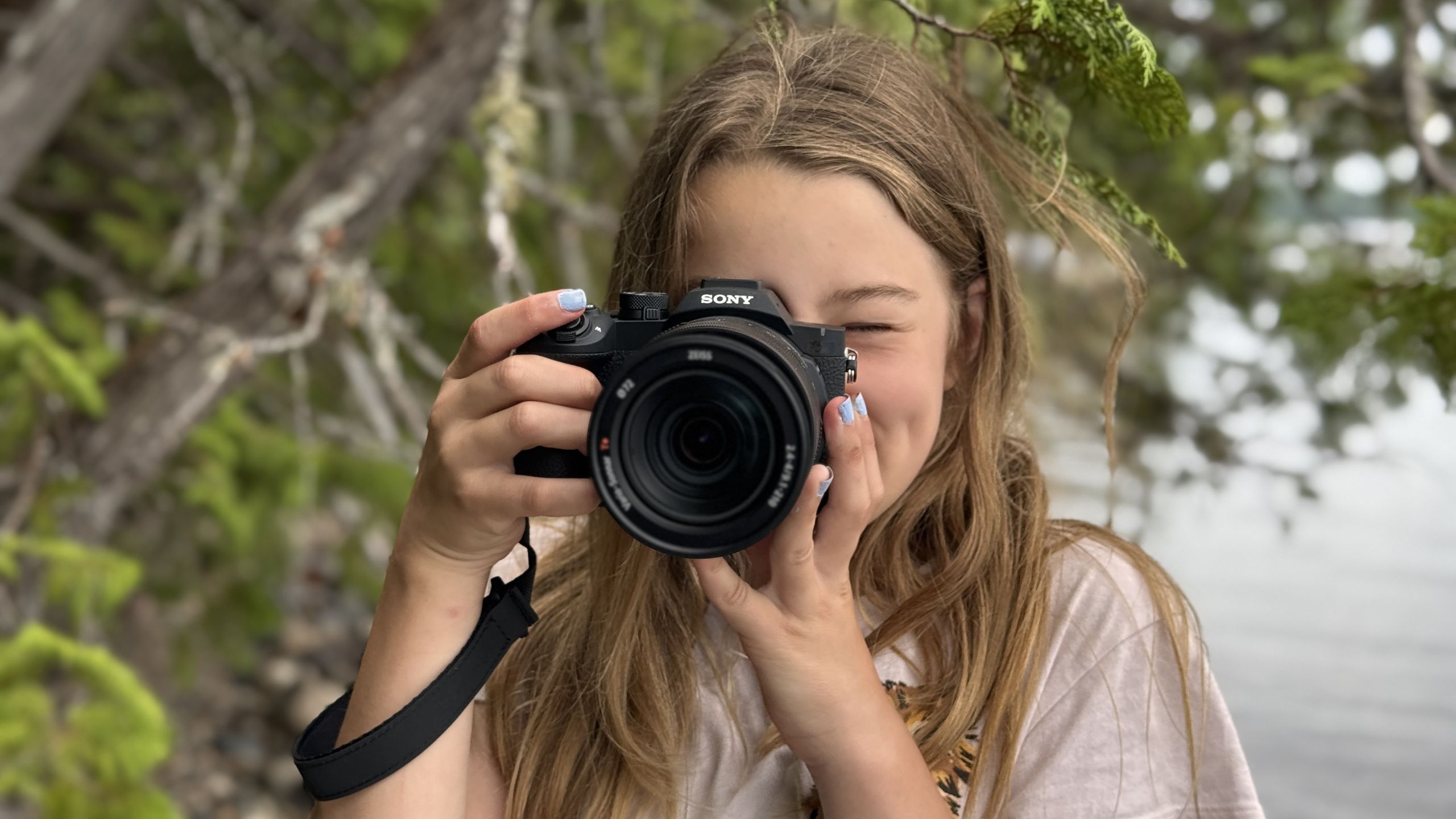
Sony RX10 V: The All‑In‑One Bridge Camera for Curiosity‑Driven Beginners
The Sony RX10 V is a bridge camera built for all skill levels, from kids to serious hobbyists. According to one reviewer, it brings "Alpha-series level autofocus smarts" to a super zoom with the same sensor and processor as its predecessor. That means fast subject detection, animal eye autofocus, and 30fps bursts that help beginners increase their odds of a sharp, perfectly timed shot.
The star is the built-in Zeiss 24–600mm equivalent lens, which gives you massive zoom range in a single package. Give a camera that kind of range and there are very few types of photos it cannot handle. For a beginner, this removes lens compatibility questions and long-term gear costs: no extra lenses, no wondering what to buy next. In auto mode, it is straightforward enough that an 11-year-old can use it to photograph wildlife with minimal instruction.
There are trade-offs. Reviewers call it a good, versatile camera that still feels old-fashioned in some ways. Image quality is strong at base ISO but deteriorates as you push sensitivity higher, and you must shoot lossy RAW to use the electronic shutter. At USD 2,299 (approx. ₱129,000), it is expensive. But if you want the best bridge camera on the market and prefer one body over a bag of lenses, this is the clear pick.
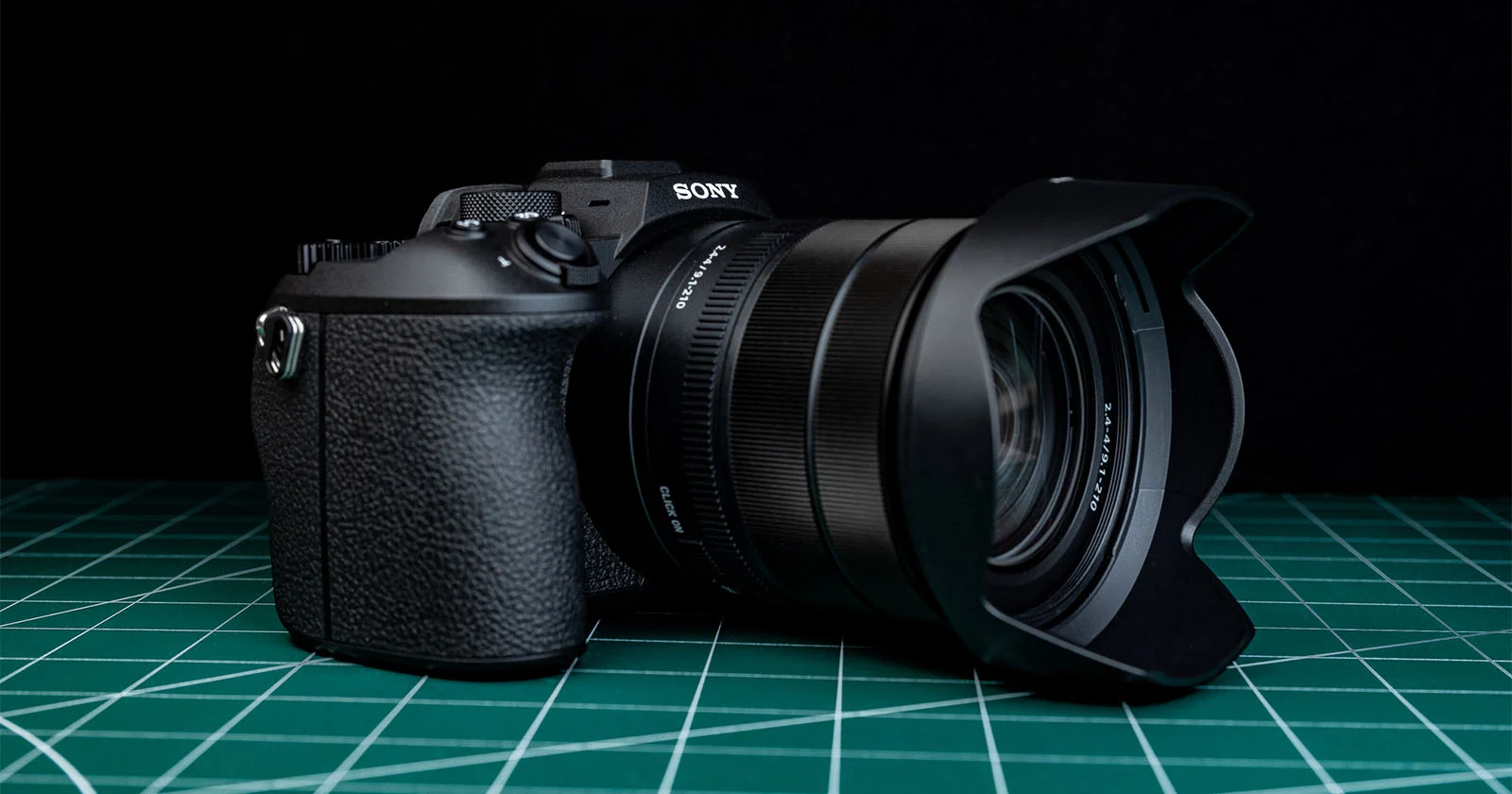
Olympus OM-D E-M10 Mark IV: Compact Mirrorless System for Future Enthusiasts
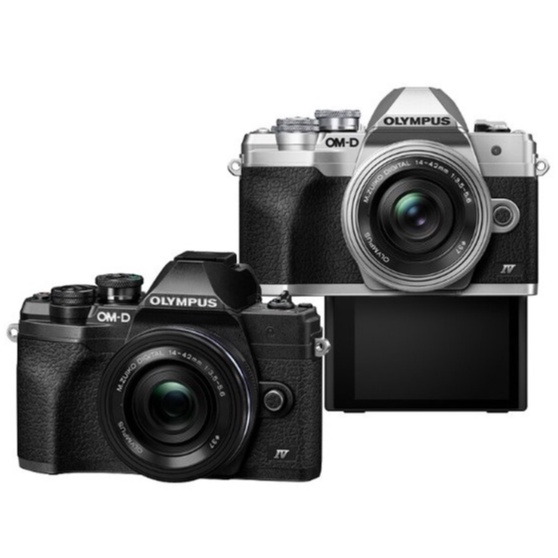
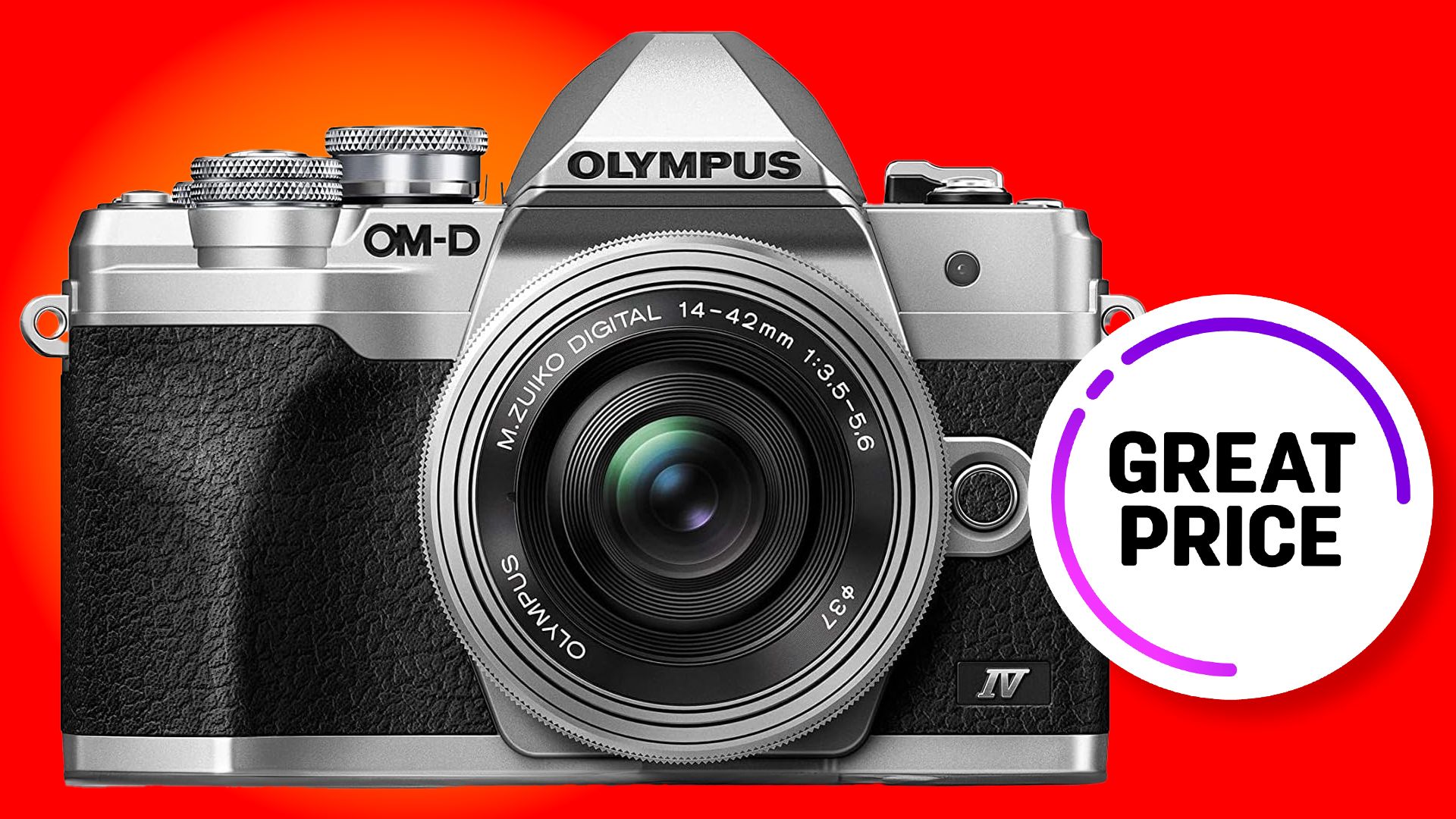
The Olympus OM-D E-M10 Mark IV is the compact camera for beginners who know they want to grow into an interchangeable-lens system. It pairs a 20MP Micro Four Thirds sensor, which has a 2x crop factor, with a tiny body and slim 14–42mm kit zoom, making the whole setup lighter than many fixed-lens compacts. It includes 4K 30p video and in-body image stabilization rated to 4.5 stops, which helps keep both photos and video steady.
Where the RX10 V is about never changing lenses, the E-M10 Mark IV is about starting small at a beginner-friendly price and adding lenses only if and when you need them. The body with 14–42mm lens has been discounted to around £511–£550, which makes it a true entry-level camera that still looks and feels premium. It is described as an ideal first interchangeable-lens camera and a great everyday companion for commutes or day trips.
Autofocus and burst speed are simpler than the RX10 V, but beginners get Live Guide and Scene Modes that walk them through creative choices. You can start in Auto, then move to aperture priority or full manual when you are ready. The main downside is that, to match the RX10 V’s zoom flexibility, you would eventually need more lenses, which adds cost and decisions. It is best for learners who enjoy the idea of building a small system over time.
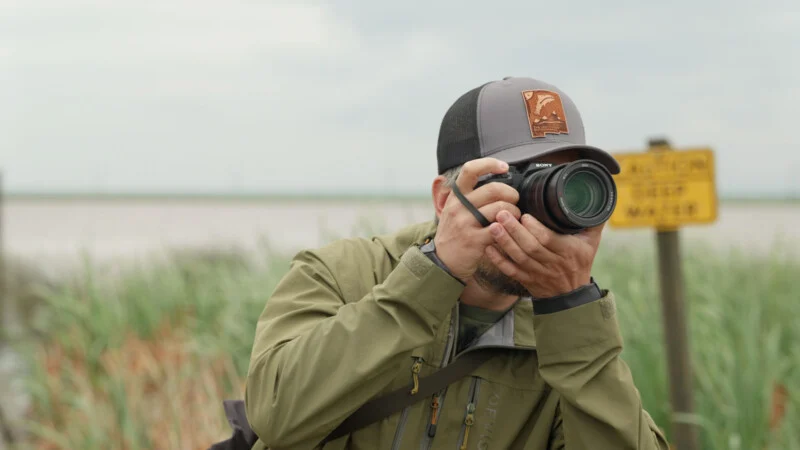
Bridge Camera vs Mirrorless: How to Choose Your First Serious Camera
Choosing between a bridge camera vs mirrorless system is about personality as much as specs. Bridge cameras like the RX10 V give you an all-in-one zoom that answers almost every shooting scenario without changing lenses. They remove lens compatibility worries and ongoing gear investment, which is ideal if you are unsure how deep into photography you want to go yet.
Mirrorless cameras like the E-M10 Mark IV, by contrast, are made for people who like the idea of swapping lenses later. You start with a compact camera for beginners that is small, capable, and affordable, and the Micro Four Thirds system keeps bodies and lenses lighter than many alternatives. Over time you can add a portrait prime, a telephoto zoom, or a macro lens as your interests grow.
Both the RX10 V and E-M10 Mark IV work well in auto mode for casual shooting. The RX10 V has been used on full auto by an 11-year-old with success, while the E-M10 Mark IV offers Live Guide and Scene Modes that support new photographers. Both also provide full manual controls, so you can learn exposure step-by-step. The decision comes down to whether you want a single, do-it-all super zoom now, or a compact system you can expand later.
Buy if / Skip if
- Buy the Sony RX10 V if you want one of the best beginner cameras that covers everything from wide-angle to super-telephoto without ever changing a lens.
- Skip the Sony RX10 V if you often shoot in low light and demand clean high-ISO image quality, because reviewers note that its images deteriorate quickly at higher ISO settings.
- Buy the Sony RX10 V if you are a wildlife, travel, or family photographer who values an all-in-one bridge camera that eliminates lens compatibility concerns and long-term gear costs.
- Skip the Sony RX10 V if your budget is tight, because its USD 2,299 (approx. ₱129,000) price puts it far above many other entry-level options.
- Buy the Olympus OM-D E-M10 Mark IV if you want a compact camera for beginners with a 20MP Micro Four Thirds sensor, in-body stabilization, and room to grow into a lens system at an entry-level price.
- Skip the Olympus OM-D E-M10 Mark IV if you dislike the idea of choosing and buying additional lenses later to reach the same zoom range that a bridge camera provides out of the box.
- Buy the Olympus OM-D E-M10 Mark IV if you value a lightweight, retro-styled everyday camera for commutes and day trips that still delivers professional-looking images.