
The case for mid-range over flagship motherboards
A motherboard longevity guide explains how the board that connects and powers every component in your PC usually outlives your CPU, GPU, and storage, so choosing a durable, mid-range board with quality components gives you long-term upgrade flexibility without wasting money on flashy extras that do nothing for reliability. In practical terms, your motherboard and RAM are the only parts with a real chance of outliving everything else in your build, which makes PC motherboard durability more important than one-off features that look impressive on a spec sheet. The best motherboard value selection is a strong mid-range board: it delivers around 90% of flagship functionality at half the cost while offering a similar lifespan and upgrade path. That lets you treat the motherboard as your platform’s foundation instead of a dumping ground for leftover budget, and then put more money into the CPU and GPU that actually decide how fast your games and apps run.
Top pick: GIGABYTE B850 AORUS Elite for long-term value
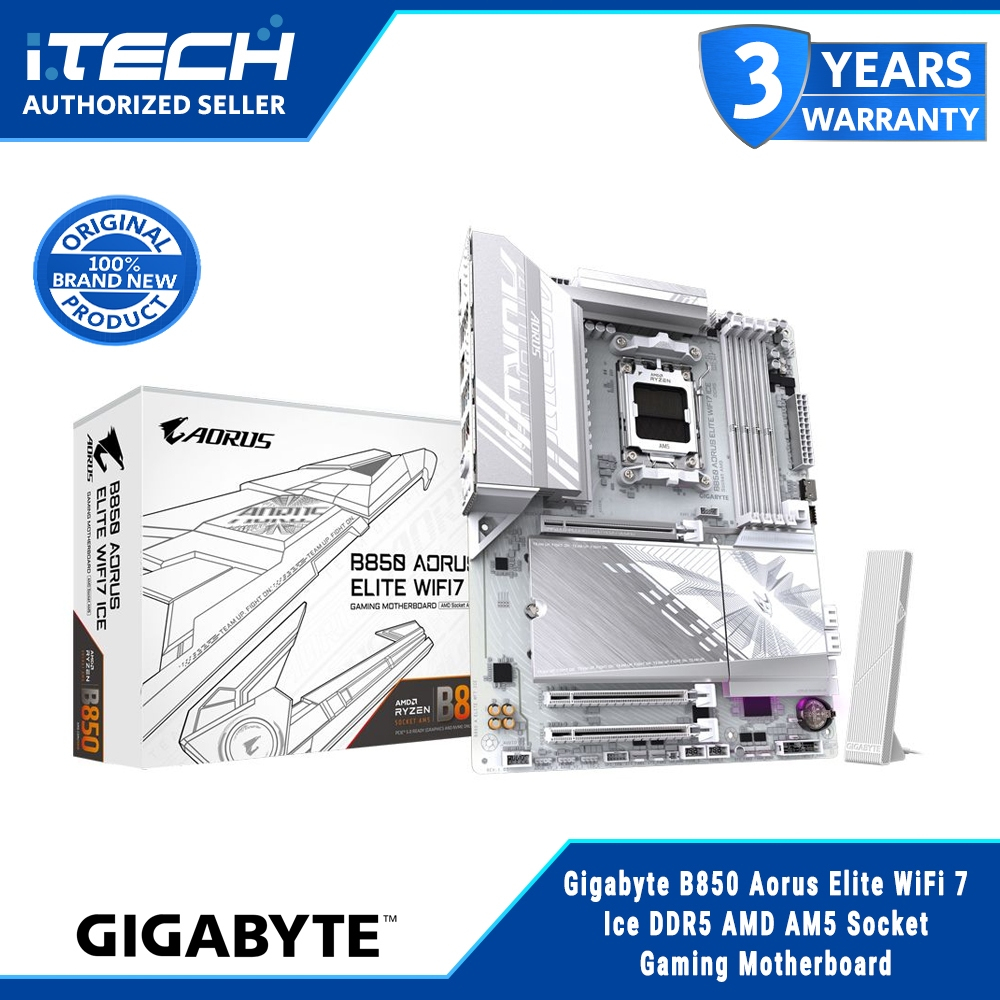
For most builders, the GIGABYTE B850 AORUS Elite is the best balance of durability, features, and cost that you can buy today. It is an ATX board with an AM5 socket, four memory slots, and support for DDR5 memory, so it plugs straight into AMD’s current platform and gives you plenty of RAM capacity for gaming and productivity builds. You still get PCIe 5.0 support, which means next-generation SSDs and GPUs are on the table, so you are not giving up future storage or graphics options by staying in this tier. According to the source, "A solid mid-range choice if you care more about performance than the premium features X870E boards offer. You still get PCIe 5.0 support, so it's not like you're missing out by paying half the price." This is exactly what good motherboard value selection looks like: platform longevity without luxury fluff.
Who is it for? Anyone building an AM5 gaming or work PC who wants a board that will comfortably handle CPUs like a Ryzen 9 9800X3D without needing flagship-level power delivery or boutique extras. It suits upgraders who plan to drop in a future AM5 chip later, because AMD’s socket has already seen three CPU generations and earlier AM4 boards lasted through five, which shows how a solid platform can host multiple processors over its life. The main downside is that you do not get every fringe feature from X870E boards: no stack of USB4 ports, fewer exotic networking options, and a more modest VRM than halo models. But those omissions do not affect frame rates or platform stability in any noticeable way; they free up budget for a stronger graphics card or CPU instead.
| Spec | GIGABYTE B850 AORUS Elite | Who it suits |
|---|---|---|
| Form factor | ATX | Standard mid-tower and larger cases |
| Socket | AM5 | Builders on AMD’s current platform with an upgrade path |
| Memory support | 4x DDR5 slots | Gamers and creators needing high-capacity, fast RAM |
| Expansion | PCIe 5.0 supported | Users wanting next-gen SSD and GPU support |
| Ideal buyer | Mid-range value seeker | People who prioritize performance over luxury features |
When a flagship board makes sense—and why it often does not
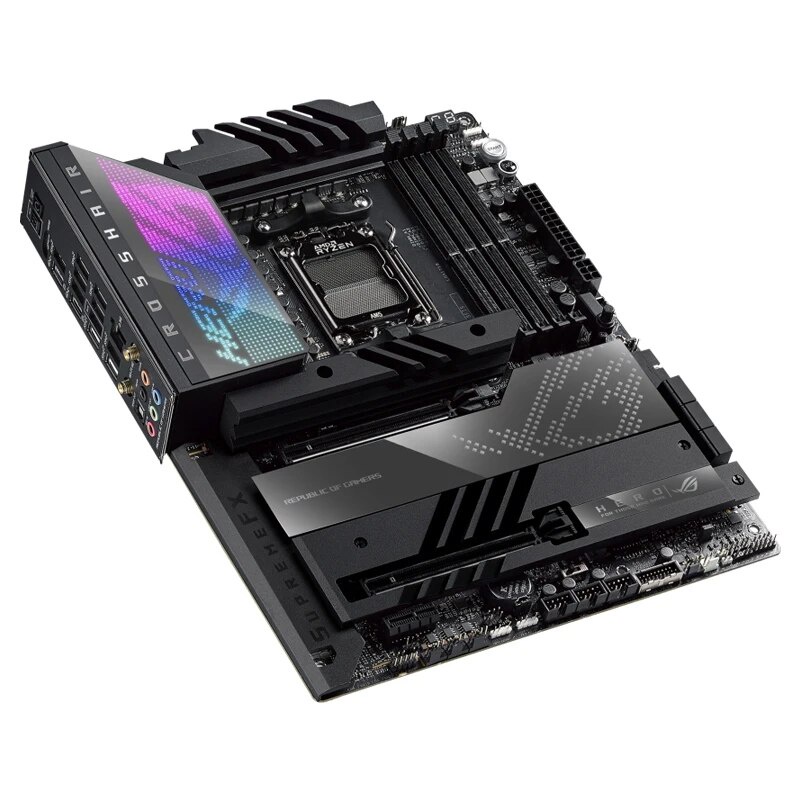
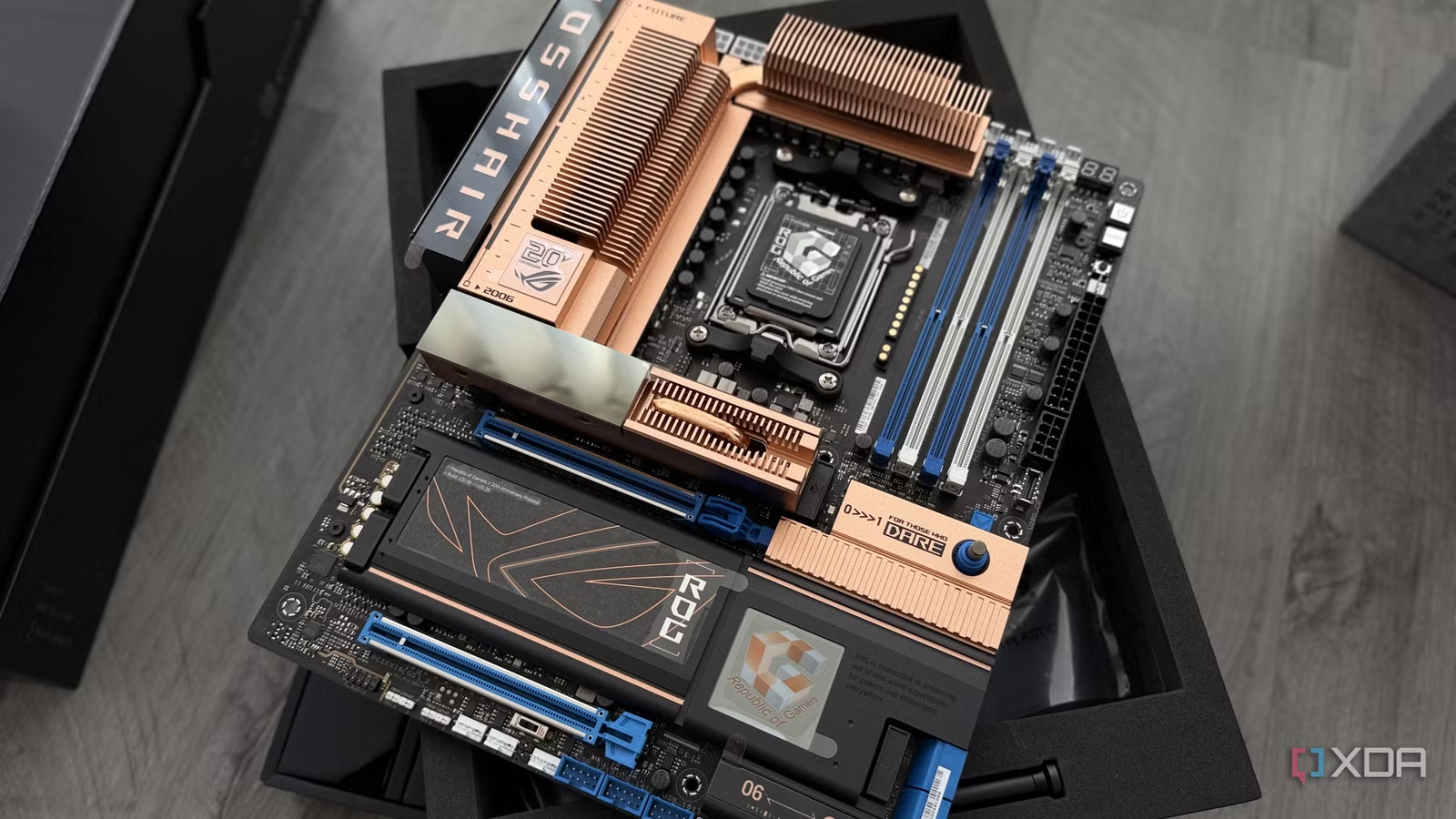
Flagship boards like the Asus ROG Crosshair 2006 show what overbuilt hardware looks like but also why most people should skip them. This board uses a 20+2+2 power stage design, with the 20 core stages rated at 110A each, ProCool II connectors, MicroFine alloy chokes, and 10K-rated black metallic capacitors, all under massive heatsinks. On paper that sounds like an overclocker’s dream, but it is really a longevity recipe: the 10K capacitor rating describes how long those parts stay in spec at temperature, while the thick copper power planes and eight-layer PCB spread heat to reduce thermal stress over time. These are the kind of high-spec components missing from cheap boards, and running cooler for years is what preserves PC motherboard durability.
There are genuine pros: top-tier power delivery, long BIOS attention, and quality-of-life upgrades such as three internal USB headers plus two USB4 and nine USB 10Gbps ports on the rear I/O. Flagship motherboards are also where new features arrive first, from improved cooler connectors to smarter NVMe mounting. However, the downsides are clear. First, there is a nostalgia and brand tax: this board is described as “an ode to an era of computing that's gone” with extra cost that has nothing to do with engineering. Second, eye candy like copper-colored heatsinks and OLED displays do not extend lifespan; they are cosmetic touches that add to the price without improving stability. Finally, as one builder put it, that extra money would have aged better in the bank account than in a halo board, especially when a B850 or B650 delivers the same CPU performance.
How to choose a durable board that maximizes upgrade money
If you want your platform to stay upgradeable as long as possible, you should treat the motherboard as the third priority in your budget, right after GPU and CPU. That is the core of smart motherboard value selection: do not cheap out to the bottom, but also do not sink money into features that do nothing for performance. Focus on three to five key criteria. First, overspecced power delivery that can run your CPU without sitting at the thermal red line every day. Second, capacitors with clear lifespan ratings, like 10K-hour parts, so you know the board is built to last under heat. Third, a PCB design with good copper thickness and multiple layers to spread heat away from critical areas. Finally, long-term BIOS support, because "Your board decides when your platform dies"—a board that keeps getting firmware updates can host more CPU generations before you need to rebuild.
Mid-range boards in the USD 250 to 350 tier (approx. ₱14,000 to ₱19,500) already offer these durability features without forcing you into halo prices. One builder who upgraded from an RTX 3090 to 4090 and from a 5800X3D to 9800X3D noted that every expensive GPU and CPU change delivered real frame rate gains, but spending USD 400 (approx. ₱22,400) on an X870E motherboard did not improve gaming performance at all. Instead, the higher-end board introduced hidden tradeoffs, like PCIe lane sharing that cut the primary GPU slot from x16 to x8 when a second NVMe drive was installed. Flagship boards are more about longevity these days because their advanced features help them age better over time, but those benefits take years to show and often do not justify the upfront cost for typical builds. It is wiser to put that money into parts that “actually decide how well my games run,” like the CPU, GPU, and RAM.
Buy if / Skip if
- Buy the GIGABYTE B850 AORUS Elite if you want an AM5 board with PCIe 5.0, DDR5 support, and enough durability to host multiple CPU upgrades without paying for halo features you will never use.
- Skip the GIGABYTE B850 AORUS Elite if you need every cutting-edge feature, such as extensive USB4, 5GbE or faster networking, and luxury add-ons that only appear on flagship X870E-class boards.
- Buy the Asus ROG Crosshair 2006 if you are an enthusiast or collector who values overbuilt power delivery, 10K-rated capacitors, thick copper power planes, and premium BIOS support as a long-term investment in PC motherboard durability.
- Skip the Asus ROG Crosshair 2006 if your main goal is high frame rates per dollar, because its nostalgia tax, cosmetic extras, and flagship badge do not improve gaming performance compared with a strong mid-range board.
- Buy the GIGABYTE B850 AORUS Elite if you care more about performance parts like CPU and GPU and prefer to redirect flagship-board money into those components for better real-world gains.
- Skip the GIGABYTE B850 AORUS Elite if you are building on a very tight budget and are willing to accept fewer USB headers, lighter power delivery, and less comfortable thermals on a cheaper B-series board to save every possible amount.